

Wooden French Stool
A wooden french stool brings tactile warmth and period character to a room, offering versatile seating or a subtle footrest.
Wooden French Stool
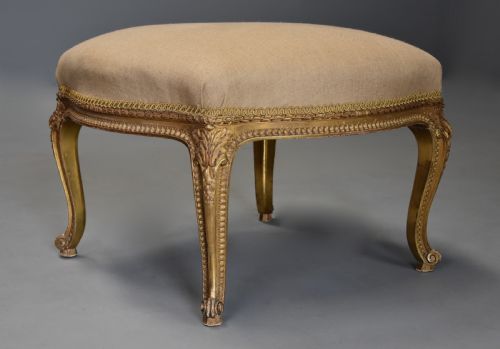
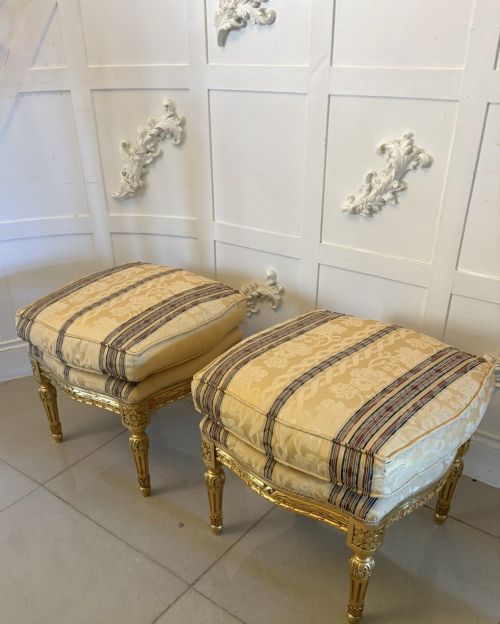
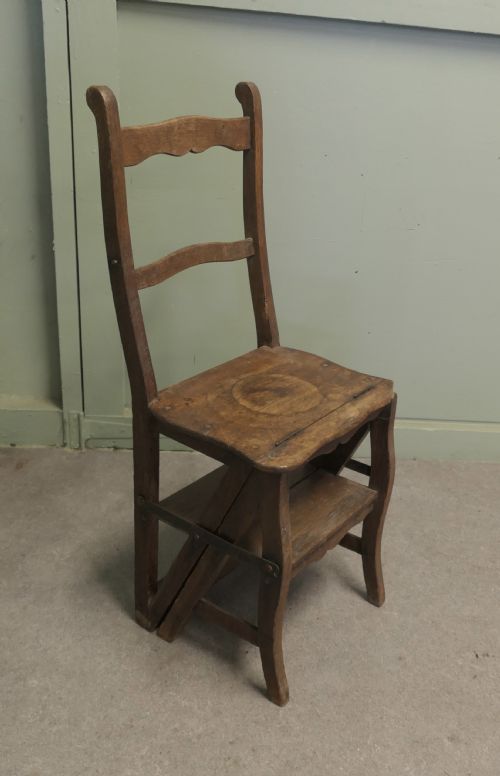
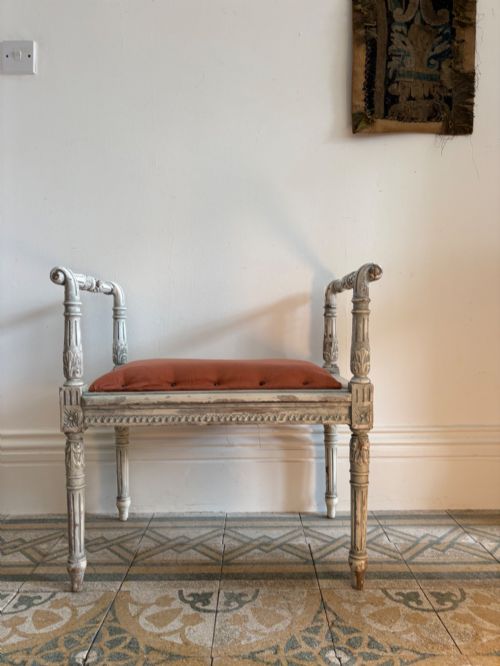
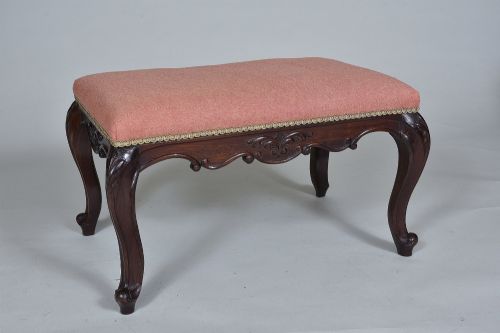
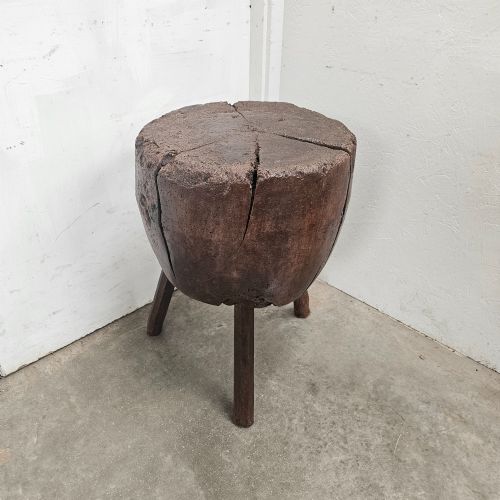
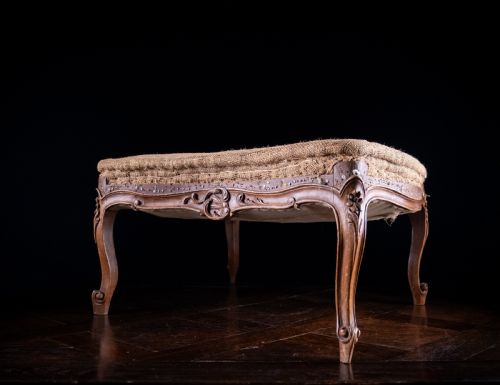
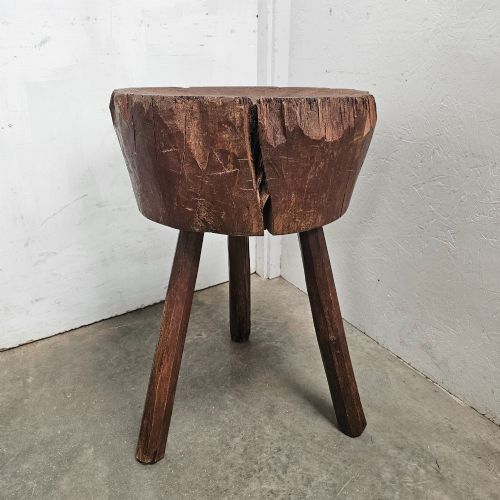
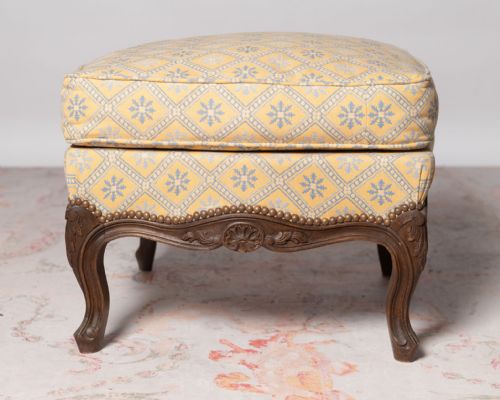
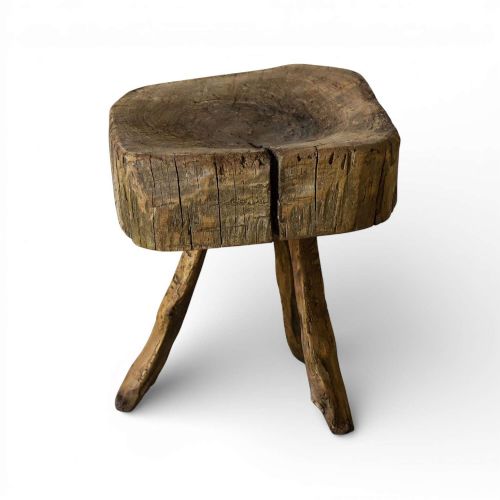
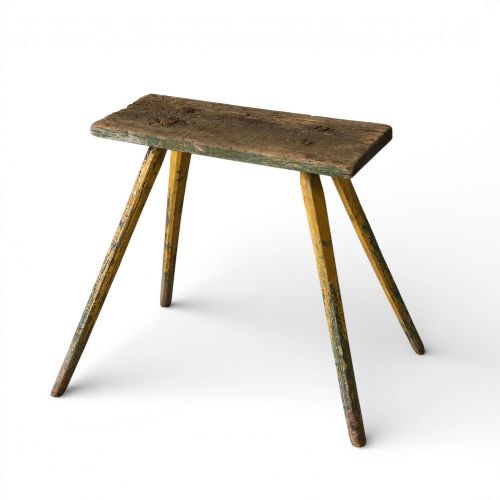
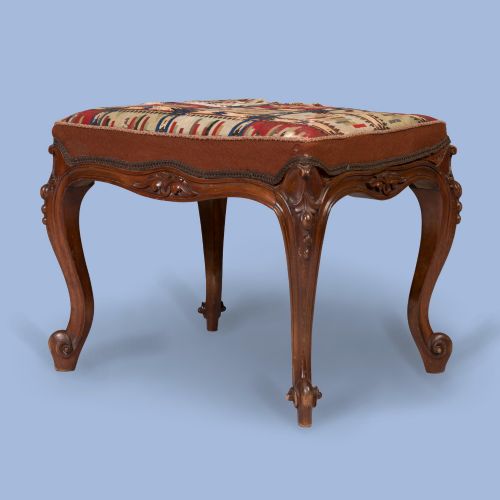
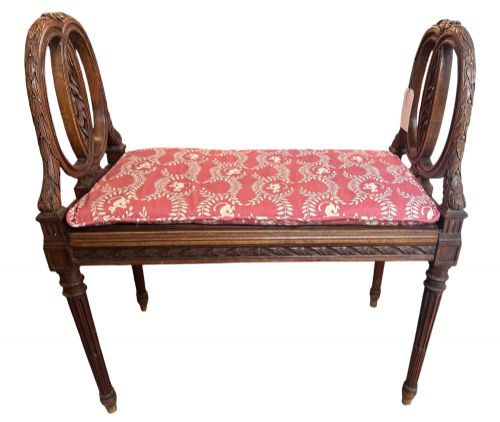
When you search for a wooden french stool, you encounter a diverse range of seating forms spanning the nineteenth and early twentieth centuries. Pieces vary from rustic milking stools and primitive beech game blocks to elaborately carved Louis XV style foot stools and giltwood window seats.
The selection includes provincial country pieces alongside refined revival designs featuring painted surfaces, upholstery, and cane work. Formats range from low footstools and ottomans to longer benches and metamorphic step chairs originating across French rural and chateau contexts.
Materials and Construction
Construction relies heavily on traditional hardwoods such as beech, walnut, elm, oak, and mahogany, often shaped with hand-carved detailing. Surfaces frequently display original paint, giltwood, or parcel gilt finishes, complemented by textiles including silk, tapestry, and needlework upholstery.
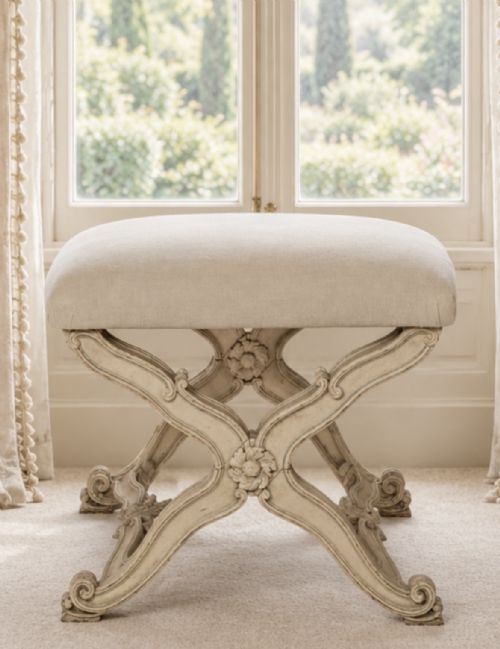
Makers utilised solid timber joined through vernacular methods, ranging from rustic scratch-built pine and gnarled legs to sophisticated carved scrollwork and X-frame structures.
Listings feature pieces spanning the nineteenth and early twentieth centuries, incorporating walnut, beech, elm, giltwood, and painted pine finishes.
Assessing Quality
Quality rests upon the integrity of the timber and the crispness of the hand-carved ornamentation found on revival pieces. Pieces retaining original paint layers or authentic patinated finishes demonstrate greater visual depth than later altered surfaces.
Structural honesty and the harmony of proportions distinguish simple provincial items from more decorative chateau examples, where joinery methods and upholstery selection elevate the overall execution.
The Wooden French Stool Glossary
- Beech
- A dense hardwood commonly utilised for French provincial framing and turned legs. It accepts fine carving detail readily.
- Giltwood
- Timber treated with gold leaf or gilt preparation, frequently seen on formal revival window seats and footstools. This finish brings bright reflection to formal interiors.
- Louis XV Style
- A design aesthetic characterised by asymmetric curves, naturalistic leaf carving, and cabriole legs. Pieces from this tradition date primarily from the nineteenth century.
- Game Block
- A solid section of timber, typically beech or elm, used in rural settings for food preparation. These heavy blocks possess a distinct vernacular presence.
Wooden French Stool: Frequently Asked Questions
How do I identify a French provincial stool?
Provincial stools typically display simpler construction using regional timbers like beech, elm, or pine. They often feature rustic turned legs or scratch-built frames without elaborate chateau gilding.
Look for honest patination and practical forms such as milking stools or low footstools that reflect daily country use.
What is the difference between Louis XV and Louis XVI styles?
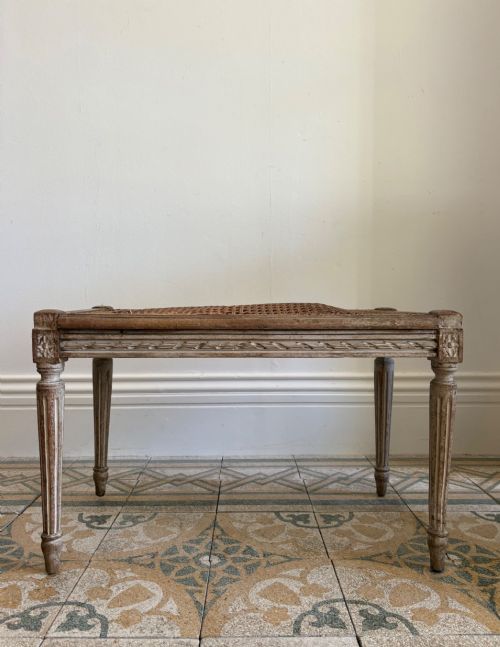
Louis XV style pieces are defined by flowing curves, cabriole legs, and organic rococo carving. In contrast, Louis XVI style embraces neoclassical straight lines, fluted columns, and geometric symmetry.
Both revivals appear frequently in nineteenth-century French seating.
Can I use these stools as coffee tables?
Longer benches, window seats, and sturdy game blocks adapt easily to function as low coffee or magazine tables in modern living spaces. Their compact dimensions provide a stable surface for books and trays.
Ensure the height and surface area suit your seating arrangement before repurposing.
How should I care for antique painted wood?
Preserve original painted surfaces by dusting gently with a dry, soft cloth and avoiding harsh chemical cleaning agents. Keep pieces away from direct sunlight and extreme humidity fluctuations to prevent flaking.
Wax should be applied only to unpainted timber elements.