







Wooden Framed Sign
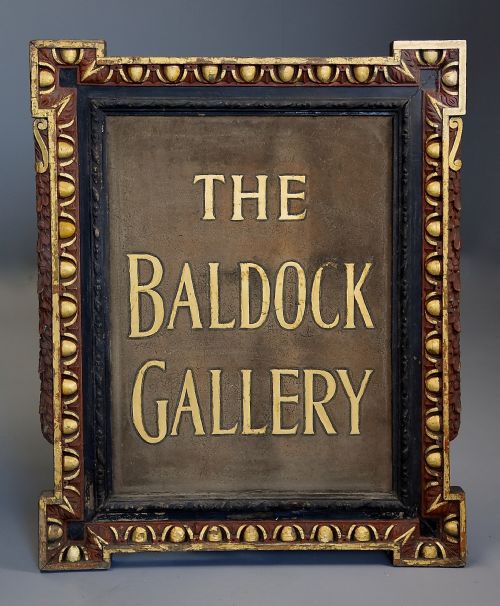
A wooden framed sign brings immediate character to a room, offering authentic commercial history from the eighteenth century onwards.
Wooden Framed Sign
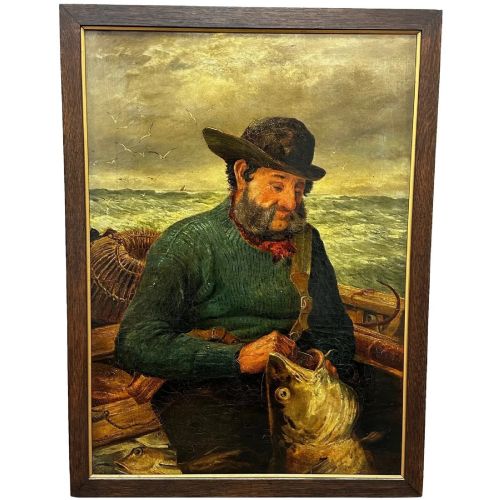
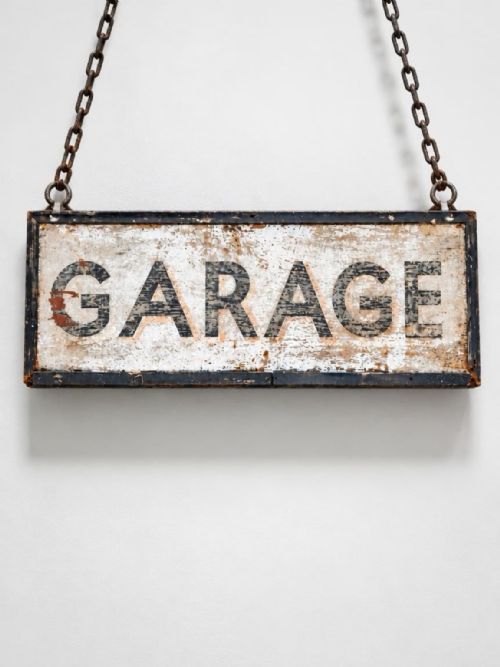
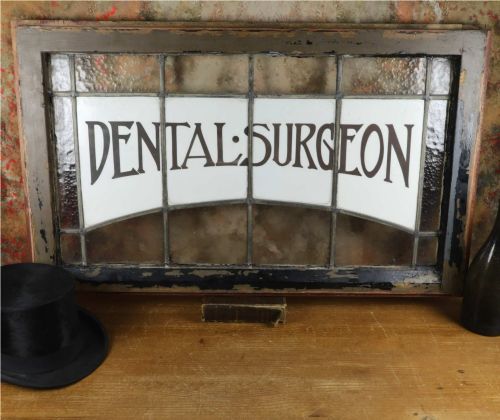
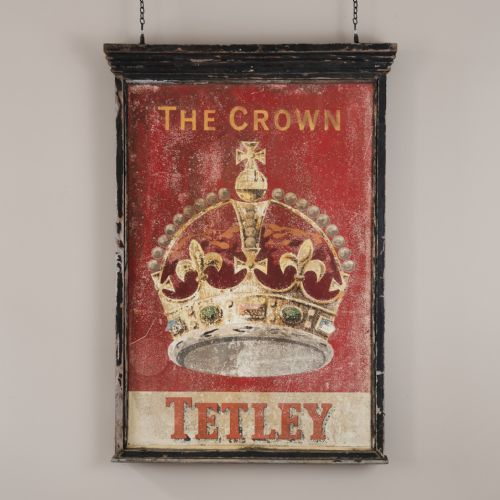
A wooden framed sign encompasses trade signs, shop signs, and pub signs produced across various historical periods, including the Edwardian era, the Victorian period, and the twentieth century. These pieces serve primarily as wall art and architectural salvage, often featuring hand-painted lettering or glass panels.
Buyers seeking a wooden framed sign will encounter items ranging from double-sided pub displays to architectural trade boards and dentist practice window notices. The selection spans straightforward utility objects and artistic trade displays housed within original wooden surrounds.
Materials and construction methods
Makers constructed these pieces using sturdy timbers like pine alongside glass, metal, and lead for structural integrity and display elements. Paint, oil paint, and canvas frequently appear on the surfaces, providing the lettering and pictorial details.
Traditional signwriting techniques relied on hand-painted applications directly onto wood, metal, or reverse-painted glass. Craftsmen secured these panels within robust wooden frames designed to withstand commercial environments.
Wooden Framed Sign Retail Price Guide 2026
Typical asking prices for wooden framed sign among the pieces listed under this phrase on Sellingantiques today, from the lower quarter to the upper quarter. They describe what is for sale here now, not the wider market.
Materials documented across the current selection include oil paint, canvas, glass, lead, metal, and carved wood.
Evaluating the craftsmanship
The sophistication of the hand-lettering and pictorial artwork dictates the visual appeal of each piece. Finer examples display meticulous brushwork and balanced composition, whereas utilitarian items prioritize simple legibility.
Originality of components defines the standing of a piece within this category. Items retaining their untouched painted surfaces and initial wooden frames hold greater historical integrity than those with replaced elements.
Gerwin & Co Birmingham·William Williams·A Michaelis·F Petitjean·John E Bosanquet·Lilian Stannard·Archibald Thorburn
The Wooden Framed Sign Glossary
- Trade sign
- A board or hanging display utilised by businesses to advertise their services or location to the public. These objects frequently combine painted text with pictorial symbols.
- Reverse painting on glass
- A technique where the artist paints directly onto the rear side of a glass panel so the image appears correctly when viewed from the front. This method creates a glossy finish popular in commercial signage.
- Architectural salvage
- Building elements and fixtures rescued from structures slated for demolition or renovation. Items in this category often retain their original weathered patina.
- Mezzotint
- A printmaking process of the intaglio family that allows half-tints to be produced without using line or dot networks. These works appear across several historical print collections.
Wooden Framed Sign: Frequently Asked Questions
Are painted glass signs fragile?
Glass signs demand careful handling because the historical glass and underlying paint layers can be sensitive to impact. Mount them away from high-traffic corridors where accidental knocks might occur.
Cleaning should involve only a dry microfibre cloth to avoid moisture seeping behind fragile painted surfaces.
How do I date a painted wooden sign?
Dating relies on examining the typeface styles, the ageing characteristics of the wood, and the composition of the paint layers. Edwardian and Victorian pieces often display distinct lettering proportions compared to later mid-century examples.
Maker signatures, hardware types on the frame, and historical trade records also provide clear chronological markers.
Where should I display architectural salvage?
These items suit prominent interior walls in living spaces, kitchens, or studies where their textural qualities can be appreciated. Ensure they hang away from direct sunlight to protect aged painted finishes from fading.
Pairing them with neutral backgrounds allows the rich patination of the wood and metal to stand out.