



Wooden Framed Botanical Art
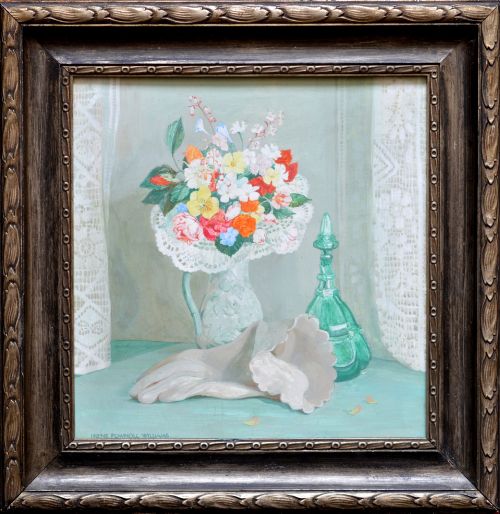
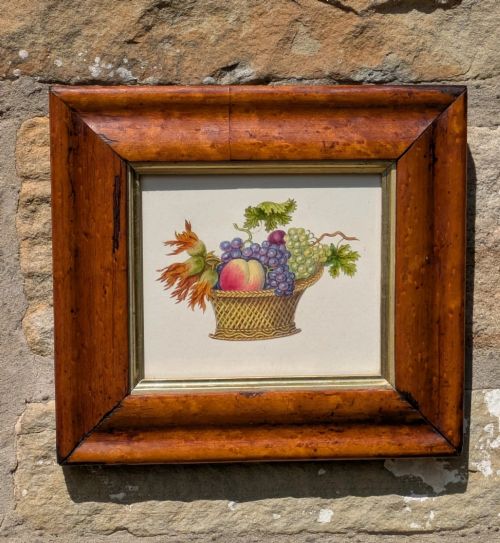
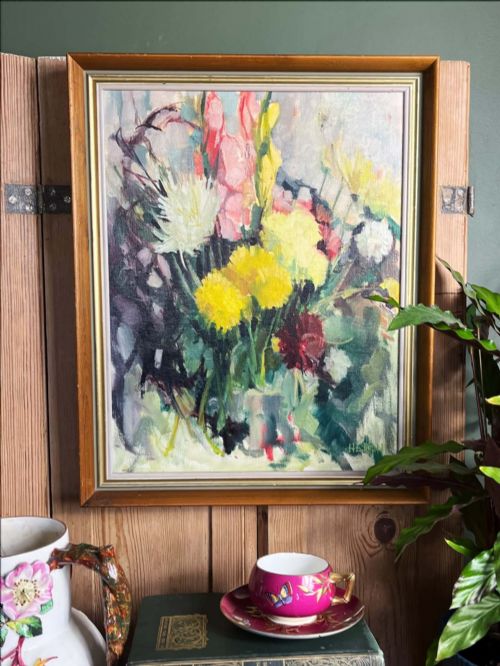
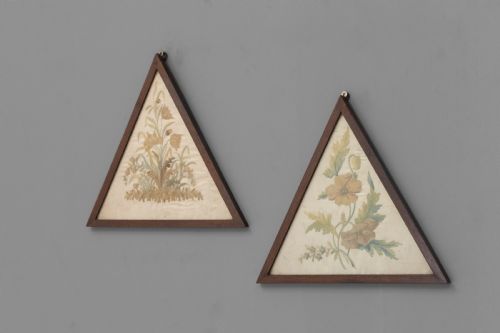
Wooden framed botanical art brings natural specimens and floral watercolours into interiors through period frames.
Wooden Framed Botanical Art
Wooden framed botanical art encompasses framed watercolours, tempera paintings, engravings, and embroidered panels capturing plants, flowers, and fruit.
The pieces span periods from the eighteenth century through the Regency, Victorian, Arts and Crafts, and mid-century eras, reflecting changing domestic tastes.
Buyers encounter framed prints, paintings on panel, and carved wooden panels rather than uniform mass-produced prints.
How they were made
Artisans and artists worked with paper, board, and wood panel, applying watercolour, tempera, or oil paint to depict botanical subjects.
Frames were constructed from wood such as pine and oak, frequently carved or gilded, and glazed with glass to protect the delicate paper or painted surfaces.
Wooden Framed Botanical Art Retail Price Guide 2026
Typical asking prices for wooden framed botanical art among the pieces listed under this phrase on Sellingantiques today, from the lower quarter to the upper quarter. They describe what is for sale here now, not the wider market.
Some herbarium specimens hide tiny painted insects amongst their pressed botanical leaves.
What varies in quality
Quality rests in the precision of the botanical rendering, whether in the fine detail of an engraving or the fluid brushwork of a watercolour painting.
The character of the wooden frame, from simple moulded designs to intricately carved pine and oak, significantly shapes the piece's overall presence.
Irene Christobelle Pownoll Williams·Stuart Armfield·John Curtis·Lilian Stannard
The Wooden Framed Botanical Art Glossary
- Tempera
- A permanent, fast-drying painting medium consisting of coloured pigment mixed with a water-binder.
- Engraving
- A printmaking process where an image is incised into a metal plate, capturing fine botanical lines.
- Overmantel
- A large mirror or decorative panel designed to be hung specifically above a fireplace mantelpiece.
Wooden Framed Botanical Art: Frequently Asked Questions
How do I hang heavy framed botanical art safely?
Heavier pieces, particularly those with carved oak or pine frames, require secure wall fixings suited to the weight of the wood and glass.
Using appropriate picture wire and wall anchors ensures the artwork remains stable and secure over time.
Where should I display botanical watercolours at home?
Botanical art suits spaces with indirect light to protect delicate watercolours and paper from fading over the years.
Placing them in hallways, studies, or living rooms allows the natural subjects to complement traditional and mid-century interiors.
How do I date a wooden picture frame?
Frame dating relies on the timber used, such as carved pine or oak, alongside the construction techniques and joinery visible on the reverse.
Period styles from Georgian moulding to Arts and Crafts carving provide clear stylistic markers.
What is the difference between an engraving and a watercolour?
Engravings are printed images produced from inked plates, often showing precise linear detail of plants and insects.
Watercolours are hand-painted unique works using pigment suspended in water, offering softer tones and visible brushwork.