




19th Century Folk Art Frame
These pieces combine domestic skill and vernacular vision, bringing the idiosyncratic charm of a 19th century folk art frame into modern interiors.
19th Century Folk Art Frame
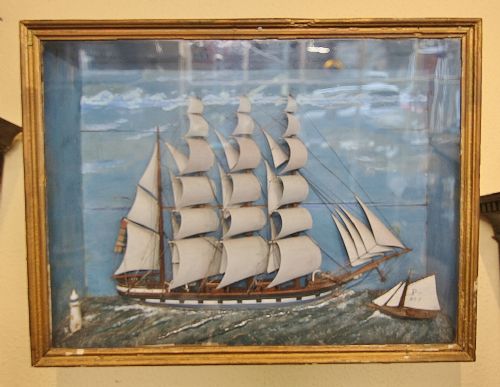
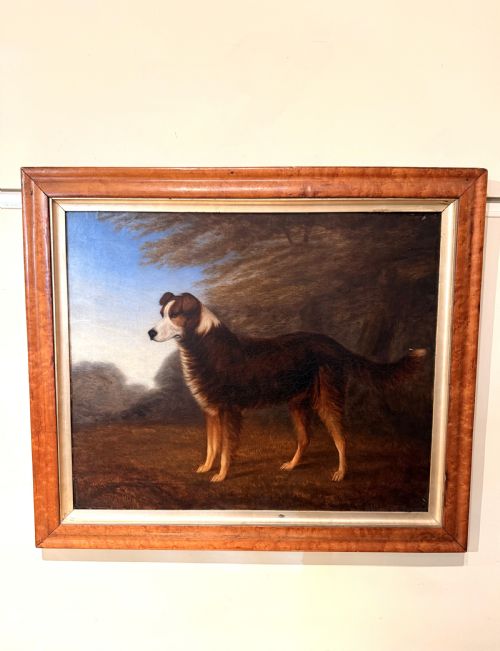
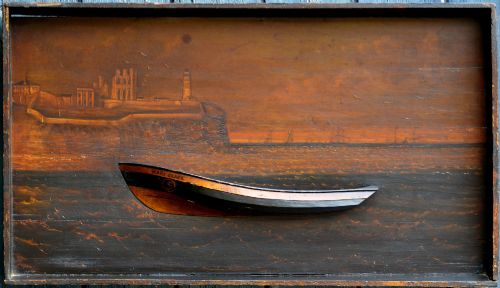
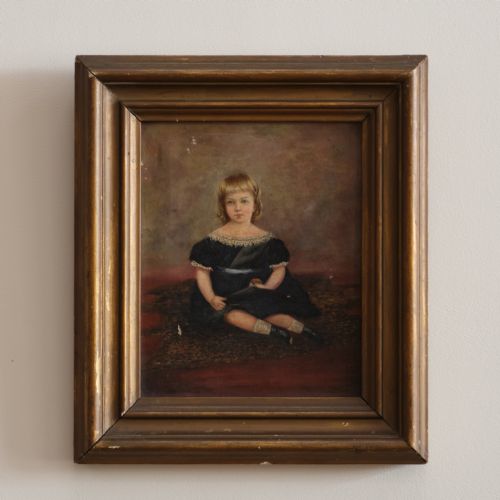
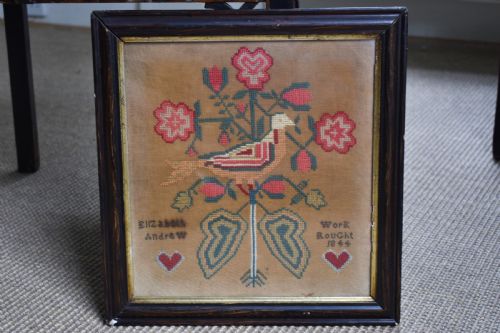
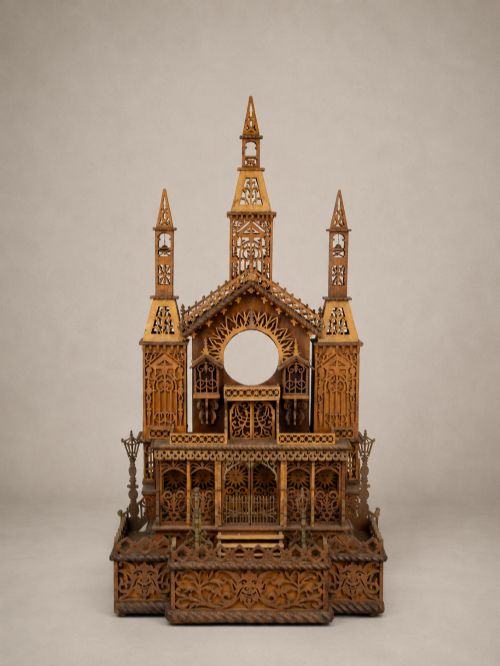
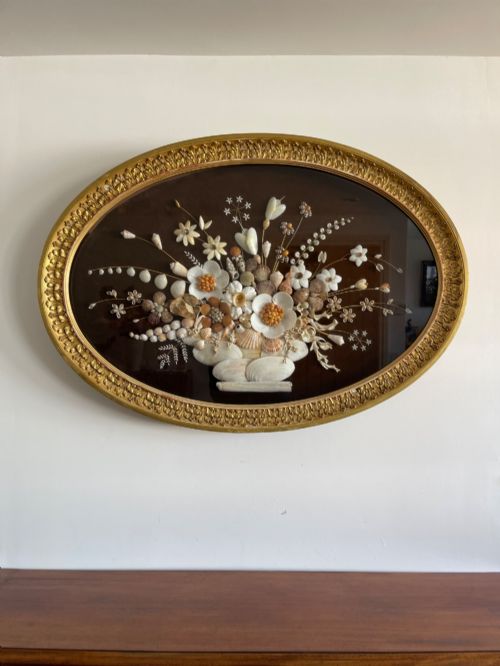
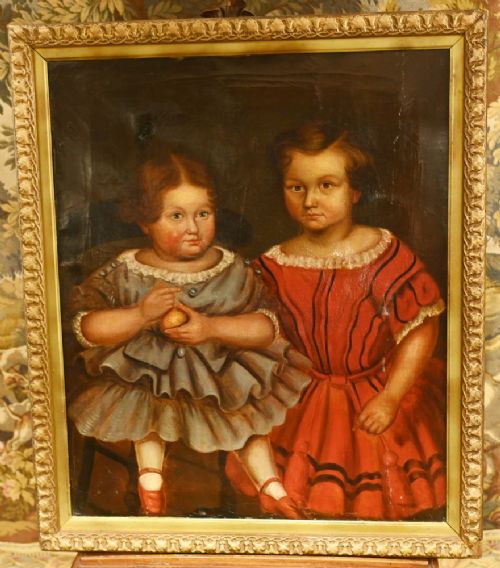
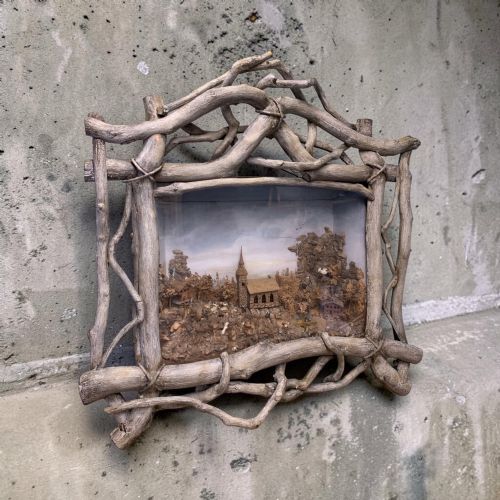
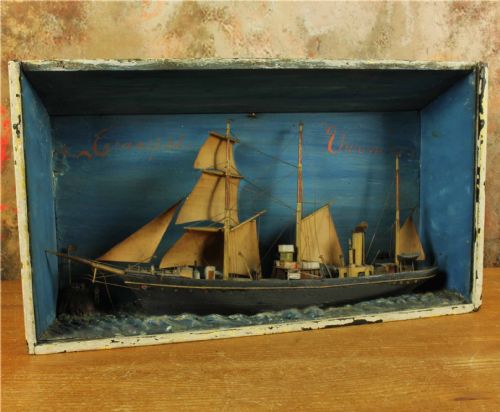
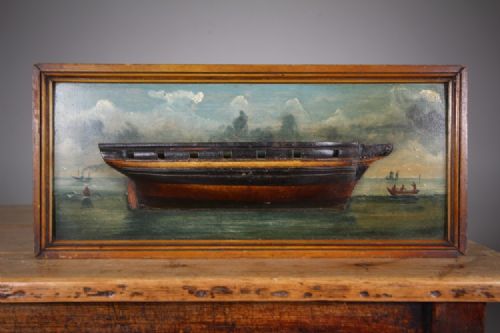
When hunting for a 19th century folk art frame, collectors encounter an eclectic mix of naive portraits, maritime dioramas, and textile pieces that reflect domestic handiwork from the Victorian era. The selection spans primitive oil paintings on canvas and board alongside intricate wool work samplers and shellwork pictures.
Most examples originate from British, American, and continental European traditions, capturing everyday rural scenes, gentlemen, children, and sailing ships. These objects carry a distinct lack of formal academic training, favouring direct expression and unconventional perspective over strict proportion.
Materials and construction
Makers utilised timber, glass, oil paint, canvas, and paper, often combining found materials with traditional artist supplies. Wood and gold leaf frequently formed the structural borders for paintings and needlework samplers.
Textile works incorporate wool, linen, and silk thread stitched by hand, while maritime dioramas employ cork, twigs, and straw to build three-dimensional scenes encased behind glass.
19th Century Folk Art Frame Retail Price Guide 2026
Typical asking prices for 19th century folk art frame among the pieces listed under this phrase on Sellingantiques today, from the lower quarter to the upper quarter. They describe what is for sale here now, not the wider market.
Listings feature oil paintings, textile art, and maritime dioramas spanning the nineteenth and early twentieth centuries.
Distinctions in execution and preservation
Quality rests upon the strength of the vernacular design and the confidence of the maker's hand, where naive charm balances against compositional stability. Pieces that retain their original handmade wooden borders or glazed shadow boxes hold greater visual coherence.
Condition plays a central role, distinguishing works with stable oil paint and clean linen from those suffering heavy pigment loss, foxing on paper, or replaced framing elements.
James Kyd·Ferruccio Vitale
The 19th Century Folk Art Frame Glossary
- Naive art
- Artwork produced by a self-taught artist lacking formal academic training, characterised by childlike perspective and direct emotional expression.
- Woolie
- A sailors embroidery created from coloured wool yarn, frequently depicting clipper ships and maritime scenes.
- Diorama
- A three-dimensional scenic representation enclosed within a box, often incorporating model boats made from cork, straw, and wood.
- Sampler
- A piece of needlework demonstrating various embroidery stitches and alphabets, typically worked by young girls in the nineteenth century.
19th Century Folk Art Frame: Frequently Asked Questions
What defines a folk art painting?
These paintings originate from self-taught creators working outside academic traditions, displaying flat perspectives and unpretentious subject matter.
Subjects typically include local portraits, farm animals, and domestic interiors created during the nineteenth century.
How do I care for antique woolies?
Keep textile embroideries out of direct sunlight to prevent the coloured wool yarns from fading over time.
Display them in stable indoor environments away from excessive moisture and secure them behind protective glass.
How are nineteenth century samplers dated?
Samplers often include stitched dates, maker names, or alphabets that provide direct clues to their exact period of origin.
Stylistic elements of the lettering and border designs further help confirm whether a piece belongs to the Regency or Victorian era.