





Wooden Frame Embroidery
Wooden frame embroidery brings domestic history to life through centuries of needlework preserved in period timber mounts.
Wooden Frame Embroidery
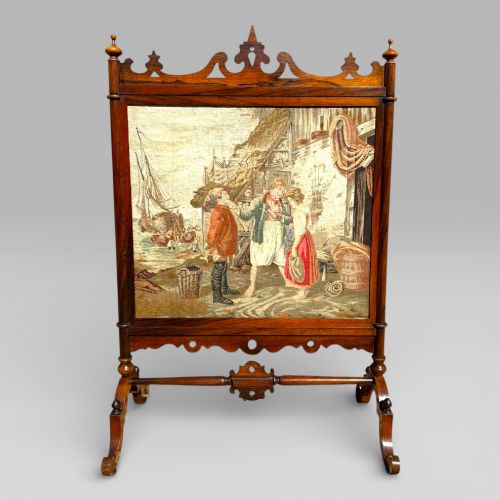
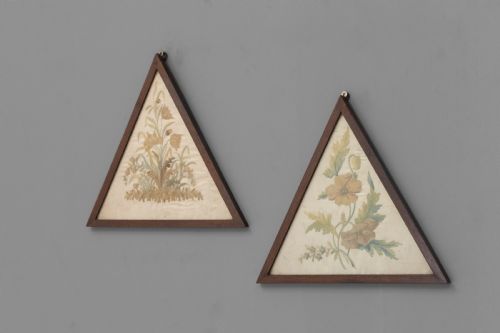
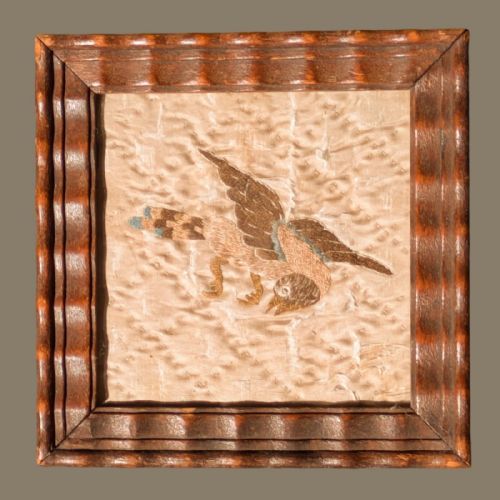
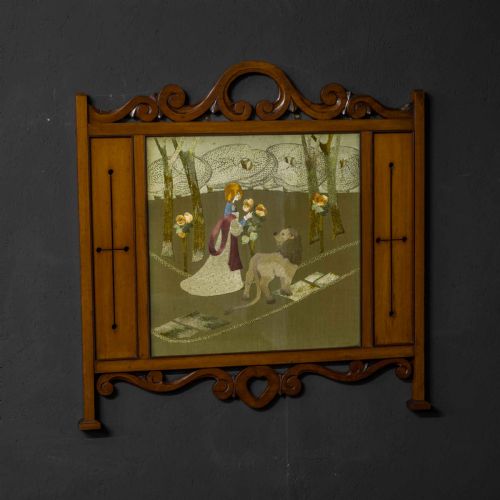
When you search for wooden frame embroidery, you encounter a diverse selection of historical textiles mounted within period timber surrounds. These pieces range from decorative wall art and samplers to functional fire screens and tapestry stretcher frames.
The examples on this page span several distinct eras, including Georgian, Regency, Victorian, and Edwardian periods. You will frequently find household samplers, floral needlework pictures, and maritime woolies preserved behind glass or stretched across wooden frames.
Origins vary from English country houses to Anglo-Indian workshops, reflecting domestic pastimes and maritime folk art traditions. Each object combines textile artistry with period cabinetmaking to create a complete decorative item.
Materials and construction methods
Makers utilised natural fibres such as wool, silk, linen, and canvas for the needlework panels, often working intricate gros point, petit point, or traditional embroidery stitches. Some exotic examples incorporate metallic silver and gold threads into the design.
The supporting frames showcase cabinet timbers including mahogany, rosewood, and other native woods suited to domestic furniture. Carpenters constructed these mounts as adjustable stretchers, cheval screens, or simple wall frames to protect and display the textile work.
Wooden Frame Embroidery Retail Price Guide 2026
Typical asking prices for wooden frame embroidery among the pieces listed under this phrase on Sellingantiques today, from the lower quarter to the upper quarter. They describe what is for sale here now, not the wider market.
Jane Wettmore stitched her needlework sampler in eighteen forty-seven, leaving a permanent record of her juvenile patience.
Quality and execution
The distinction between standard and exceptional pieces rests upon the precision of the needlework and the integrity of the timber frame. Finer examples display meticulous stitch density, sophisticated colour palettes, and well-balanced pictorial compositions.
Originality of the pairing between textile and frame elevates an item's standing. Pieces that retain their period mounts without alteration demonstrate greater historical cohesion.
The Wooden Frame Embroidery Glossary
- Sampler
- A piece of needlework produced as a demonstration or test of skill in various stitches. Samplers often record alphabets, dates, and the maker's name.
- Fire Screen
- A freestanding piece of furniture designed to shield a person's face from the heat of an open fire. Many utilise framed needlework panels as decorative inserts.
- Woolie
- A type of embroidery created by nineteenth-century sailors using coloured wool yarns. They typically depict naval ships and maritime scenes.
- Gros Point
- A coarse needlepoint stitch worked on canvas. It creates a durable, textured surface commonly used for pictorial panels and tapestries.
- Tapestry Frame
- A wooden woodworking device used to hold canvas taut while stitching. Surviving antique examples often retain their original stretching mechanisms.
Wooden Frame Embroidery: Frequently Asked Questions
How do I date wooden frame embroidery?
Dating relies on a combination of the textile materials, the stitching style, and the construction methods of the timber frame. Examining the type of wood and any inscribed dates or maker signatures helps narrow the period.
Changes in fashion and framing techniques across the Georgian, Victorian, and Edwardian eras also provide clear chronological markers for comparison.
Where were these textiles displayed historically?
Needlework panels and samplers typically hung in domestic parlours, drawing rooms, and hallways of period homes. Fire screens stood permanently before hearths when fires were unlit.
Framed pictures and wall hangings served to demonstrate domestic accomplishments and add colour to wood-panelled or wallpapered interiors.
How do I care for antique needlework?
Keep textile pieces away from direct sunlight to prevent fading of wool and silk threads. Maintain stable indoor humidity levels to protect both the fabric and the wooden frames.
Avoid hanging pieces in damp areas or areas subject to extreme temperature fluctuations to preserve the natural fibres.