
Wooden Footstool Seat
A wooden footstool seat brings character and modest utility to a room, offering tactile warmth through timber and upholstery.
Wooden Footstool Seat
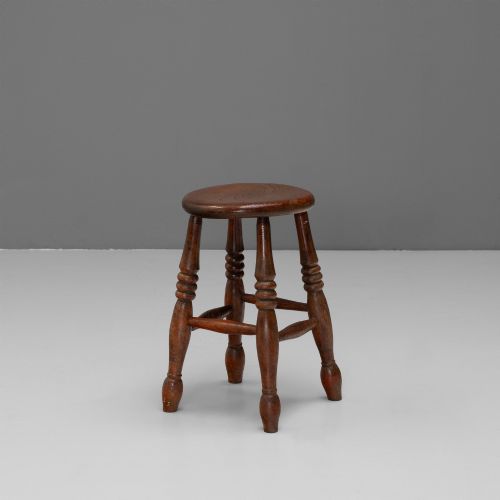
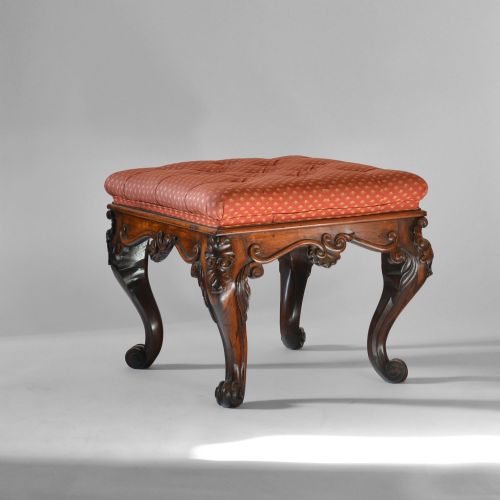
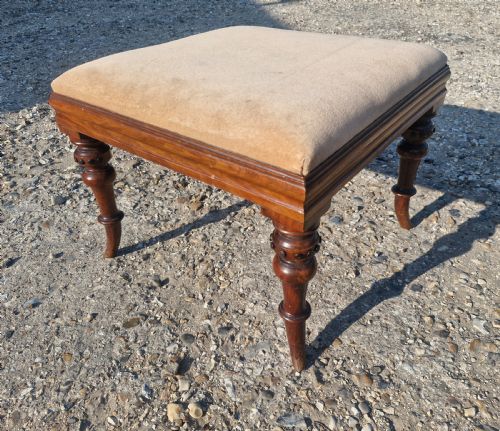
A wooden footstool seat is a low domestic seating form designed for resting feet or for impromptu sitting, spanning simple vernacular items to formal parlour furnishings. When searching for a wooden footstool seat, buyers encounter a diverse selection ranging from robust country joint stools to upholstered Victorian dressing table stools.
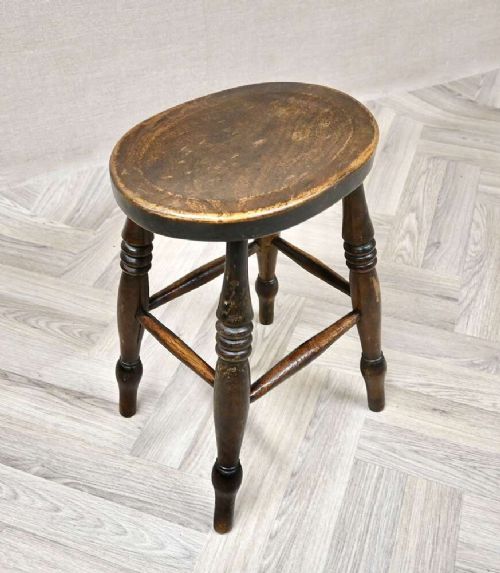
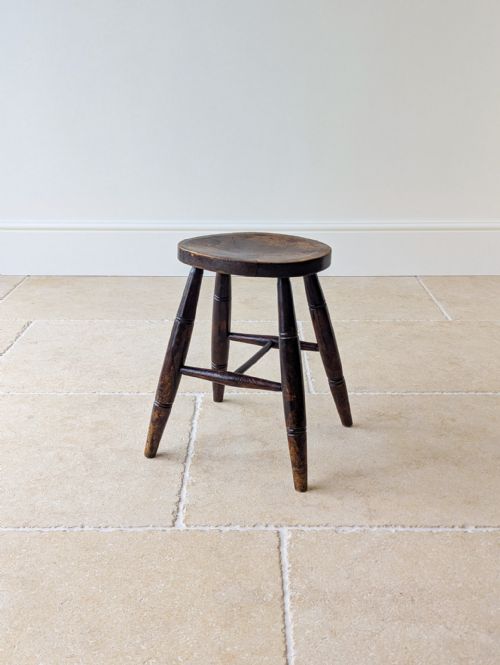
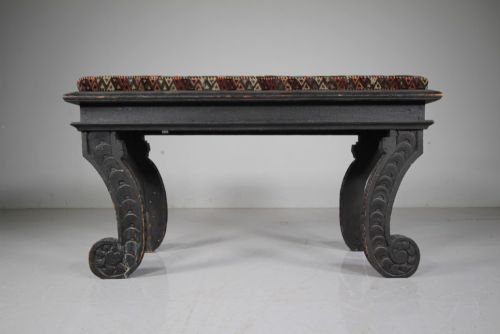
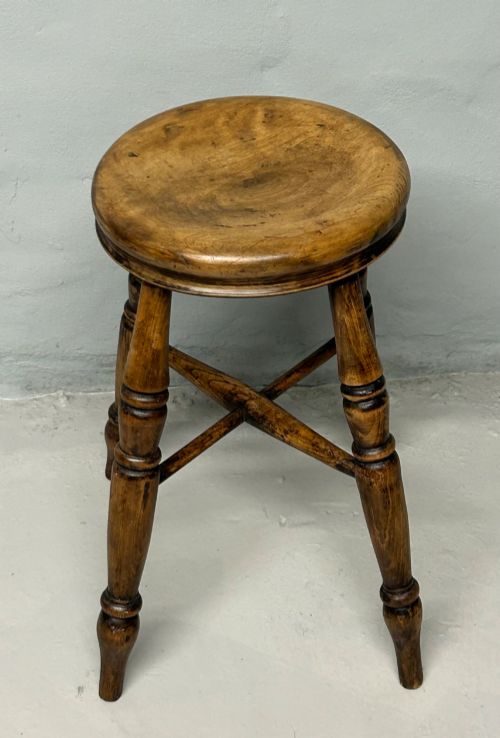
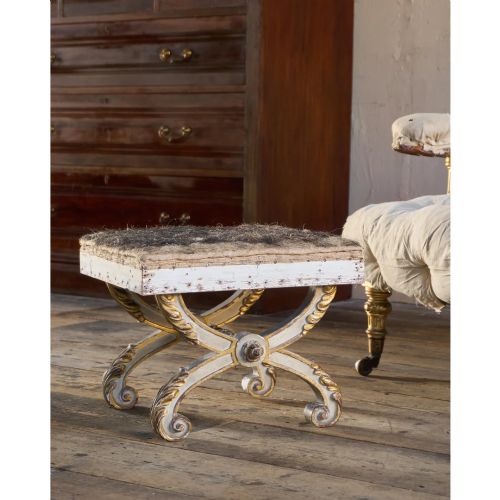
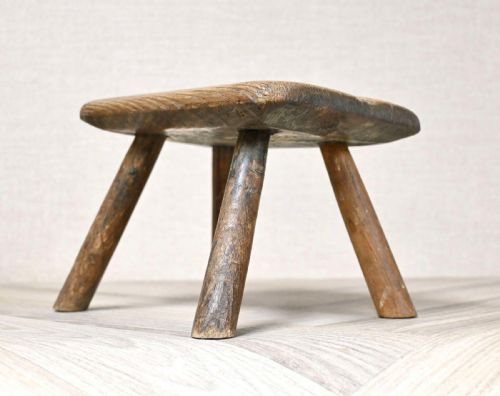
The pieces appearing on this page stretch across the eighteenth, nineteenth and twentieth centuries, taking forms such as oval seats, tavern stools, milking stools and X-frame footstools. Oak and mahogany appear alongside beech, elm and walnut, reflecting both provincial utility and refined drawing-room taste.
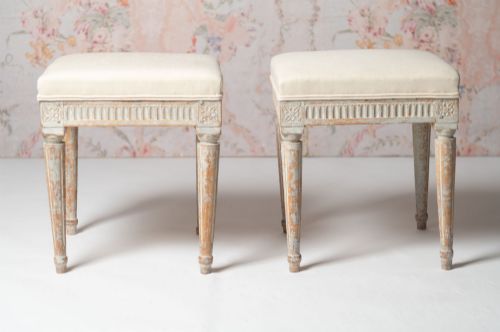
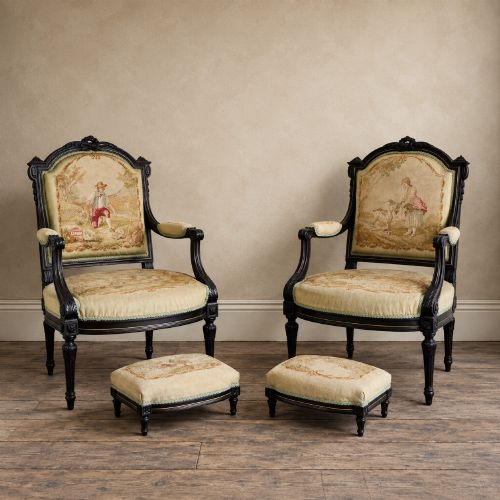
Regional vernacular examples sit alongside stylistic revivals like Queen Anne, Louis XVI and Gustavian forms. Buyers frequently find simple turned-leg designs alongside carved walnut or painted pine pieces that served specific domestic roles.
How they were made
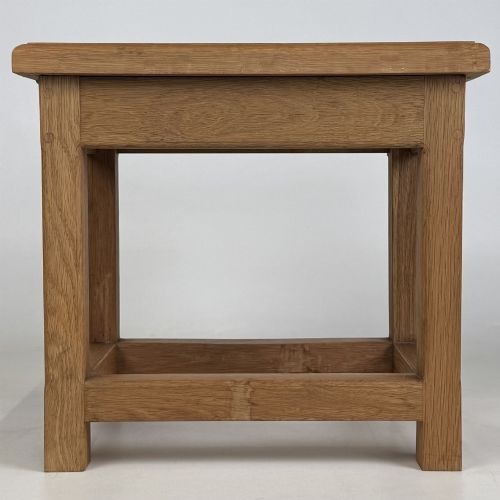
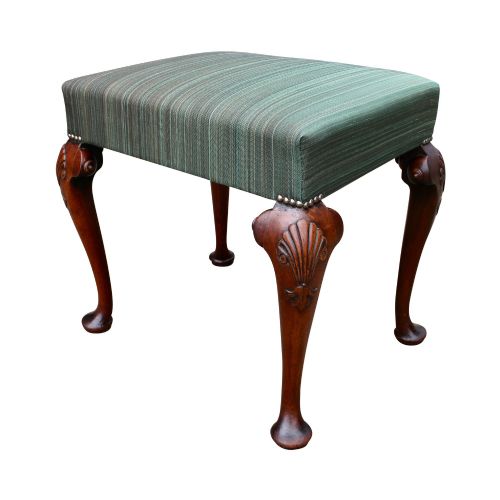
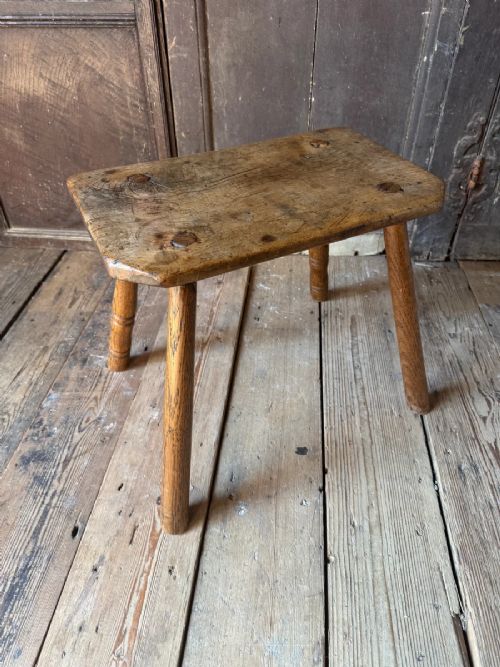
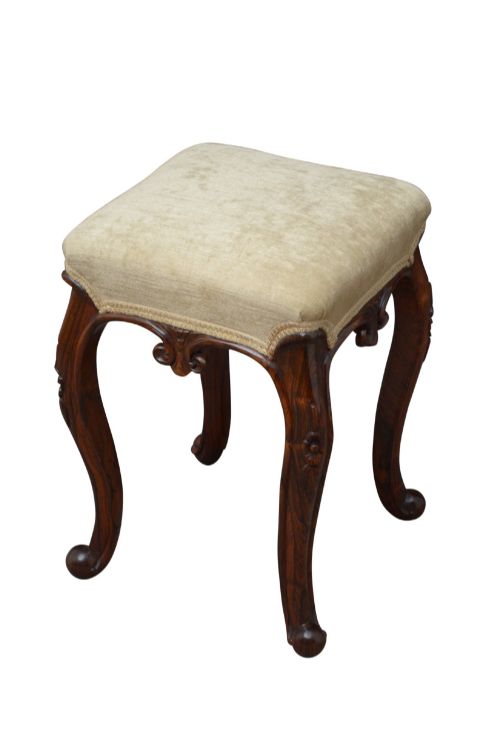
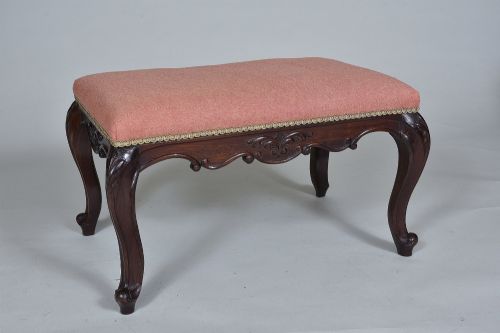
Joinery and turning form the structural backbone of these pieces, utilising traditional pegged mortise and tenon joints in oak and elm provincial examples. Cabinet makers employed mahogany, walnut and rosewood for more formal pieces, often incorporating shaped rails and cabriole legs.
Surface treatments vary widely from natural waxed grain and rich polished patination to original ochre, green or monochrome paint finishes. Upholstered variants combine webbing and stuffing with fabric, leather or cane panels inset into the timber frame.
Materials span native oak, elm, beech and pine alongside imported mahogany, walnut, rosewood and goncalo alves.
What varies in quality
The distinction between ordinary and superior pieces rests on the integrity of the timber, the crispness of the hand-carving and the retention of original surface finishes. Substantial stock, tight joinery and honest patination distinguish better examples from heavily restored or later alternatives.
Design sophistication also sets items apart, where well-proportioned cabriole legs, thoughtful turning and documented maker attribution elevate a simple utilitarian seat into a notable piece of furniture.
Miles & Edwards·Harry & Lou Epstein·Liberty & Co
The Wooden Footstool Seat Glossary
- Joint stool
- A sturdy wooden seat constructed with mortise and tenon joints pegged together rather than glued. These early domestic items often served multiple household purposes.
- Vernacular
- Everyday furniture built by local carpenters using regional woods and traditional methods rather than following high-style metropolitan patterns. These pieces prioritise practical function over academic ornament.
- Patina
- The surface sheen and colour acquired by wood and paint over decades of handling, exposure and polishing. A good surface shows the genuine passage of time.
- Cabriole leg
- A furniture leg that curves outward in a convex arc and then bends inward in a concave arc, ending in a pad or foot. This classical shape appears frequently on refined eighteenth and nineteenth century seating.
- Curule stool
- A cross-frame seat form derived from ancient Roman magistrate chairs. The intersecting legs create a dramatic X-shape profile.
Wooden Footstool Seat: Frequently Asked Questions
How were wooden footstool seats used historically?
These low seats served primarily for resting feet near hearths or in front of armchairs, keeping legs away from cold draughty floors. They also functioned as makeshift perches for children or domestic workers.
In more formal settings, dressing table stools provided a stable seat for grooming, while tavern and milking stools offered portable, robust seating in public houses and farmyards.
How do I care for antique wooden footstools?
Maintain the timber by applying traditional beeswax sparingly to nourish the grain and preserve the surface sheen. Avoid placing wooden seating near direct heat sources or in fluctuating humidity.
Protect upholstered or cane panels by keeping them out of direct sunlight and gently dusting carved wooden crevices with a soft brush.
How can I tell the difference between periods?
Early pieces from the eighteenth century typically display heavy oak or walnut construction with pegged joints and simple turned or plain legs. Nineteenth-century examples often introduce exotic woods like rosewood and goncalo alves, alongside carved cabriole legs and elaborate upholstery.
Twentieth-century items embrace Arts and Crafts simplicity, Art Deco geometry, or lighter beech frames with cane inserts.
What is a vernacular stool?
A vernacular stool is an unpretentious domestic seat made by local craftsmen using readily available regional timbers such as elm, sycamore, ash or pine. These pieces bypass formal academic design rules.
They rely on honest construction, sometimes retaining traces of original folk paint finishes like ochre or green.