



Wooden Floor Magazine Rack
These wooden floor magazine rack pieces bring period charm and practical storage to the room.
Wooden Floor Magazine Rack
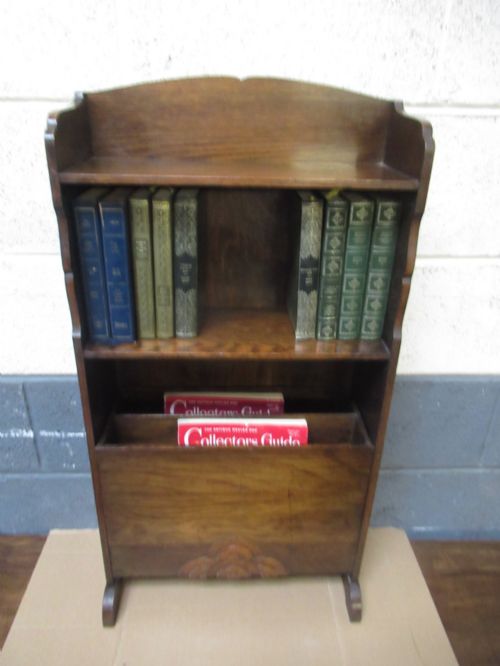
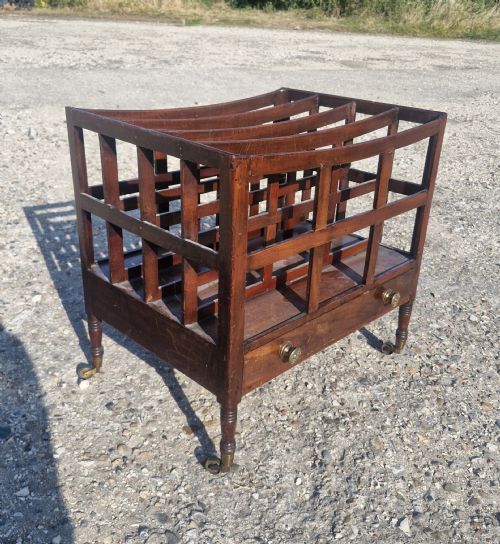
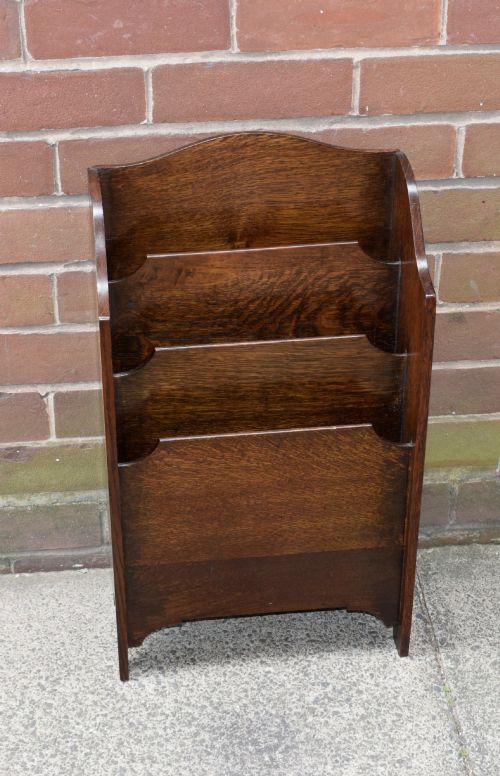
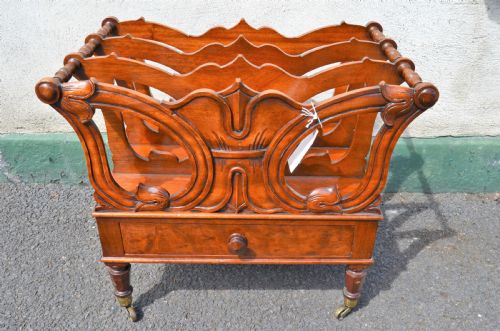
A wooden floor magazine rack takes several forms across the periods, appearing as traditional canterburys, folio stands, and dedicated racks. Pieces range from Victorian examples to mid-century modern designs.
Makers utilised various timber types such as mahogany, oak, and dark walnut for these items. Buyers frequently encounter nineteenth-century canterburys alongside later twentieth-century newspaper holders.
The selection includes specialised items like Black Forest portfolio stands and music stands adapted for domestic print storage. Each piece reflects the interior trends of its specific decade, from late Georgian to the nineteen-thirties.
Materials and construction methods
Carpenters built these items primarily in solid timber, selecting Cuban mahogany, light oak, and carved wood for durability and appearance. Grain patterns dictate the visual character of each individual frame.
Metal elements such as brass appear as structural details or hinges, complementing the wooden bodies. Carved decoration defines specific regional and period styles, notably within Black Forest and Arts and Crafts examples.
Wooden Floor Magazine Rack Retail Price Guide 2026
Typical asking prices for wooden floor magazine rack among the pieces listed under this phrase on Sellingantiques today, from the lower quarter to the upper quarter. They describe what is for sale here now, not the wider market.
Listings span from the nineteenth century through the nineteen-thirties, featuring mahogany, oak, and brass materials.
Assessing quality and craftsmanship
Quality rests upon the selection of timber and the execution of joinery, distinguishing heavy Cuban mahogany from lesser stock. Superior pieces exhibit crisp carving and thoughtful proportion.
The integrity of original brass fittings and the stability of dividers separate standard items from finer examples. Age-related patination on mahogany and oak surfaces adds depth to well-preserved pieces.
The Wooden Floor Magazine Rack Glossary
- Canterbury
- A low freestanding stand with partitions, originally designed for sheet music and later utilised for periodicals. This form dates back to the eighteenth century and remains a staple of period furniture.
- Folio stand
- An adjustable wooden frame intended to hold large prints, folios, or newspapers flat. These pieces often feature hinged supports and substantial timber feet.
- Cuban mahogany
- A dense, richly figured hardwood imported from the Caribbean, prized by cabinetmakers for nineteenth-century furniture. It patinates deeply over time.
- Black Forest carving
- Highly detailed woodwork originating from Switzerland and Germany, characterised by naturalistic motifs of animals and foliage. Items in this style often double as music or portfolio stands.
- Arts and Crafts
- A design movement emphasising handcraftsmanship and simple construction over mass production. Pieces from this tradition display honest construction and minimal ornamentation.
Wooden Floor Magazine Rack: Frequently Asked Questions
What is a canterbury?
A canterbury is a partitioned wooden stand traditionally used for holding music sheets, books, and periodicals off the floor.
They often feature carrying handles and small legs or castors for mobility around the living room.
How do I clean mahogany?
Maintenance requires dusting with a soft, dry cloth to protect the polished surface and natural timber grain.
Avoid chemical sprays and moisture to preserve the historical patina accumulated over the decades.
Are these stands sturdy?
Solid wood construction ensures stability for everyday storage of magazines, newspapers, and portfolios.
Heavier items utilise dense timbers like Cuban mahogany or oak to support heavy loads without tipping.
How do I date a rack?
Dating relies on stylistic clues, timber choice, and construction techniques characteristic of periods like the Victorian era or Edwardian times.
Comparing hardware, such as brass screws and hinges, also helps establish the era of manufacture.