





Vintage Wooden Canterbury
A vintage wooden canterbury is a compartmentalised stand designed to hold newspapers, sheets of music, and magazines, offering both functional storage and period elegance.
Vintage Wooden Canterbury
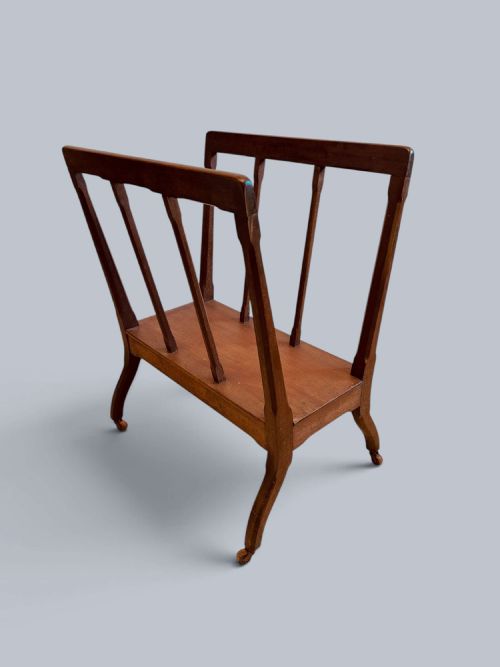
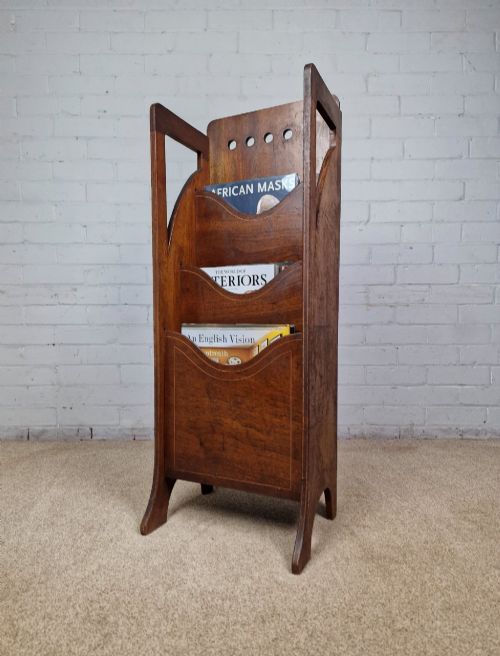
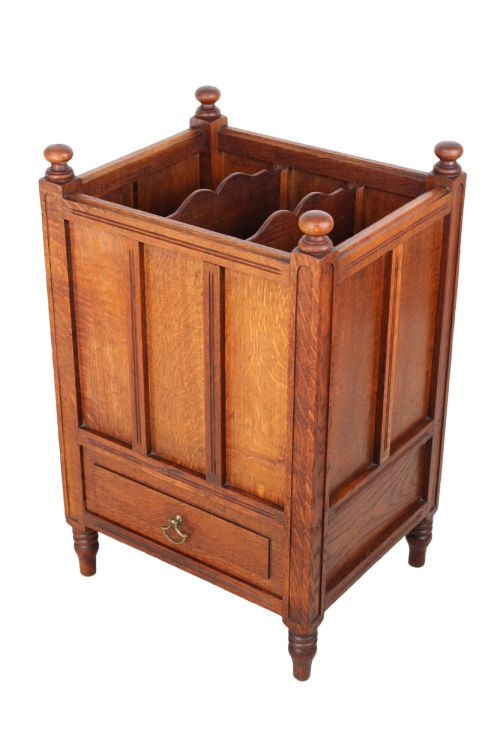
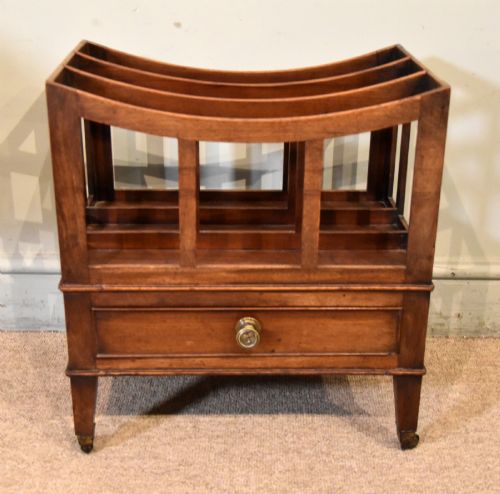
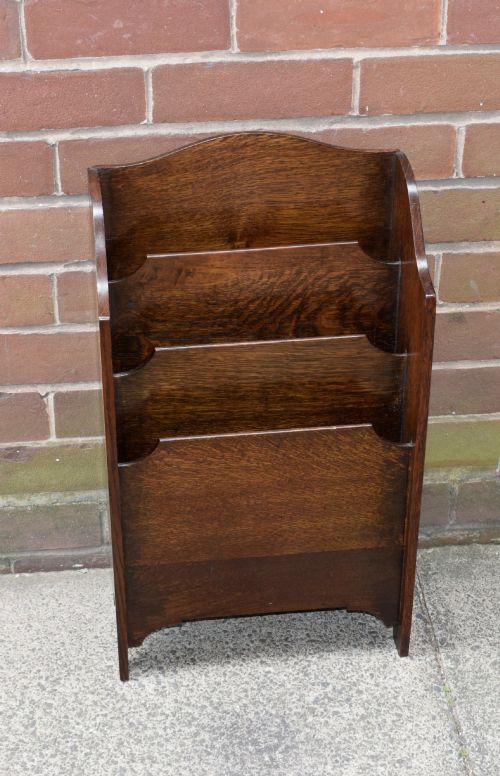
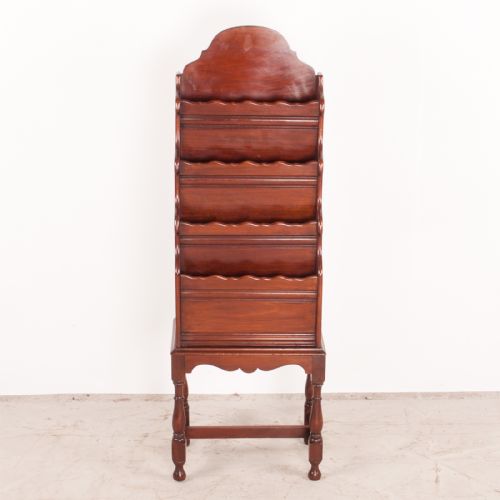
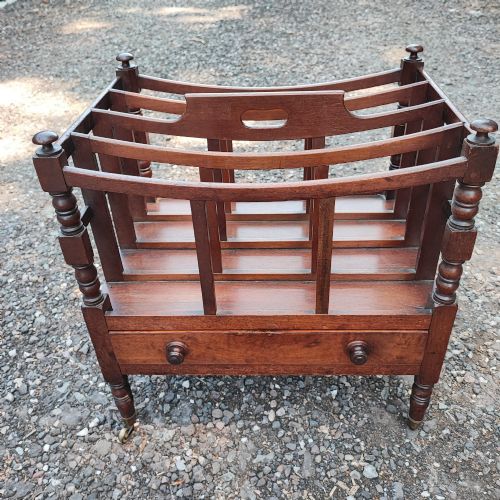
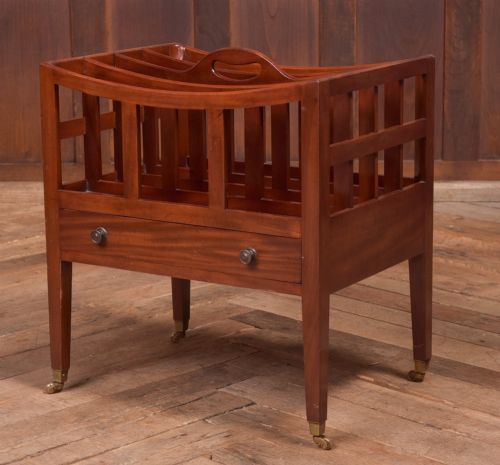
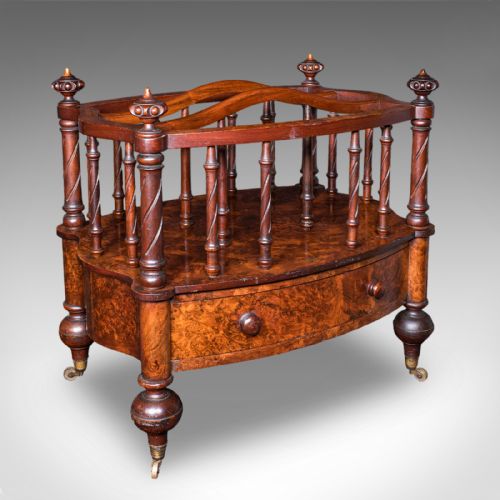
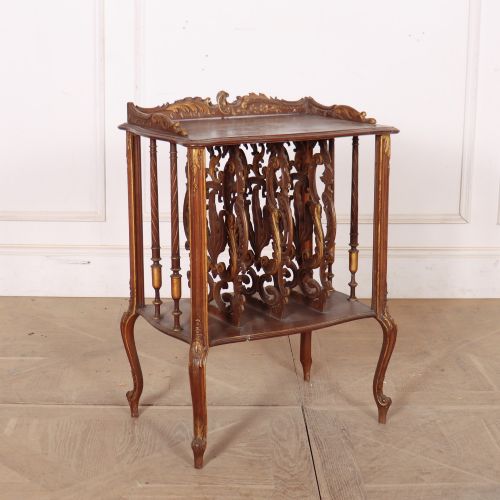
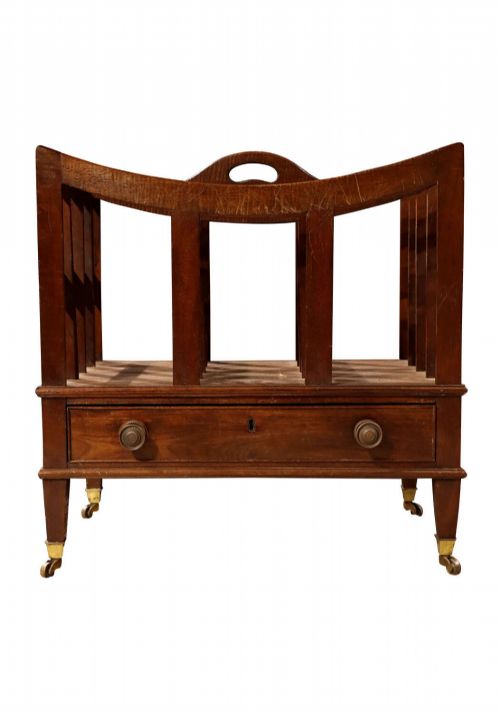
A vintage wooden canterbury serves as a compartmentalised rack primarily designed for newspapers, magazines, and sheet music. These pieces frequently appear in forms such as freestanding stands, magazine racks, and combination units featuring drawers or lower tiers.
Most examples found in this selection originate from the Georgian, Regency, Victorian, and Edwardian periods. Makers constructed these items to sit beside seating or within libraries and drawing rooms for accessible reading storage.
The typical version encountered on this page is a mahogany or walnut stand with multiple divisions for paper, often elevated on turned legs with castors. Variations include pieces with lower drawers or combined music cabinets.
Materials and Construction
Cabinet makers utilised dense hardwoods such as mahogany, rosewood, walnut, burr walnut, and oak to construct these sturdy stands. These timbers provided the structural strength needed for upright divisions and loaded compartments.
Details such as brass castors, ceramic elements, and delicate inlay work often complemented the main wooden structure. Joinery techniques varied from traditional framing to carved woodwork seen on specific styles.
Vintage Wooden Canterbury Retail Price Guide 2026
Typical asking prices for vintage wooden canterbury among the pieces listed under this phrase on Sellingantiques today, from the lower quarter to the upper quarter. They describe what is for sale here now, not the wider market.
Listings span several eras, featuring Georgian, Regency, Victorian, and Edwardian pieces constructed from mahogany, rosewood, walnut, and oak.
Distinctions in Quality
The grade of timber selected for the body and top surfaces sets apart finer examples, particularly where figured walnut or Cuban mahogany is present. Grain matching and rich natural patination indicate higher craftsmanship.
Refinement in turning on the legs, the integration of dovetailed drawers, and the inclusion of original brass hardware elevate the status of a piece. Simpler country house versions contrast with formally styled pieces from the Regency and Georgian eras.
The Vintage Wooden Canterbury Glossary
- Marquetry
- Decorative inlay work using various coloured wood veneers to create intricate patterns on surfaces. This technique appears on specific Victorian examples.
- Whatnot
- A set of open shelves supported by slender pillars, sometimes combined with a canterbury base. It provides tiered display space alongside paper storage.
- Division
- An internal partition creating separate vertical slots within the rack to keep items upright. These dividers define the functional layout of the stand.
Vintage Wooden Canterbury: Frequently Asked Questions
What is a wooden canterbury used for?
A wooden canterbury functions primarily as a designated holder for newspapers, periodicals, and sheet music. Owners placed them near desks or seating areas to keep reading materials organised and close at hand.
Over time, their role adapted to changing domestic habits, shifting from holding scores in music rooms to storing contemporary magazines in living spaces.
How do I date a vintage canterbury?
Dating relies on observing the prevailing wood choice, leg turning style, and overall proportions of the piece. Regency and Georgian examples tend to display leaner lines and specific classical turnings, while Victorian versions often utilise burr walnut and heavier ornamentation.
Edwardian pieces frequently incorporate simpler oak frames or functional cabinet combinations with drawers below the main rack.
Are these stands sturdy enough for daily use?
These items were built from solid hardwoods like mahogany and oak to support the weight of stacked paper and books. Their construction is inherently robust, designed to withstand routine placement and retrieval of reading materials.
Fitted castors on many examples also allow them to be repositioned safely across rooms without straining the wooden joints.
What woods were used for these pieces?
Maker materials predominantly include mahogany, rosewood, walnut, and oak, reflecting the dominant cabinet woods of their respective periods. Burr walnut and figured variations appear on more decorative mid-nineteenth-century examples.
Satinwood and fruitwood also occur occasionally as primary timbers or decorative veneer accents within specific regional workshops.