




Wooden Entryway Table
A wooden entryway table sets the tone for a home, offering a functional surface in forms ranging from console tables to hall stands.
Wooden Entryway Table
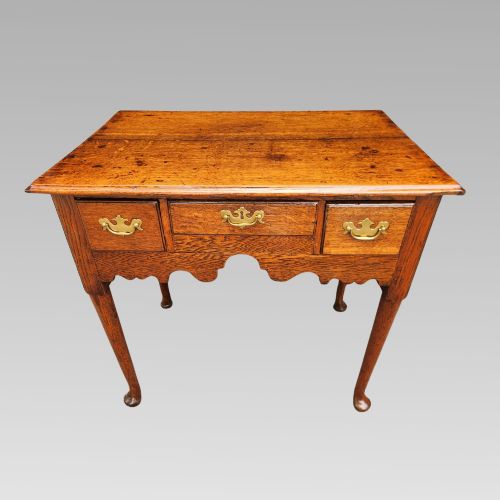
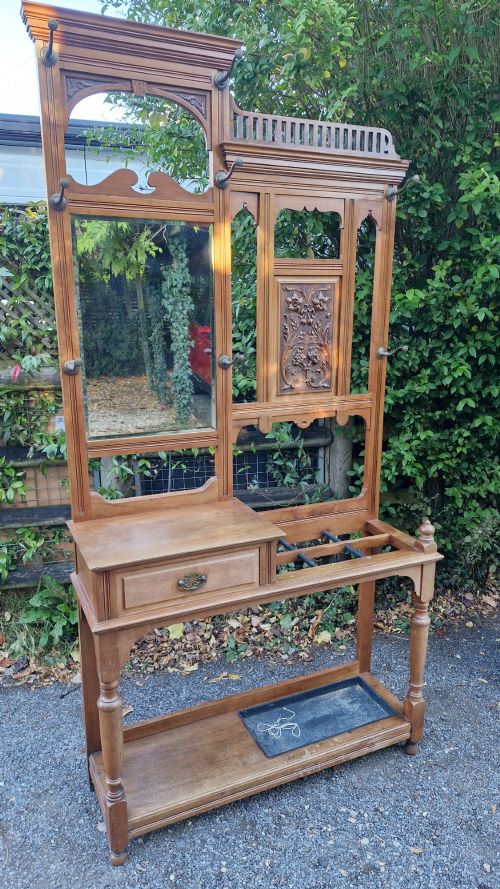
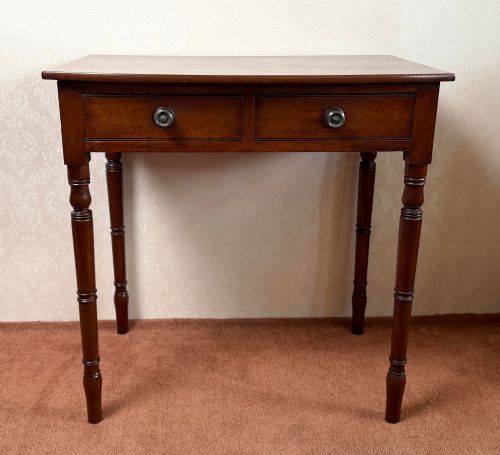
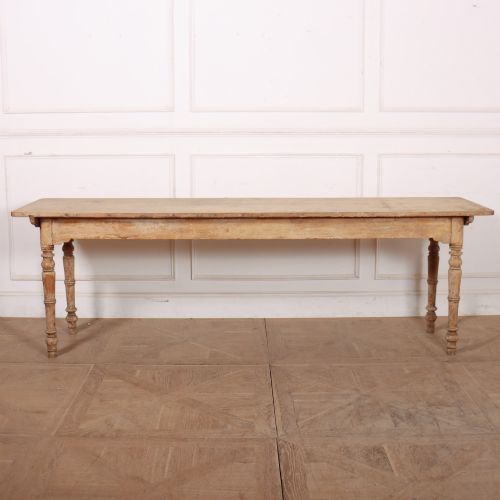
A wooden entryway table appears across numerous historic periods, spanning 18th Century, Georgian, Victorian, Edwardian, and later 19th Century and early 20th Century eras. The selections here encompass console tables, side tables, hall tables, cabinets, hall stands, and trestle tables designed to fit narrow spaces.
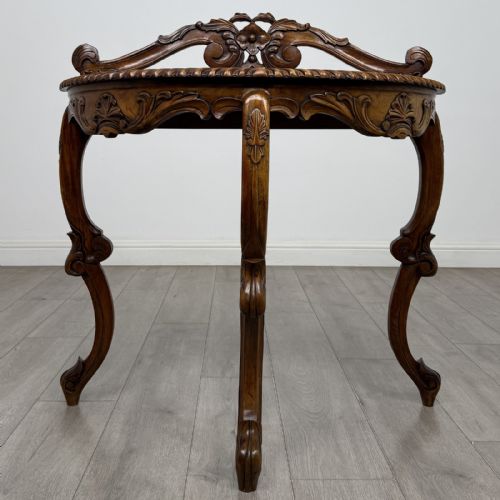
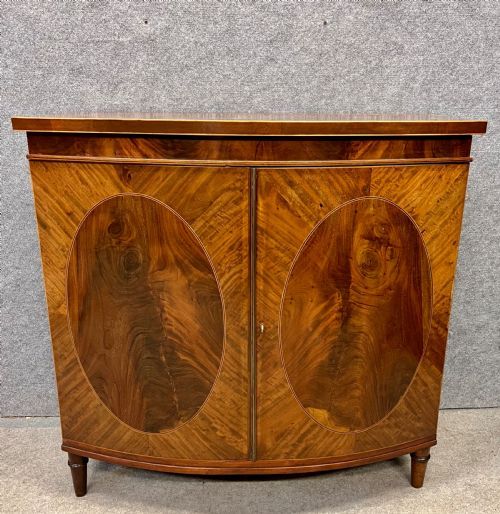
Most pieces encountered on this page rely on classic formats like the demi-lune, bow front, or serpentine shapes. These forms allow the furniture to sit flush against a wall while providing a practical surface for everyday use.
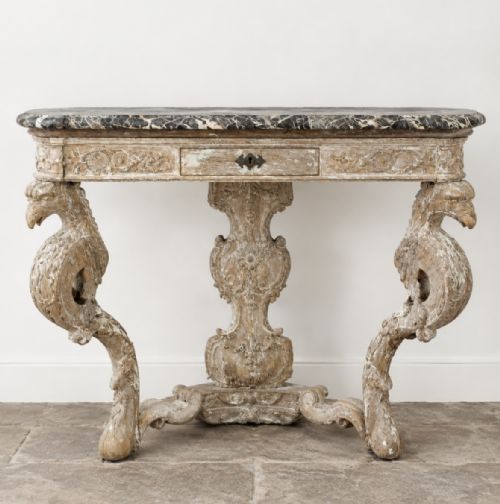
Origins and styles vary widely, moving from English mahogany and oak pieces to French painted items, Italian painted tables, and carved Burmese or neoclassical designs. Each style reflects the distinct interior aesthetic of its period, from the restrained lines of Georgian furniture to the ornate details of French Rococo.
Materials and construction
Timbers dominate the construction of these tables, with mahogany, oak, walnut, pine, sycamore, and elm forming the primary structures. Makers selected specific woods for their grain patterns, utilising flame mahogany, burr birch, and burr walnut for decorative impact.
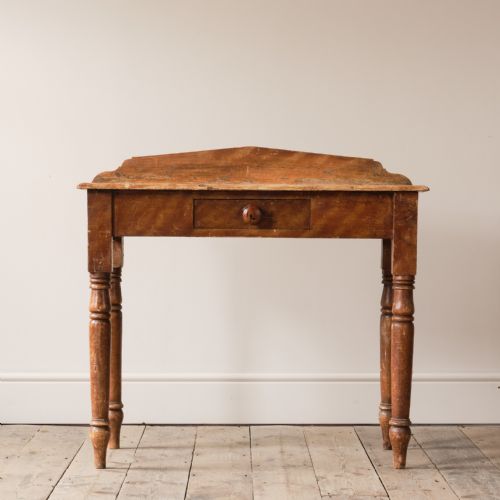
Surface treatments introduce significant variety, ranging from polished wood finishes to original paint, parcel gilding, and bleached oak. Additional elements like marble tops and brass hardware appear on specific console and serving tables to provide durability and contrast.
Wooden Entryway Table Retail Price Guide 2026
Typical asking prices for wooden entryway table among the pieces listed under this phrase on Sellingantiques today, from the lower quarter to the upper quarter. They describe what is for sale here now, not the wider market.
Listings feature woods such as mahogany, oak, walnut, pine, and marble across 18th Century, Victorian, Edwardian, and 19th Century periods.
Judging quality in historic tables
Quality rests upon the selection of timber and the execution of decorative elements such as carved details, inlay work, and mirror backs. Pieces featuring finely figured veneers like flame mahogany or burr walnut display a higher grade of craftsmanship than plain variants.
The integrity of the construction, including original paint surfaces versus later repainting, dictates the character of painted and scrubbed tables. Superior examples retain their original structural harmony and surface patination without unnecessary alterations.
The Wooden Entryway Table Glossary
- Console table
- A table designed to be fixed against a wall, often supported by brackets or legs at the front. These tables typically feature shallow depths suited for hallways and entryways.
- Demi-lune
- A half-moon shape characteristic of many historic side and console tables. This geometry allows the furniture to occupy minimal floor space.
- Bow front
- A convex curved front section on a cabinet or table. This shaping softens the rectangular silhouette of the furniture.
- Serpentine
- A wave-like curved front featuring alternating convex and concave lines. This intricate shaping requires skilled woodworking.
- Parcel gilt
- Partially gilded decoration applied to carved wooden details or mouldings. It highlights specific ornamentation against a painted or polished wood background.
Wooden Entryway Table: Frequently Asked Questions
Where should I place a console table?
A console table fits naturally in a hallway, entryway, or against a blank living room wall where floor space is limited. Its shallow depth ensures it remains out of the main pathway while offering a display surface.
Pairs of console tables also work effectively flanking a doorway or framing a large mirror, creating a balanced focal point in a reception space.
How do I care for antique wood?
Historic wood surfaces benefit from regular dusting with a dry, soft cloth to prevent particulate accumulation. Avoid placing tables in direct sunlight or near heat sources to protect the timber and veneer.
Periodic application of appropriate wax maintains the lustre of polished mahogany, oak, and walnut without building up heavy residues.
What is the difference between a hall table and a console table?
Hall tables often serve a utilitarian purpose in entrance areas, sometimes incorporating drawers for small items or pairing with matching mirrors and umbrella stands. They prioritise practical storage alongside surface space.
Console tables historically rely on wall attachment or specific leg configurations for support, frequently focusing on decorative impact with marble tops or intricate carvings.
How do I identify the period of a wooden table?
Dating relies on observing construction techniques, timber choices, and stylistic markers associated with specific eras like the Georgian, Victorian, or Edwardian periods. Details such as carved mahogany motifs or painted finishes point to particular design movements.
Comparing the proportions, hardware, and secondary woods provides further evidence of when a piece was constructed.