

Wooden Drinks Cupboard
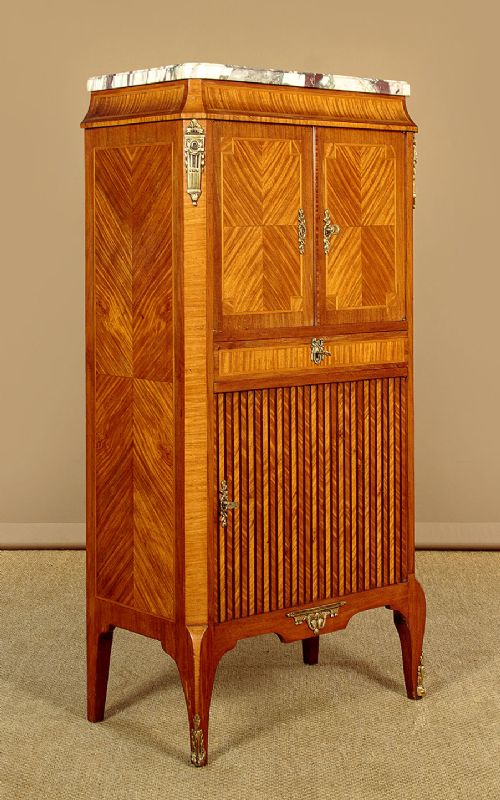
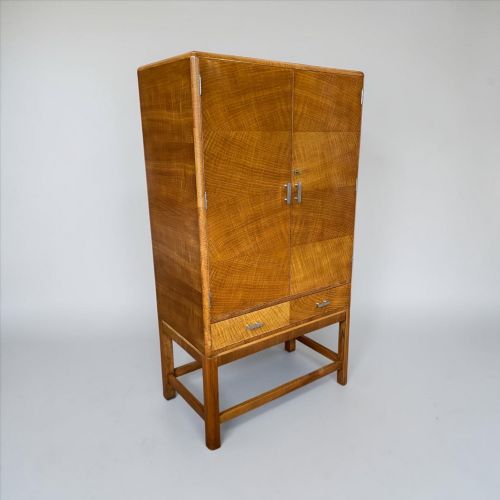
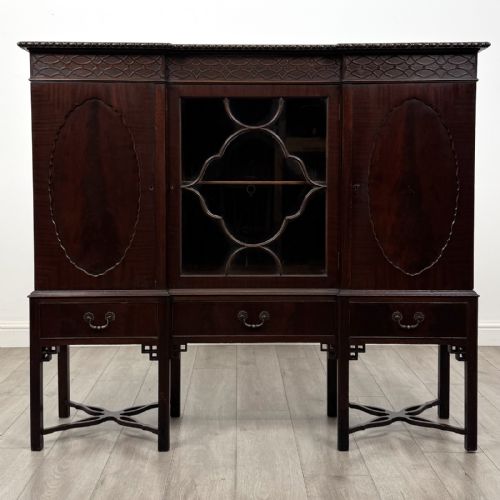
A wooden drinks cupboard organises spirits and glassware with period presence, spanning formal Regency mahogany to figured Art Deco walnut.
Wooden Drinks Cupboard
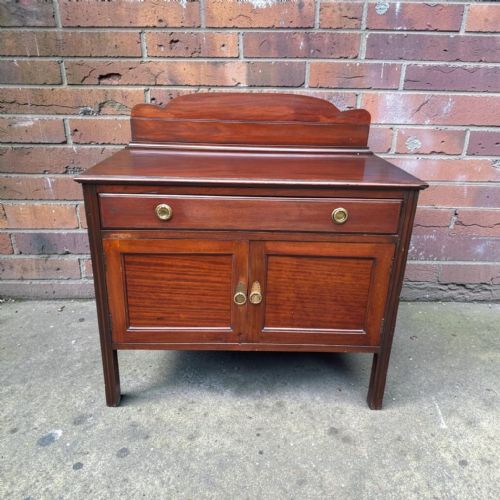
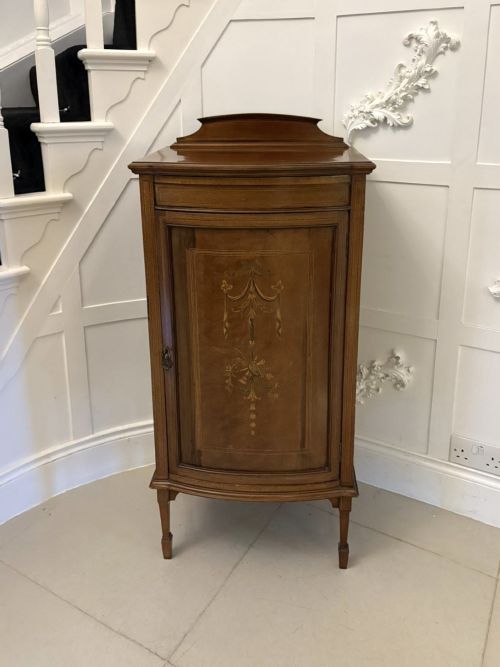
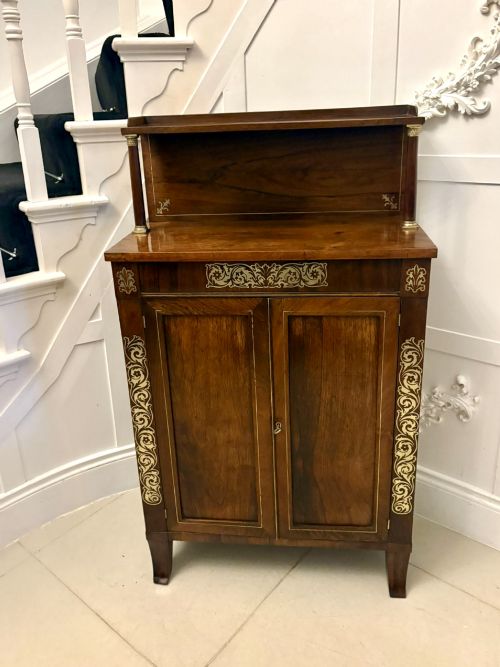
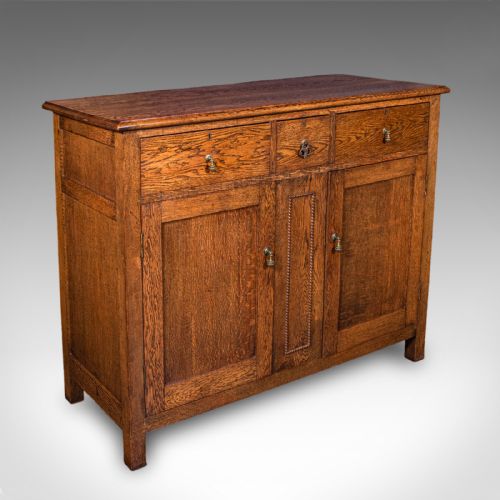
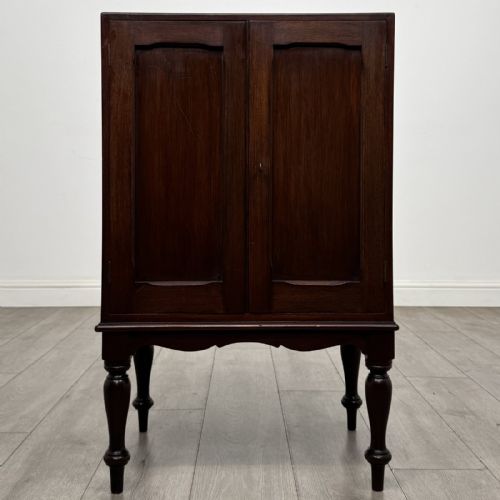
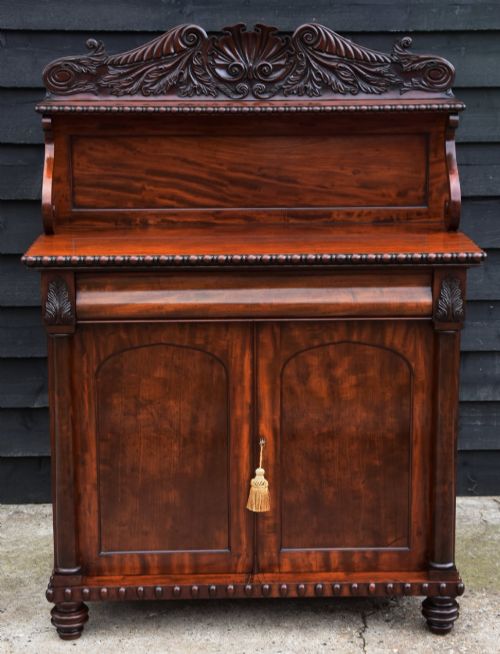
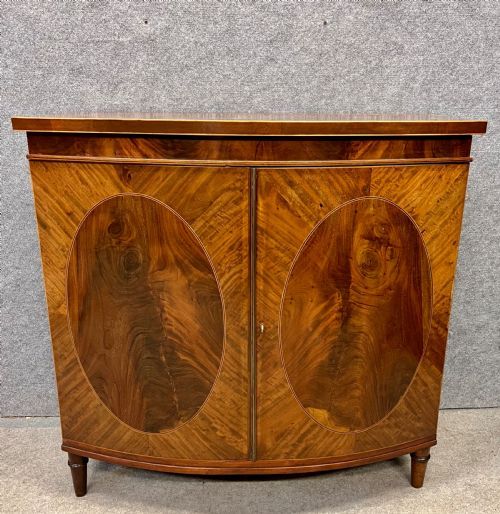
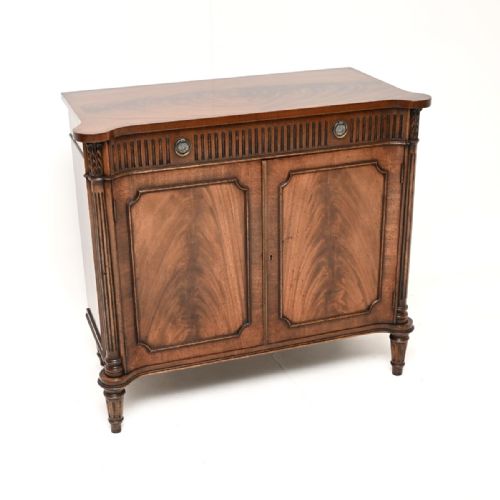
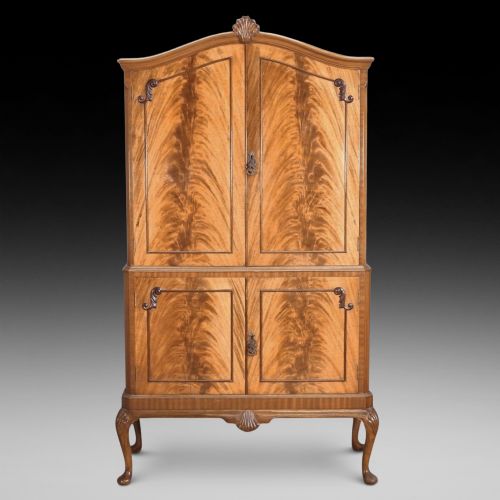
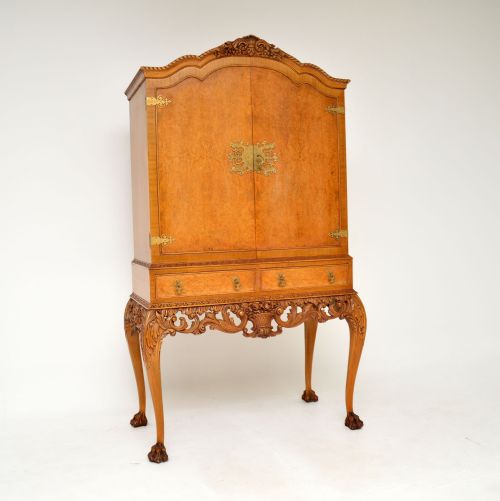
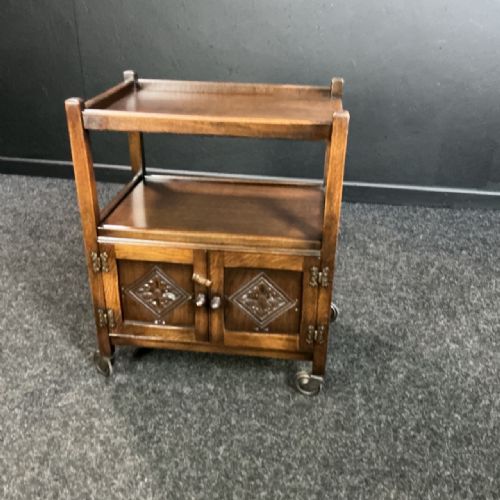
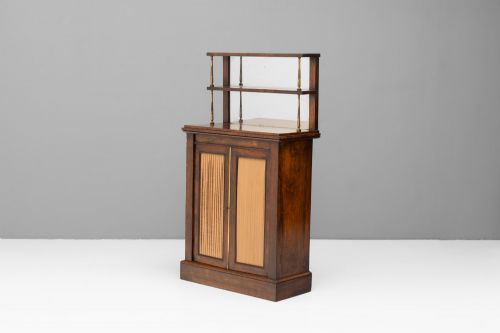
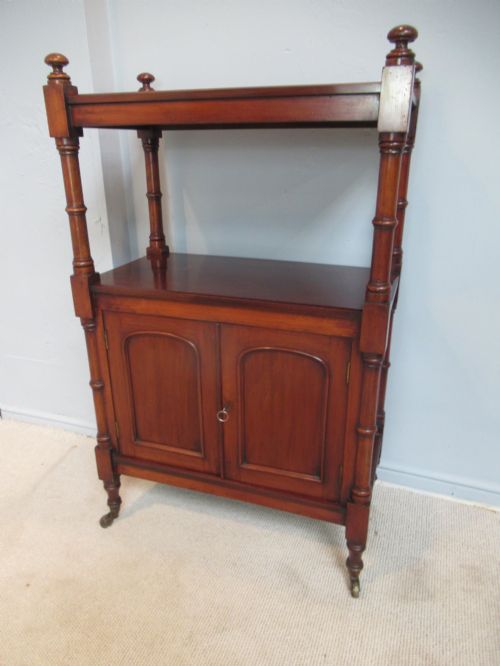
A wooden drinks cupboard encompasses utilitarian side cabinets, chiffoniers, tea trolleys, and dedicated cocktail cabinets adapted for storing bottles and glassware. When you search for a wooden drinks cupboard, you encounter forms ranging from 19th-century mahogany chiffoniers to 1930s burr walnut cocktail cabinets fitted with specialised interiors.
The pieces on this page draw from diverse periods including Regency, Victorian, Edwardian, and 1930s Art Deco. Side cabinets and chiffoniers originally built for general dining room storage frequently serve this entertaining function today alongside dedicated cocktail pieces.
Makers such as Whytock & Reid of Edinburgh and Waring & Gillows appear among the listings, alongside revival styles like Queen Anne and Jacobean. These pieces combine practical storage with decorative presence across timber varieties.
How they were made
Cabinet makers utilised solid timbers and decorative veneers over secondary woods, relying on mahogany, walnut, burr walnut, satinwood, and flame mahogany veneer. Surfaces often display crossbanding, marquetry inlay, or brass mounts that define the decorative scheme of each period.
Construction methods range from traditional hand-dovetailed drawer boxes and turned baluster legs on 19th-century pieces to streamlined carcasses on 1930s Art Deco cabinets. Brass hardware, including handles, hinges, and binding, secures structural joints and punctuates the timber grain.
Wooden Drinks Cupboard Retail Price Guide 2026
Typical asking prices for wooden drinks cupboard among the pieces listed under this phrase on Sellingantiques today, from the lower quarter to the upper quarter. They describe what is for sale here now, not the wider market.
Several 1930s cocktail cabinets whisper of clandestine jazz-age parties behind polite Edwardian veneered facades.
What varies in quality
Quality rests in the selection of timber figures, such as symmetrical flame mahogany or richly patterned burr walnut veneers, which distinguish ordinary production from finer commissions. The crispness of marquetry inlay and the integration of crossbanding reveal the hand of a skilled cabinet maker.
Internal fitting and hardware execution separate standard side cabinets from important pieces. Dedicated cocktail cabinets with fitted, mirrored, or light-equipped interiors demonstrate advanced joinery and thoughtful design tailored for hospitality.
Whytock & Reid of Edinburgh·Waring & Gillows
The Wooden Drinks Cupboard Glossary
- Chiffonier
- A low sideboard or cabinet featuring shelves or a raised back, commonly utilised for serving and storage during the Victorian and Regency periods.
- Crossbanding
- A decorative border of veneer laid with the grain running perpendicular to the surrounding surface, framing panels on cabinet doors and tops.
- Marquetry
- Elaborate patterns formed by fitting together contrasting veneers of wood or other materials to create pictorial or geometric designs on furniture surfaces.
- Serpentine
- A curved furniture front or edge that undulates inward in the centre and outward at the ends, requiring precise woodworking skill.
- Flame mahogany
- Timber veneer cut from the branch junction of a mahogany tree, displaying a dramatic, feather-like flame figure prized in Regency furniture.
Wooden Drinks Cupboard: Frequently Asked Questions
How do I date a wooden drinks cupboard?
Dating relies on identifying period characteristics in the timber, hardware, and construction style. Regency and Victorian pieces often show flame mahogany, hand-turned legs, and simple cupboard doors.
Later 1930s cocktail cabinets typically feature burr walnut veneers, streamlined silhouettes, and specialised internal fittings for glassware. Maker labels and specific revival styles like Queen Anne or Art Deco also indicate the period.
Were these always used for drinks?
Many older pieces on this market were originally built as general side cabinets, chiffoniers, or serving tables for dining rooms. Their proportions, internal shelving, and cupboard space make them naturally suited for conversion to drinks storage.
Purpose-built cocktail cabinets specifically designed for mixing drinks emerged prominently in the 1930s. These dedicated pieces often include specialised internal racks, pull-out mixing slides, and mirrored compartments.
How do I style a drinks cupboard in a modern home?
A wooden drinks cupboard serves as a focal point in a living room, dining area, or hallway. Its surface can display decorative barware, lamps, or trays, while the internal cabinet keeps bottles neatly organised.
Pairing a vintage mahogany or burr walnut piece with contemporary seating creates a striking contrast. The enclosed storage keeps clutter hidden while offering immediate access when entertaining guests.