

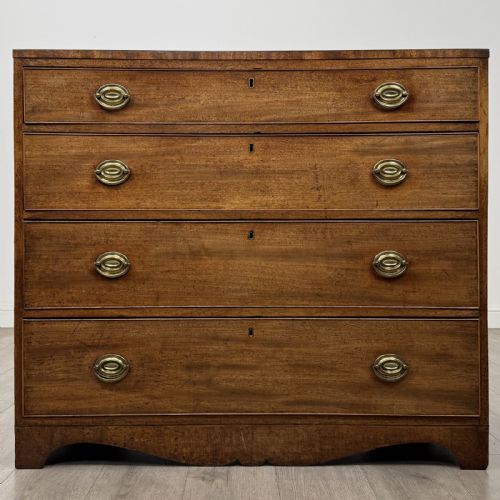
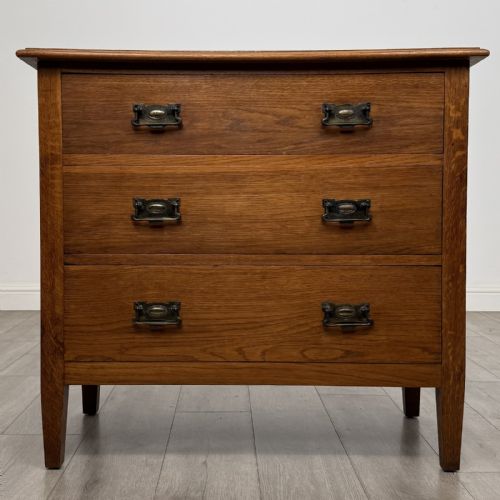
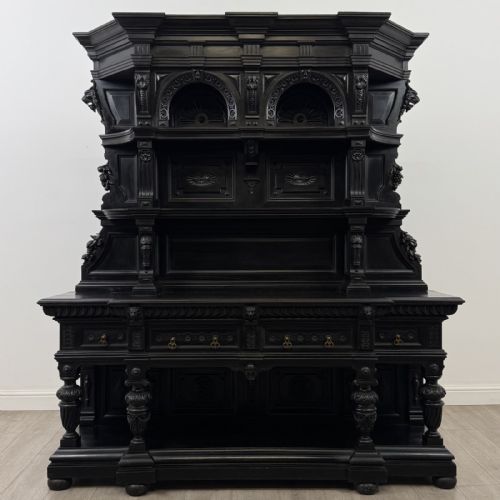
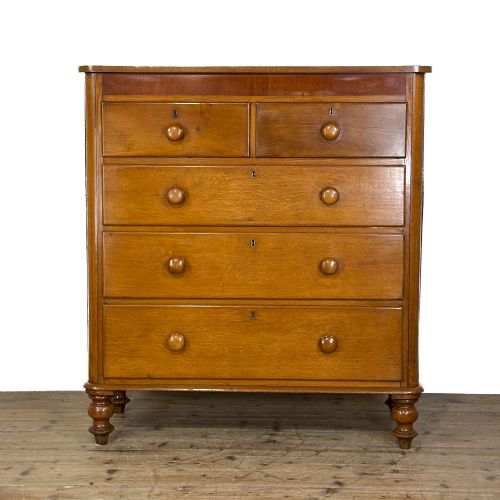

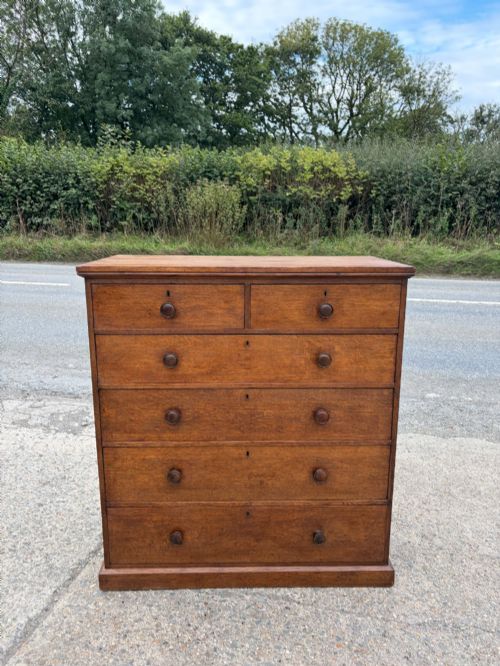
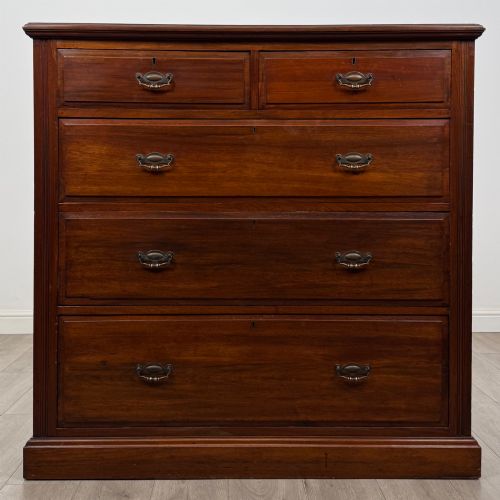
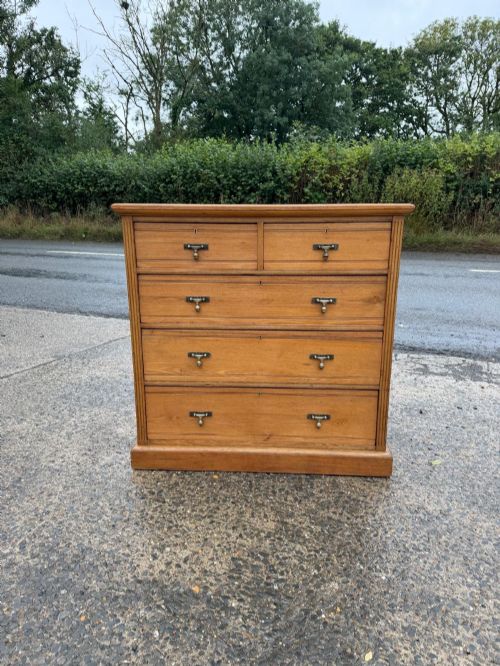
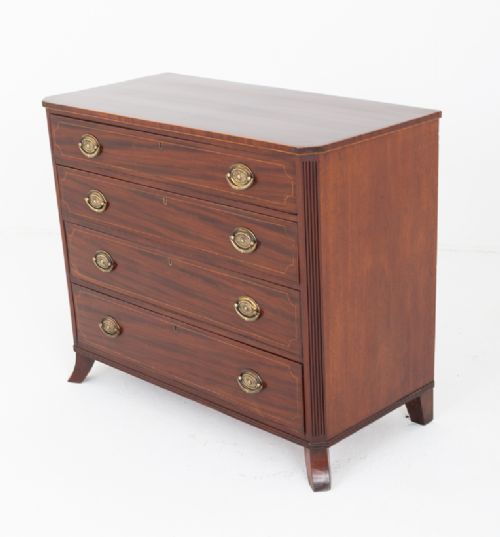
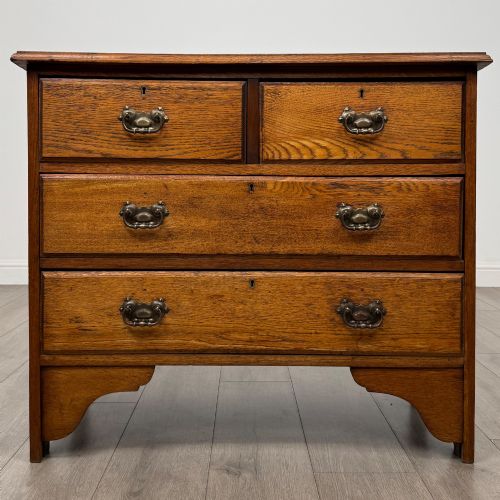
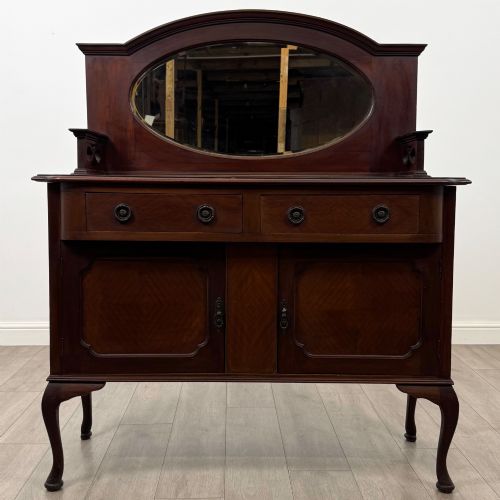
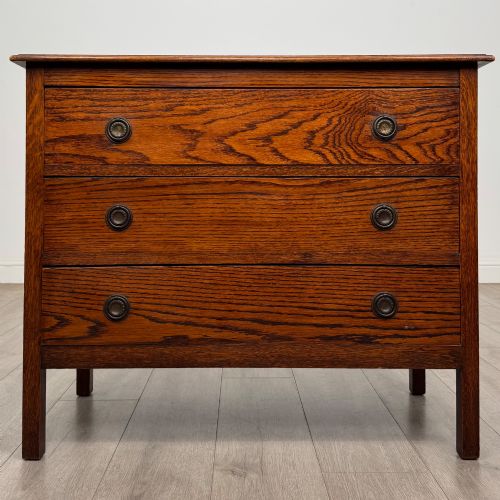
Wooden Dresser Unit
A wooden dresser unit brings practical storage and traditional presence to a room, spanning periods from the eighteenth century to the twentieth.
Wooden Dresser Unit
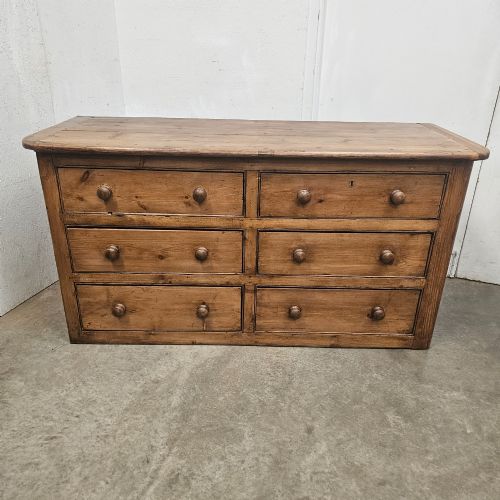
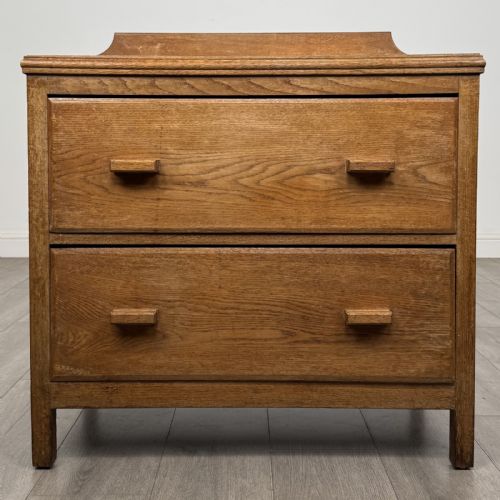
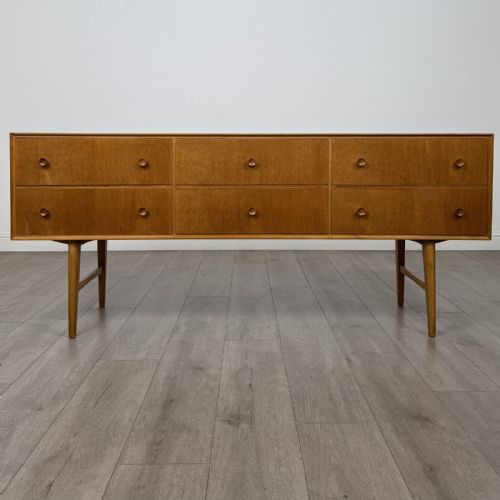
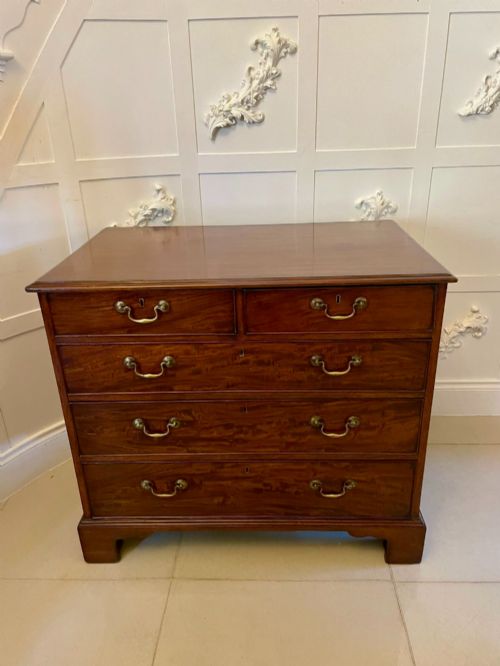
A wooden dresser unit encompasses large kitchen storage pieces, dressers, and tall drawer chests built from timber. Buyers searching for a wooden dresser unit encounter numerous chest of drawers alongside sideboards, bookcases, and wall racks.
The selection ranges from eighteenth century George III designs to Victorian, Edwardian, and early twentieth century examples. Oak and mahogany appear most frequently, accompanied by pine, walnut, and yew wood.
Regional variations span English country pieces, French bakers racks, and formal Georgian items. Many selections feature multiple drawers, raised galleries, or mirrored backs.
How they were made
Cabinet makers utilised solid hardwoods such as oak, mahogany, and walnut alongside durable pine for carcases and drawer linings. Flame mahogany veneer and burr walnut provided decorative surfaces on formal pieces.
Joinery relied on traditional techniques to house drawers and frame panels. Metal hardware included brass acorn handles, lion mask carvings, and brass face handles.
Wooden Dresser Unit Retail Price Guide 2026
Typical asking prices for wooden dresser unit among the pieces listed under this phrase on Sellingantiques today, from the lower quarter to the upper quarter. They describe what is for sale here now, not the wider market.
Listings feature timbers including oak, mahogany, pine, walnut, and yew wood across periods spanning the eighteenth to the twentieth century.
What varies in quality
The selection of timber dictates the visual depth of a piece, with figured grains like flame mahogany and burr walnut setting formal examples apart from utility pine. Original handles and brasses elevate the integrity of older items.
Proportions and carved detailing also divide standard storage from finer workshop output. Crisp lion mask carvings and clean line inlay distinguish superior examples.
The Wooden Dresser Unit Glossary
- Gallery
- A raised wooden or metal rim around the top surface of a chest or sideboard. It prevents items from sliding off the edge.
- Flame mahogany
- A veneer cut from the fork of the mahogany tree where branches meet the trunk. This produces a distinctive flickering flame pattern.
- Burr walnut
- Timber taken from a growth or burl on a walnut tree. It creates a swirling, highly figured grain pattern used on decorative surfaces.
- Line inlay
- Thin strips of contrasting wood or light-coloured timber inlaid into the main surface. It creates fine decorative borders.
- Wall rack
- An open wooden shelving unit designed to hang on a wall. These often accompany base dressers for plate storage.
Wooden Dresser Unit: Frequently Asked Questions
What is a wooden dresser unit used for?
These units serve primarily for storage across dining areas, kitchens, and bedrooms. Chests hold folded garments or linens, while sideboards and dressers organise tableware.
Open wall racks and bookcases display ceramics, books, and decorative objects. Larger sideboards also provide surface space for serving food during gatherings.
How do I identify a Georgian piece?
Georgian pieces typically date from the eighteenth century and utilise dense mahogany, oak, or walnut timbers. They often display restrained classical proportions and fine cabinetmaking details.
Look for hand-cut dovetails on drawer construction and period brass hardware. Formality and symmetry define the aesthetic of this era.
Are pine units suitable for modern homes?
Pine units offer robust storage with a simpler, more rustic aesthetic than formal mahogany. Victorian and early twentieth-century pine pieces fit naturally into utility spaces or farmhouse kitchens.
Many pine cupboards and chests arrive waxed or ready to paint. Their neutral wood tones complement contemporary interior colour schemes.
What distinguishes Edwardian furniture?
Edwardian items date from the early twentieth century and frequently feature golden oak or mahogany. Designers often incorporated raised galleries, mirror backs, and lighter overall proportions.
These pieces combine traditional storage capacity with decorative detailing suited to Edwardian domestic interiors. Original brass handles commonly accompany these designs.