





Wooden Display Bust
A wooden display bust raises a hat or a carving above the furniture, bringing sculptural presence to any room.
Wooden Display Bust
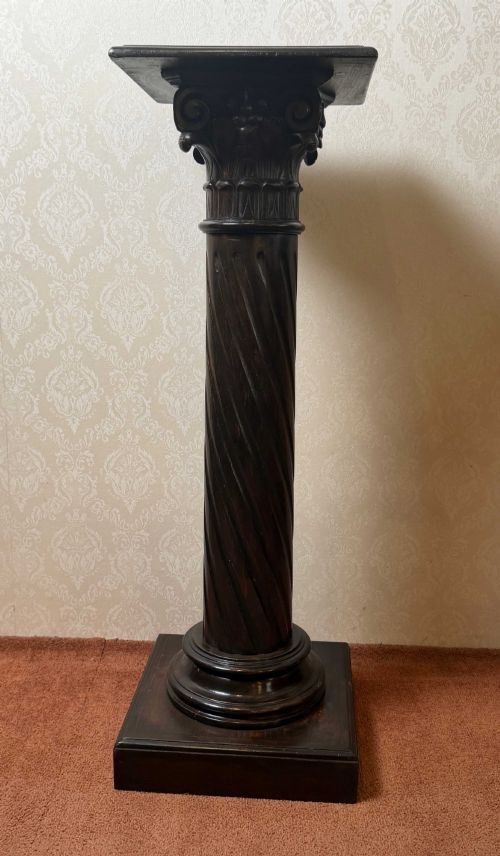
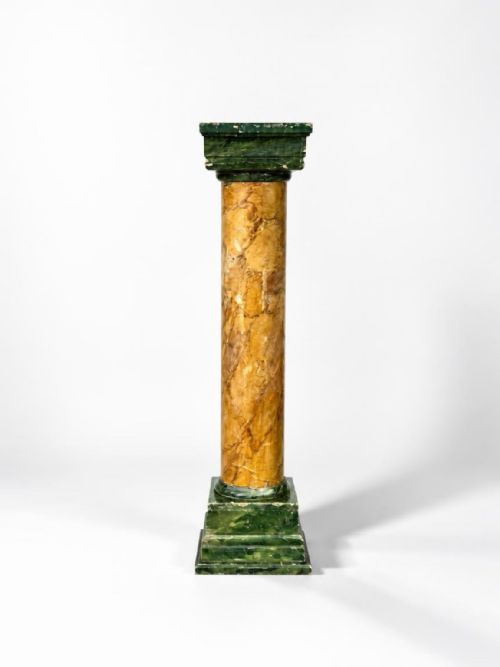
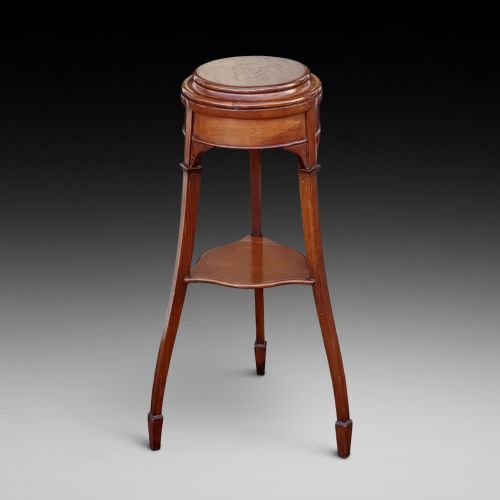
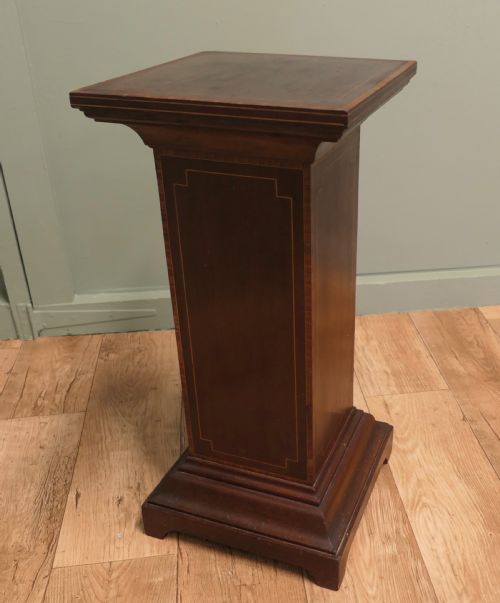
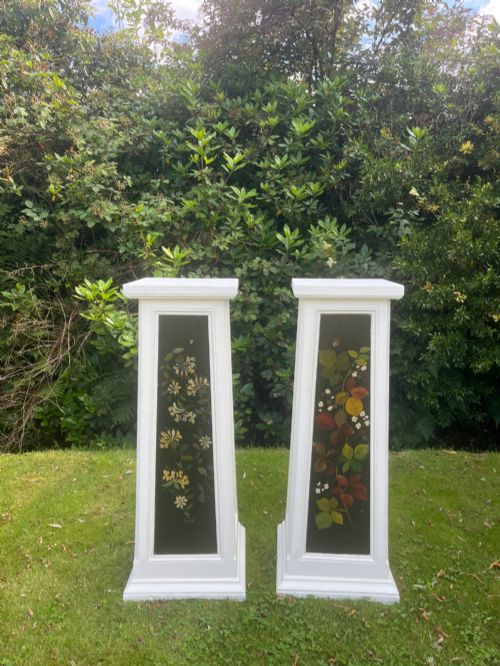
A wooden display bust or stand serves to elevate sculptures, vessels, and figures within domestic spaces. Buyers seeking a wooden display bust will encounter varied forms ranging from tall pedestals and columns to specific stands and carved character heads.
The pieces on this page span the Victorian and Edwardian eras alongside earlier Regency and Georgian examples. Most items utilise dense timbers like mahogany and walnut to support objects securely.
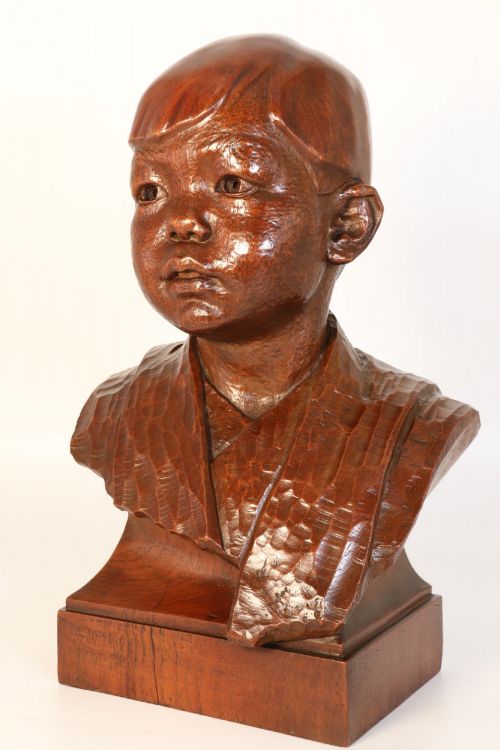
Formats shift from classical fluted columns to folk art milliner heads and carved wooden figures. Each piece performs the practical role of display while introducing period craftsmanship to an interior.
Materials and construction
Makers relied on solid hardwoods including mahogany, walnut, oak, and rosewood to construct these stands and pedestals. Selected timbers provided the structural integrity required to support heavy sculptures and decorative objects without warping.
Wooden Display Bust Retail Price Guide 2026
Typical asking prices for wooden display bust among the pieces listed under this phrase on Sellingantiques today, from the lower quarter to the upper quarter. They describe what is for sale here now, not the wider market.
A stoic wooden saint watches quietly from the corner, judging your hat collection.
Defining quality in display stands
Superior examples demonstrate refined proportions and crisp, deep carving in the timber. Finer pieces often incorporate decorative elements like intricate inlay, original painted surfaces, or sophisticated neoclassical architectural detailing.
The integrity of the structural joints and the weight of the wood distinguish exceptional stands from standard utility pieces. Original surface finishes that remain undisturbed carry more character than later interventions or stripped timber.
George Henry Paulin RBS·Shoolbred
The Wooden Display Bust Glossary
- Pedestal
- A structural support or column designed to elevate a sculpture, bust, or vase above floor or table level. These architectural supports feature square or circular tops.
- Caryatid
- A sculpted female figure serving as an architectural support taking the place of a column or pillar. These carved figures appear beneath the capital of a pedestal.
- Polychrome
- Decorated in a variety of different colours, typically applied to wood or plaster sculptures. This technique adds lifelike detail to character heads and figures.
- Milliner
- A maker and seller of hats who utilised specialised wooden heads for shaping and displaying millinery. These folk art objects double as sculptural display pieces today.
- Inlay
- A technique where pieces of contrasting timber or materials are fitted into depressed areas of a base surface to form a decorative pattern. This ornamentation enhances the visual depth of columns and tabletops.
Wooden Display Bust: Frequently Asked Questions
What is a wooden display bust used for?
These pieces elevate sculptures, vases, and hats to a prominent viewing height within a room. They function as architectural furniture that draws the eye upward.
Historically, larger pedestals anchored corners of grand reception rooms while smaller stands sat on tables to highlight prized ornaments.
How do I identify Victorian pieces?
Victorian examples often employ heavy walnut or mahogany with dark finishes and solid proportions. They frequently reflect revival styles like Renaissance or classical themes.
Look for dense timber construction and traditional joinery methods typical of nineteenth-century workshops.
Are painted finishes original?
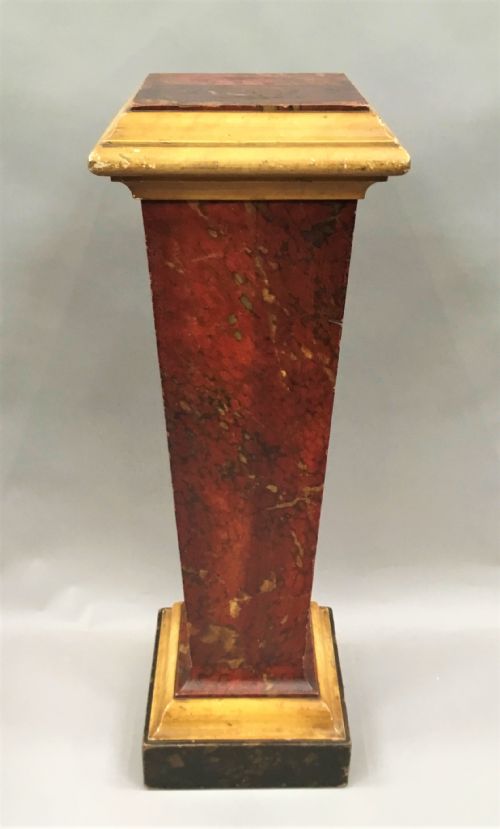
Many pedestals and character heads retain original polychrome or simulated marble paint. These historical surfaces show natural wear appropriate to their age.
Examining the paint layers under magnification helps determine whether the decorative finish dates to the period of manufacture.
Where should I place a pedestal?
Tall columns and pedestals suit empty corners, entrance halls, or flanking doorways where they frame a space effectively. Tabletop stands require sturdy sideboards or cabinets.
Ensure the top surface area matches the base dimensions of the object you intend to display.