
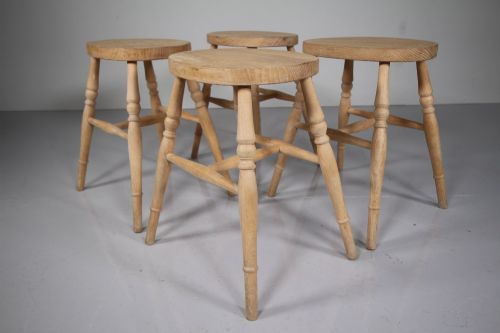
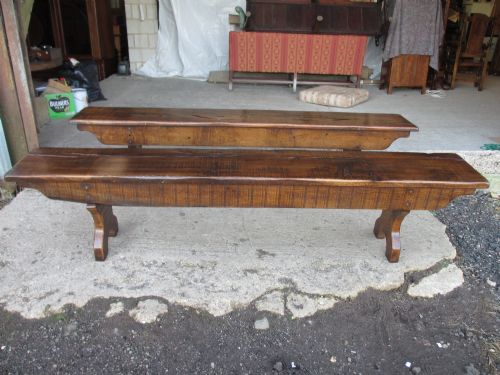
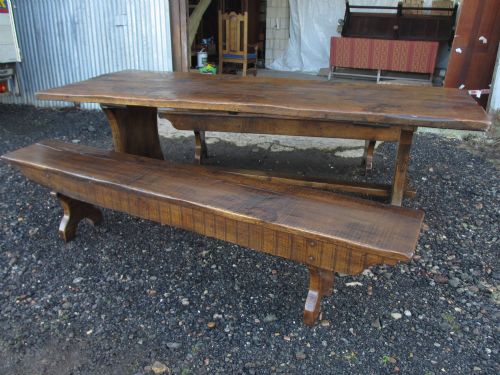
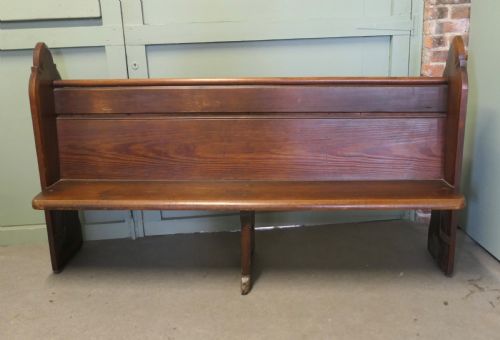
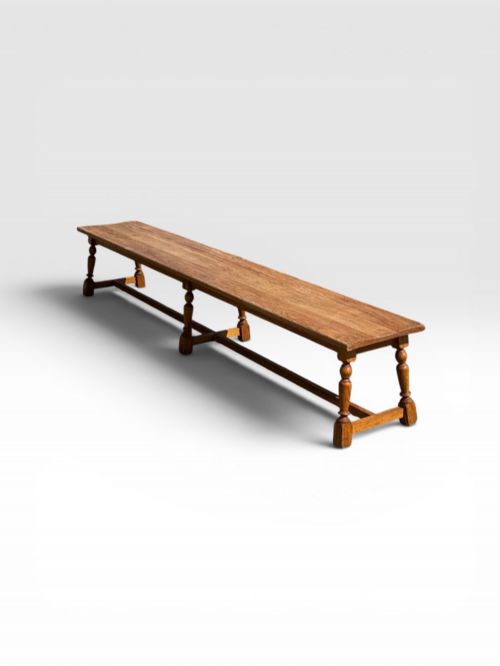
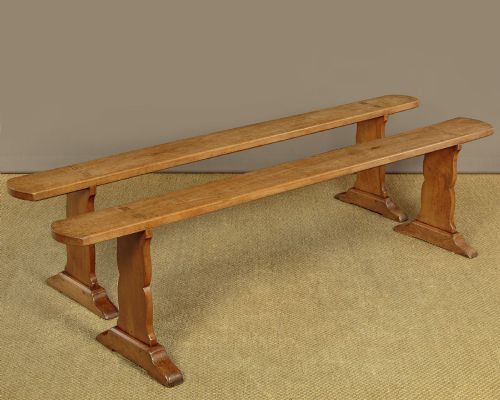

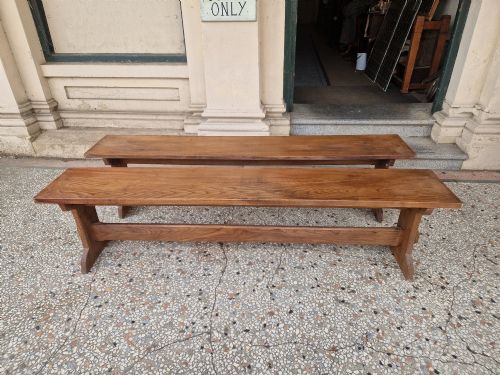
Wooden Dining Bench
A wooden dining bench brings straightforward utility and communal warmth to a room, grounding your table seating with honest timber construction.
Wooden Dining Bench
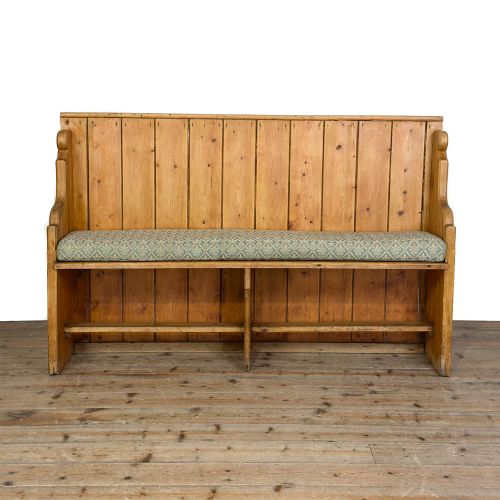
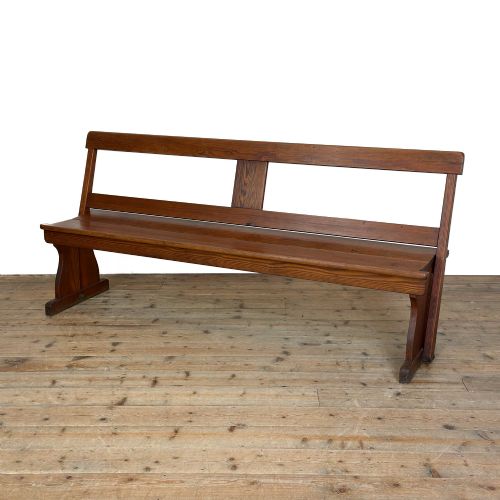
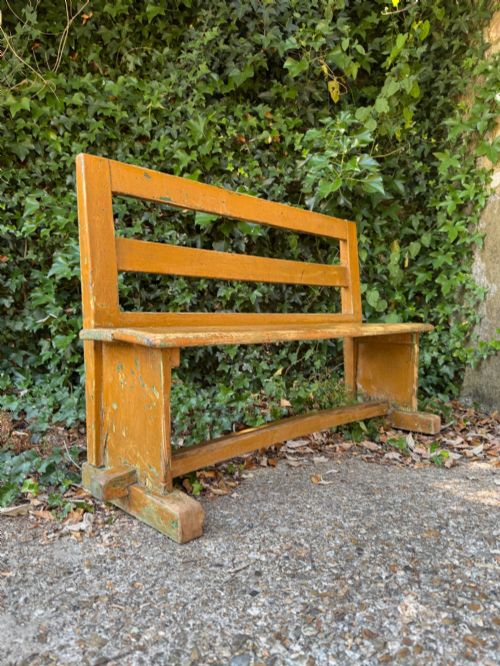
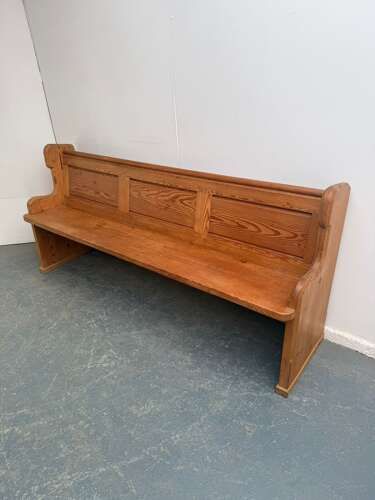
A wooden dining bench encompasses long seating forms derived from various historical traditions, including church pews, tavern seats, and farmhouse settles. Buyers seeking this phrase encounter sturdy timber designs that seat multiple people along a table.
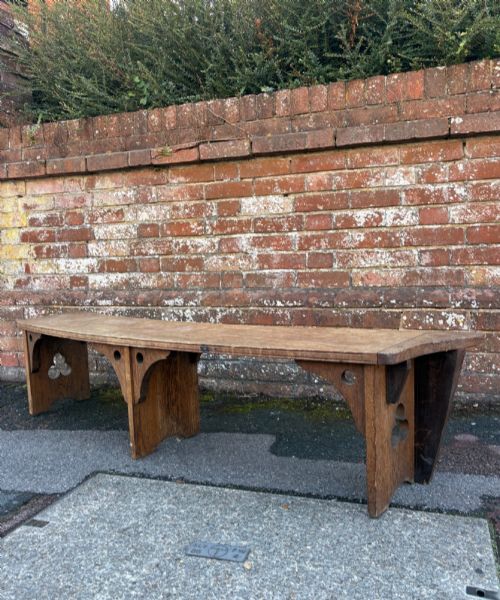
The pieces appearing on this page stem predominantly from the nineteenth and early twentieth centuries, spanning Victorian, Edwardian, and regional country styles. Pine, oak, and elm dominate the selections, ranging from simple school forms to carved Gothic designs.
Origin variations run from English tavern and church pieces to French provincial fruitwood and cherrywood seating, alongside Scandinavian painted pine. These diverse regional traditions share a practical purpose around the dining board or hall.
Materials and construction methods
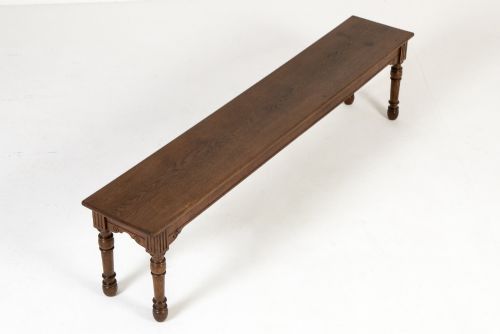
Cabinet makers and local joiners utilised solid domestic hardwoods like oak and elm alongside softwoods such as pine and pitch pine. Planks were selected for thickness and strength to withstand heavy daily use in domestic or public settings.
Construction techniques rely on robust joints, trestle ends, and shaped supports rather than delicate veneers. Surfaces show wax finishes, painted treatments, or natural patination achieved through decades of handling.
Wooden Dining Bench Retail Price Guide 2026
Typical asking prices for wooden dining bench among the pieces listed under this phrase on Sellingantiques today, from the lower quarter to the upper quarter. They describe what is for sale here now, not the wider market.
The listings feature pine, oak, elm, cherrywood, and fruitwood spanning the nineteenth and early twentieth centuries.
Assessing quality in historical benches
Quality rests in the integrity of the timber selection and the honesty of the construction. Denser grain timbers and substantial framing distinguish the finest examples from utility pieces.
Proportion and surface wear dictate the appeal of a piece, where natural patination and balanced proportions elevate utilitarian furniture into notable examples of period craftsmanship.
The Wooden Dining Bench Glossary
- Trestle ends
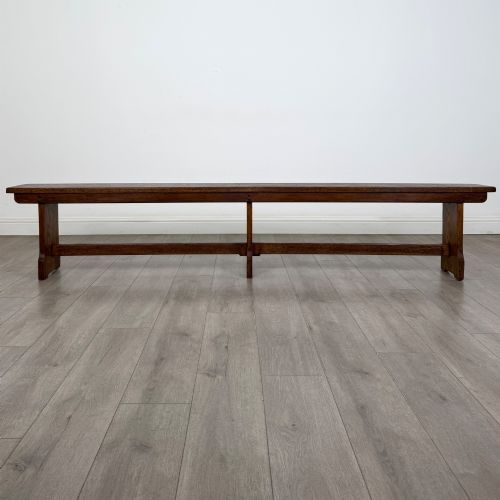
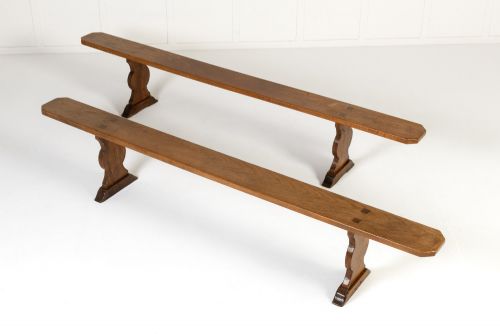
- Upright supports fitted beneath the ends of a top board rather than conventional legs. This construction method provides robust stability for long dining seating.
- Refectory bench
- A long, narrow form designed to accompany a communal dining table. These pieces derive their proportions from monastic and tavern dining traditions.
- Church pew
- An enclosed or open bench historically utilised in ecclesiastical settings. These pieces often feature shaped ends and high backs built from sturdy pine or oak.
- Patina
- The surface sheen and colour acquired by timber through age, wear, and polishing. This characteristic indicates genuine historical use.
- Joint bench
- A piece assembled using traditional mortise and tenon joints held by wooden pegs. This method ensures structural rigidity without relying on metal fasteners.
Wooden Dining Bench: Frequently Asked Questions
How do I choose the right length?
Measure your dining table length and allow clearance at each end for legs and comfortable access. Benches often look best when they match the table span or sit slightly shorter.
Consider how many diners you need to seat regularly and whether the bench must slide completely underneath the table surface when not in use.
Are these benches comfortable for long meals?
Historical timber seating offers firm support without upholstery, designed for practicality in dining and institutional settings. Many users add loose cushions for extended sitting.
The absence of backrests on standard dining forms encourages upright posture and easy movement around the table.
How do I clean and maintain antique timber?
Dust regularly with a dry cloth and nourish waxed surfaces occasionally with natural beeswax to preserve the finish. Avoid placing timber near direct heat sources to prevent splitting.
Moisture should be wiped away promptly to protect the historical patination and prevent water marks on the bare wood.
Can these benches be used outdoors?
These pieces were built for indoor use in homes, churches, and taverns, and their historical joints are vulnerable to moisture. Exposing them to garden weather will damage the timber and finish.
Keep them inside where stable humidity protects the structural integrity and historical surface.