



Wooden Crest Plaque
A wooden crest plaque carries centuries of heraldry and carving, offering tangible family lineage and institutional history for any interior.
Wooden Crest Plaque
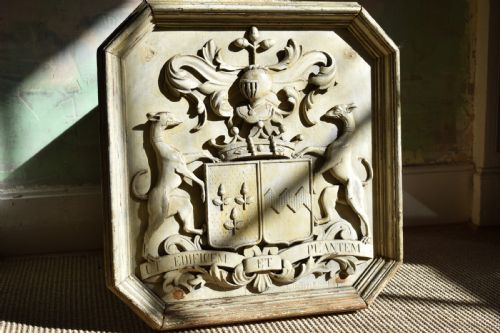
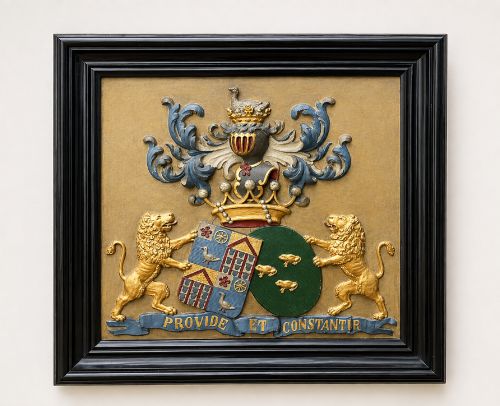
A wooden crest plaque is a carved wall piece bearing heraldry, armorial bearings, or institutional insignia. When you search for a wooden crest plaque, you encounter heraldic marriage panels, armorial shields, and railway emblems made across several centuries.
The pieces appearing here span the eighteenth, nineteenth, and early twentieth centuries, encompassing styles from Gothic Revival and Baroque to Victorian industrial and fairground folk art. These items function primarily as wall plaques, sculptures, and architectural salvage.
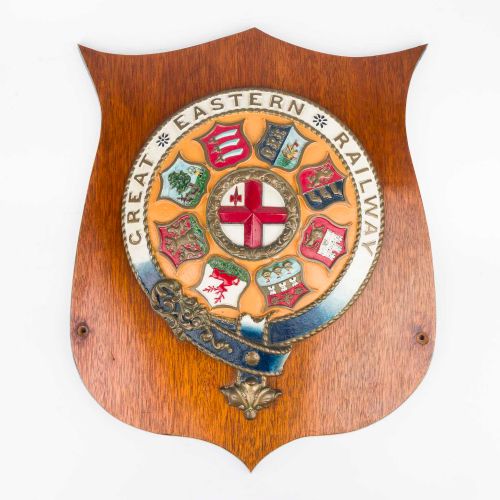
Examples range from substantial carved hardwood lion shields and Dutch marriage panels to railway company crests and early twentieth-century wall shields. Each piece records a distinct lineage, corporate identity, or decorative tradition in carved timber.
How they were made
Carvers shaped these panels from hardwoods such as oak, mahogany, walnut, and tiger oak using traditional hand chisels and gouges. Timber selection depended on whether the piece required deep sculptural relief or a stable flat surface for detailed painting.
Many surfaces received layers of gesso, gold leaf, and polychrome paint to highlight the heraldic tinctures and raise specific charges within the coat of arms. Guilders applied leaf directly to prepared grounds, while painters utilised oil colours for figures and backgrounds.
Wooden Crest Plaque Retail Price Guide 2026
Typical asking prices for wooden crest plaque among the pieces listed under this phrase on Sellingantiques today, from the lower quarter to the upper quarter. They describe what is for sale here now, not the wider market.
Carved wooden lions on nineteenth-century shields often possess surprisingly expressive human-like teeth due to imaginative provincial carvers.
What varies in quality
The sculptural depth and anatomical precision of carved elements define the upper tier of these works, distinguishing skilled hand execution from routine workshop production. Crisp undercutting in foliage and heraldic beasts indicates a confident carver.
The preservation of original surface treatments, including historical paint layers and gold leaf, dictates the archaeological integrity of a panel. Pieces retaining their early polychromy offer a direct visual record unavailable to stripped or heavily restored examples.
Van Rijckevorsel and Verheijen·Great Eastern Railway
The Wooden Crest Plaque Glossary
- Armorial
- Relating to heraldry or coats of arms. These designs display hereditary symbols belonging to families or corporate bodies.
- Gesso
- A plaster mixture applied to wood as a base for painting or gilding. It provides a smooth surface for intricate detail work.
- Polychrome
- Decorated in several colours. This treatment brings life to carved wooden coats of arms and heraldic panels.
- Heraldic
- Pertaining to heraldry and the rules governing coats of arms. Such motifs identify specific lineages or institutions.
- Gilt
- Covered thinly with gold leaf or gold paint. This finish denotes status and catches ambient light on wall plaques.
Wooden Crest Plaque: Frequently Asked Questions
How were armorial shields used?
Armorial shields and heraldic panels hung in great halls, boardrooms, and private residences to signify family heritage or institutional authority. Railway crests and corporate plaques marked administrative buildings and rolling stock.
Over time, these objects transitioned from functional markers of identity to decorative works of art collected for their carving skill.
How do I hang a heavy plaque?
Large carved wooden panels require secure wall anchoring into masonry or timber studs using rated brackets and screws. Due to the weight of dense hardwoods like oak and walnut, simple picture wire is rarely sufficient.
Professional mounting ensures the weight distributes evenly across the structure without straining historical joints or hanging loops.
How do I date a carved crest?
Dating relies on stylistic markers, timber choice, and construction methods visible in the back and edges of the panel. Eighteenth-century examples often feature hand-carved polychrome surfaces, while nineteenth-century pieces may display Gothic Revival or Baroque influences.
Makers' inscriptions, railway provenance, and documented family histories further narrow the period of creation.