








Wooden Counter Top
These wooden counter top pieces bring utilitarian trade history and robust display function straight into modern interiors.
Wooden Counter Top
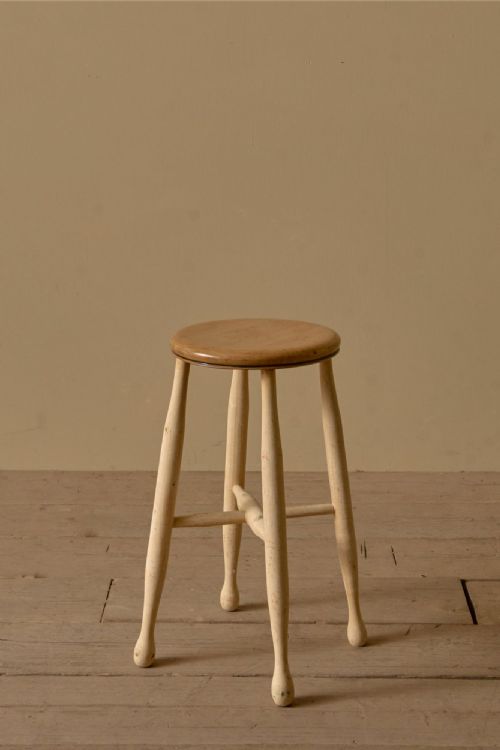
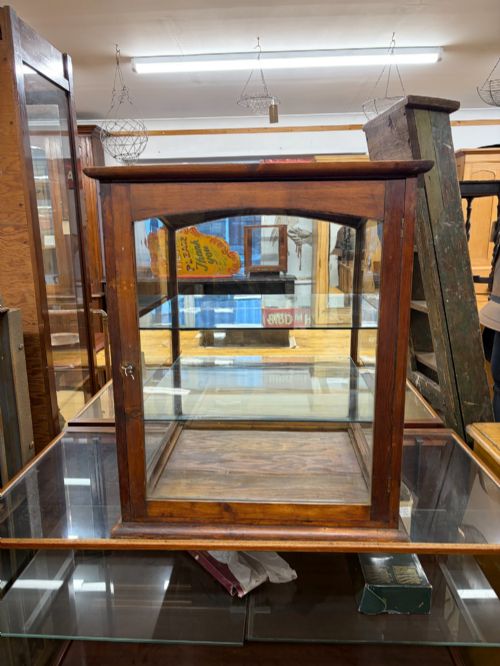
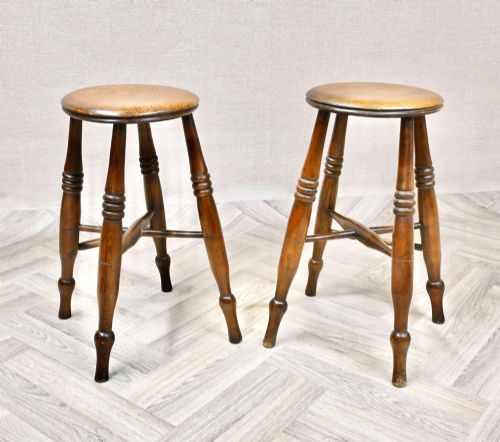
A wooden counter top encompasses trade fixtures and furnishing elements from the Victorian, Edwardian, and early twentieth century eras designed for commercial or domestic use. The pieces appearing here range from tall elm topped tavern stools to glazed table top display cabinet cases and mechanical dispensing units.
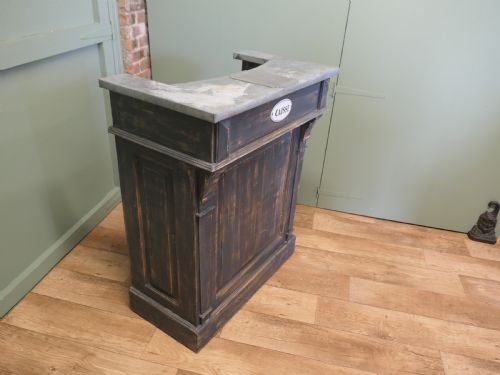
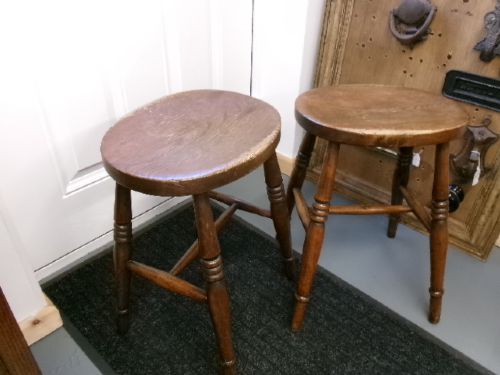
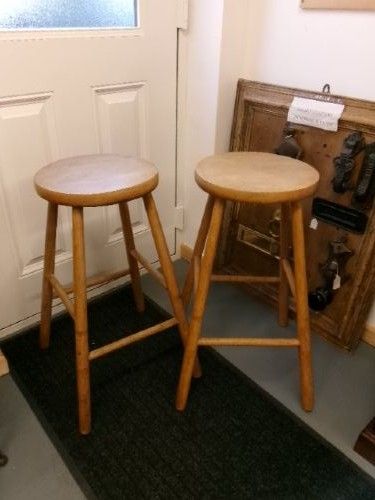
Stools with dished seats and shop display counters form the most frequent encounters in this selection, reflecting original tavern and retail environments. Surviving examples often incorporate brass framing, glass panels, or hardwood timber chosen for heavy daily wear.
How they were made
Makers utilised solid timbers such as mahogany, oak, elm, and beech, shaping seats and frames to withstand rigorous commercial environments. Joinery techniques varied from turned legs on tall stools to panelled construction on large shop counters and display cabinets.
Metal components like brass framing and mechanical dispensing mechanisms were integrated alongside glass panels to create functional retail units. These materials combined structural strength with clear visibility for merchandise and soap displays.
Wooden Counter Top Retail Price Guide 2026
Typical asking prices for wooden counter top among the pieces listed under this phrase on Sellingantiques today, from the lower quarter to the upper quarter. They describe what is for sale here now, not the wider market.
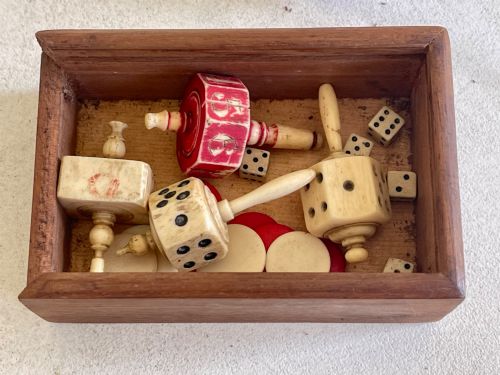
Tiny bone teetotums carved by historical prisoners wait quietly among shop counters and tavern stools.
What varies in quality
Quality rests in the original timber selection, the crispness of turned supports, and the survival of integrated glass or brass hardware. Pieces featuring dense hardwoods like mahogany and elm demonstrate superior structural longevity compared to simpler utility items.
The degree of original commercial branding, such as mechanical dispensing elements or maker signatures, elevates a piece from standard shop salvage to a distinct historic artefact. Intact glazing and functioning mechanical parts distinguish finer display cabinets from basic wooden enclosures.
Saml Elliott And Sons·G H Gledhill Halifax
The Wooden Counter Top Glossary
- Dished top
- A seat surface hollowed into a shallow concave shape to improve sitting comfort. This ergonomic shaping appears frequently on antique tavern and bar stools.
- Bentwood
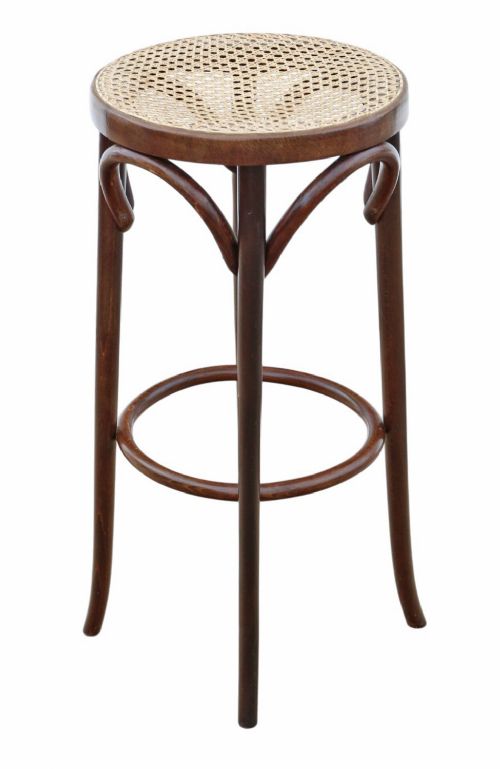
- Wood softened by steam and bent into curved structural forms. This technique created lightweight yet resilient frames for early twentieth century high stools.
- Dispensing cabinet
- A glazed or mechanical enclosure designed to hold and release retail goods upon demand. These units served nineteenth and early twentieth century shopkeepers.
- Teetotum
- A multi-sided spinning top used historically for games of chance. Bone examples originate from prisoner of war work during the nineteenth century.
Wooden Counter Top: Frequently Asked Questions
What periods do these pieces date from?
The selection spans from the late nineteenth century through the Edwardian era and into the 1930s. Victorian and Edwardian examples sit alongside pieces from the interwar period.
Materials and construction methods shift subtly across these decades, moving from heavier timber joinery to include specialised brass framing and mechanical display elements.
How were shop counter top cabinets used?
Merchants placed these glazed cases directly on top of main counters to showcase small valuable goods, writing instruments, or soap to customers. The glass protected the merchandise while keeping items visible at eye level.
Some units incorporated mechanical dispensing functions to deliver goods quickly during busy retail transactions.
Are these stools suitable for daily seating?
Antique tavern and bar stools were built from dense timbers like elm and beech specifically for heavy commercial use. Their sturdy frames and dished wooden seats make them practical for everyday seating at modern kitchen islands or counters.
Checking the height and leg stability ensures they fit standard counter dimensions.
How do I identify oak versus mahogany pieces?
Oak displays prominent growth rings and medullary rays, giving the timber a distinct textured grain often seen in panelled shop counters. Mahogany offers a smoother, denser surface with a deep reddish-brown tone favoured in finer Victorian display units.
Both timbers provide the durability required for commercial shop furniture.