



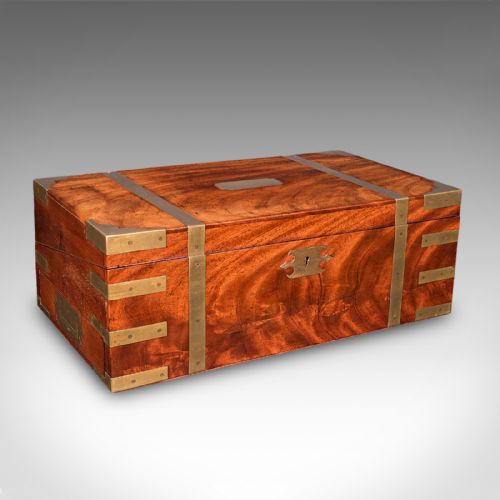


Wooden Correspondence Desk
A wooden correspondence desk provides a dedicated workspace for handling letters, bringing period craftsmanship and organised storage to any room.
Wooden Correspondence Desk
A wooden correspondence desk encompasses writing slopes, stationery boxes, and correspondence cabinets designed for letter writing and document storage. These pieces date across Georgian, Regency, Victorian, and Edwardian periods.
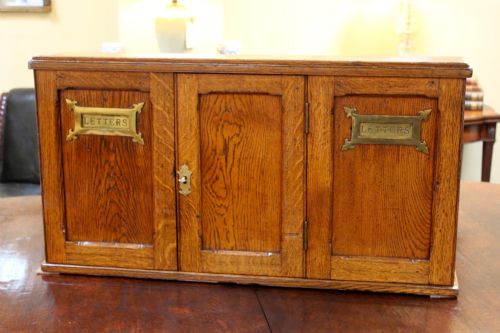
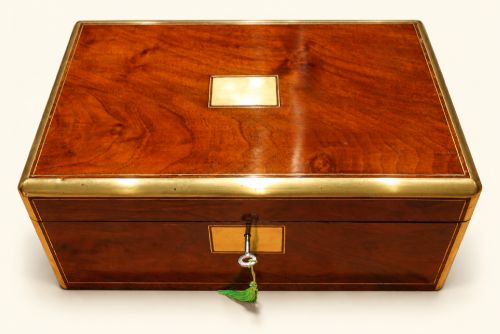
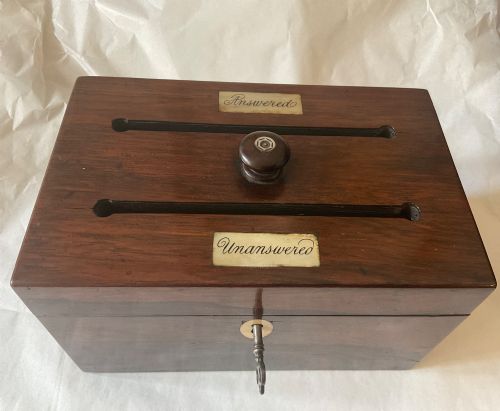
The most common forms on this page include walnut and mahogany writing slopes alongside fitted stationery boxes and cabinets. They feature specialised compartments for paper, ink, and pens.
Origins range from English country houses to Anglo-Indian workshops and French makers, incorporating styles from Gothic Revival to Campaign.
Materials and Construction
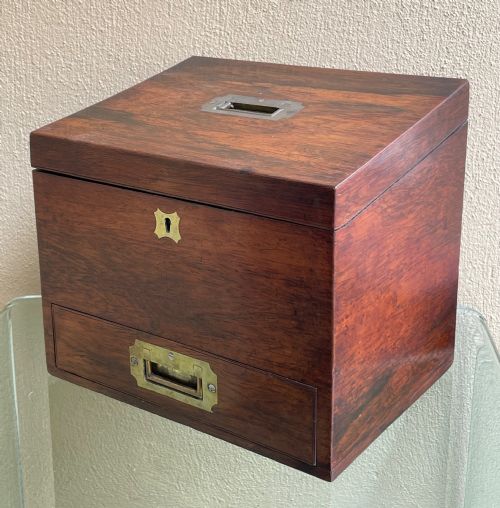
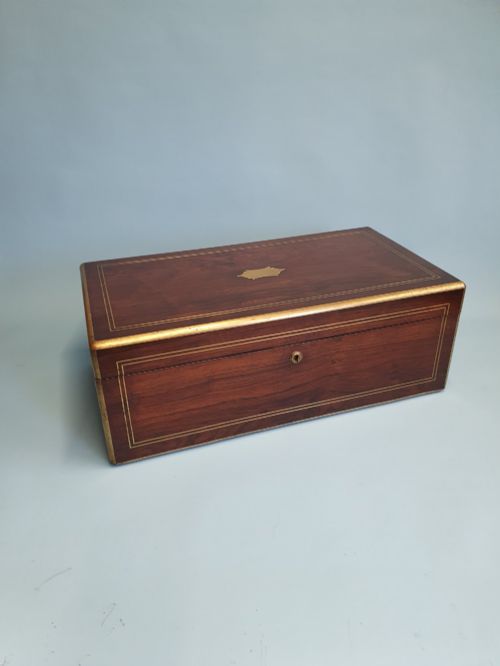
Cabinet makers utilised dense hardwoods such as mahogany, rosewood, walnut, burr walnut, oak, and satinwood to build these boxes and desks. Brass mounts, corner braces, and cut steel decorations frequently reinforced and ornamented the timber frames.
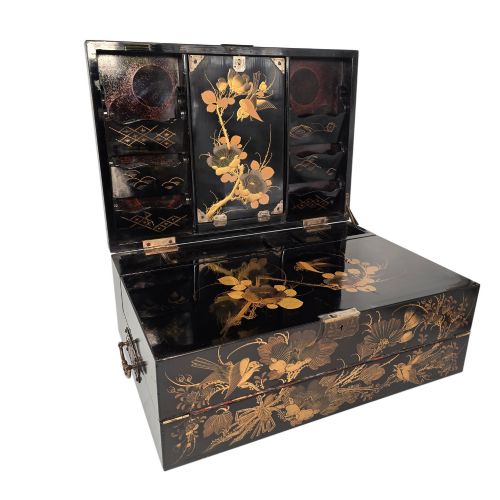
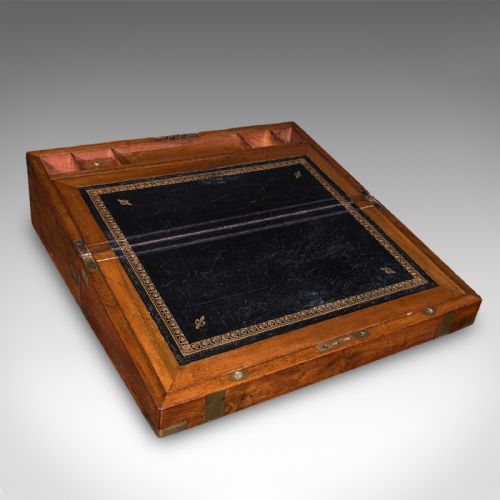
Interiors often reveal secret drawers, baize-lined writing surfaces, and precise pigeonholes constructed through traditional joinery techniques. Specialised decoration includes Tunbridge ware mosaics, hand-painted porcelain plaques, and intricate inlay.
Wooden Correspondence Desk Retail Price Guide 2026
Typical asking prices for wooden correspondence desk among the pieces listed under this phrase on Sellingantiques today, from the lower quarter to the upper quarter. They describe what is for sale here now, not the wider market.
Secret drawers wait behind false partitions, guarding hidden letters from centuries past.
Judging Quality and Finish
Superior examples demonstrate exceptional choice of timber, such as highly figured burr walnut or rich rosewood, matched with robust brass hardware. The presence of signed maker work or specialised decoration like Tunbridge ware elevates a piece.
Refined craftsmanship shows in the smooth operation of secret drawers, tightly fitted internal compartments, and the preservation of original locks and keys.
William Austin·Edmund Nye
The Wooden Correspondence Desk Glossary
- Writing Slope
- A portable desk with a slanted lid that opens to reveal compartments for writing materials. These boxes often include secret drawers and leather or velvet writing surfaces.
- Stationery Box
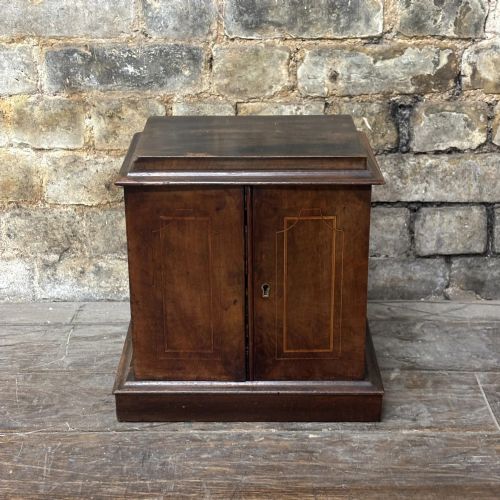
- A tabletop cabinet designed to hold envelopes, writing paper, and letters upright in tiered compartments. They frequently feature fall-front or double-door designs.
- Campaign
- Furniture designed for travel, typically featuring recessed brass handles, reinforced corners, and robust construction. These pieces were built for military officers on the move.
- Tunbridge Ware
- A form of woodwork characterised by tiny mosaic tiles assembled from different coloured woods to create pictorial designs. It appears on the surfaces of boxes and small desk accessories.
- Secret Drawer
- A concealed compartment hidden behind removable panels or activated by a hidden spring mechanism. Makers used these to secure valuables and private letters.
Wooden Correspondence Desk: Frequently Asked Questions
What is a wooden correspondence desk?
A wooden correspondence desk is a portable writing slope, stationery box, or small desk designed for writing letters and storing writing materials. These pieces range from Georgian rosewood slopes to Victorian walnut stationery cabinets.
They provide dedicated compartments for paper, envelopes, and inkwells, reflecting the correspondence habits of past centuries.
How were writing slopes used?
Writing slopes were placed on tables or laps to provide a tilted, firm surface for writing letters with a dip pen. The slanted lid kept paper at a comfortable angle while the interior stored the necessary tools.
Many examples feature built-in inkwell holders and small compartments to keep nibs and sealing wax secure during use.
How do I date a wooden correspondence box?
Dating relies on timber choices, hardware styles, and construction methods characteristic of different eras. Georgian and Regency pieces often showcase rosewood and satinwood, while Victorian examples frequently use burr walnut and heavy brass binding.
Interior layouts and locking mechanisms also shift across periods, moving from simple brass plates to complex lever locks by the later nineteenth century.
Where should I place a stationery box?
Stationery boxes suit tabletops, sideboards, or desks where they can function as practical organizers for modern mail and notepaper. Their compact footprints allow them to sit neatly in home offices or living spaces.
Placing them away from direct heat sources helps protect the polished wood surfaces and delicate internal veneers.