


Wooden Compactum Wardrobe
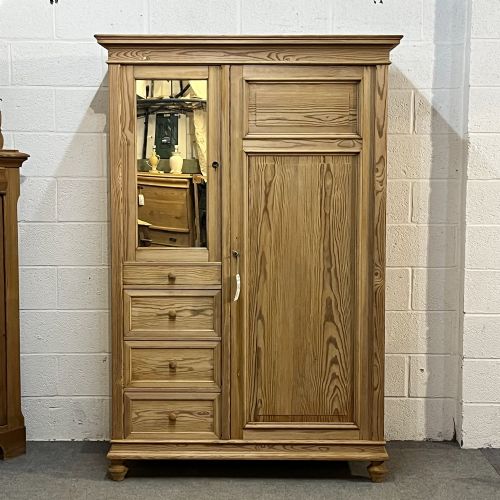
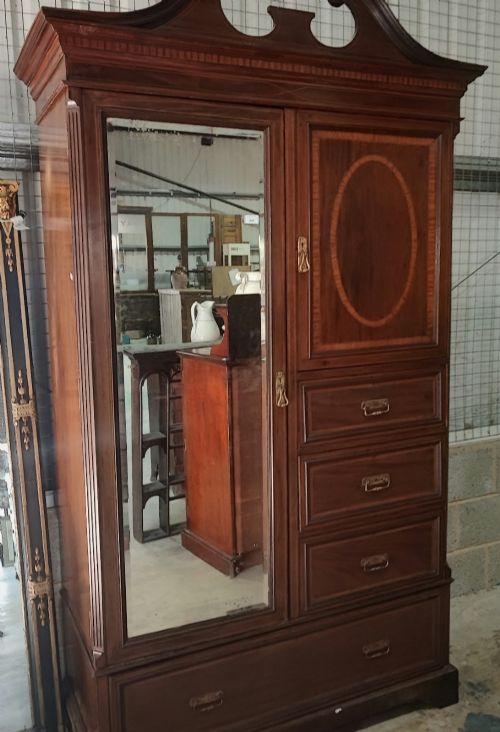
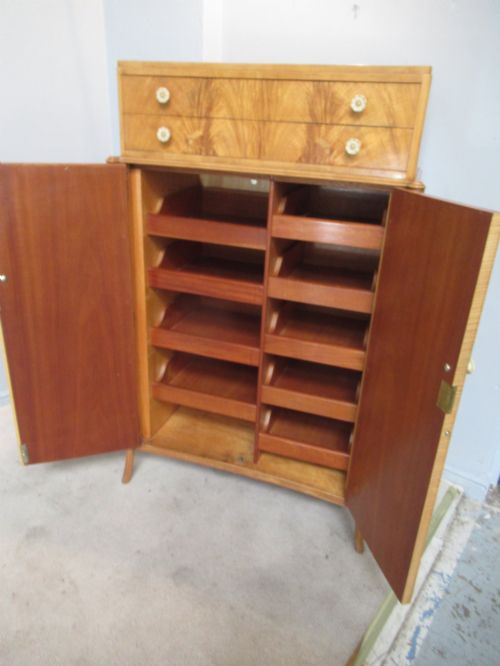
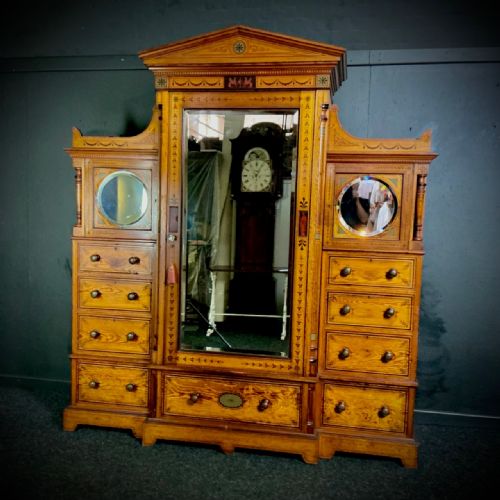
A wooden compactum wardrobe offers serious storage by combining hanging space, drawers and shelves within a single substantial frame.
Wooden Compactum Wardrobe
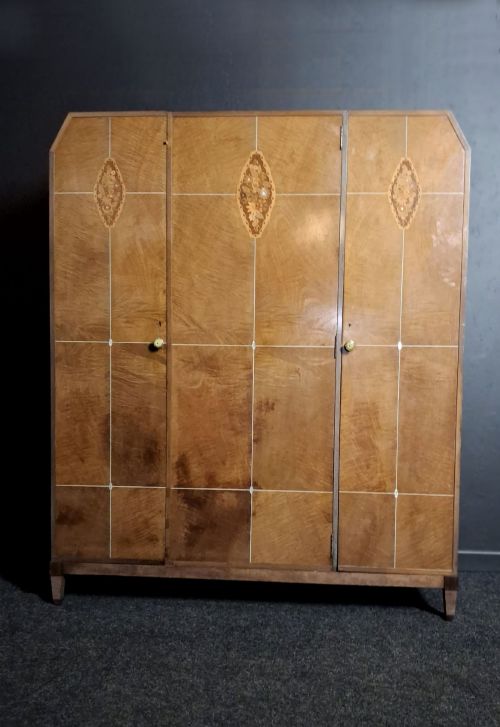
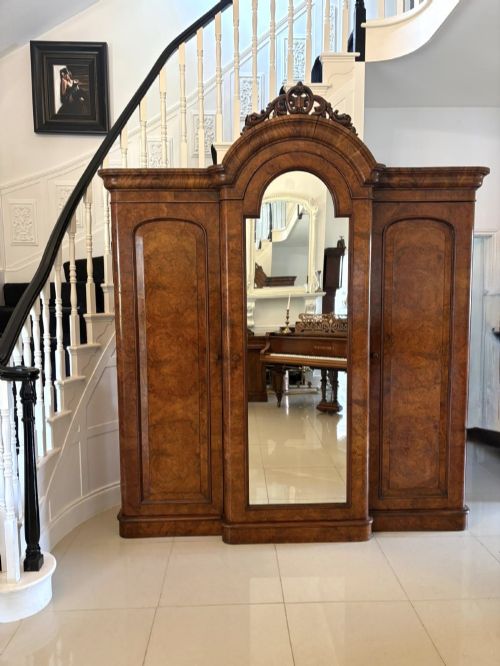
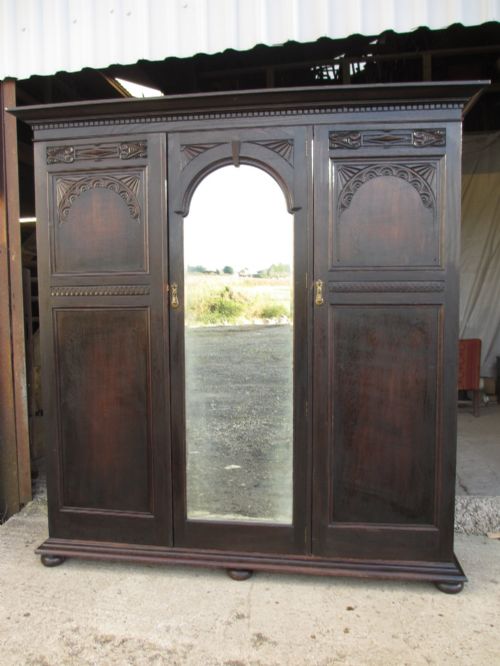
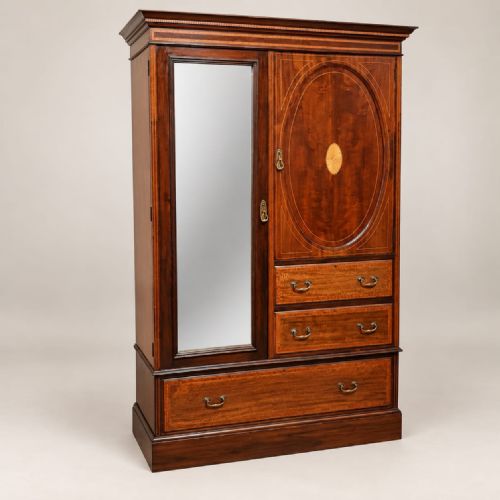
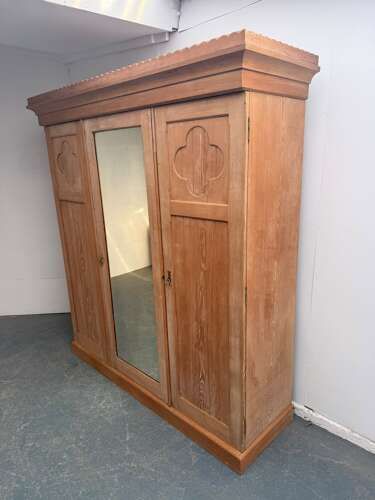
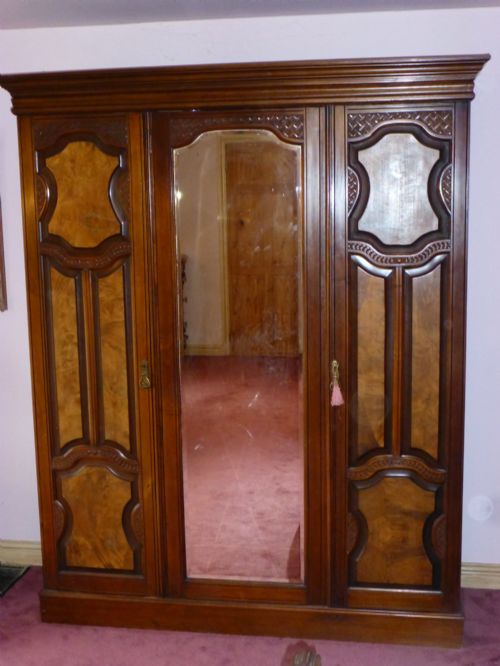
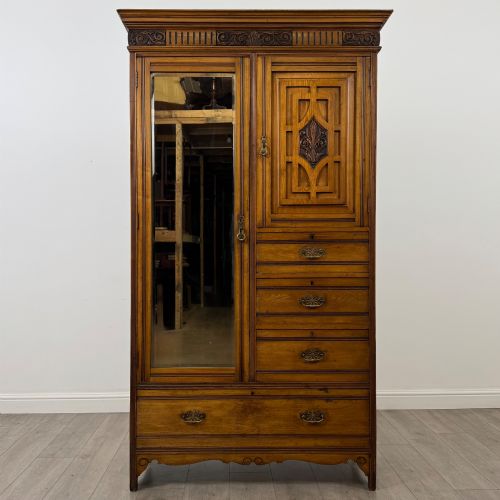
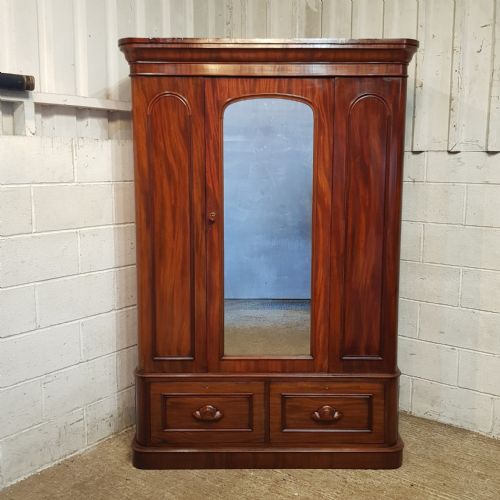
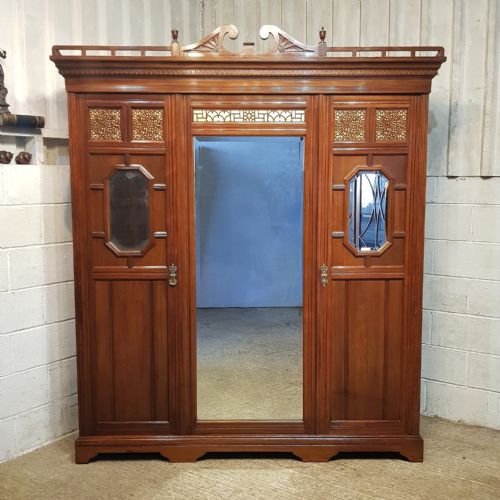
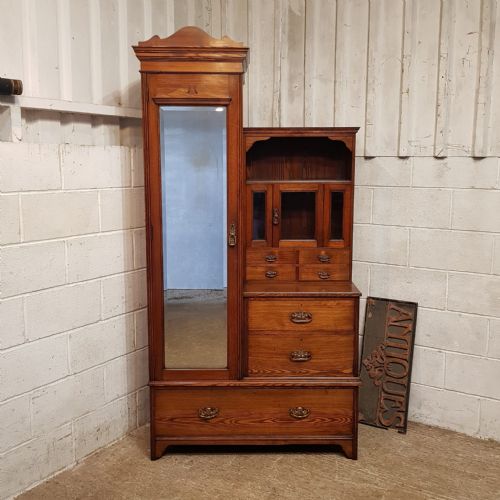
A wooden compactum wardrobe brings together multiple storage functions in one piece of furniture, frequently combining hanging compartments with linen presses, drawers and shelves. Buyers searching for a wooden compactum wardrobe encounter pieces originating predominantly from the Victorian and Edwardian eras, alongside some 1930s examples.
The format appears in several distinct stylistic interpretations across the inventory, ranging from heavily figured mahogany and burr walnut to lighter timbers like ash and satinwood. Many items display influences from the Arts and Crafts movement or Sheraton Revival styles, often incorporating mirror glass doors and brass hardware.
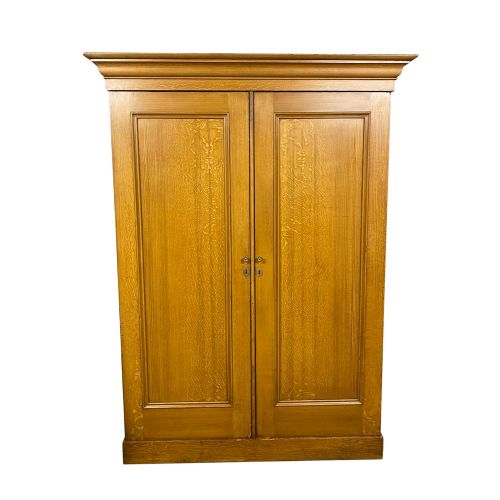
Triple and four-door configurations dominate the larger options, while smaller single or double models suit restricted footprints. Surviving examples demonstrate how makers partitioned the interior space to accommodate diverse garments and linens in a single dedicated unit.
Materials and Construction
Cabinetmakers constructed these wardrobes using solid framing timbers such as oak, mahogany, and ash, frequently applying decorative veneers like burr walnut, flame mahogany, and satinwood to the main exterior surfaces. Drawer interiors typically utilise secondary woods with hand-cut dovetail joints, reflecting traditional joinery standards of the nineteenth and early twentieth centuries.
Surface finishes range from traditional wax and French polish to original scumble faux oak paintwork and specialist treatments on pine or ash. Functional details include bevelled mirror glass door panels, brass hanging hooks, drop handles, and escutcheons secured with slotted brass screws.
Wooden Compactum Wardrobe Retail Price Guide 2026
Typical asking prices for wooden compactum wardrobe among the pieces listed under this phrase on Sellingantiques today, from the lower quarter to the upper quarter. They describe what is for sale here now, not the wider market.
A nineteenth-century wardrobe can arrive with original scumble paintwork, proving that faux-grain finishes have pleased homeowners for generations.
Gradations in Standard
The tier of a wooden compactum wardrobe rests on the selection of timber figures, such as matched burr walnut or flame mahogany veneers, and the crispness of inlaid banding or carved ornamentation. Workshop origin plays a definitive role, with documented pieces from notable makers demonstrating superior internal configuration, drawer construction, and timber seasoning.
Structural integrity and the survival of original components, including glass, locks, and internal sliding trays, separate standard utility pieces from high-status commissions. The complexity of the internal arrangement, from simple hanging spaces to fully fitted linen presses with linen slides and jewellery drawers, defines the upper echelon of the category.
Edwards and Roberts·Holland and Sons·Maple and Co·Heals
The Wooden Compactum Wardrobe Glossary
- Compactum
- A wardrobe or storage cabinet that combines hanging space, drawers, shelves, and sometimes linen slides within a single comprehensive unit. This multi-functional design maximises storage capacity in bedrooms.
- Breakfront
- A piece of furniture where the central section projects forward from the flanking outer wings. This architectural layout creates depth and visual interest on large triple and four-door wardrobes.
- Scumble
- A decorative painting technique used to imitate the grain of more expensive woods, such as oak, over a softer base timber. Artisans created mottled patterns using combs, rags, or brushes.
- Gentleman's Chest
- A tall cabinet combining a chest of drawers in the lower section with enclosed cupboard doors above. These units served traditionally for storing folded shirts and personal accessories.
- Marquetry
- The art of forming decorative patterns on furniture by fitting together thin veneers of different coloured woods. Craftsmen cut intricate floral or geometric designs to adorn door panels and cornices.
Wooden Compactum Wardrobe: Frequently Asked Questions
What is a compactum wardrobe?
A compactum wardrobe is a large piece of bedroom furniture designed to provide multiple types of storage within one frame. It typically incorporates hanging space alongside banks of drawers, shelves, or sliding linen trays.
This integrated design allowed nineteenth-century households to keep varied clothing and linens organised in a single cabinet.
How do I date a wooden wardrobe?
Dating relies on observing timber choices, construction techniques, and stylistic motifs visible across the piece. Victorian examples often feature heavy mahogany or walnut with hand-dovetailed drawers, while Edwardian versions frequently utilise lighter satinwood or inlaid mahogany.
Hardware such as brass locks, handles, and the presence of bevelled mirror glass further help narrow down the period of manufacture.
Can these wardrobes be dismantled for moving?
Most large Victorian and Edwardian wardrobes are constructed to break down into manageable components for transport and installation. The typical assembly includes a separate cornice, a plinth or base drawer section, and distinct left, right, and central carcase modules.
Bolts, tongue-and-groove joints, and screws hold the heavy sections together securely without permanent glue.
What woods were commonly used?
Mahogany served as the primary timber for formal wardrobes throughout the nineteenth century, ranging from plain straight grain to highly figured flame and curl variations. Walnut and burr walnut gained popularity for their rich brown tones and intricate natural grain patterns.
Lighter woods such as oak, ash, satinwood, and pine appear frequently in Arts and Crafts, Edwardian, and country pieces.