


Wooden Cased Clock
A wooden cased clock brings mechanical timekeeping into domestic spaces through timber housings shaped by Georgian, Victorian, and later periods.
Wooden Cased Clock
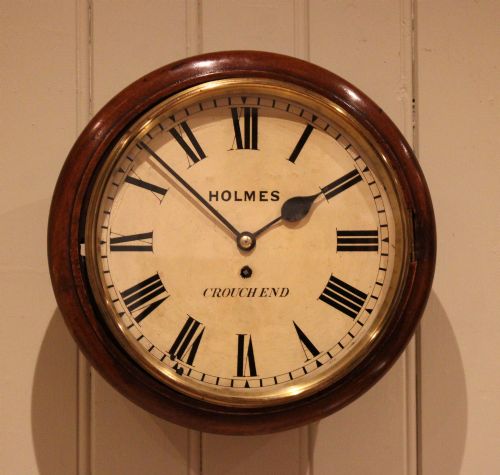
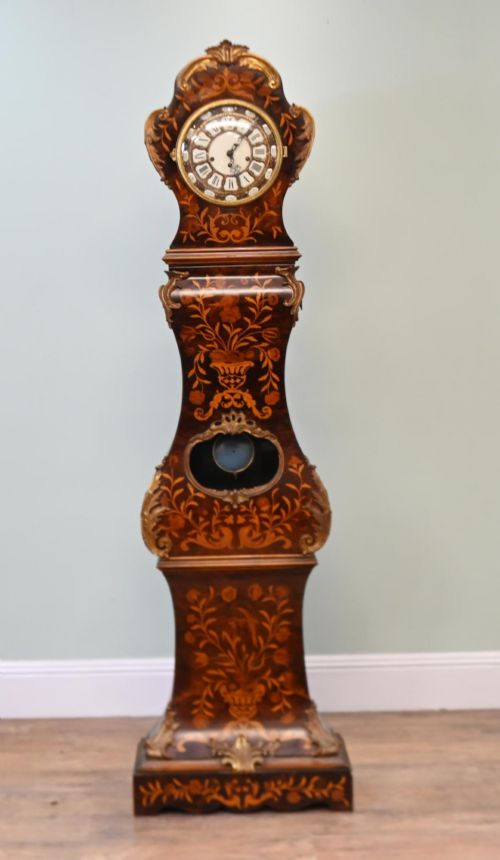
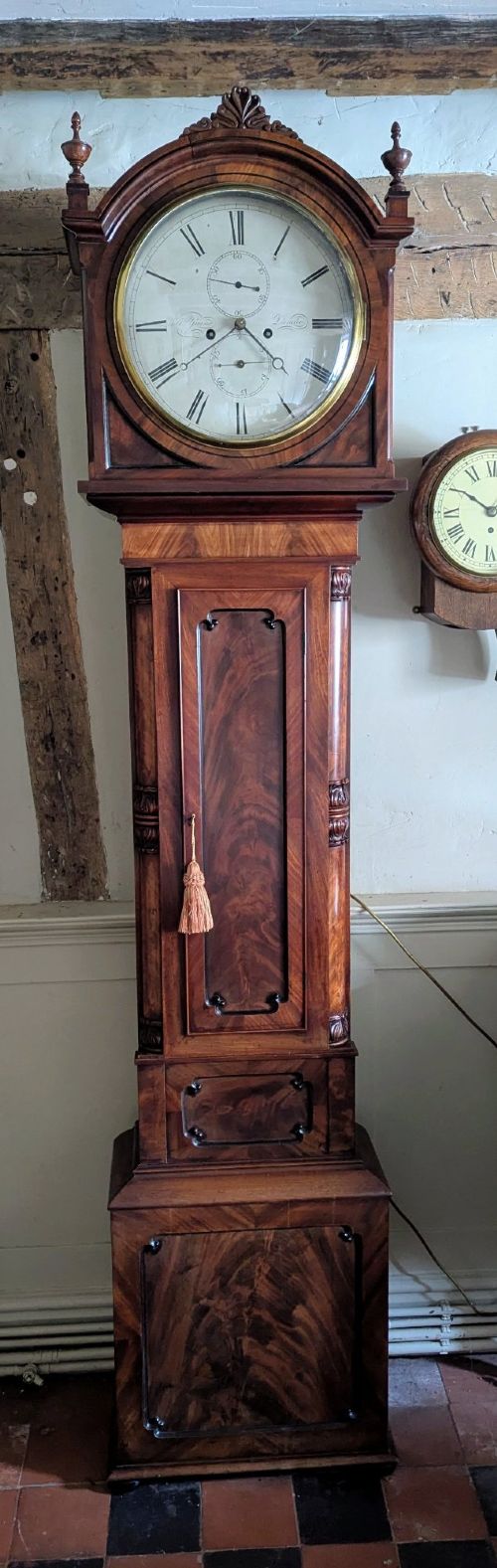
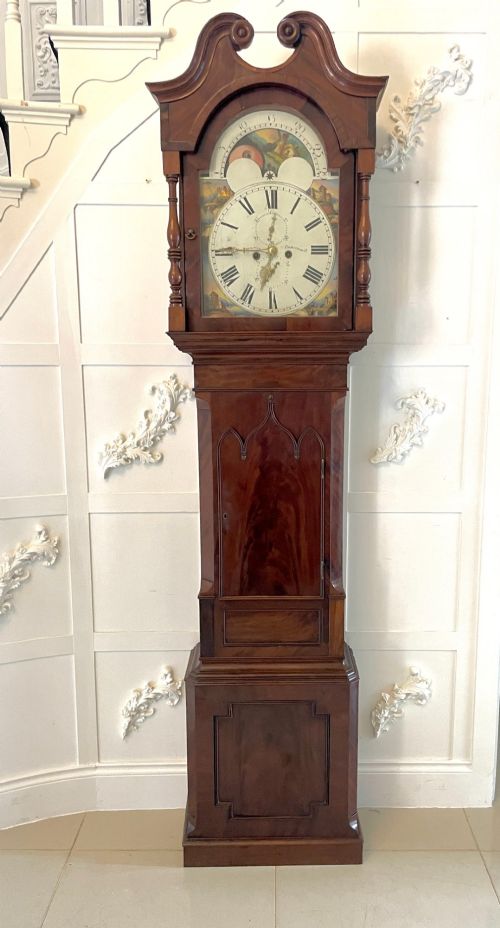
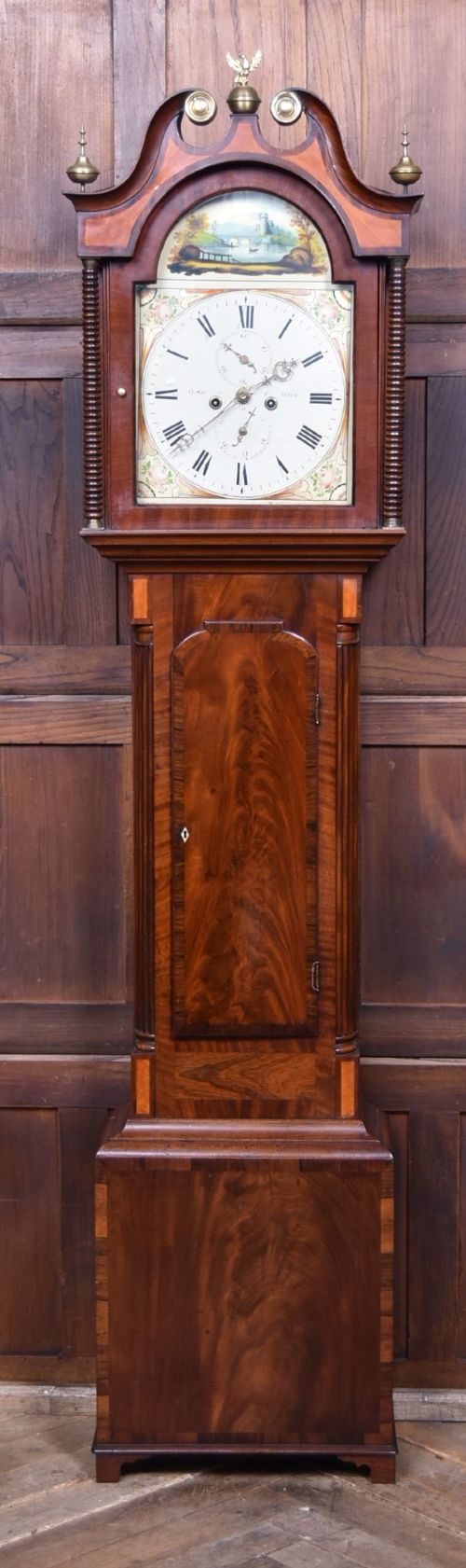
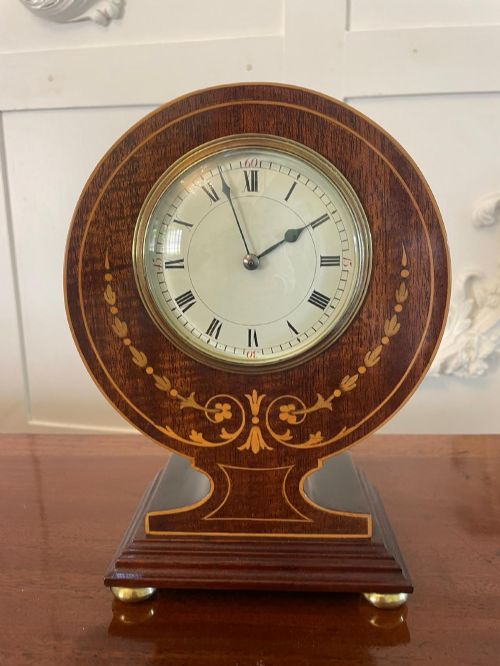
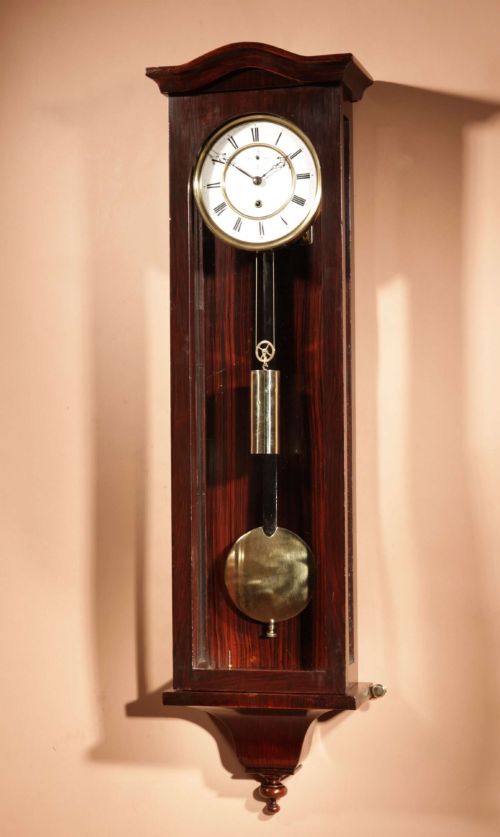
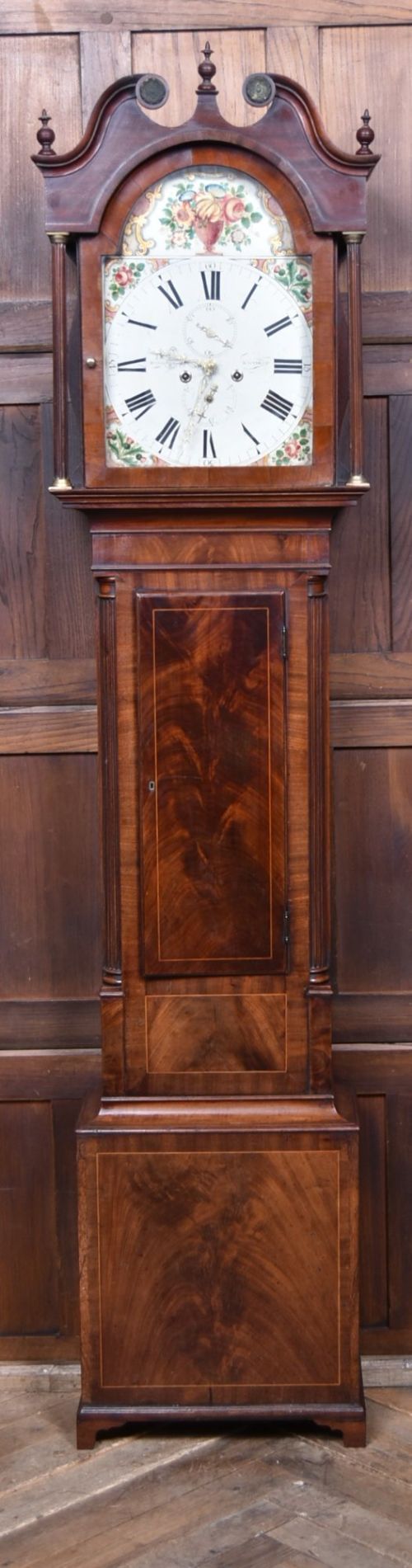
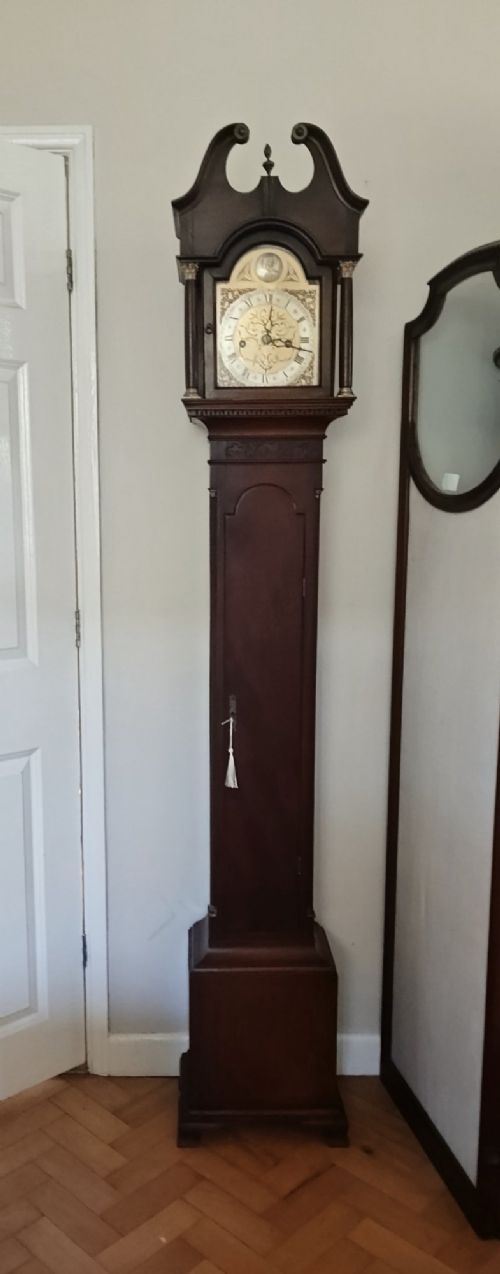
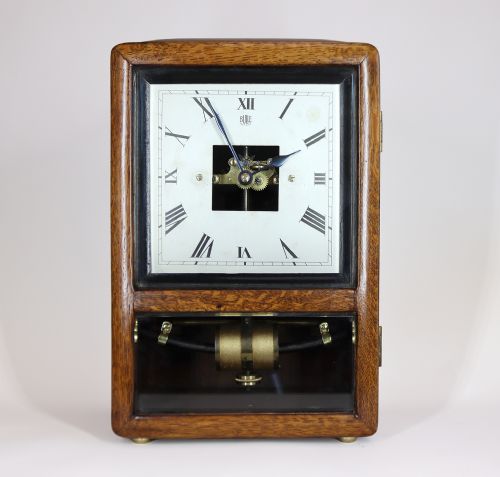
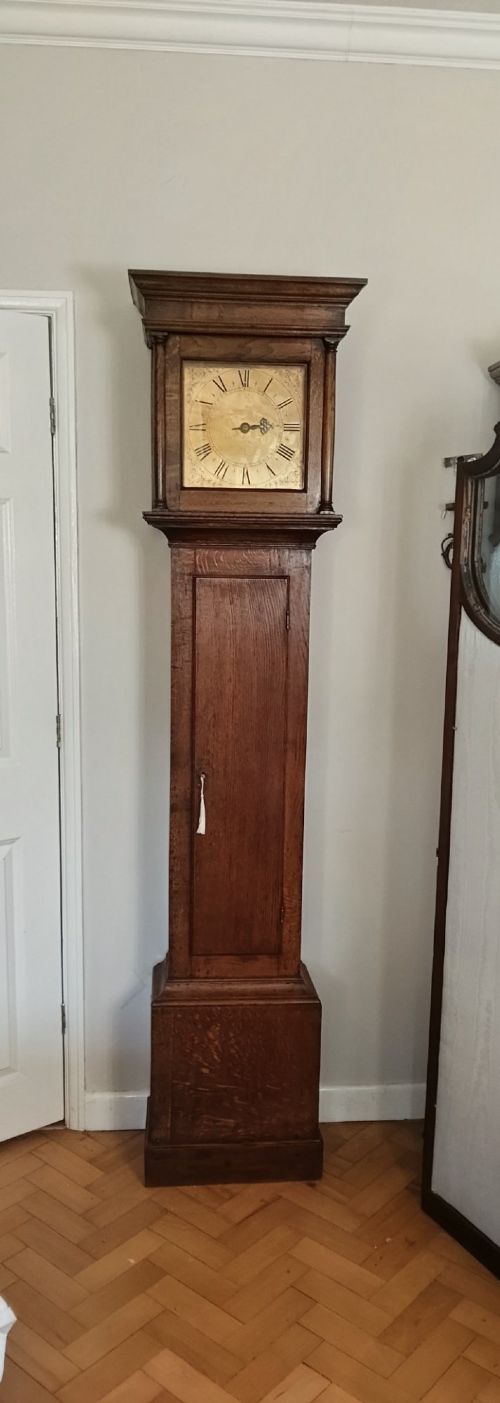
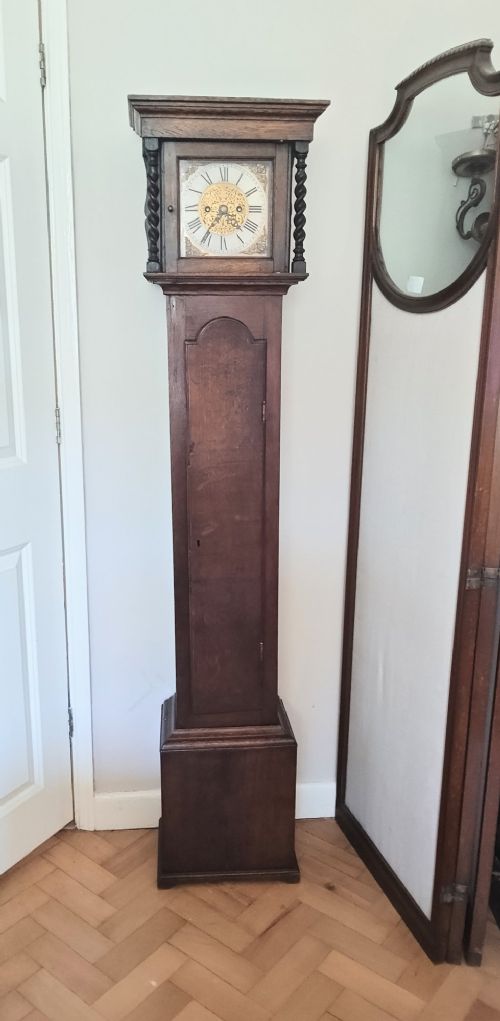
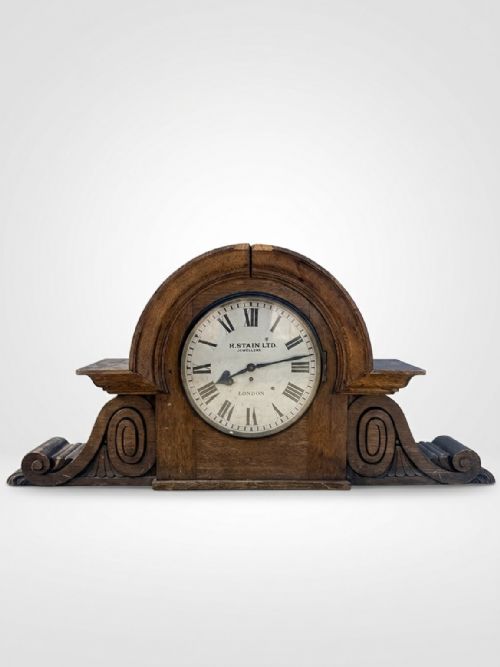
A wooden cased clock encompasses tall floor-standing longcase examples alongside wall-hung dials and mantel pieces. The selections span Georgian, Victorian, and Edwardian eras, reflecting domestic timekeeping across two centuries.
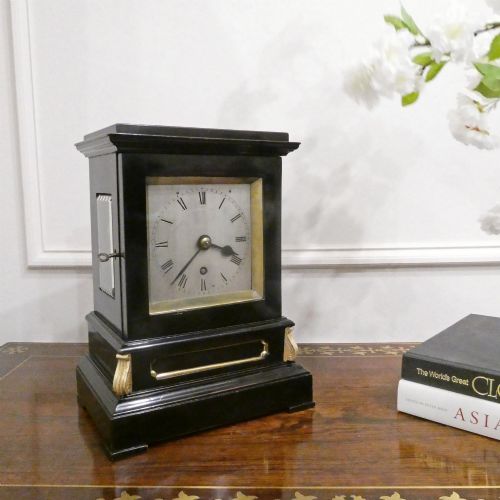
Tall longcase clocks dominate the larger forms in oak and mahogany, while smaller wall clocks and library clocks utilise mahogany, walnut, and ebonised wood for more compact rooms.
Materials and construction methods
Cases rely on traditional cabinet timbers such as mahogany, oak, and walnut, often enhanced with glass panels and brass dials or bezels. Movements incorporate iron, brass, and enamel components fitted within protective timber housings.
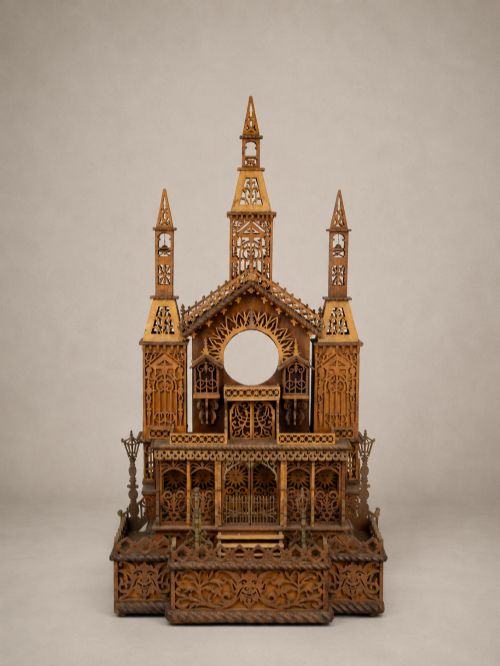
Makers construct these housings using precise joinery, with certain pieces featuring carved fretwork or crossbanding to ornament the primary timber surfaces.
Wooden Cased Clock Retail Price Guide 2026
Typical asking prices for wooden cased clock among the pieces listed under this phrase on Sellingantiques today, from the lower quarter to the upper quarter. They describe what is for sale here now, not the wider market.
Distinctions in craftsmanship and design
Excellence rests in the harmony between the movement and its timber housing, where refined proportions and careful timber selection distinguish finer examples from standard production. Architectural detailing, such as fretwork or crossbanding, elevates the presence of the piece.
The precision of the dial work and the integration of specialised movements, such as fusee or quarter-chiming mechanisms, mark the distinction between everyday timepieces and superior works.
Hendrie Ogg·D Straiton·Tait·Rickards·Dent·Charvet·Winterhalder
The Wooden Cased Clock Glossary
- Fusee
- A conical pulley used in clock movements to maintain an even pull as the mainspring unwinds. This mechanism helps sustain consistent timekeeping accuracy throughout the power reserve.
- Longcase clock
- A tall floor-standing timepiece housed in a protective wooden trunk with a weighted movement. These pieces are frequently termed grandfather clocks.
- Dial
- The face of the clock where hours and minutes are displayed via hands. Dials appear in painted iron, brass, or enamel across various periods.
- Bracket clock
- A portable timekeeper originally designed to sit on a wall bracket or table. These pieces often feature glass panels and striking mechanisms.
- Crossbanding
- A decorative border of veneer laid around the edges of a wooden panel so the grain runs at right angles to the central surface.
Wooden Cased Clock: Frequently Asked Questions
How do I wind a longcase clock?
Winding requires raising the weights suspended inside the trunk using a winding key, turning the barrels until the weights reach their upper limit.
Care must be taken not to overwind the mechanism, ensuring the weights do not pull tight against the pulley cords.
Where should I place a wall clock?
Wall clocks require a secure fixing directly into wall studs or masonry to support the weight of the timber case and movement.
Placement should avoid damp areas and direct sunlight to protect the wood and internal brass components.
What is a fusee movement?
A fusee movement uses a conical pulley and cord to equalise the declining power of the mainspring as it unwinds.
This traditional arrangement promotes more accurate timekeeping across the duration of the run.
How do I identify a Georgian longcase clock?
Georgian longcase clocks typically exhibit proportions in oak or mahogany, often featuring arched brass or painted iron dials.
Their construction predates the mass-production methods of the later nineteenth century, showing hand-finished interior elements.