



Wooden Canape
A wooden canape is a substantial upholstered seat designed for formal reception rooms, offering grand proportions and enduring period character.
Wooden Canape
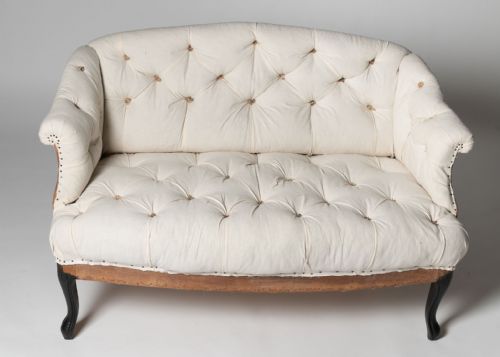
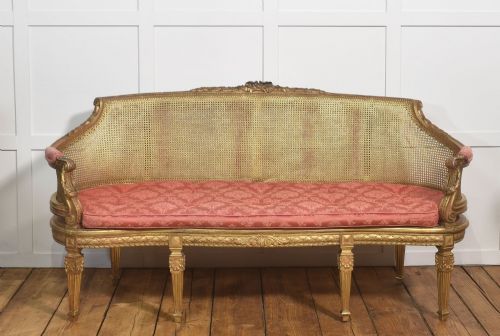
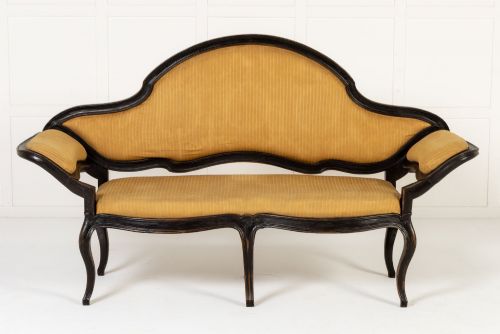
A wooden canape search uncovers formal seats ranging from French salon settees to carved walnut daybeds and occasional serving trays. The pieces you meet most often on this page are nineteenth-century French and eighteenth-century Italian or Swedish sofas built with exposed wooden frames.
Makers fashioned these grand seats in distinct regional aesthetics, moving from elaborate Louis XV and Louis XVI revival styles to restrained Regency and Edwardian interpretations. Buyers encounter open frames upholstered in linen, velvet, or fabric alongside woven cane panels.
The form encompasses both grand salon furniture and compact two-seater couches designed for bedroom ends or specialised seating arrangements. Each piece reflects the decorative priorities of its period, balancing structural woodwork with decorative upholstery.
Materials and Construction
Craftsmen shaped these frames from solid hardwoods, utilising walnut, ebonised timber, and gilded wood to provide structural integrity for ornate carvings. Artisans applied paint finishes directly to the wood or left the natural grain exposed depending on the prevailing style.
Upholstery and decorative details relied on natural textiles including linen, velvet, and woven cane panels set into the wooden backrests and arm supports. Giltwood accents and detailed surface carvings completed the decoration of the framework.
Wooden Canape Retail Price Guide 2026
Typical asking prices for wooden canape among the pieces listed under this phrase on Sellingantiques today, from the lower quarter to the upper quarter. They describe what is for sale here now, not the wider market.
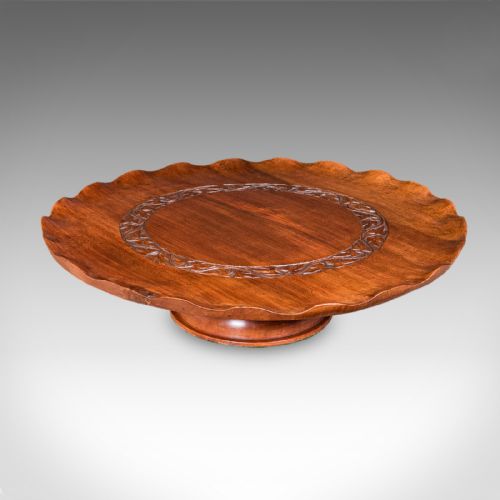
Certain quirky Edwardian kitchen accessories share this exact search name, bringing unexpected rotating serving trays into the company of grand salon settees.
Assessing Quality
Quality rests in the crispness of the hand-carved woodwork and the structural harmony of the frame proportions. Superior pieces display fluid lines in the walnut or giltwood, while lesser examples exhibit heavy or blunt carving.
The integration of materials also dictates standard, where tightly woven cane and well-preserved original upholstery elevate the execution of the piece. Master craftsmen ensured the joinery remained concealed yet robust beneath the decorative surface.
The Wooden Canape Glossary
- Canape
- An ornamental sofa or settee featuring an exposed wooden frame and upholstered seat, originating in France. These pieces typically accommodate multiple sitters in formal reception spaces.
- Bergere
- An enclosed upholstered armchair or settee with wooden sides filled with cane or upholstery. The design provides a solid yet decorative seating enclosure.
- Cane
- Strips of rattan or peeled plant material woven into an open pattern for seat backs and panels. This technique adds lightness to heavy wooden furniture frames.
Wooden Canape: Frequently Asked Questions
What distinguishes a canape from a standard sofa?
A canape specifically designates a decorative French settee featuring an exposed, often carved wooden frame. These pieces emphasise visible craftsmanship in the woodwork alongside traditional upholstery.
Traditional sofas from other regions often prioritize fully upholstered surfaces that conceal the internal frame structure entirely.
How do I care for antique wood and upholstery?
Protect the wooden frames by maintaining stable indoor humidity and avoiding direct sunlight that can dry out walnut or damage gilt surfaces. Dust carved details gently with a soft dry cloth.
Vacuum fabric and velvet upholstery on a low setting using a specialised attachment to prevent fibre degradation over time.
Where were wooden canapes historically placed?
These seats occupied principal reception rooms, salons, and formal parlours where hosts received guests. Their grand scale and decorative frames were intended to project status and taste.
Smaller iterations occasionally served in private withdrawing rooms or bedchambers as elegant resting places.
How do I identify a revival style frame?
Revival pieces replicate eighteenth-century Louis XV or Louis XVI aesthetics using nineteenth-century manufacturing methods and machine-assisted carving techniques. Examine the timber seasoning and tool marks to determine the production era.
Stylistic proportions often appear slightly heavier or more standardised compared to genuine period exemplars from the seventeen-hundreds.