

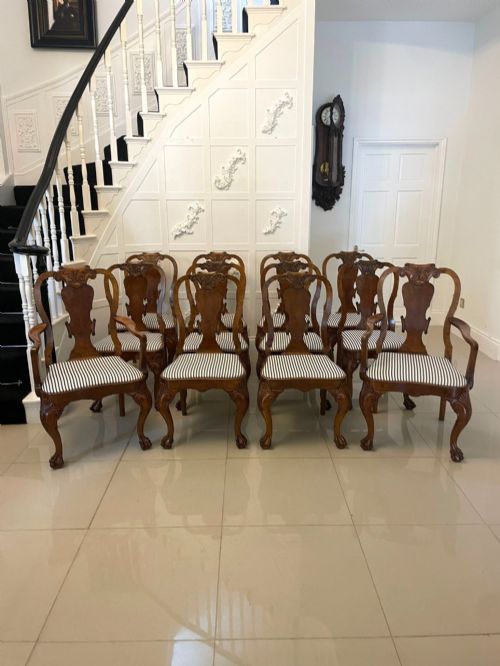
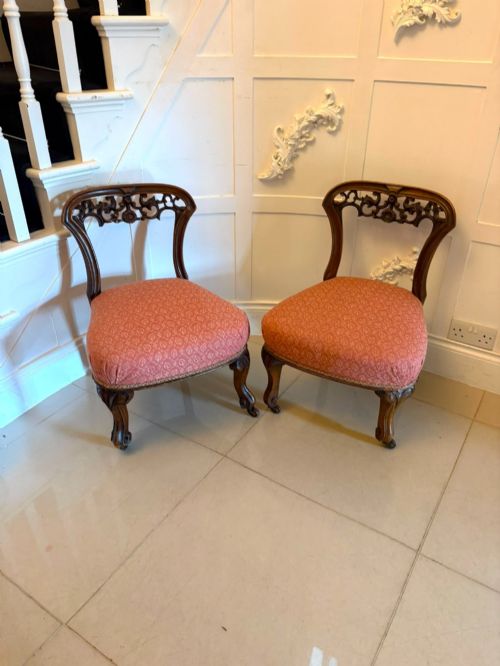
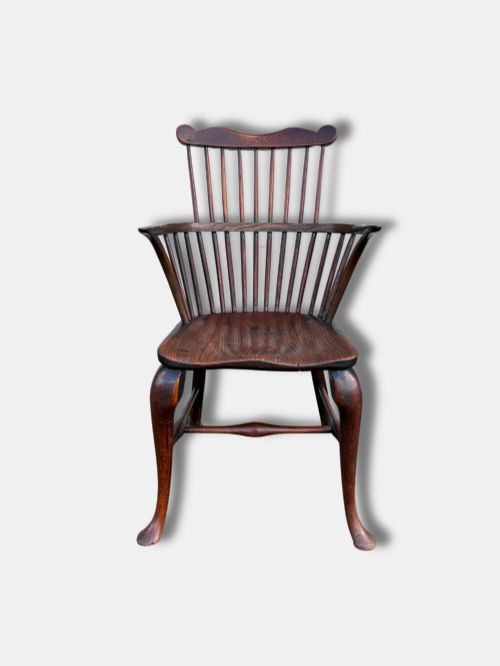
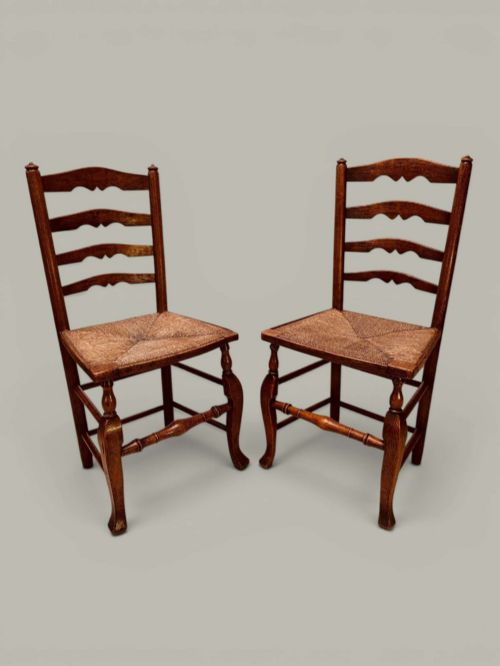
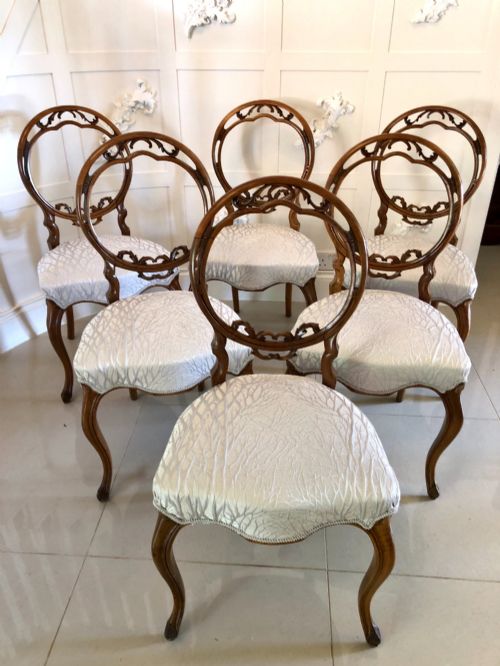
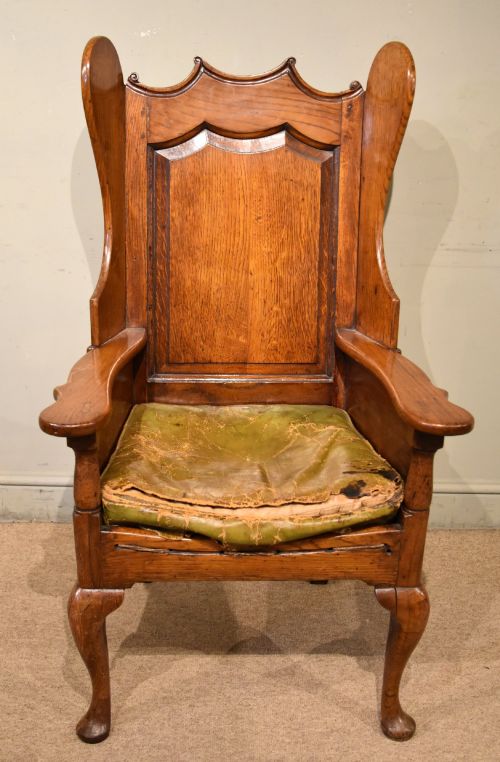
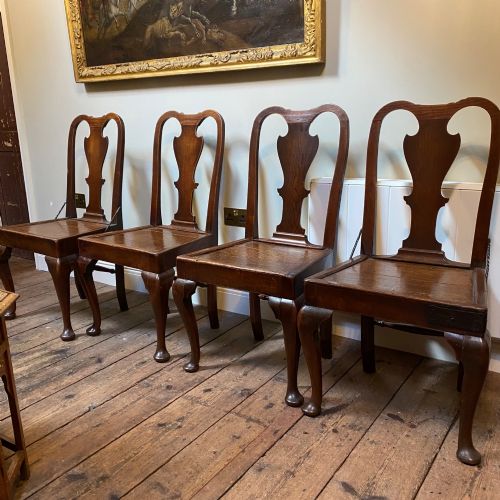
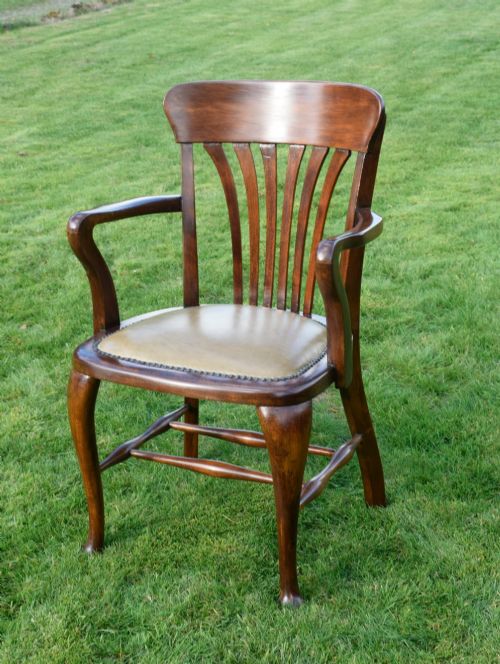
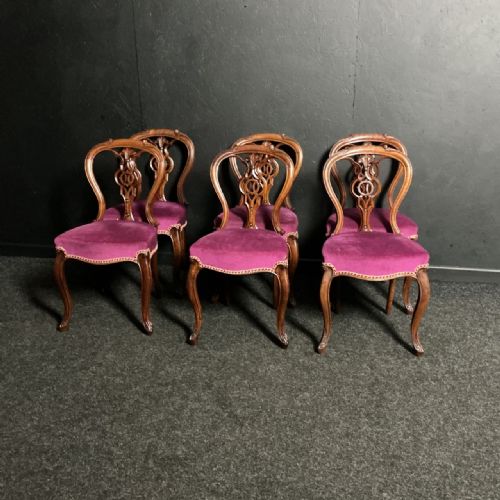
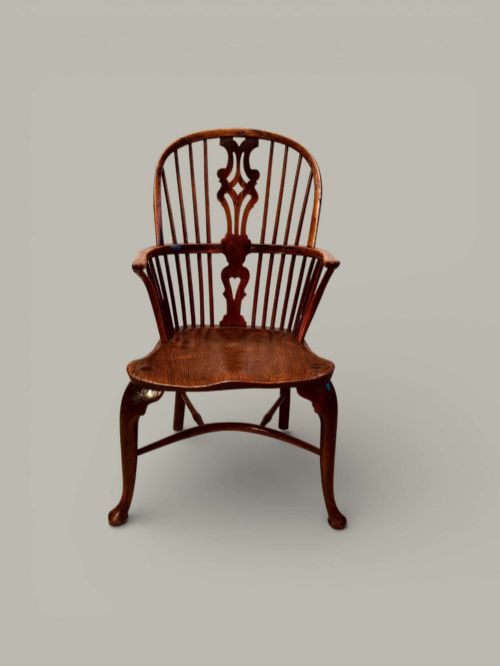
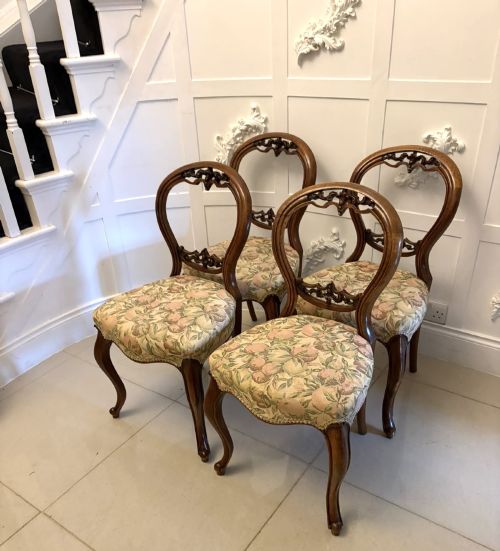
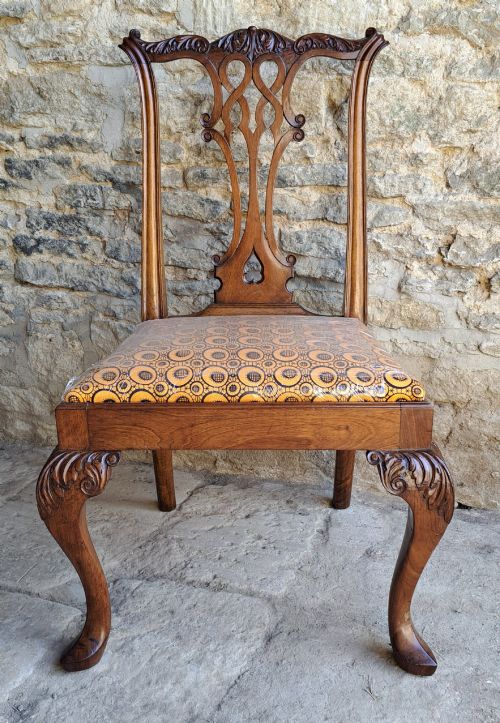
Wooden Cabriole Leg Chair
A wooden cabriole leg chair brings curved elegance to a room, resting on the signature sinuous support that defines generations of seating.
Wooden Cabriole Leg Chair
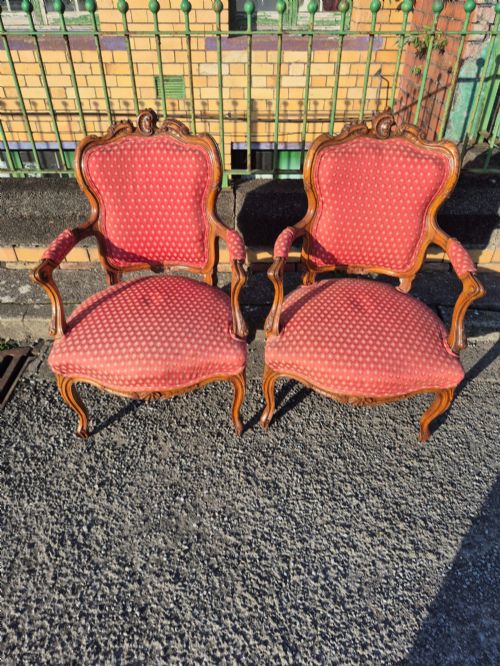
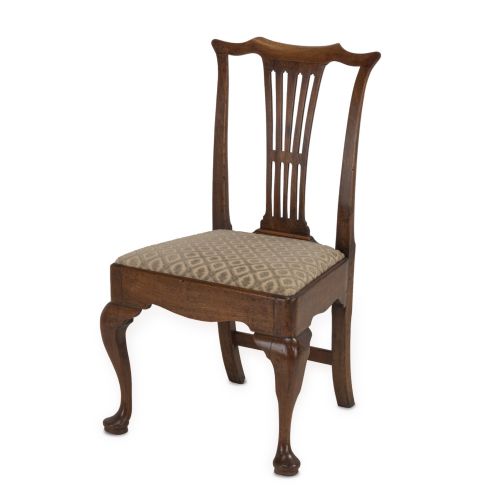
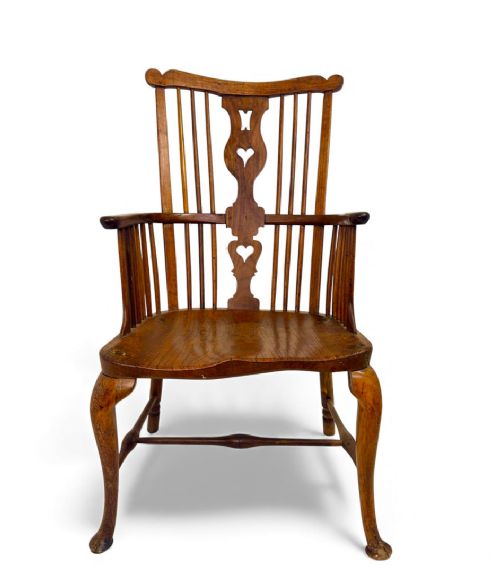
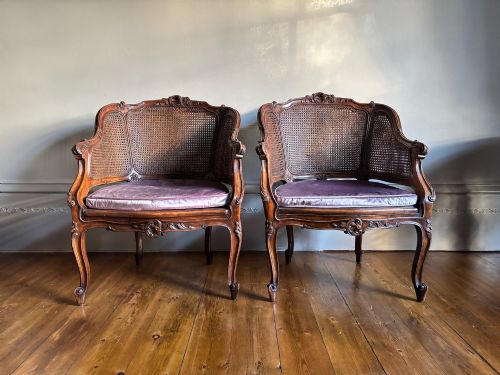
A wooden cabriole leg chair is defined by its characteristic double-curved leg, sweeping outward at the knee and tapering inward toward the foot. These pieces appear across dining sets, armchairs, and side chairs spanning the eighteenth, nineteenth, and early twentieth centuries.
The selection ranges from early walnut and oak examples through to Victorian mahogany and Edwardian revivals. Buyers frequently encounter Victorian dining sets and walnut side chairs utilising this distinctive leg profile.
Forms vary from high-backed desk armchairs and nursing chairs to expansive dining sets and wing back armchairs. Each period reinterprets the foundational curve through local timbers and regional joinery traditions.
Materials and construction methods
Construction relies heavily on dense hardwoods such as walnut and mahogany, alongside regional timbers like oak, ash, and elm. Cabinetmakers shaped the serpentine legs directly from solid timber blocks to ensure structural integrity at the curves.
Joinery techniques involve traditional mortise and tenon frames, reinforced with corner blocks on robust seating forms. Upholstered variants incorporate webbing and stuffing beneath coverings of leather, velvet, or fabric.
Wooden Cabriole Leg Chair Retail Price Guide 2026
Typical asking prices for wooden cabriole leg chair among the pieces listed under this phrase on Sellingantiques today, from the lower quarter to the upper quarter. They describe what is for sale here now, not the wider market.
Styles span Queen Anne, Georgian, Victorian, Chippendale Revival, and Louis XV aesthetics.
Factors that distinguish quality
Quality rests upon the purity of the leg's line and the crispness of any carved ornamentation on the knee or crest rail. Finer examples display harmonious proportions where the sweep of the leg supports the seat frame without heaviness.
Timber selection dictates durability and visual depth, with figured walnut and dense mahogany marking higher tiers of production. Original surface patination and tight, unaltered joinery further separate superior items from later restorations.
The Wooden Cabriole Leg Chair Glossary
- Cabriole leg
- A furniture leg featuring a double curve, convex at the top and concave at the bottom, mimicking animal limbs. It gained prominence during the early eighteenth century.
- Pad foot
- A simple foot at the base of a cabriole leg where the timber spreads slightly flat. It provides a clean finish without carved toes.
- Settee
- A medium-length wooden or upholstered seat with a back and arms, designed for multiple occupants. It shares stylistic traits with matching chair suites.
Wooden Cabriole Leg Chair: Frequently Asked Questions
How do I date a wooden cabriole leg chair?
Dating relies on timber choice, construction marks, and stylistic clues inherent to the frame. Eighteenth-century pieces often utilise walnut or oak with hand-cut joinery, while Victorian examples frequently employ mahogany or walnut with machine-assisted uniformity.
Examining the underside and joint construction reveals tool marks that clarify the manufacturing era. Comparing the leg profile and stretcher arrangement against known period styles helps narrow the decade of origin.
Are these chairs suitable for daily dining use?
Many dining chairs from this category remain sturdy enough for regular seating when the frame joints are sound. Walnut and mahogany dining sets from the Victorian and later periods were built specifically for functional household use.
Buyers should inspect the structural stability of the leg attachments and seat rails before daily deployment. Professional conservation can often tighten loose joints without altering historical timber.
What is the difference between Queen Anne and Chippendale styles?
Queen Anne seating typically emphasises clean, curving lines with pad feet and vase-shaped splats, dominated by walnut timbers. Chippendale designs, emerging slightly later, introduce more elaborate carved details, ribbon backs, and claw-and-ball feet in mahogany.
Both styles utilise the cabriole leg, but the later revival and Georgian interpretations add structural complexity and varied ornamentation. Recognising the shift in carving motifs helps distinguish between the two epochs.
How should I care for antique wood and upholstery?
Maintenance requires keeping wooden frames away from direct heat sources and sudden humidity changes to prevent timber splitting. Gentle dusting with a dry cloth preserves the aged surface finish and wax patination.
Upholstered sections benefit from careful vacuuming using low suction attachments to protect delicate fabrics like velvet or leather. Professional cleaning is recommended for antique coverings to avoid damaging historical textiles.