

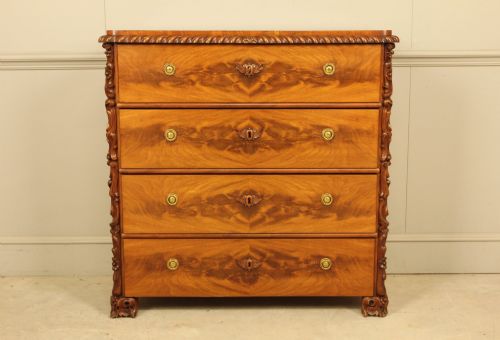
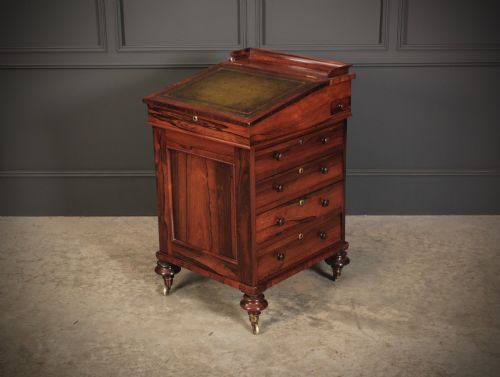
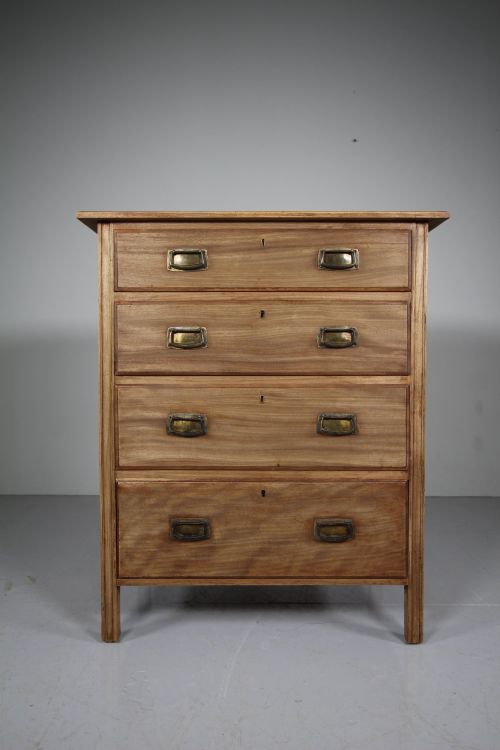
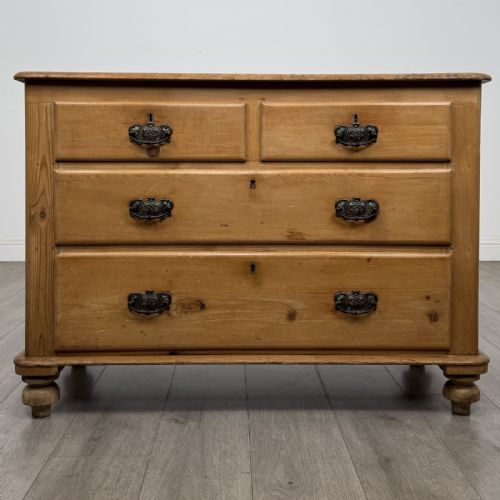
Wooden Bureau Cabinet
A wooden bureau cabinet is a fitted writing desk and storage piece that anchors a room with practical character.
Wooden Bureau Cabinet
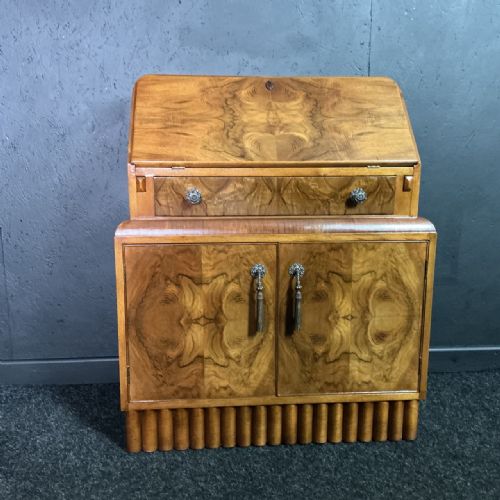
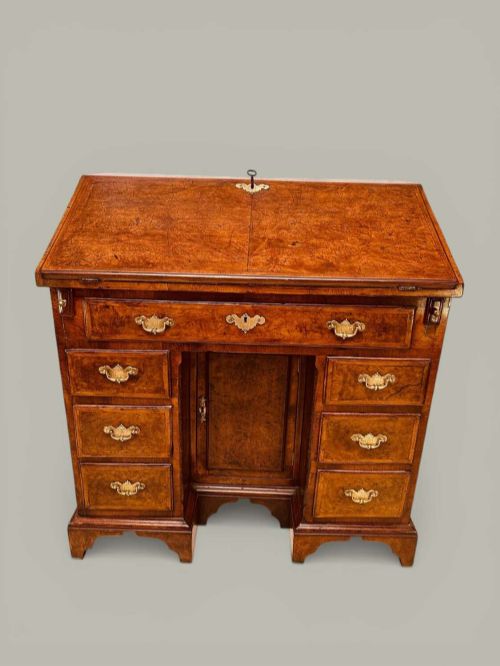
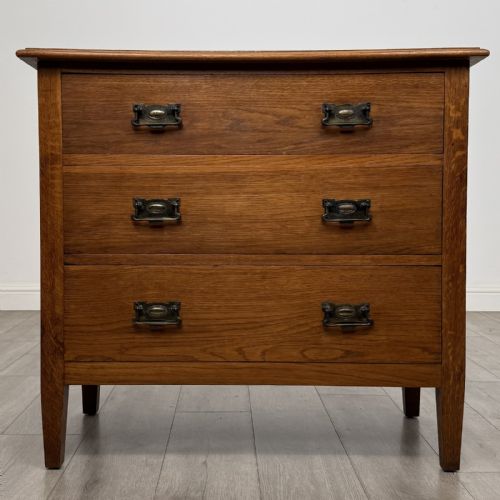
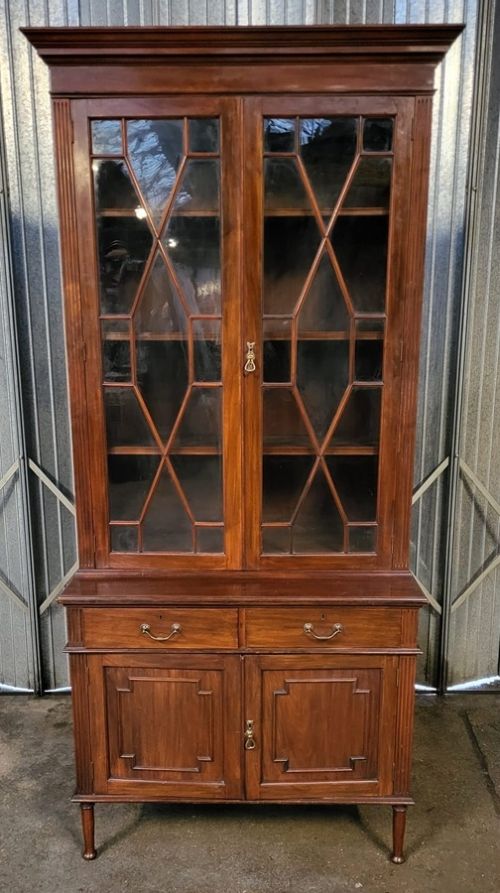
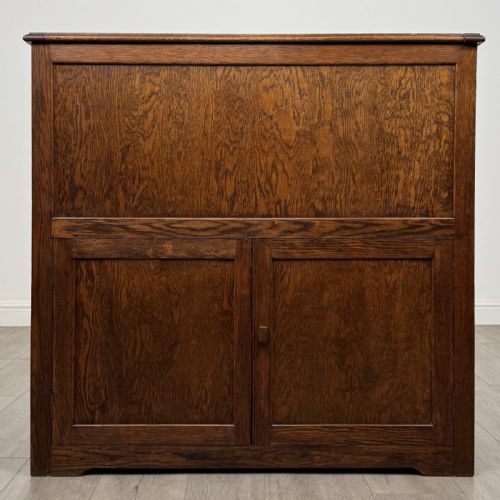
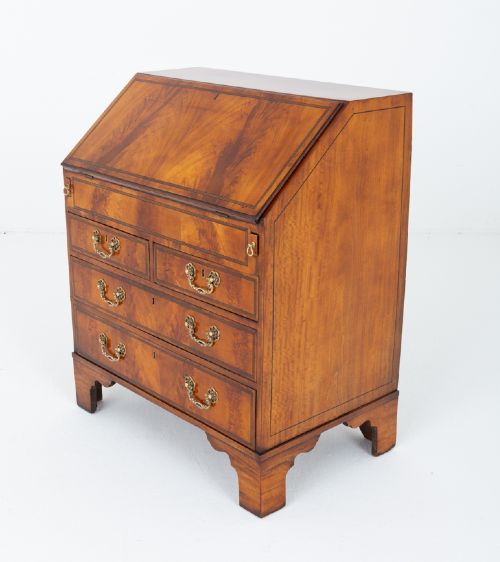
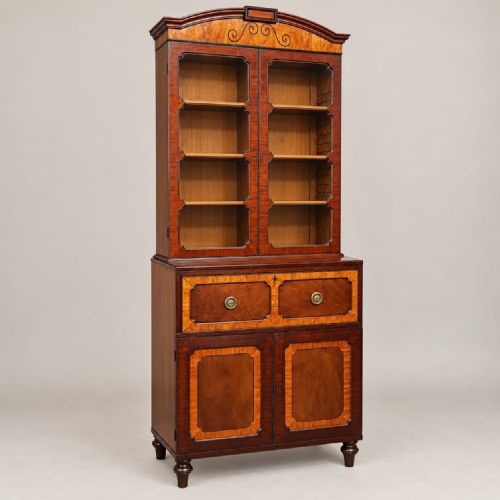
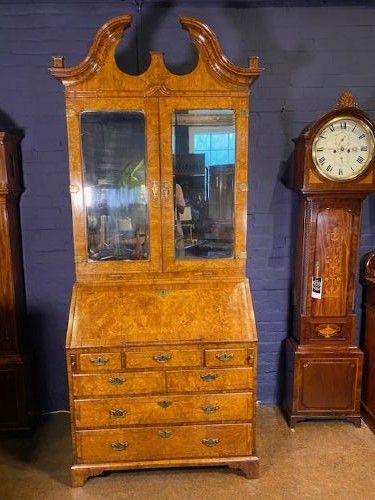
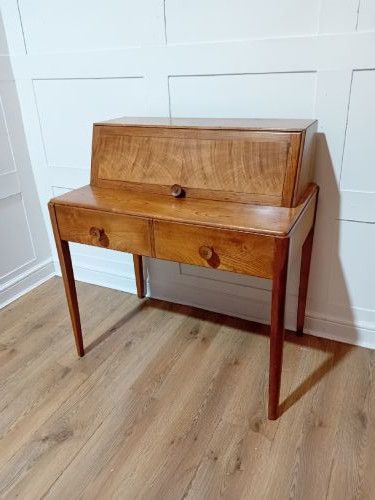
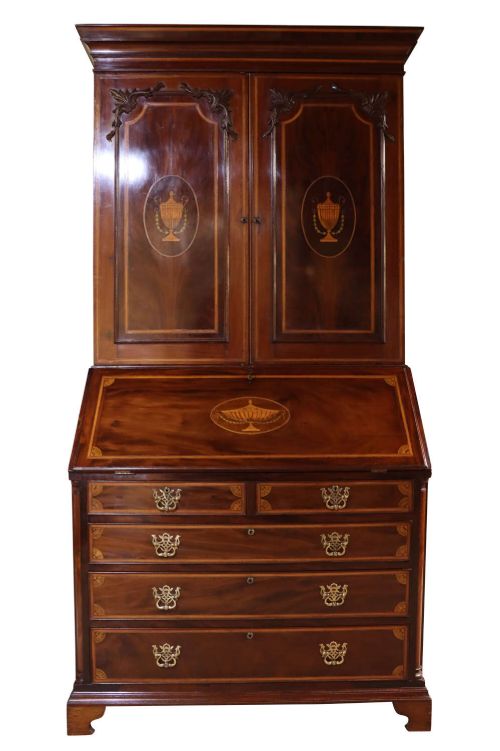
When searching for a wooden bureau cabinet, buyers encounter diverse forms ranging from fall-front writing desks to glazed bookcase combinations and secretaire chests. The selection spans Georgian, Victorian, Edwardian, and Art Deco periods, reflecting changing domestic needs for writing space and book storage.
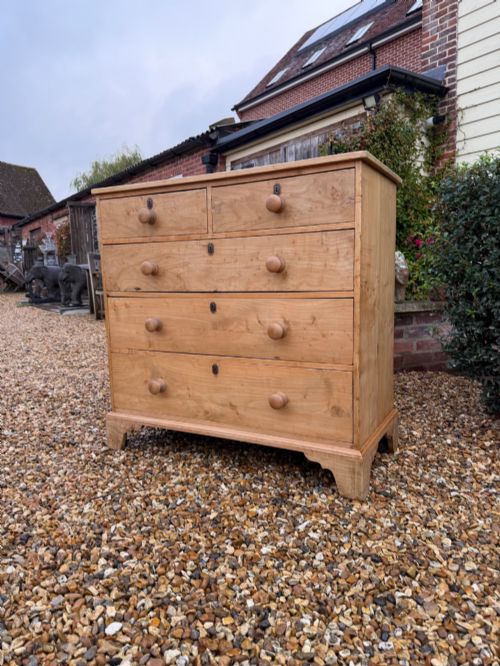
Mahogany and oak dominate the pieces seen, alongside walnut, burr walnut, satinwood, and pine. These woods appear across eras from the eighteenth century into the twentieth century, matched with brass hardware and glass doors.
Materials and construction
Cabinet makers built these pieces using solid timbers and decorative veneers such as flame mahogany, satinwood crossbanding, and burr walnut. Brass handles, escutcheons, and hinges provided functional and decorative accents.
Internal construction involved fitted pigeon holes, small drawers, and fall-front writing slopes supported by wooden brackets or pull-out arms.
Wooden Bureau Cabinet Retail Price Guide 2026
Typical asking prices for wooden bureau cabinet among the pieces listed under this phrase on Sellingantiques today, from the lower quarter to the upper quarter. They describe what is for sale here now, not the wider market.
Quality differences
The standard of a wooden bureau cabinet rests on the selection of timber veneers, the precision of internal pigeon hole joinery, and the integration of secondary woods. Superior examples display thoughtful grain matching and well-executed inlay work.
Construction details such as drawer linings, original brassware, and the smoothness of the fall-front mechanism distinguish utilitarian examples from finer workshop productions.
Heals·Maple & Co.·E Gomme·Arthur Basil Reynolds·Bryn Mawr·Gillows
The Wooden Bureau Cabinet Glossary
- Secretaire
- A piece of furniture containing a drawer or compartment that pulls down or drops open to form a writing surface. It often disguises this function behind traditional drawer fronts.
- Fall front
- A hinged writing flap that drops from a vertical position to horizontal for writing. When closed, it conceals internal pigeon holes and small drawers.
- Crossbanding
- A strip of veneer applied around the border of a panel or drawer front with the grain running perpendicular to the centre wood. This technique provides a decorative framing effect.
- Pigeon holes
- Small open compartments fitted inside a bureau or desk for sorting letters and papers. They form part of the internal stationery fitment.
Wooden Bureau Cabinet: Frequently Asked Questions
What is a wooden bureau cabinet?
A wooden bureau cabinet combines a desk function, often with a fall front or secretaire drawer, with upper bookcase storage or lower drawers. These pieces served as dual-purpose furniture for writing and storing volumes in period homes.
They appear in various woods including mahogany, oak, and walnut across Georgian, Victorian, and later periods. The internal fittings typically include pigeon holes and small storage compartments.
How do I use a bureau cabinet today?
The drop-down writing flap provides a functional surface for correspondence or laptop use while keeping papers concealed when closed. Upper glass doors on bookcase variants display book collections or display items.
Lower drawers and cupboards offer practical storage for household items, making these pieces adaptable for modern living spaces and studies.
How do I date a wooden bureau cabinet?
Dating relies on observing timber choices, construction methods, and stylistic details such as brass hardware and leg forms. Georgian pieces often display different proportions and cabinet-making signatures compared to Victorian or Art Deco iterations.
Makers' labels, stamps, or documented workshop origins also provide precise chronological attribution where present.
What woods were used for these cabinets?
Makers utilised mahogany and oak most frequently, alongside walnut, burr walnut, satinwood, and pine. Decorative techniques often incorporated crossbanding and veneering to highlight grain patterns.
Secondary woods inside drawers and internal partitions offer further clues regarding regional origin and period production methods.