

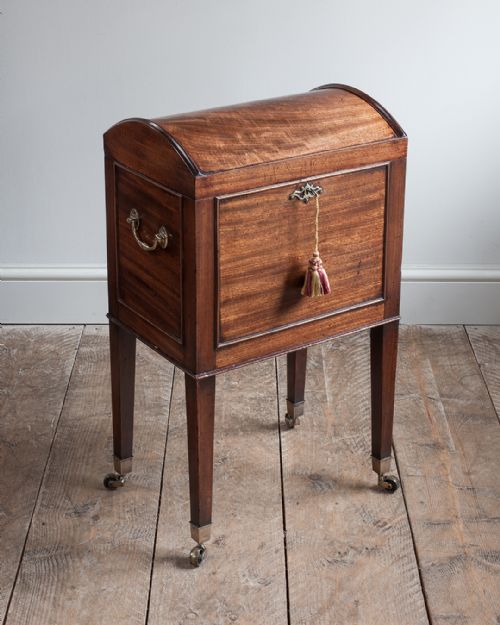


Wooden Bottle Storage Chest
A wooden bottle storage chest is a robust container for holding fine wine, offering both period character and practical utility.
Wooden Bottle Storage Chest
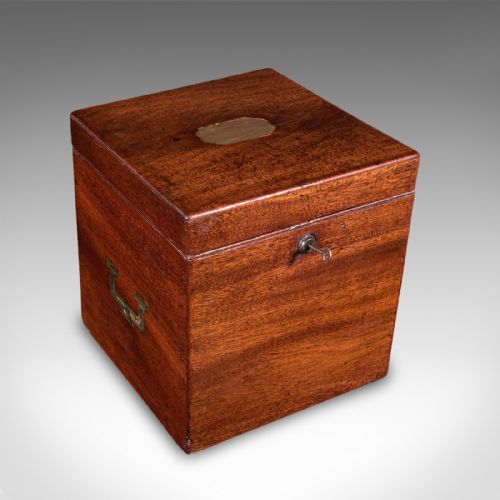
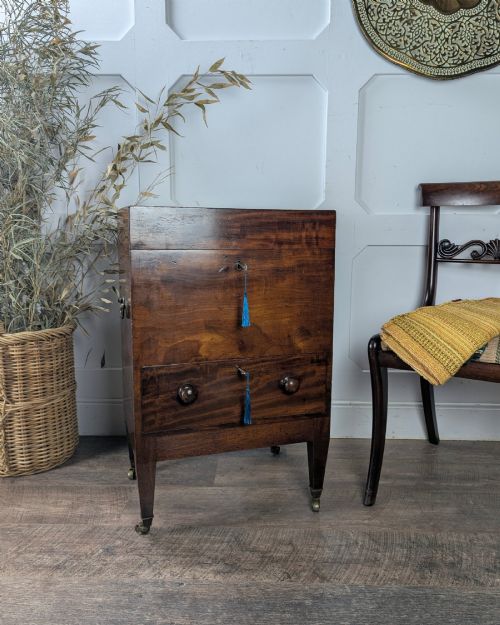
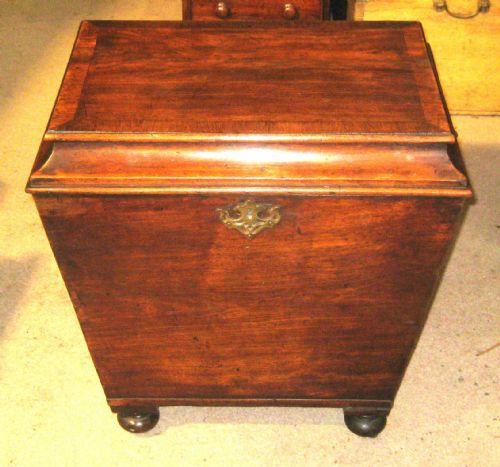
A wooden bottle storage chest, frequently catalogued as a wine cooler or cellarette, is designed to keep bottles secure and cool. These pieces date across the Georgian, Regency, and Victorian periods, reflecting the shifting domestic habits of affluent households.
Originating in eras when wine was decanted and served from sideboard level, these chests combine functional storage with architectural presence. Buyers select them to anchor a dining room or bring historical gravitas to a modern interior.
Distinctions in Quality
Quality reveals itself in the selection of timber and the precision of the joinery. Superior examples utilise figured veneers and substantial brass mounts that have aged gracefully alongside the wood.
The sophistication of the internal fittings marks another division. Well-executed pieces feature intact dividers and original linings, whereas lesser or altered examples show replaced interiors and simple secondary woods.
Some Edwardian brewers repurposed old barrels into stout storage chests, proving that industrial packaging sometimes merits a second life.
Gillows of Lancaster and London·Whytock and Reid
The Wooden Bottle Storage Chest Glossary
- Cellarette
- A lockable container used for storing wine bottles near the dining table. They frequently stand on legs or rest directly on the floor.
- Sarcophagus form
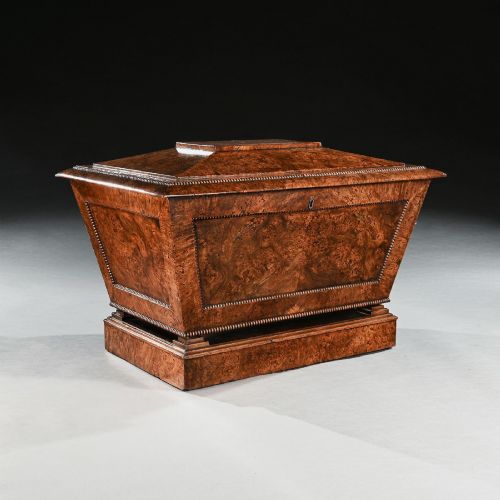
- A burial-chest shape popular for Regency wine coolers, featuring a distinctive sloping lid and heavy proportions. This silhouette added classical dignity to dining rooms.
- Pollard oak
- Timber taken from trees that have been pollarded, producing a dense wood with a knotted, highly decorative grain. It was favoured for high-status Regency furniture.
- Ormolu
- Gilt-bronze mounts applied to furniture for decorative enrichment. This technique appears on French-influenced pieces.
- Flame mahogany
- A veneer cut from the branch junction of the mahogany tree, creating a distinctive flamy or feathered grain pattern. It was selected for the most prominent exterior surfaces.
Wooden Bottle Storage Chest: Frequently Asked Questions
How were wooden bottle storage chests used?
These chests sat in the dining room, often beneath a sideboard, to hold wine bottles ready for the table. Servants filled the interior with ice or cold water to chill the wine before serving.
Over time, as dining customs shifted, many lost their metal linings and transitioned into general storage for bottles or household items.
How do I tell a Georgian piece from a Regency one?
Georgian chests lean towards straight lines, bracket feet, and restrained mahogany surfaces, often following Sheraton or Hepplewhite designs. They feel architectural and relatively upright.
Regency pieces embrace heavier classical motifs, such as the sarcophagus shape, paw feet, and bold brass lion mask handles. They look considerably more monumental and draw directly on Roman and Greek revival styles.
Where should I place a wine cooler at home?
A wooden bottle storage chest makes a striking focal point in a dining room, placed against an empty wall or beneath a large painting. Its low profile also suits a hallway or living room corner.
Keep these pieces away from direct heat sources and radiators to prevent the dry air from splitting the old timber and veneers.
Did all these chests originally hold ice?
Not every chest held ice; many served simply as secure cellarettes to lock away valuable wine from household staff. Those designed for chilling feature lead or zinc linings inside the wooden carcass.
Examine the interior for drainage holes or metal liners if you want to know whether a specific chest functioned as an active cooler.