
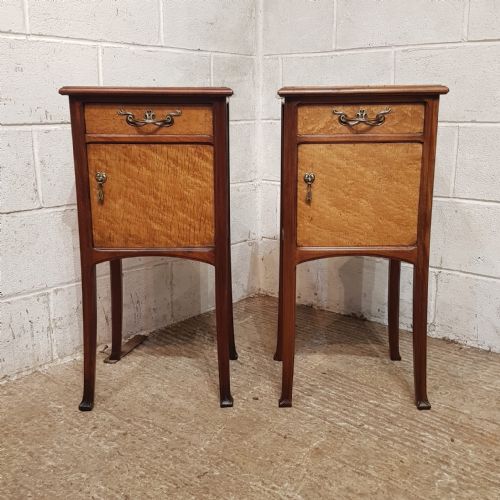


Wooden Art Deco Cupboard
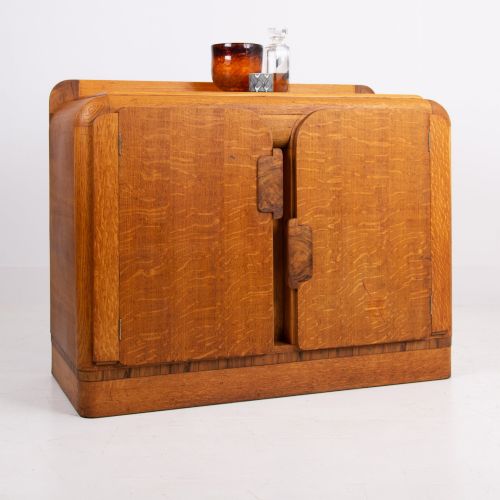
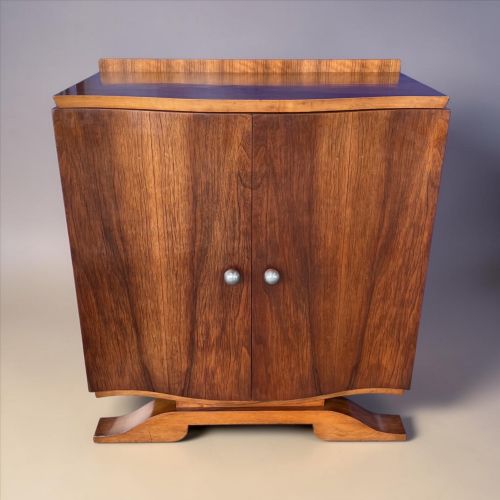
A wooden art deco cupboard brings distinct geometric lines and rich figuring into a room, serving as a striking storage solution.
Wooden Art Deco Cupboard
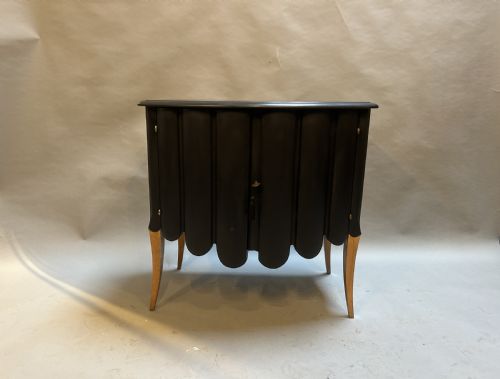
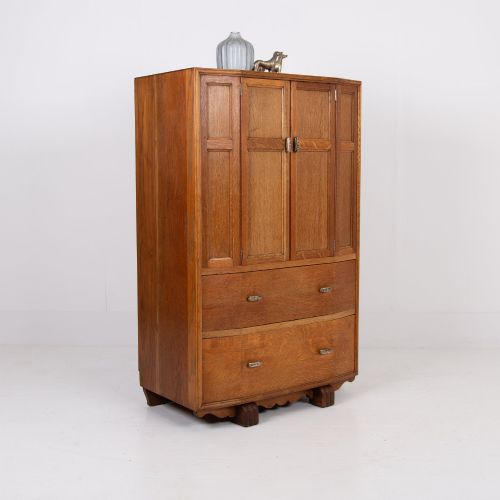
A wooden art deco cupboard encompasses a variety of forms designed for storage, ranging from bedside tables and compact cabinets to tallboys, sideboards, and wardrobes. These pieces emerge predominantly from the nineteen-thirties, with earlier examples stretching back to the nineteen-twenties and occasional Edwardian pieces appearing.
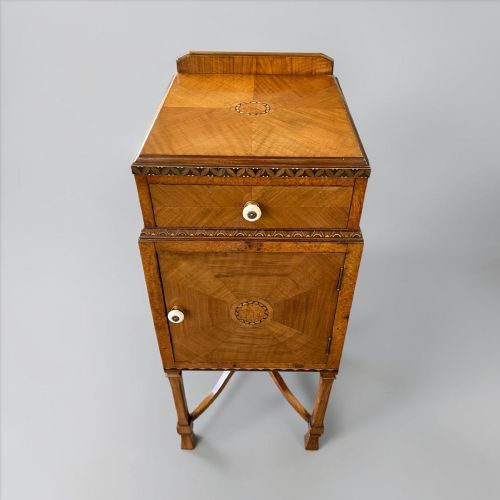
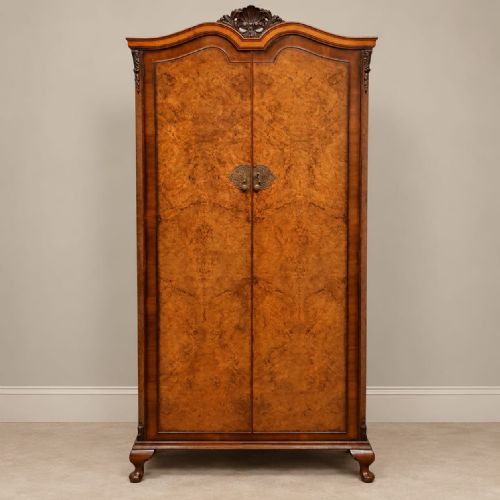
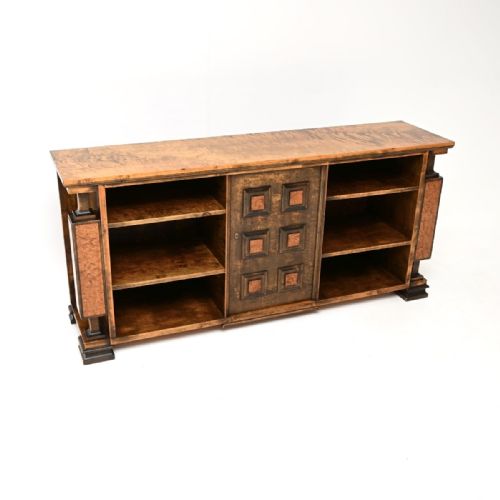
The most common iterations on this page are bedside cabinets and larger storage units executed in rich timbers. Forms vary from cocktail drinks cabinets to expansive wardrobes, reflecting the domestic needs of the interwar period.
Distinctions in quality
The superiority of a piece rests largely on the choice and application of veneer, where matched grain patterns across a symmetrical facade demonstrate superior craftsmanship. Plain timber surfaces rely entirely on the quality of the underlying wood and the precision of the edge joints.
Maker attribution elevates certain pieces, particularly when associated with known workshops or designers of the period. The weight of hardware, the smoothness of drawer runners, and the integrity of internal fittings separate standard production items from workshop-produced commissions.
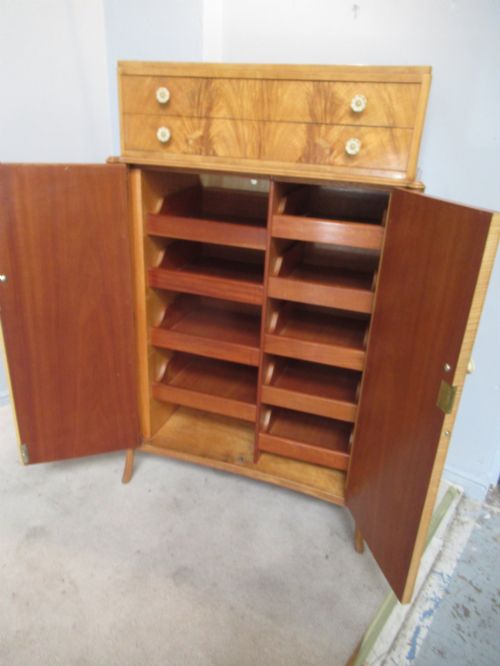
Music cabinets once held rolled sheet scores for the family piano, now repurposed for modern paperwork.
Gomme·Betty Joel·The Bowman Brothers·Heal's·Otto Schulz for Boet
The Wooden Art Deco Cupboard Glossary
- Tallboy
- A tall storage chest combining drawer space and cupboard storage within a vertical footprint. These pieces maximise floor space while offering substantial capacity.
- Cocktail cabinet
- A specialised storage unit designed for entertaining, typically featuring a drop-down prep surface and mirrored interior compartments. These were popular in fashionable interwar homes.
- Book-matching
- A technique where adjacent slices of veneer are opened like a page to create a symmetrical reflection of the grain pattern. This method highlights the natural beauty of burr walnut or elm.
Wooden Art Deco Cupboard: Frequently Asked Questions
What defines an art deco cupboard?
An art deco cupboard is characterised by streamlined geometric forms, stepped outlines, and a focus on rich wood veneers rather than carved ornamentation. The style prioritises clean silhouettes that celebrate modern design principles of the interwar period.
These pieces often feature contrasting timbers, such as maple paired with mahogany, alongside metal hardware that accentuates the horizontal or vertical lines of the furniture.
How do I care for burr walnut?
Burr walnut requires protection from direct sunlight and excessive moisture to prevent the delicate veneer from fading or lifting over time. Regular dusting with a soft, dry cloth maintains the polished finish without building up residue.
Applying a microcrystalline wax occasionally helps nourish the wood and preserves the depth of the grain pattern without sealing the surface permanently.
Where were these cabinets placed?
These cabinets served various domestic functions depending on their scale, ranging from bedroom bedside storage to dining room sideboards and cocktail units. Smaller tables sat beside beds to hold lamps and books, while tallboys provided vertical linen storage in compact spaces.
Living rooms and hallways accommodated larger cabinets and sheet music units, integrating practical storage into the main entertaining areas of the home.
How do I identify a nineteen thirties piece?
Nineteen-thirties furniture typically displays distinct modernist influences, reduced ornamentation, and an emphasis on functional elegance. The construction methods combine traditional joinery with innovative use of plywood cores and decorative veneers.
Makers' marks, when present, often appear inside drawers or stamped on the backboards, though many workshop pieces relied on distinctive design signatures rather than labels.