

Wooden Arm Desk Chair
A wooden arm desk chair brings substance and character to a study, offering sturdy timber framing and comfortable arm supports for everyday use.
Wooden Arm Desk Chair
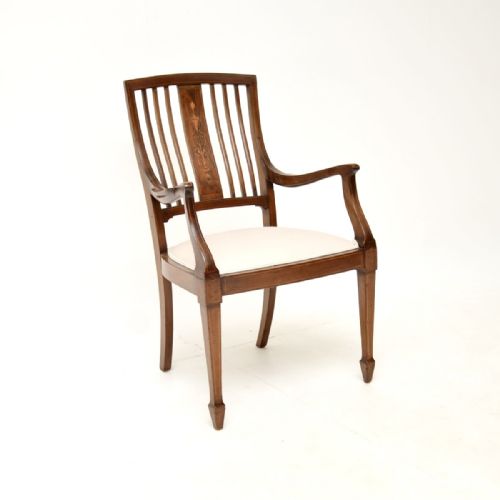
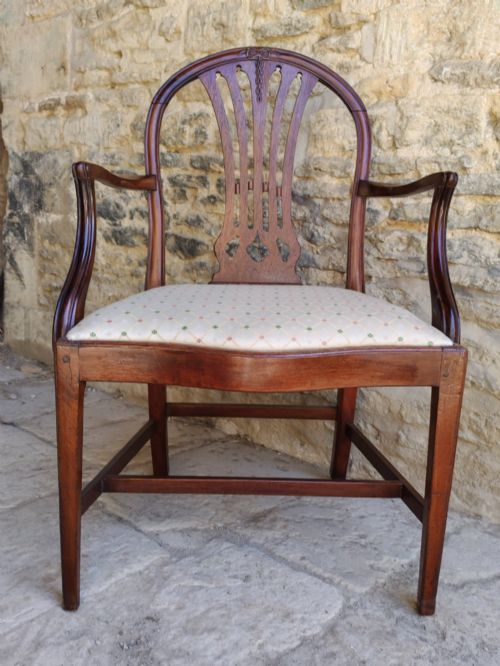
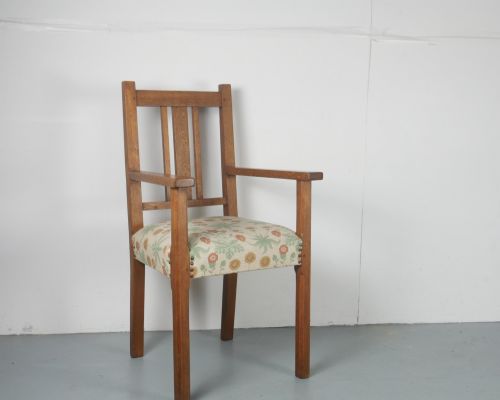
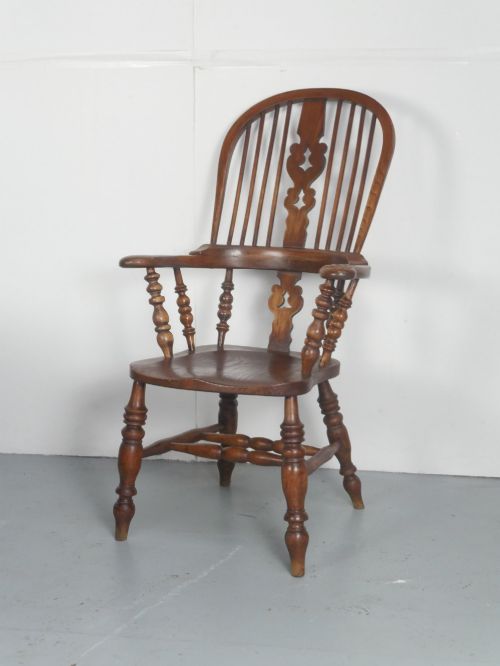
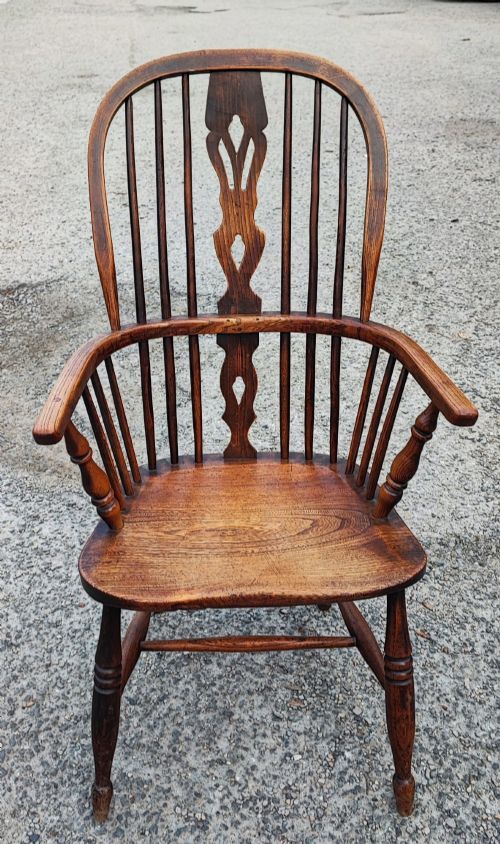
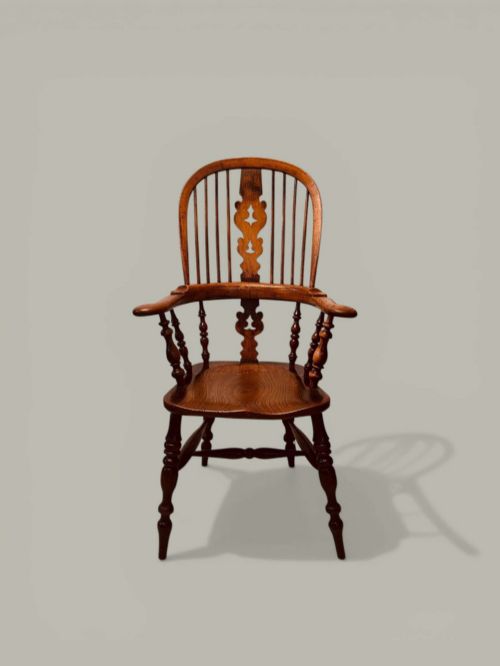
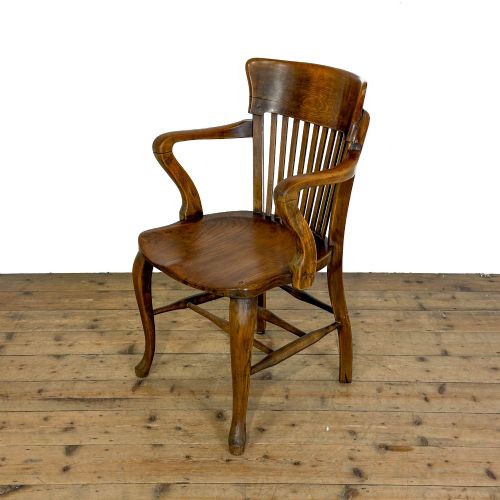
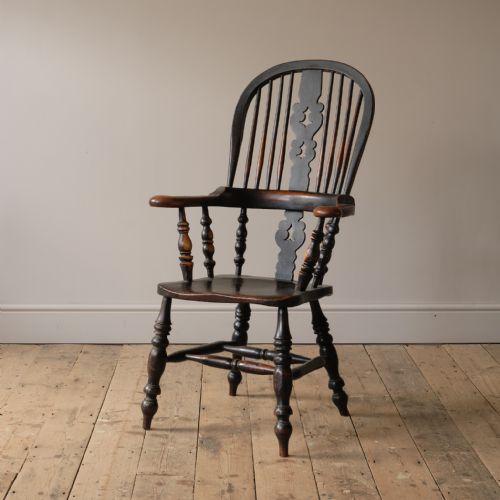
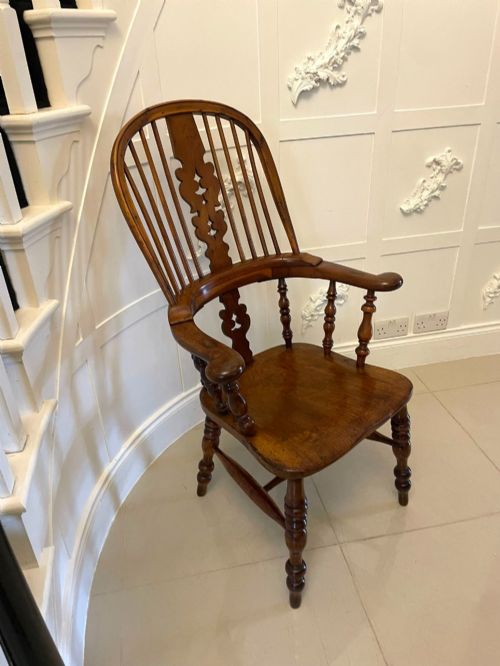
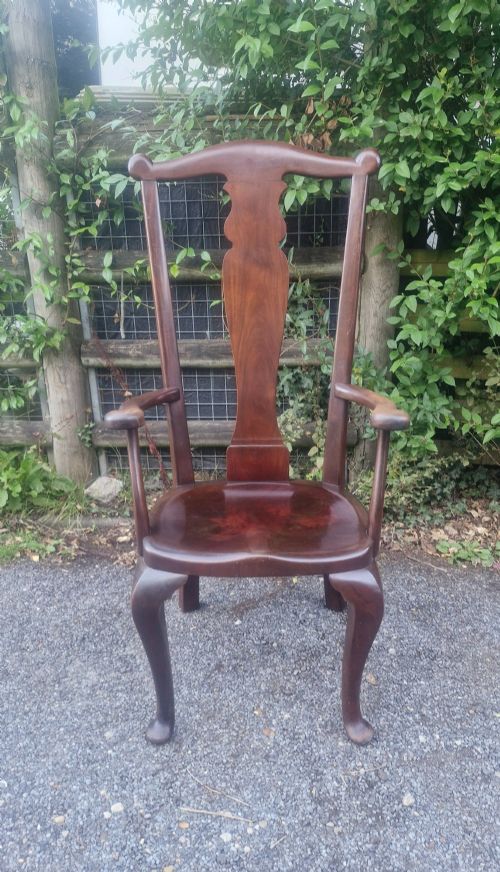
A wooden arm desk chair encompasses a variety of antique seating designed for working at tables, ranging from robust country Windsors to formal mahogany designs. When searching for a wooden arm desk chair, buyers encounter traditional forms that span from the Georgian era through the Victorian period and into the early twentieth century.
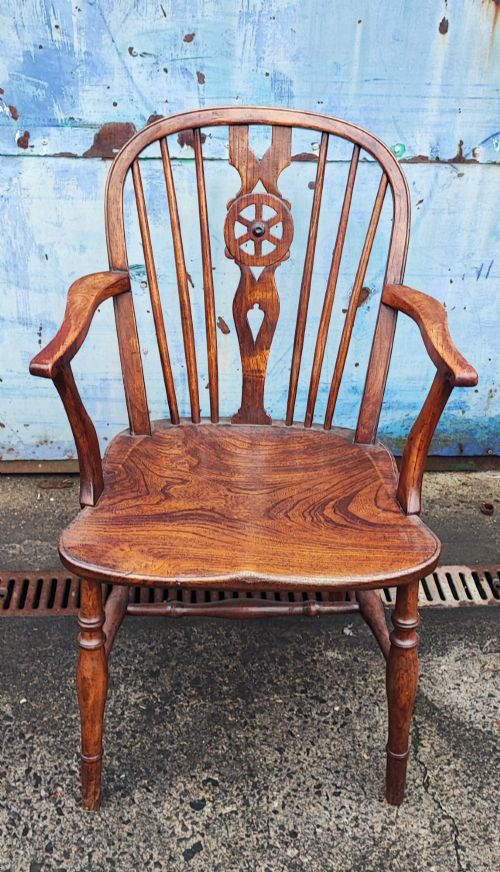
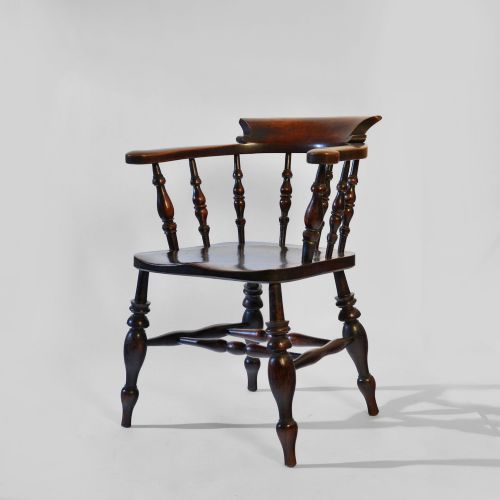
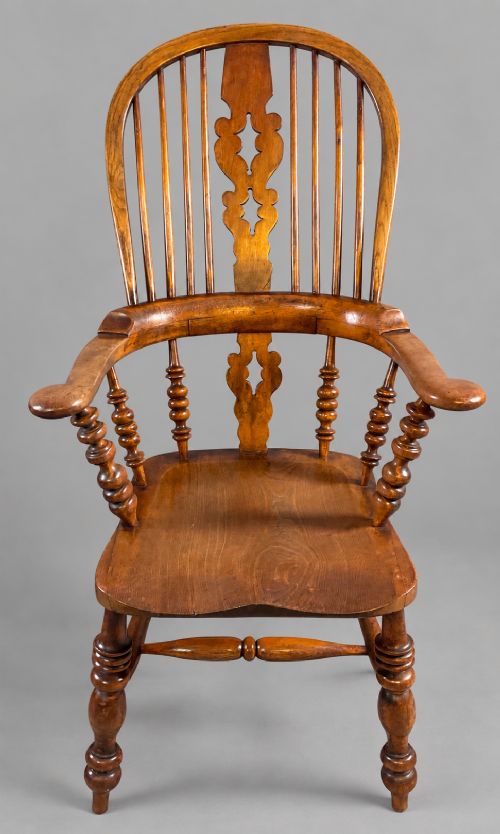
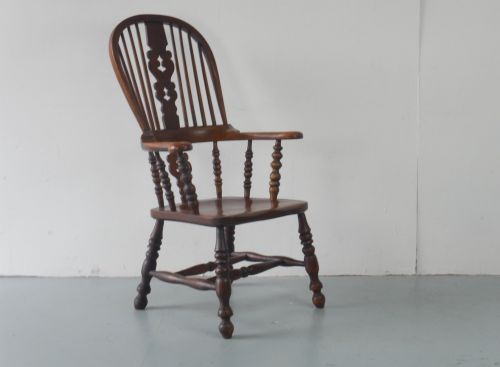
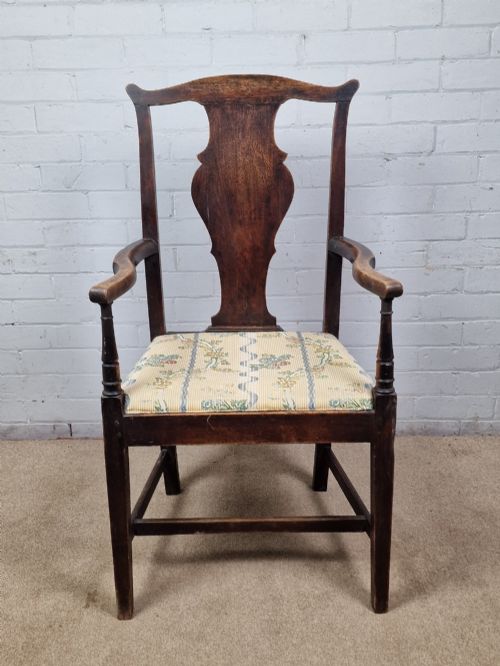
The selections on this page showcase distinct regional and functional types, including elm captain's chairs, spindleback armchairs, and swiveling office seats. These pieces reflect the daily domestic and professional lives of past centuries, utilising local timbers alongside imported hardwoods.
Makers produced these chairs to endure heavy daily use, resulting in surviving examples that retain their structural integrity. Buyers often find variations in backrest height, arm construction, and wood grain, with vernacular country pieces sitting alongside polished mahogany library seating.
Materials and construction methods
Cabinet makers and bodgers relied on a combination of native hardwoods such as elm, ash, beech, and oak for structural frames, spindles, and seats. These domestic timbers provided the necessary flexibility and tensile strength for steam-bending and spindle-turning.
Firms also employed imported mahogany for formal library and office seating, frequently pairing the dense timber with leather upholstery or brass swivel mechanisms. Joinery techniques included mortise and tenon joints, steam-bent bows, and sturdy box stretchers to ensure longevity.
Wooden Arm Desk Chair Retail Price Guide 2026
Typical asking prices for wooden arm desk chair among the pieces listed under this phrase on Sellingantiques today, from the lower quarter to the upper quarter. They describe what is for sale here now, not the wider market.
Listings feature timbers such as mahogany, elm, oak, beech, ash, and yew across periods ranging from the Georgian era to the early twentieth century.
Assessing quality in antique seating
The distinction between standard utility seating and exceptional examples lies in the selection of timber and the fineness of the turned components. Superior pieces exhibit well-figured grain, such as burr elm seats or rich flame mahogany, combined with hand-carved details and balanced proportions.
Structural refinement also determines the upper tier of the range, visible in tight joints, original swivel mechanisms, and well-integrated arm supports that balance comfort with architectural presence.
The Wooden Arm Desk Chair Glossary
- Windsor
- A traditional wooden chair built with a solid timber saddle seat into which the legs, back spindles, and bow are separately dowelled.
- Smoker's bow
- A low-backed Windsor armchair, also known as a captain's chair, featuring a continuous curved armrail supported by turned spindles.
- Carver chair
- An armchair, typically designed in a dining or desk style, featuring prominent armrests alongside a matching set of side chairs.
- Bentwood
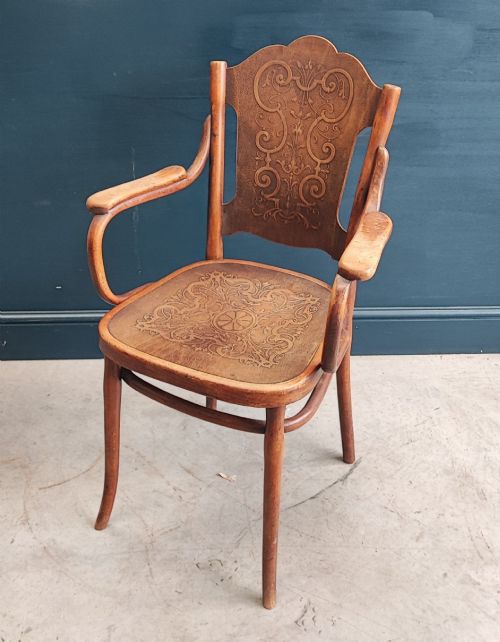
- Furniture formed by heating wood, often beech, until pliable and bending it into curved structural components.
- Spindleback
- A chair back constructed from numerous thin, turned vertical wooden rods that support the sitter.
- Elbow chair
- An antique term for an armchair with shorter armrests designed to fit beneath a table or desk.
Wooden Arm Desk Chair: Frequently Asked Questions
How do I date a wooden arm desk chair?
Dating relies on observing construction methods, tool marks, and stylistic clues that align with specific eras like the Georgian or Victorian periods. Secondary timbers beneath the seat and the wear patterns on the wood also offer reliable indicators of age.
Examining the turnings and assembly techniques helps differentiate a mid-nineteenth-century vernacular Windsor from an eighteenth-century formal library chair.
Were these chairs originally used at desks?
Many of these chairs served multiple domestic and professional roles, functioning equally well in studies, offices, and dining rooms. The addition of revolving mechanisms or broad armrests on certain models indicates a specific purpose for writing and administrative work.
Other vernacular forms transitioned from farmhouse kitchens to studies as demand for comfortable workspace seating grew during the nineteenth century.
What is the difference between elm and mahogany versions?
Elm was primarily chosen for country vernacular and Windsor seating due to its interlocking grain resisting split formation under pressure. Mahogany appeared in formal urban workshops, offering a denser, smoother surface suitable for polished office environments.
This choice of material fundamentally changes the visual weight and regional origin of the chair.
How do I care for antique wooden armchairs?
Maintaining these pieces involves keeping them away from direct heat sources and sudden humidity changes to prevent the timber from cracking. Regular dusting and occasional application of appropriate wax help preserve the natural lustre of the aged surface.
Avoiding harsh chemical cleaners ensures the historic patina developed over centuries remains intact.