



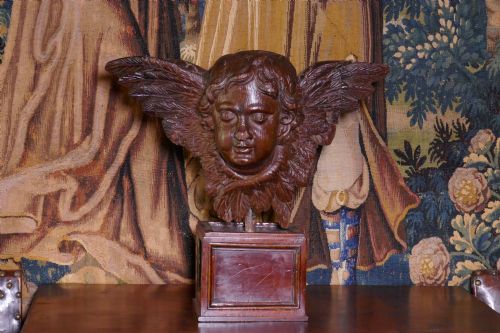
Wooden Angel Figure
These wooden angel figure examples bring centuries of devotional craft into domestic spaces through carved wood and gilded surfaces.
Wooden Angel Figure
A wooden angel figure encompasses carved sculptures, wall sculptures, and statues originating from various European and Asian traditions. Buyers searching for a wooden angel figure encounter pieces ranging from continental church fragments to devotional altar adornments.
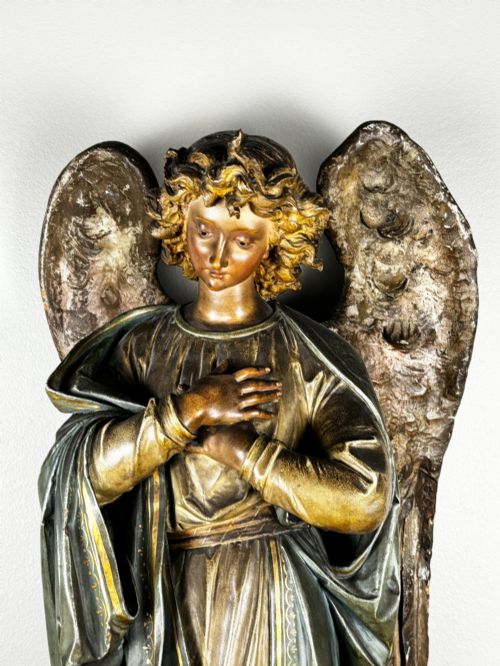
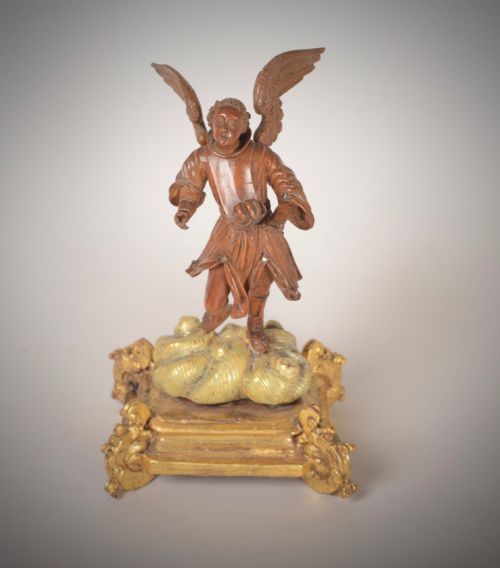
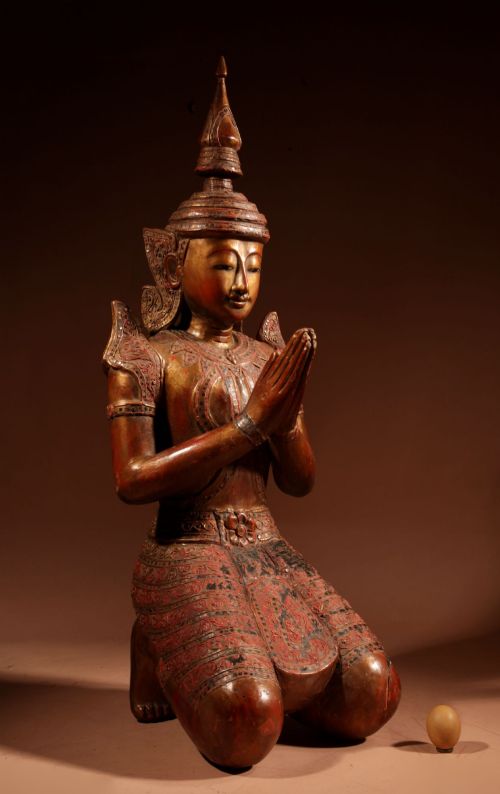
Origin styles stretch from Baroque Revival and Renaissance patterns to Thai guardian figures, demonstrating diverse regional interpretations of celestial messengers. Architectural fragments such as carved cherub heads also emerge within this sculptural group.
What varies in quality
Depth of carving and anatomical proportion separate standard workshop output from exceptional sculptural work. Master carvers render facial expressions and wing feathering with anatomical conviction, whereas lesser pieces rely on formulaic repetition.
The survival of original surface decoration dictates the visual strength of each piece. Intact seventeenth-century polychrome and original gilding retain higher visual integrity than heavily restored or later repainted surfaces.
Wooden Angel Figure Retail Price Guide 2026
Typical asking prices for wooden angel figure among the pieces listed under this phrase on Sellingantiques today, from the lower quarter to the upper quarter. They describe what is for sale here now, not the wider market.
The documented periods span from the sixteenth century through to the mid-twentieth century.
The Wooden Angel Figure Glossary
- Polychrome
- Painted in several colours. This finish adorns many continental figures to simulate lifelike skin tones and coloured garments.
- Gesso
- A plaster mixture used as a base for paint or gold leaf. It fills grain in wooden sculptures to create a smooth painting surface.
- Putti
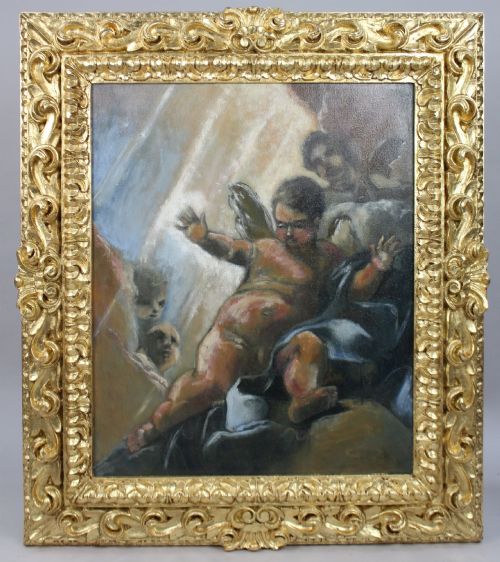
- Depictions of chubby male infants, often winged. These figures populate Baroque ecclesiastical carvings and Italian altar decorations.
- Gilding
- The application of gold leaf or powder to a surface. This technique illuminates carved wooden wings and halos.
- Ecclesiastical
- Relating to the Christian Church or its clergy. Such carvings originate from altarpieces, church walls, or monastic chapels.
Wooden Angel Figure: Frequently Asked Questions
Where were wooden angel figures displayed originally?
These figures populated churches, monasteries, and private household shrines across Europe and Asia. They adorned altars, architectural friezes, and devotional panels.
Over time, many migrated from sacred settings into private collections and domestic interiors as decorative sculpture.
How do I care for an antique wooden angel figure?
Keep wooden sculptures away from direct heat sources and dramatic humidity shifts to prevent timber splitting. Dust gently with a dry, soft brush rather than using liquid polishes.
Stable indoor environments preserve fragile gesso and original polychrome paint layers effectively.
How can I distinguish between different centuries of carving?
Tool marks, wood type, and the composition of gesso grounds often indicate the period of creation. Sixteenth and seventeenth-century pieces frequently utilise heavy oak and deeper relief work.
Nineteenth-century revivals often adopt lighter woods and brighter Italian polychrome schemes influenced by historical styles.
What is the difference between a cherub and a putto?
Cherubs historically belong to a celestial hierarchy associated with divine presence, frequently depicted with wings in religious art. Putti stem from classical mythology as winged infant spirits.
In later ecclesiastical sculpture, the terms often overlap to describe winged child figures.