

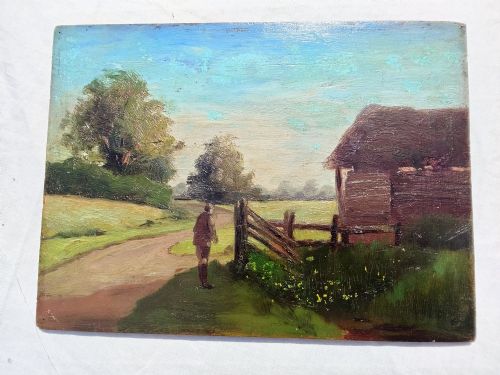


Wooded Cottage Artwork
Wooded cottage artwork brings rural life indoors through painted scenes of pastoral quiet, offering timeless charm for any collector.
Wooded Cottage Artwork
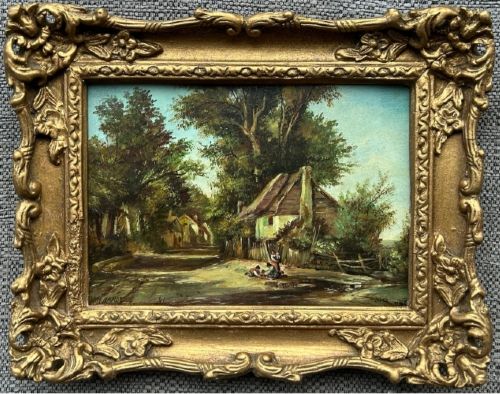
Wooded cottage artwork captures pastoral scenes, rural landscapes, and domestic country life across various historical periods. These pieces bring the quiet charm of the countryside directly into interior spaces through traditional painting mediums.
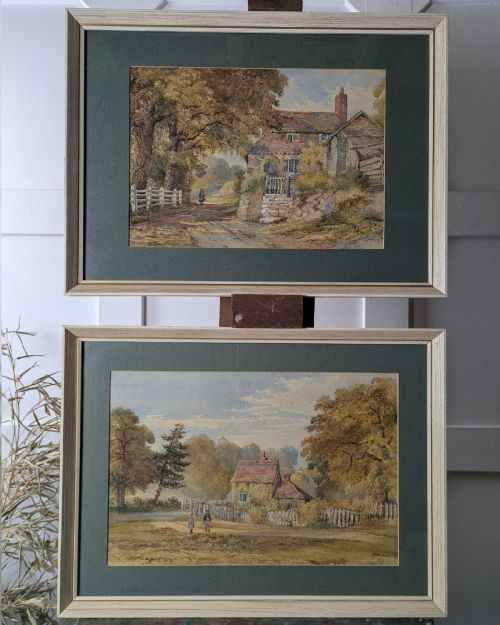
Buyers browsing this selection will most frequently encounter nineteenth-century works, alongside pieces from the Victorian era and early twentieth century. These include oil paintings on canvas and panel, as well as delicate watercolours on paper.
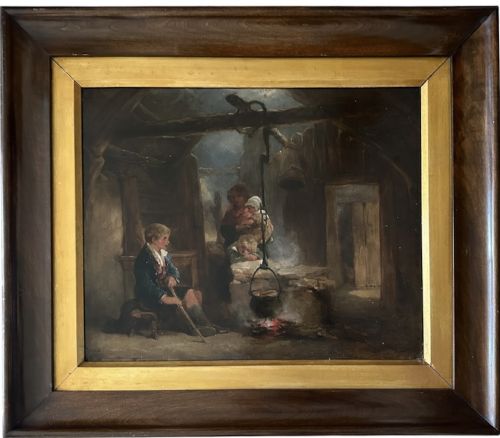
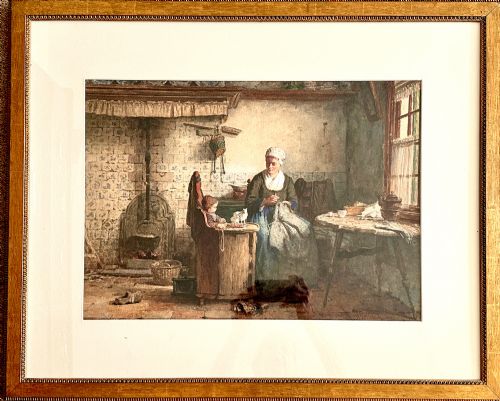
The subjects range from solitary cottages nestled among trees to figurative scenes featuring figures by the hearth, working maids, and herders. Such works reflect artistic movements from English and Norwich schools to continental realism.
Materials and Techniques
Painters utilised oil paint applied to canvas, wood panels, and board to build rich, lasting textures. Many works also employ watercolour on paper, capturing lighter and more fluid pastoral effects.
Framing often involves traditional gilt wood and glass to protect and enhance the artwork. The combination of sturdy wooden supports and skilled brushwork ensures these historical pieces endure.
Wooded Cottage Artwork Retail Price Guide 2026
Typical asking prices for wooded cottage artwork among the pieces listed under this phrase on Sellingantiques today, from the lower quarter to the upper quarter. They describe what is for sale here now, not the wider market.
Listings feature oil paint, watercolour, and gilt wood across nineteenth-century and Victorian periods.
Judging Quality
Quality rests in the precision of the brushwork, the handling of light and shadow, and the expressiveness of the figures within the landscape. Masterful compositions capture depth and atmosphere with notable skill.
The preservation of the original paint surface and the integrity of the wood panel or canvas also distinguish finer works. Stronger pieces display clear provenance and the distinct hand of recognised regional schools or named artists.
George Whitton Johnstone·William Howard Hardy·Robert A Nottingham·Hendrik Valkenberg·James Kyd·Frederick James Knowles·Robert Gemmell Hutchinson·Pauline Delacroix Garnier·Joseph Paul
The Wooded Cottage Artwork Glossary
- Oil Paint
- Pigment suspended in a drying oil, typically linseed, allowing for rich colour and blended textures. It remains a primary medium for durable historical paintings.
- Watercolour
- A paint consisting of colorants suspended in a water-soluble vehicle, traditionally applied to paper. It yields luminous, translucent washes ideal for delicate landscapes.
- Chiaroscuro
- The use of strong contrasts between light and dark to give a sense of volume to figures and objects. This technique creates dramatic focal points within rustic interior scenes.
- English School
- A loose association of artists working in England who shared stylistic approaches during specific periods. Their output frequently emphasises landscape and pastoral themes.
- Wood Panel
- A rigid wooden support used by painters instead of canvas. It provides a stable surface often found in earlier rural and domestic panels.
Wooded Cottage Artwork: Frequently Asked Questions
What periods do these artworks span?
The collection spans the Georgian era through the Victorian period and into the early twentieth century. Pieces reflect prevailing artistic styles of their respective decades.
Most works date from the nineteenth century, showcasing traditional techniques and rural subjects.
What mediums were commonly used?
Artists worked primarily in oil paint and watercolour. Supports include canvas, wood panel, and paper.
Framing materials typically feature gilt wood and glass to protect the painted surface.
How should I display these pieces?
Display paintings away from direct sunlight and excessive moisture to protect the pigments and wooden supports. Proper placement ensures the artwork remains stable.
Pairing pieces with traditional interiors complements their historic pastoral subject matter.
How do I identify regional schools?
Regional schools are identified through characteristic brushwork, colour palettes, and subject matter associated with specific geographical areas. English and Norwich school works display distinct local traits.
Signatures, framing styles, and artist biographies further help confirm origins.