





Woodblock Wall Art
Woodblock wall art brings centuries of traditional craftsmanship and striking graphical forms into domestic spaces.
Woodblock Wall Art
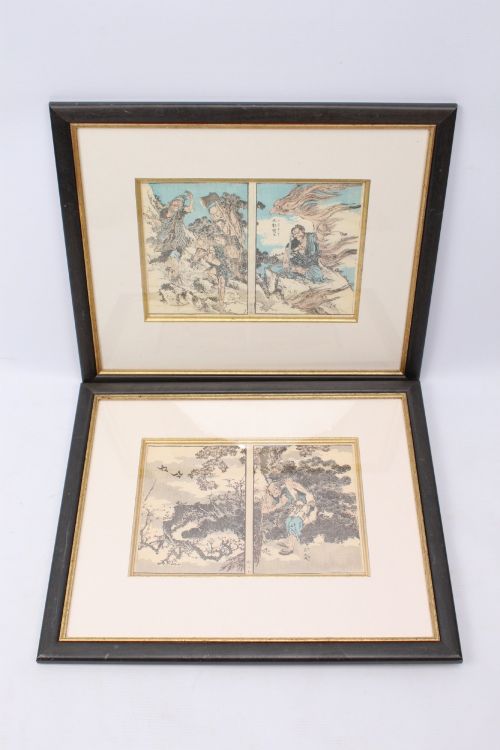
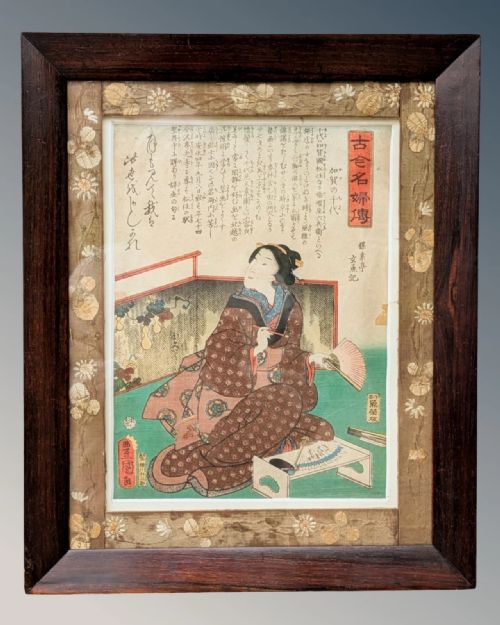
Woodblock wall art encompasses framed prints, Japanese ukiyo-e compositions, and mid-century modernist woodcuts intended for display. Buyers seeking woodblock wall art encounter works spanning the eighteenth century through to the 1960s, framed in materials such as rosewood or glass.
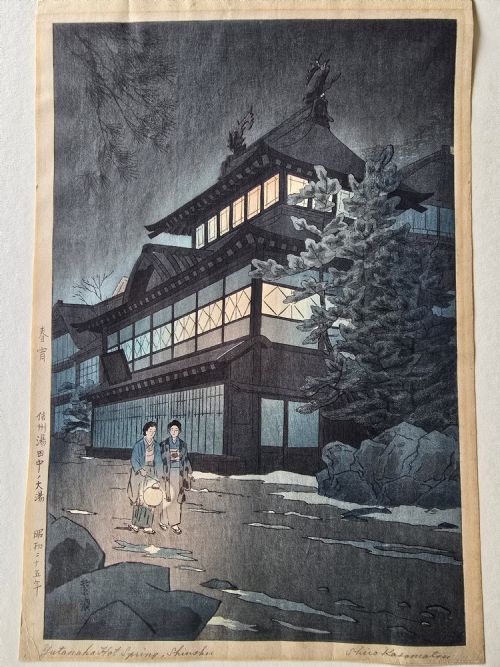
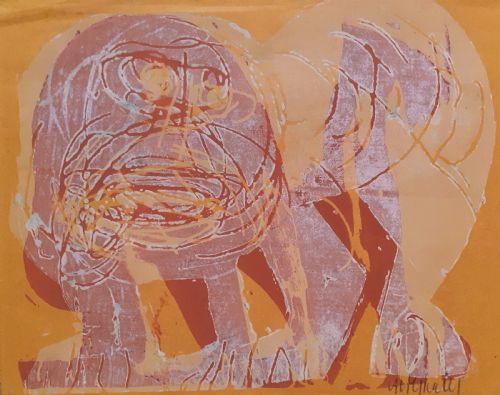
The selection ranges from classical Japanese woodblock prints by makers like Hokusai and Utamaro to nineteenth-century British wood engravings and German Expressionist woodcuts in colours. Most examples originate from Japanese traditions, encompassing Edo period aesthetics alongside later twentieth-century shin-hanga interpretations.
Framed wall art formats dominate the inventory, frequently mounted with silk brocade or preserved behind glass. Pieces vary from single sheets depicting figures and fantastical animals to sets of four prints designed for cohesive interior arrangement.
How they were made
Makers produced these works by carving designs into wooden blocks, applying ink or watercolour, and pressing the image onto paper or card. Skilled artisans sometimes incorporated gold leaf to highlight specific areas of the composition.
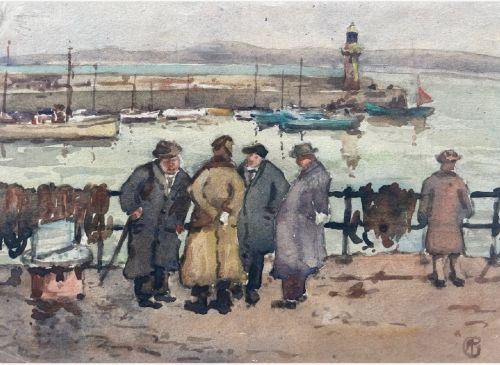
Japanese masters collaborated with publishers, carvers, and printers to transfer intricate lines onto handmade paper. Later European woodcuts relied on direct pressure from carved wood or wood engraving blocks, occasionally combining ink with watercolour washes.
Woodblock Wall Art Retail Price Guide 2026
Typical asking prices for woodblock wall art among the pieces listed under this phrase on Sellingantiques today, from the lower quarter to the upper quarter. They describe what is for sale here now, not the wider market.
Catsukawa Shunsho and Hokusai captured floating worlds on paper, while another sheet records the British army marching toward Kabul with unexpected gravity.
What varies in quality
The strength and clarity of the printed impression dictate the visual success of the piece, separating crisp impressions from worn ones. Fine coloration, whether through delicate watercolour application or vibrant ink saturation, elevates the overall impact.
Conservation and mounting standards significantly affect the presentation, seen in the choice of supportive rosewood frames and silk brocade mounts. Original signatures and monograms from recognised hands add distinct authority to the physical sheet.
Hokusai·Katsukawa Shunsho·Shiro Katamatsu·George F Pennington·Kitagawa Utamaro·Kunisada·Gustave Dore·Adolphe Pannemaker
The Woodblock Wall Art Glossary
- Ukiyo-e
- Pictures of the floating world, denoting a genre of Japanese woodblock prints and paintings depicting everyday life, actors, and landscapes.
- Shin-hanga
- New prints, a twentieth-century Japanese art movement that revitalised traditional ukiyo-e themes with Western landscape techniques.
- Wood engraving
- A relief printing technique where the artist carves into the end grain of a hard block, allowing for finer detail than standard woodcuts.
- Silk brocade
- A rich shuttle-woven fabric frequently utilised as a decorative border or mount for framing traditional Japanese prints.
Woodblock Wall Art: Frequently Asked Questions
How should I frame woodblock wall art?
Protect delicate paper and card by utilising conservation-grade framing materials with glass to block harmful light. Incorporating traditional elements like silk brocade mounts complements the historical aesthetic of Japanese prints.
Ensure prints do not touch the glass directly, allowing a small gap for air circulation. Solid wood mouldings, such as rosewood frames, provide appropriate structural support for heavier antique formats.
Are these prints original Edo period pieces?
Authentic Edo period works date from the seventeenth century through to the mid-nineteenth century, created during traditional feudal rule in Japan. Many pieces reflect this era through classic subject matter and distinct carving techniques.
Later nineteenth-century and twentieth-century printings also appear, maintaining traditional methods while reflecting the evolving styles of subsequent decades.
What is the difference between ukiyo-e and shin-hanga?
Ukiyo-e translates to pictures of the floating world, focusing on traditional Japanese subjects like kabuki actors, courtesans, and landscapes from the eighteenth and nineteenth centuries. These works relied on a collaborative system between publisher, artist, carver, and printer.
Shin-hanga emerged later in the twentieth century, introducing Western concepts of light, shadow, and individual artistic expression while utilising the same traditional woodblock printing craftsmanship.
How do I care for antique paper wall art?
Hang woodblock prints away from direct sunlight and damp environments to prevent fading and paper degradation. Stable indoor temperatures preserve the integrity of both the paper support and any applied watercolour or ink.
Periodically check the backing and framing seals to ensure dust and insects remain outside the enclosure. Professional framing assessments help maintain the long-term condition of nineteenth-century and earlier works.