

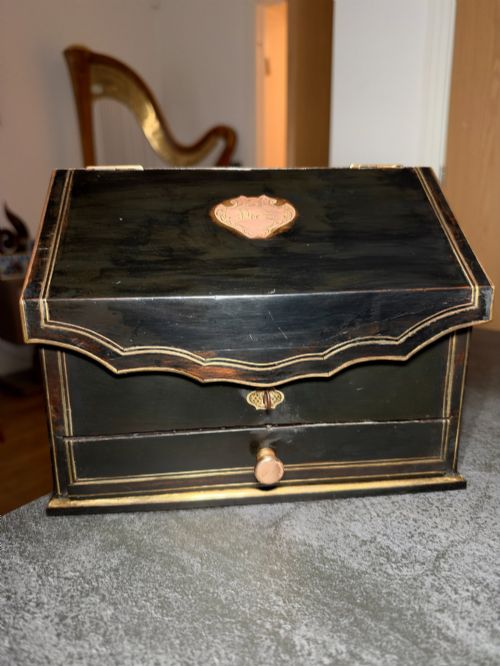
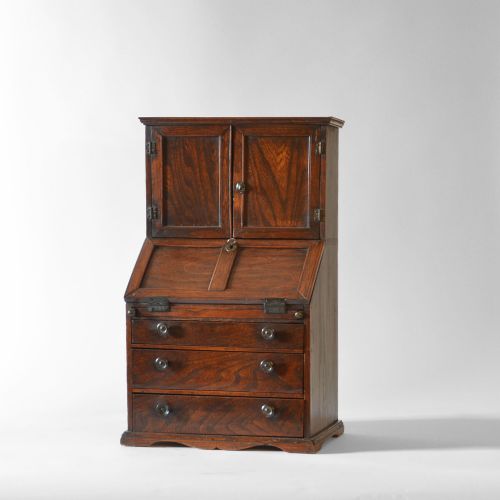
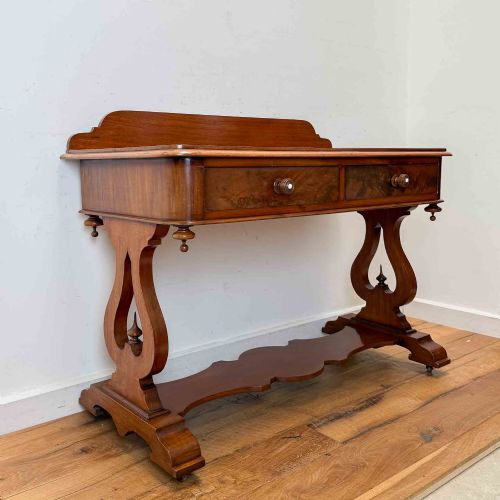
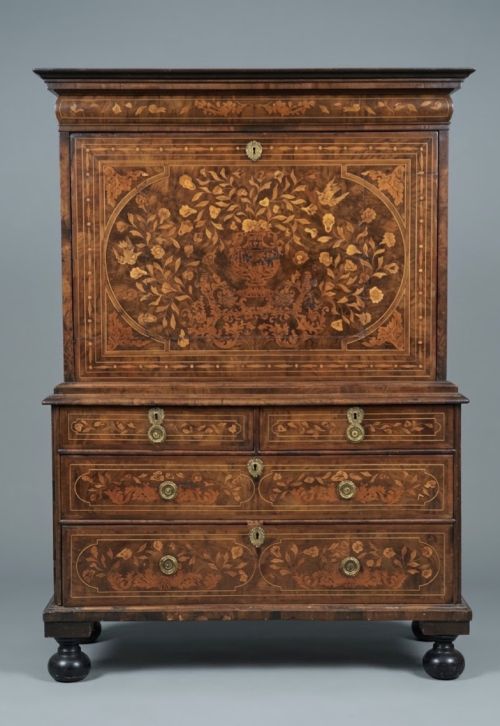
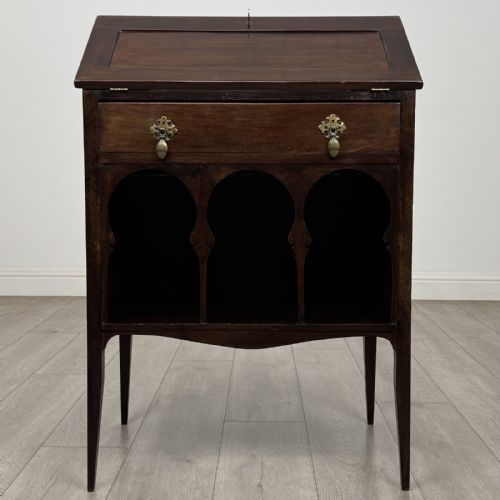
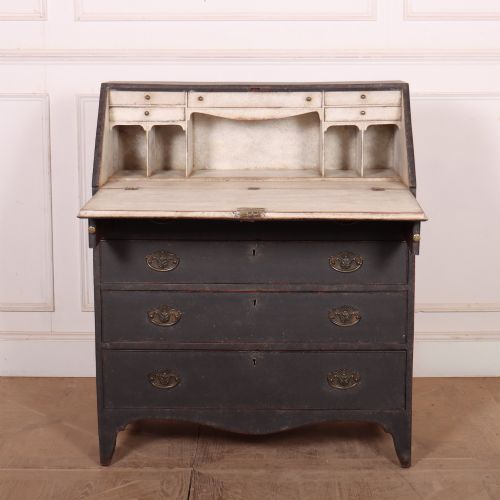
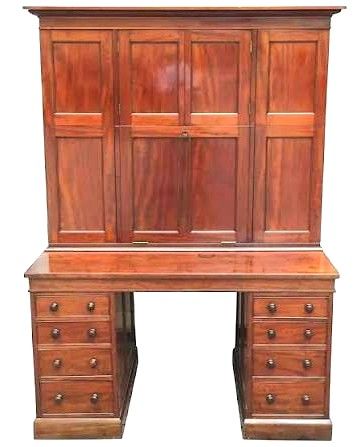
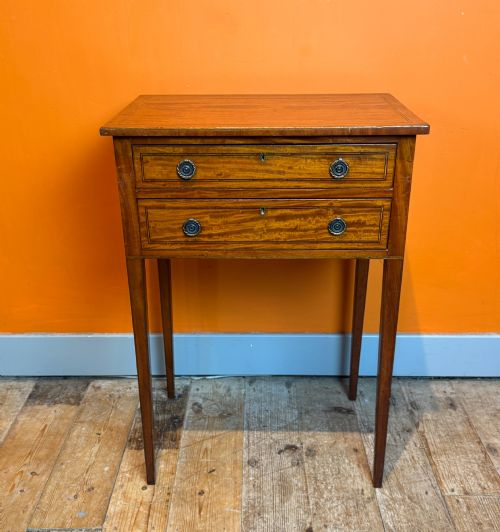


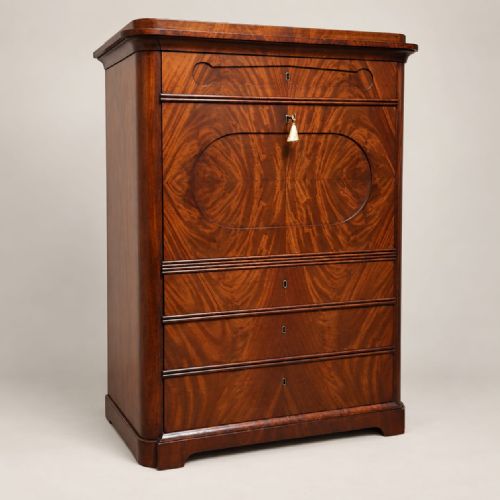
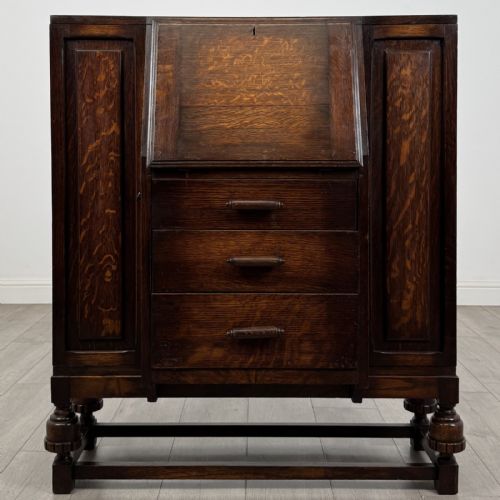
Wood Writing Cabinet
A wood writing cabinet brings functional elegance to a room, offering a dedicated surface for correspondence alongside concealed storage for papers.
Wood Writing Cabinet
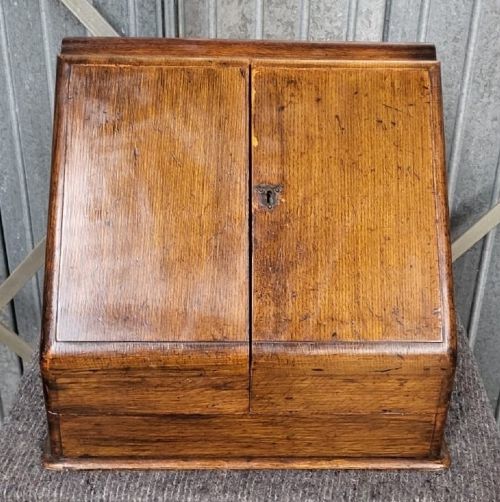
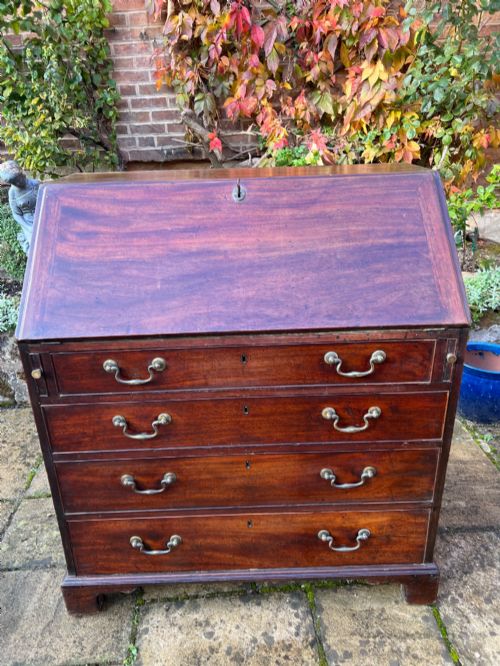
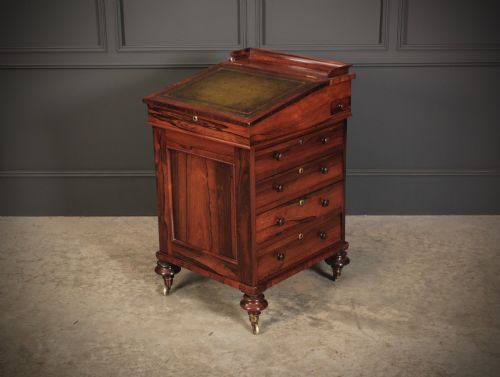
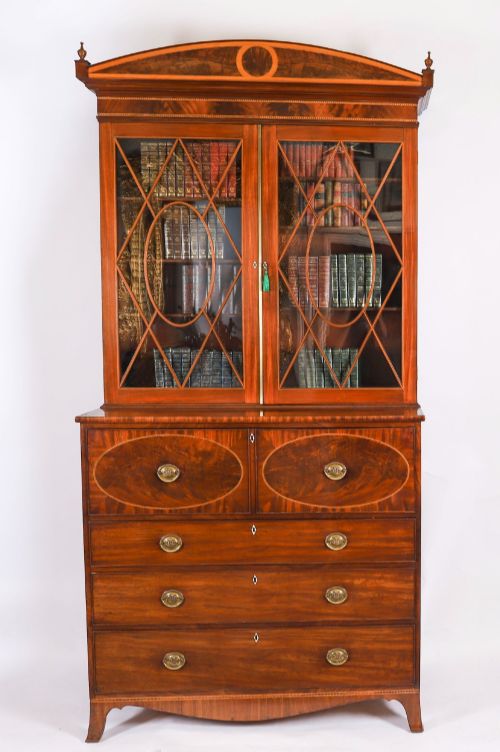
When you search for wood writing cabinet, you encounter a varied selection of desks, bureau bookcases, secretaire bookcases, and compact davenports spanning multiple eras. The most frequent forms on this page include tall bureau bookcases with glazed upper sections, smaller fall-front bureaux, and freestanding davenport desks intended for intimate writing tasks.
These pieces emerge across several distinct periods, most notably the Georgian, Victorian, and Edwardian eras, alongside pieces dating from the eighteenth and nineteenth centuries. Makers utilised sturdy timber frameworks to build multi-functional furniture that combined upper shelving with lower writing compartments or drawer banks.
Materials and construction
Craftsmen built these cabinets predominantly using solid timbers and veneers of mahogany, oak, walnut, and rosewood, often pairing them with contrasting satinwood or maple details. Metal fittings such as brass handles and hinges secured doors and drawers, while glazed panels formed the upper library doors.
Internal writing surfaces frequently incorporated leather inserts to provide a smooth platform for penwork. Workshops employed traditional joinery to construct fitted interior compartments, hidden wells, and drop-front mechanisms within the main cabinet carcass.
Wood Writing Cabinet Retail Price Guide 2026
Typical asking prices for wood writing cabinet among the pieces listed under this phrase on Sellingantiques today, from the lower quarter to the upper quarter. They describe what is for sale here now, not the wider market.
Several writing cabinets include hidden wells and secret compartments designed to safeguard confidential letters from prying eyes.
Distinctions in craftsmanship
Quality in a wood writing cabinet rests upon the selection of figured timber veneers and the precision of the internal stationery fittings. Superior examples display thoughtful integration of secret compartments, sliding wells, and pigeonholes behind the primary writing flap.
Construction methods and decorative carving further differentiate the range, seen in astragal glazed door frames, inlaid banding, and carved feet such as claw and ball motifs. The structural integrity of the fall-front mechanism and the alignment of drawer assemblies determine the enduring utility of each piece.
Gillows·George Oakley
The Wood Writing Cabinet Glossary
- Bureau
- A desk featuring a sloping hinged lid that opens to reveal a fitted interior of drawers and pigeonholes.
- Secretaire
- A cabinet or desk incorporating a pull-out or drop-down writing drawer disguised as a standard drawer or panel.
- Astragal
- A moulding profile used to divide glass panes within the upper glazed doors of a bookcase.
- Davenport
- A compact pedestal desk with a sloping writing surface, originating in the nineteenth century.
- Tambour
- A sliding surface constructed from narrow vertical strips of wood glued to a canvas backing.
Wood Writing Cabinet: Frequently Asked Questions
What is a wood writing cabinet?
A wood writing cabinet is a piece of furniture designed specifically for correspondence and storage, typically combining a writing surface with drawers or shelving.
These pieces range from tall bureau bookcases to compact davenport desks, constructed in various timbers including mahogany, oak, and walnut.
How do you use a bureau?
A bureau provides a dedicated writing platform through its hinged fall-front lid, which folds down to reveal small drawers and pigeonholes.
When closed, the slanted lid conceals your writing materials, keeping the room tidy while storing books or decorative objects on surrounding shelves.
What is the difference between a desk and a secretaire?
A standard desk provides an open or flat surface for daily work, whereas a secretaire conceals its writing drawer or drop-front panel behind cabinetry.
Secretaire bookcases integrate this writing function beneath upper library shelving, maintaining a unified exterior appearance when closed.
How do I identify a Georgian cabinet?
Georgian cabinets often feature dense mahogany or walnut timbers, classic proportions, and restrained decorative details such as bracket feet or astragal glazing.
They reflect the design principles of the eighteenth century, emphasising structural balance and fine cabinet-making techniques.