

Wood Walking Cane
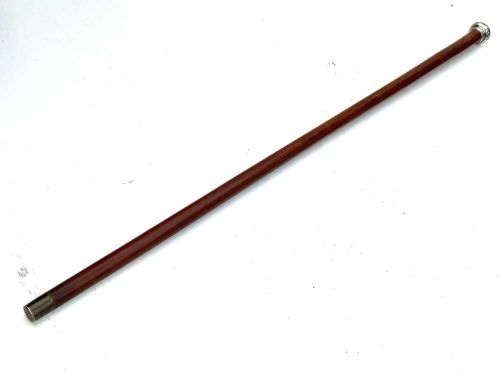
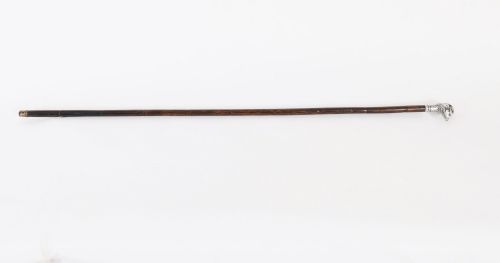
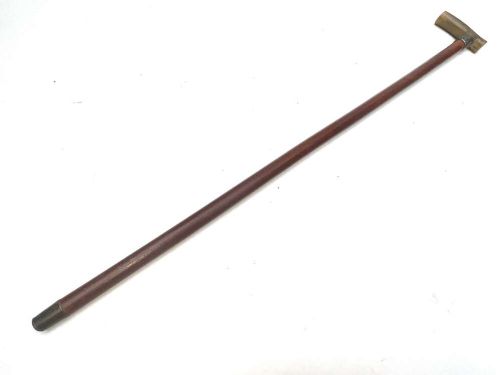
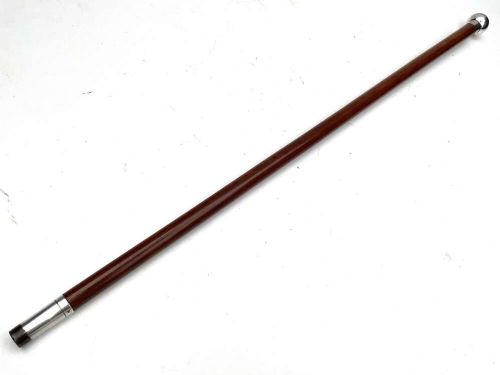
A wood walking cane is a traditional support and gentleman's accessory formed from timber, frequently fitted with metal mounts or concealed blades.
Wood Walking Cane
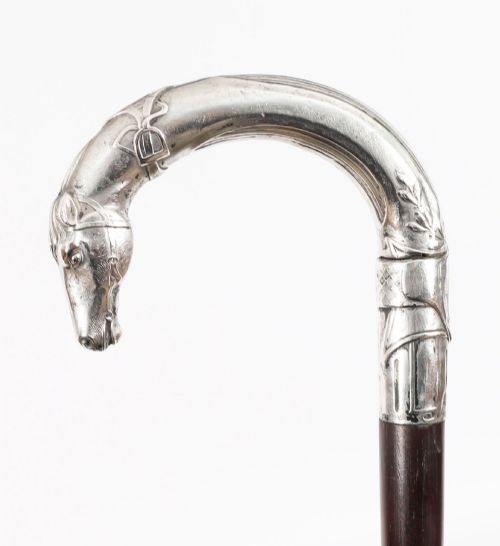
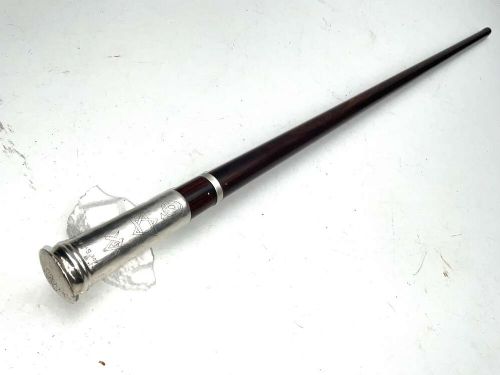
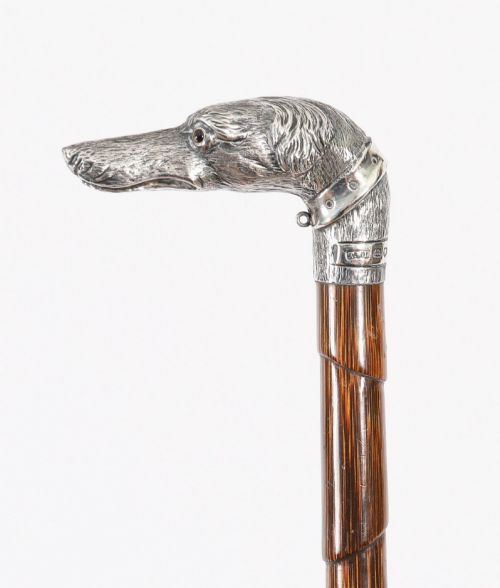
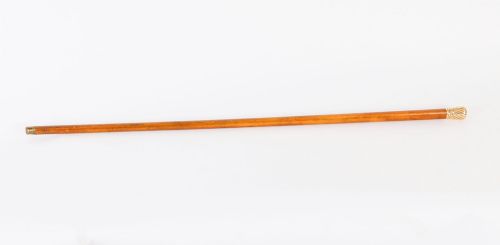
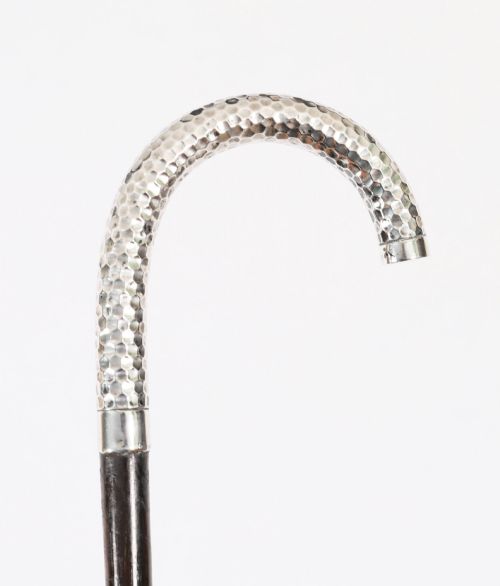
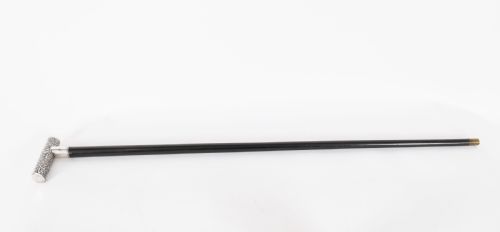
The selections available range from simple crook-handled country sticks to elaborate novelty pieces featuring silver animal heads, gold pommels, and concealed sword blades. Military officers' swagger sticks and specialised Masonic examples also appear frequently among the listings.
Materials and construction
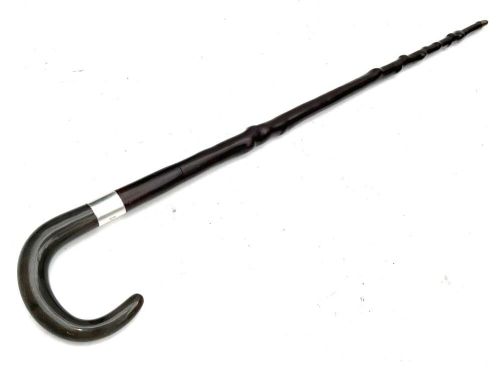
Carvers and makers utilised dense natural timbers such as partridge wood, hazel, mahogany, and cherrywood to provide structural integrity for each wood walking cane. Many shafts incorporate ebonised finishes or natural root-ended grips shaped to fit the hand.
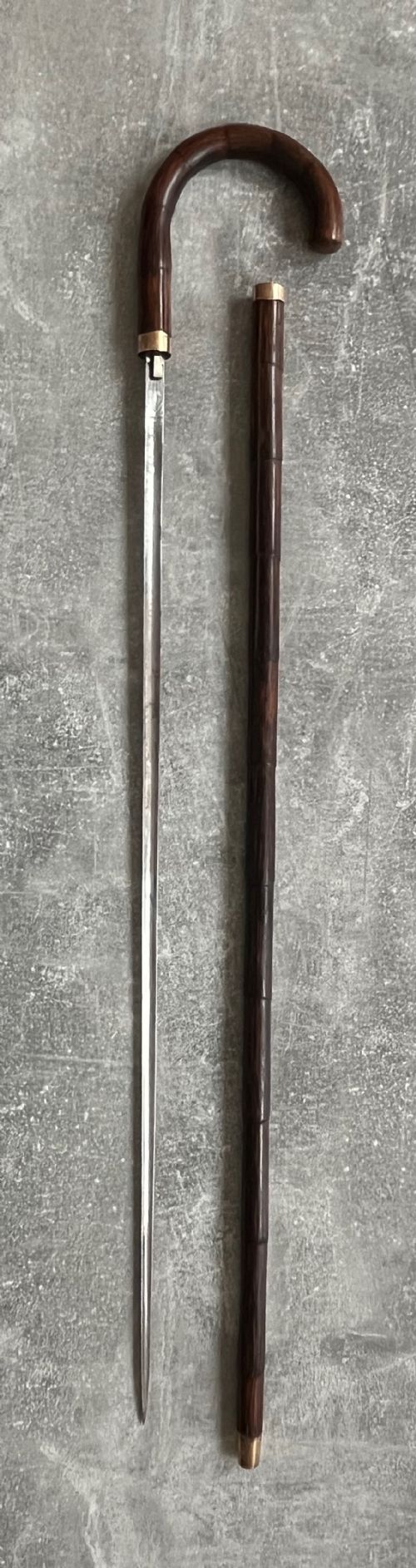
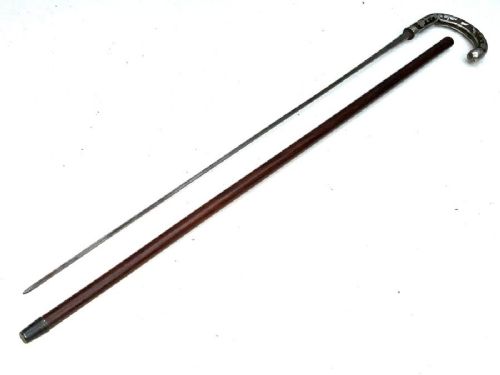
Metal components, including brass, steel, silver, and gold pommels, attach to the timber shafts alongside horn handles. Concealed sword sticks often house Toledo or Wilkinson steel blades within the wooden body.
Wood Walking Cane Retail Price Guide 2026
Typical asking prices for wood walking cane among the pieces listed under this phrase on Sellingantiques today, from the lower quarter to the upper quarter. They describe what is for sale here now, not the wider market.
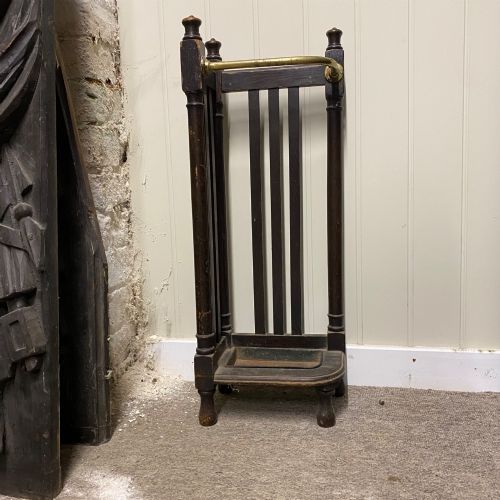
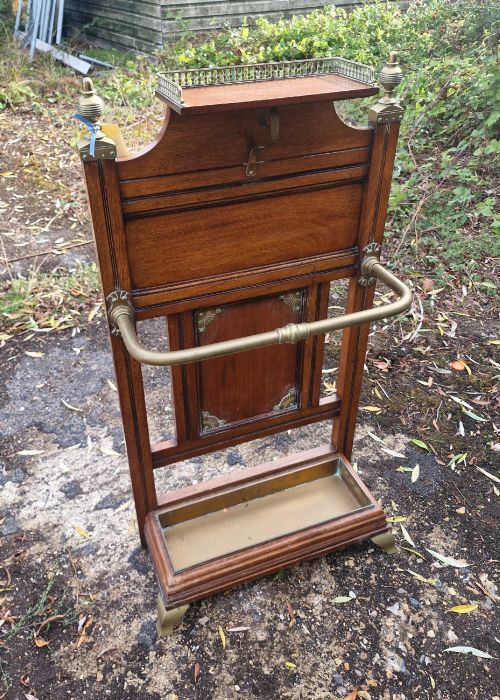
Specific forms recorded in the evidence include umbrella stands, stick stands, swagger sticks, and concealed sword canes.
Factors of quality
Quality in a wood walking cane depends upon the selection of timber and the precision of the metalworking on handles and collars. Finely cast silver animal heads and solid gold pommels distinguish superior pieces from standard utility items.
The integrity of the concealed mechanism in sword sticks and the detail present in carved horn or wooden grips determine the standing of an individual cane within its period.
Brigg of London
The Wood Walking Cane Glossary
- Pommel
- The rounded knob or decorative handle fitted to the top of a wood walking cane. It is often cast in silver, gold, or brass.
- Swagger stick
- A short cane carried by military officers as a symbol of authority rather than for physical support. These items frequently conceal blades.
- Ebonised wood
- Timber treated with a dark stain or finish to imitate the appearance of ebony. This technique appears widely on Victorian walking sticks.
- Toledo blade
- A steel sword blade produced in Toledo, Spain, renowned for flexibility and strength. Blades of this origin often equip antique sword sticks.
Wood Walking Cane: Frequently Asked Questions
What is a wood walking cane used for?
A wood walking cane served primarily as a daily walking aid or as a fashionable accessory for gentlemen in the nineteenth and early twentieth centuries.
Certain specialised versions also housed concealed sword blades for personal defence or carried symbols denoting military and fraternal membership.
How do I identify the period of a cane?
Dating relies upon stylistic markers such as Victorian ornamentation, Edwardian proportions, or Art Deco geometric motifs on the handle.
Silver hallmarks and inscribed dates on mounts can also provide precise manufacturing years for specific pieces.
What woods were used for these canes?
Makers utilised a variety of domestic and exotic timbers, including cherrywood, partridge wood, hazel, holly, and mahogany.
Woods were chosen for their straight grain, flexibility, and suitability for steam-bending into crook handles.
Are all antique canes sword sticks?
No, the majority of walking sticks and canes are standard supports or novelty items featuring carved handles without hidden blades.
Sword sticks represent a distinct military and civilian subset designed to conceal a steel blade within the wooden shaft.