




Wood Model Sailing Boat
These wood model sailing boat examples capture centuries of maritime skill, offering you authentic handcrafted heritage to display at home.
Wood Model Sailing Boat
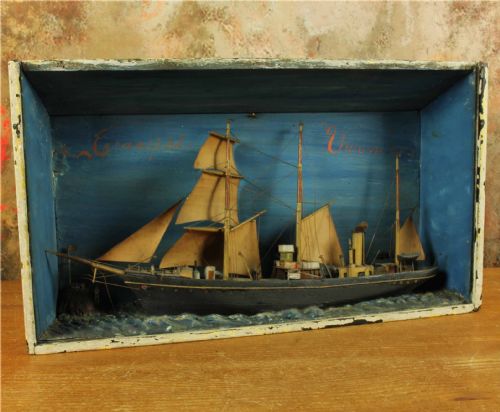
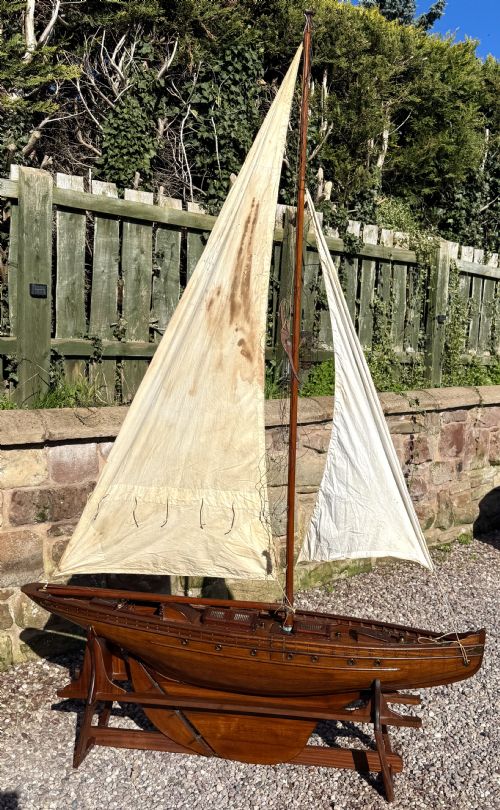
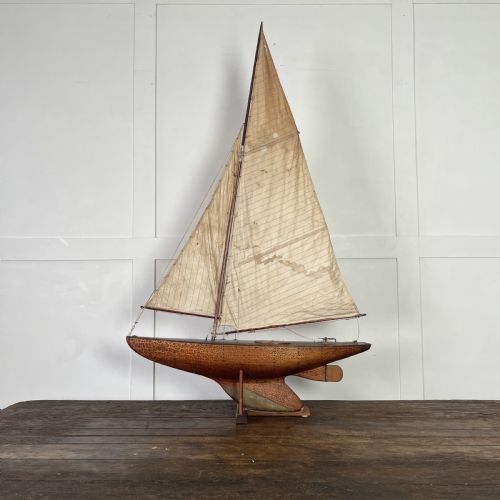
When you search for a wood model sailing boat, you enter a diverse world of maritime craftsmanship ranging from grand pond yachts to intricate dioramas. The pieces appearing here span the Victorian and Edwardian eras alongside early twentieth-century creations, reflecting a rich tradition of hand-built maritime objects.
You will encounter everything from large scratch-built hulls on dedicated stands to enclosed shadow boxes and delicate ships in bottles. These items embody British and French folk art traditions, capturing the physical presence of actual vessels through careful woodwork and canvas rigging.
How they were made
Maker construction relies on traditional timber framing, often utilising wood, canvas, and applied paint to recreate the hulls and decks of real sailing ships. Artisans shaped these materials by hand, sometimes incorporating metal, brass, and cotton elements for rigging and fittings.
Many examples demonstrate scratch-built techniques where makers constructed every component from scratch without commercial kits. Details such as carved wooden hulls and miniature textile sails reflect the resourcefulness and precision of historical maritime model makers.
Some nineteenth-century makers packed entire sailing ships into narrow glass bottles using tweezers and hinged wooden spars.
What varies in quality
The distinction between ordinary and exceptional examples rests upon the fidelity of the scale work and the complexity of the presentation. Superior items often feature meticulous hand-carved details, complete rigging, and contextual elements like original stands or detailed diorama backdrops.
Integration of diverse materials also dictates the sophistication of a piece, separating basic decorative objects from masterworks of maritime folk art. The survival of original paint surfaces, canvas sails, and glass housing in shadow boxes directly influences the integrity of the object.
The Wood Model Sailing Boat Glossary
- Pond yacht
- A model sailing boat designed and weighted to sail across a body of water without human control. These vessels often retain deep keels and large wooden hulls built for open-air handling.
- Diorama
- A three-dimensional scene depicting a ship in motion, usually enclosed in a wooden shadow box behind glass. They frequently combine carved wooden models with painted plaster or canvas waves.
- Scratch-built
- A model constructed entirely from raw materials rather than assembled from a commercial kit. This method highlights the individual maker's independent skill and resourcefulness.
- Ketch
- A two-masted sailing vessel rigged with a mainmast and a shorter mizzenmast positioned aft of the helm. Model makers often replicate this specific configuration for its balanced aesthetic.
- Folk art
- Utilitarian or decorative objects created by self-taught or traditional artisans rather than industrial factories. These pieces display distinct personal interpretations of maritime subjects.
Wood Model Sailing Boat: Frequently Asked Questions
What is a pond yacht?
A pond yacht is a traditionally constructed wooden sailing boat meant for outdoor water navigation. These models utilise heavy keels and functional rudders to maintain a straight course across the water.
Collectors prize them both for their sailing history and their striking sculptural presence when displayed indoors on custom stands.
How do I display a ship diorama?
Ship dioramas are best placed on a sturdy shelf or mantelpiece away from direct sunlight and damp conditions. The enclosed glass and wood frames protect the delicate interior models from dust and accidental damage.
Ensure the mounting surface is level to protect the internal structure and any hanging elements within the shadow box.
What materials were used in early models?
Early maritime models primarily incorporate wood, canvas, and paint, often enhanced with brass fittings and cotton rigging. Artisans worked with readily available materials to achieve realistic textures for hulls, decks, and sails.
Some nineteenth-century examples also integrate plaster and glass to create convincing sea effects inside enclosed display boxes.
How do I identify a scratch-built model?
Scratch-built models show individual construction methods without standard commercial parts or uniformity. Each component, from the carved wooden hull to the stitched canvas sails, reflects bespoke handcrafting.
Examining the interior framework and tool marks often reveals the distinct techniques of the original maker.