

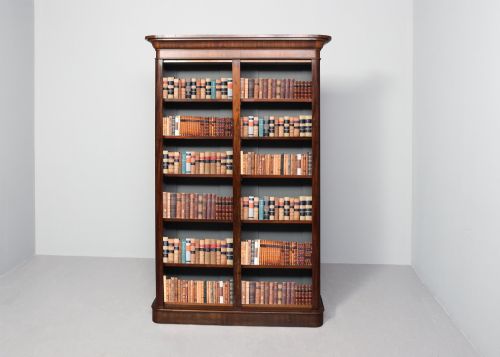
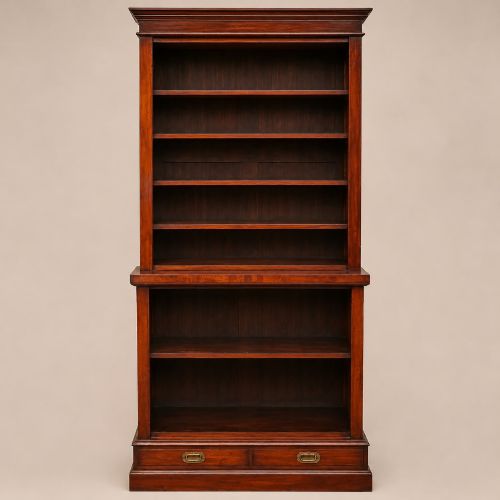
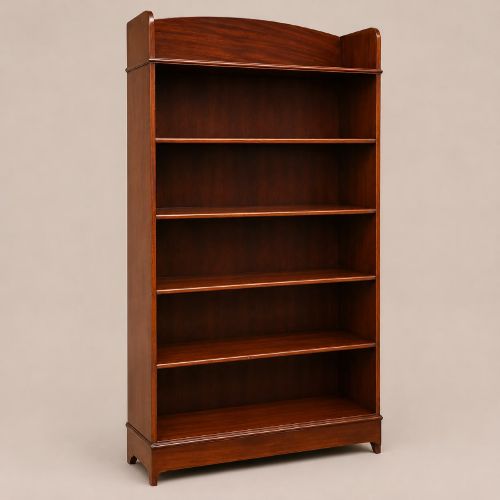
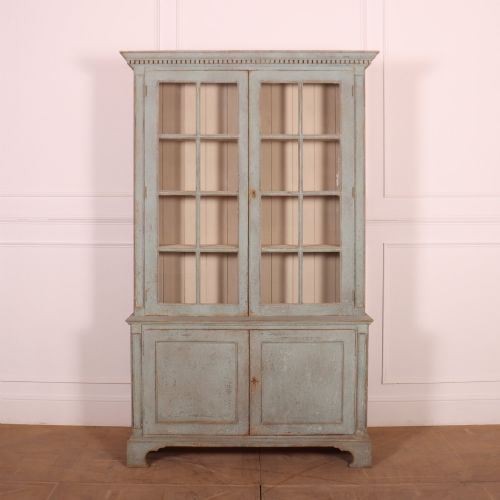
Wood Library Cabinet
A wood library cabinet provides sturdy storage for volumes while grounding a room with rich timber and architectural proportion.
Wood Library Cabinet
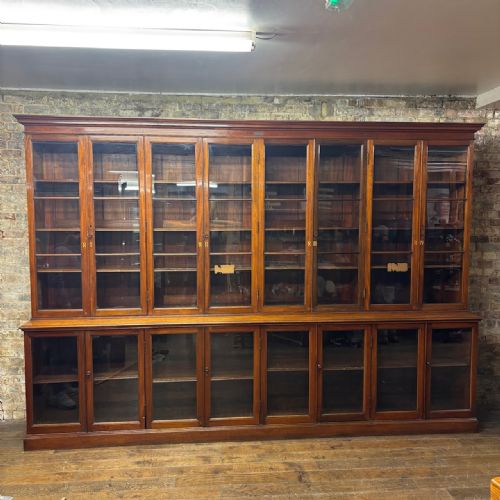
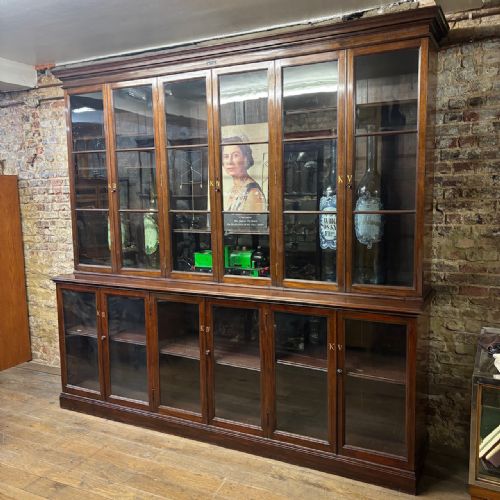
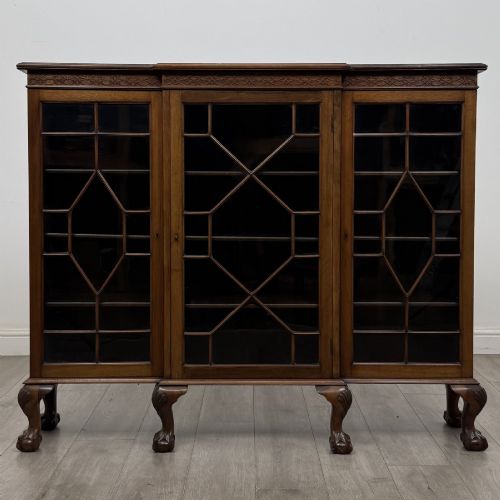
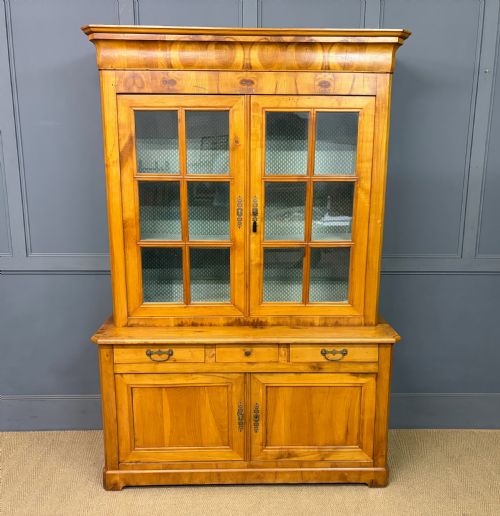
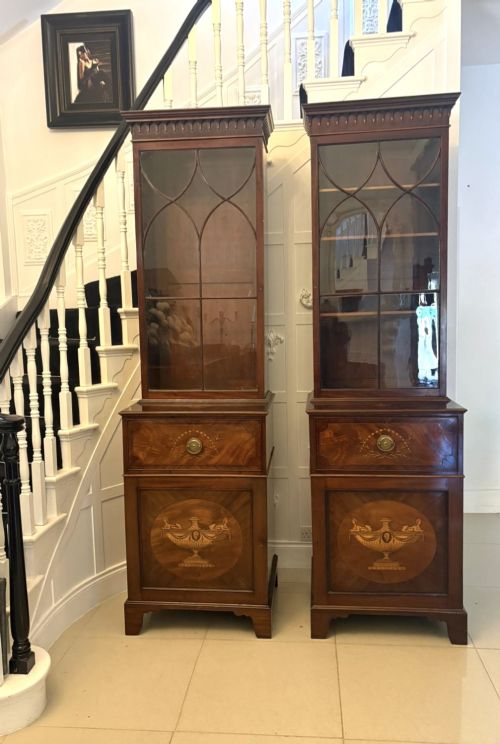
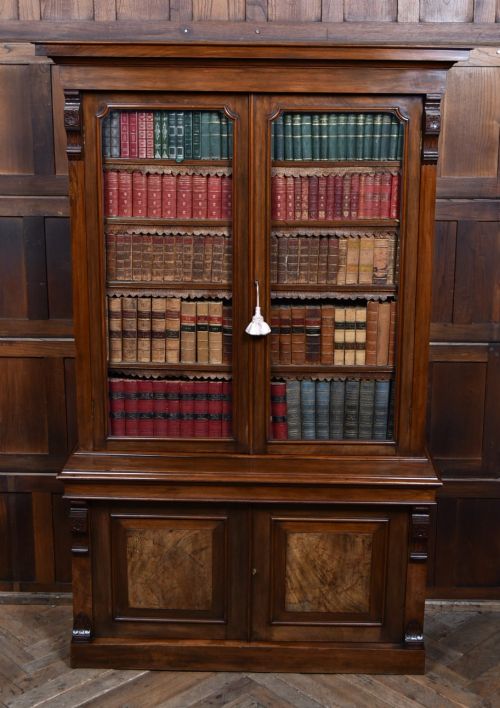
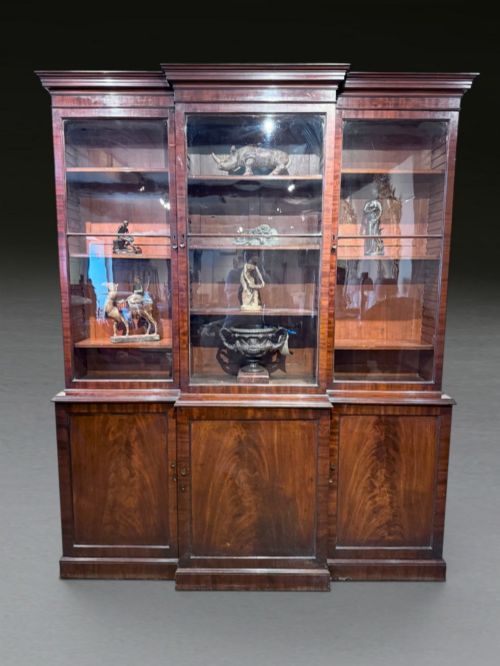
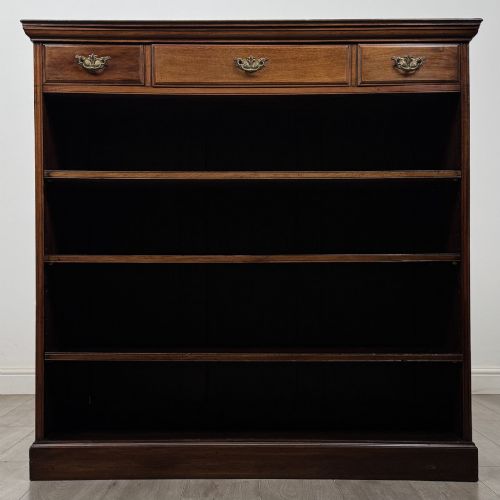
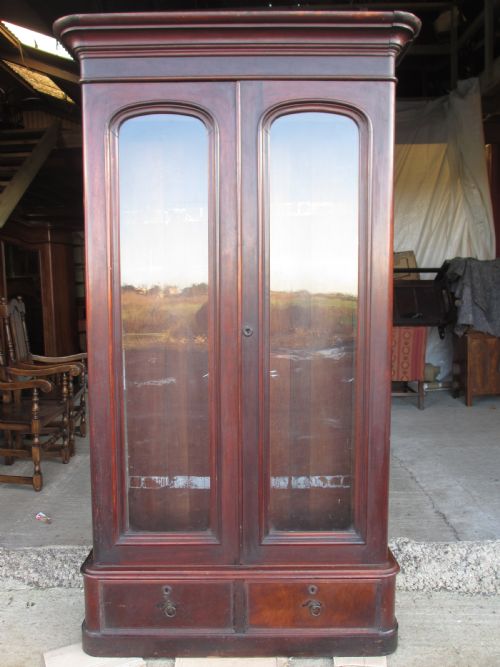
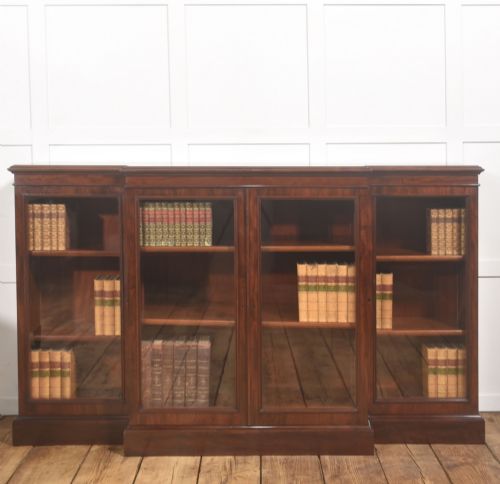
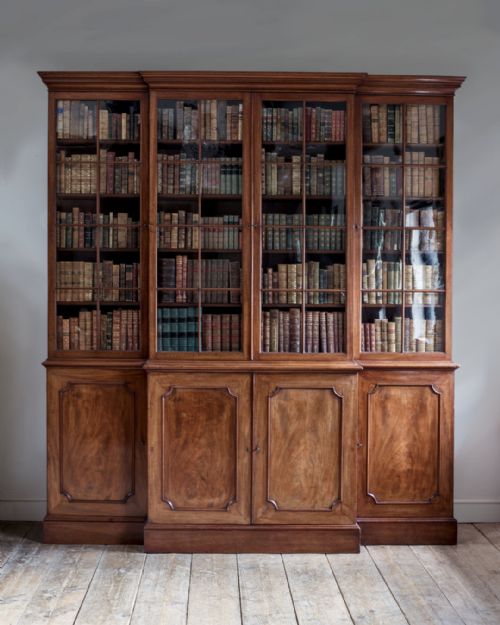
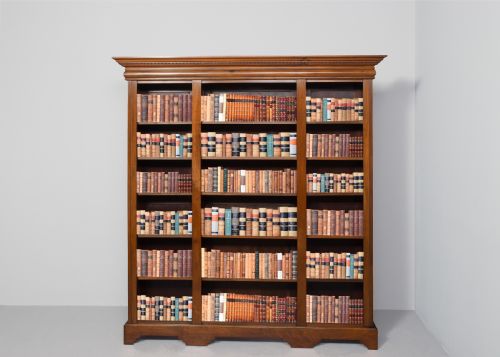
A wood library cabinet serves as a formal repository for books, combining display shelves with enclosed storage across periods from the Regency era through to the twentieth century. These architectural pieces range from open bookcases and breakfront designs to glazed cabinets fitted with astragal doors.
Victorian and nineteenth-century examples dominate the selections here, frequently constructed from figured mahogany or rosewood with adjustable shelving and classical cornices. Buyers meet both grand triple-bay library pieces designed for institutional spaces and smaller domestic bookcases suited to sitting rooms.
How they were made
Cabinet makers built these pieces using solid timbers like oak, walnut, and mahogany, often applying flame mahogany veneers to broad surfaces for rich grain movement. Brass mounts, glazing bars, and turned supports add structural detail to the primary woodwork.
Joinery techniques include dovetail construction for internal drawers and rebated joints for shelving, while larger breakfront carcasses utilise sectional or modular designs for stability. Glass doors are framed with timber astragals, and cornices incorporate dentil moulding or swan neck pediments.
Wood Library Cabinet Retail Price Guide 2026
Typical asking prices for wood library cabinet among the pieces listed under this phrase on Sellingantiques today, from the lower quarter to the upper quarter. They describe what is for sale here now, not the wider market.
Some Victorian revolving bookcases let readers spin an entire library collection with a single gentle push.
What varies in quality
The refinement of timber selection dictates visual merit, separating plain boards from richly figured flame mahogany or dense rosewood with deep natural chatoyancy. Superior examples exhibit precise hand-cut joinery and balanced grain matching across expansive breakfront doors.
Architectural proportions and crispness of carved details, such as dental cornices or brass inlay, separate standard utility pieces from workshop commissions in the manner of established makers.
Gillows·Gunn Furniture·Hille
The Wood Library Cabinet Glossary
- Breakfront
- A cabinet design where the central section projects forward from the flanking wings. This configuration creates visual depth in large library rooms.
- Astragal
- A moulding profile used to hold panes of glass within a glazed bookcase door. These strips divide the window into smaller geometric panels.
- Dentil cornice
- A classical architectural moulding featuring a series of small, evenly spaced rectangular blocks. It crowns the top of formal bookcases.
- Flame mahogany veneer
- A thin slice of wood cut from the fork of a mahogany tree to produce a flickering, flame-like grain pattern. Cabinet makers applied this to prominent door panels.
- Secretaire
- A cabinet incorporating a pull-down writing drawer fitted with small pigeonholes and inner compartments. It combines desk functionality with a traditional bookcase.
Wood Library Cabinet: Frequently Asked Questions
How do I adjust wooden shelves?
Many nineteenth-century bookcases utilise brass rack strips inset into the interior sides, allowing small metal catches to support shelves at precise intervals. This mechanism permits custom spacing for volumes of varying heights.
Older or simpler carcasses may rely on fixed wooden battens rather than adjustable tracks.
What timber was used for library cabinets?
Mahogany is the predominant timber found in these listings, appearing alongside rosewood, walnut, and oak. Cabinet makers selected these dense hardwoods for their structural strength and capacity to take a fine polish.
Veneers were frequently applied to large flat surfaces to display decorative grain patterns.
Are the glass doors original?
Glazed doors on period pieces often retain early float or cylinder glass, identifiable by subtle surface ripples and minor bubbles. The wooden astragals holding the panes should match the construction and timber of the main carcass.
Inspect the internal rebates to confirm the joinery aligns with the period of the cabinet.