

Wood Inlay Art
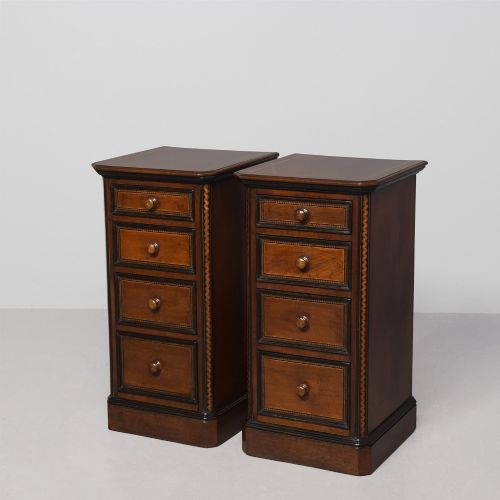
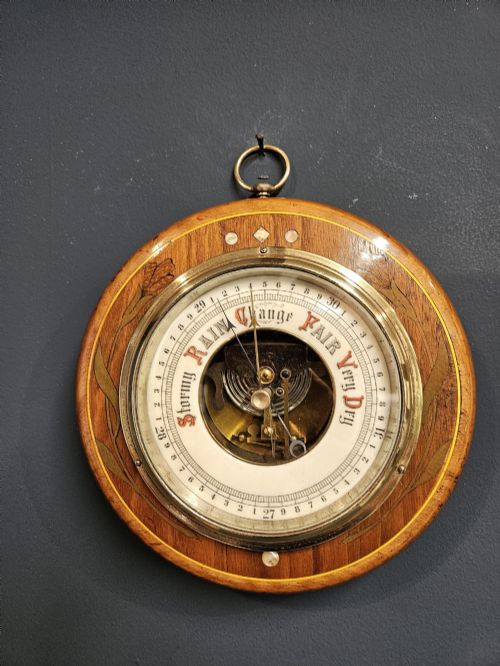
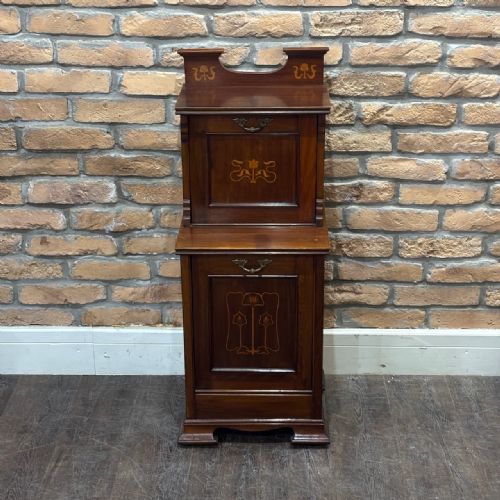
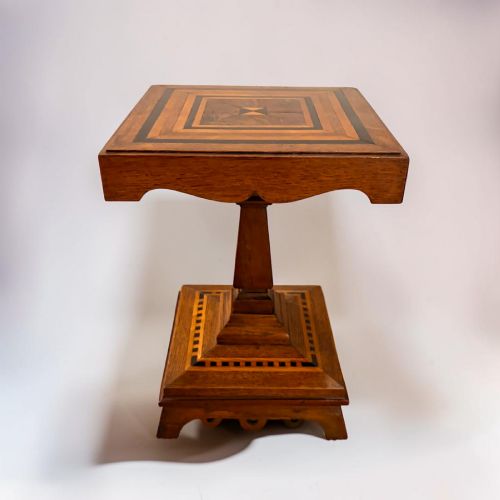
These pieces of wood inlay art bring intricate craftsmanship into everyday rooms through cabinets, tables, and panels from the nineteenth and twentieth centuries.
Wood Inlay Art
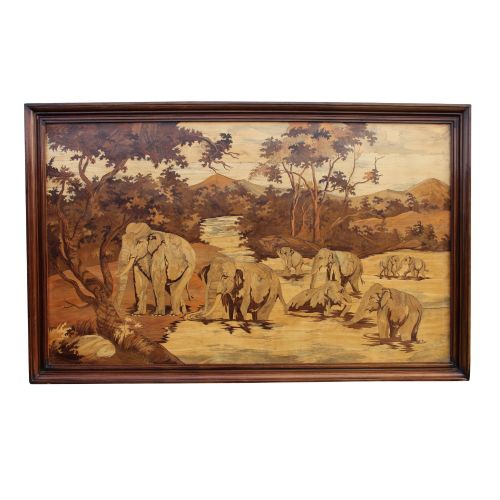
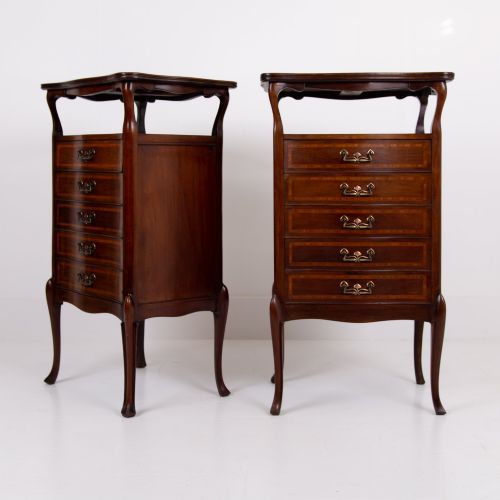
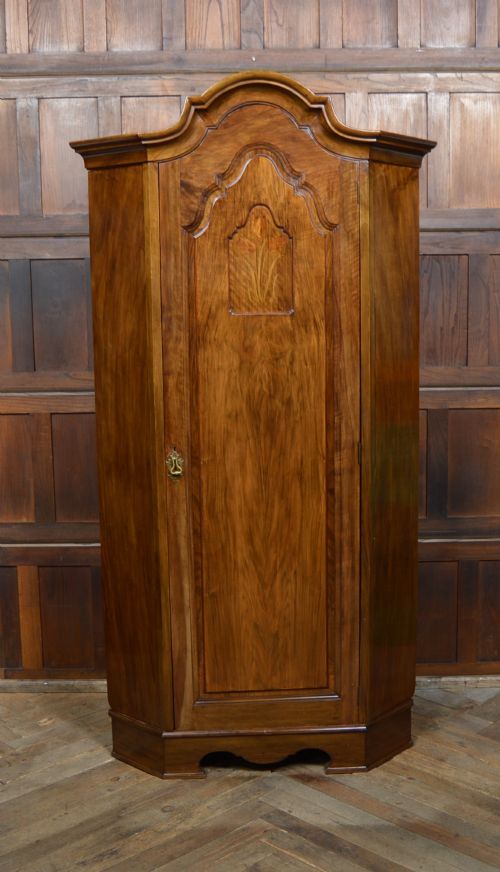
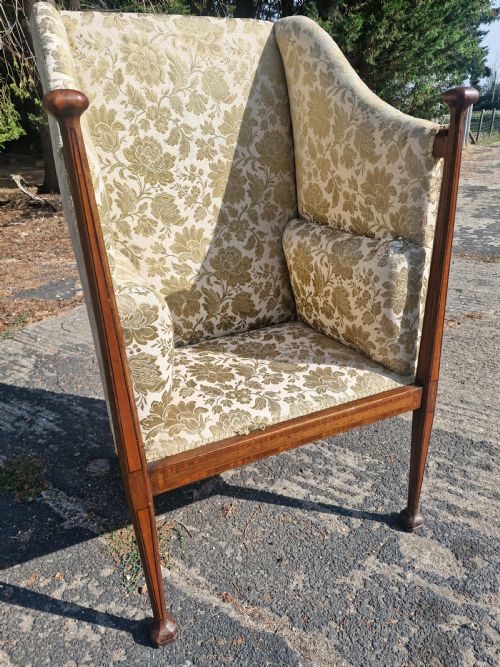
When you search for wood inlay art, you encounter a varied selection of domestic items spanning the nineteenth century through the Art Deco era.
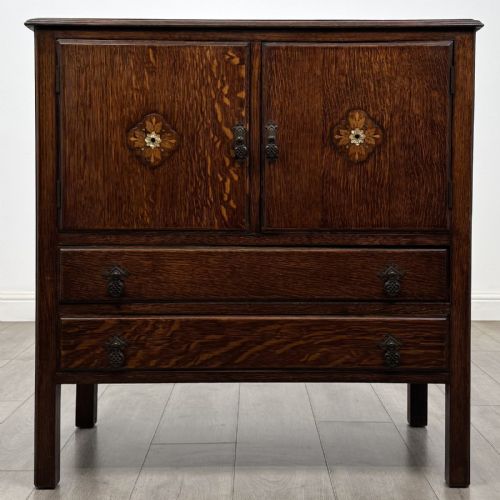
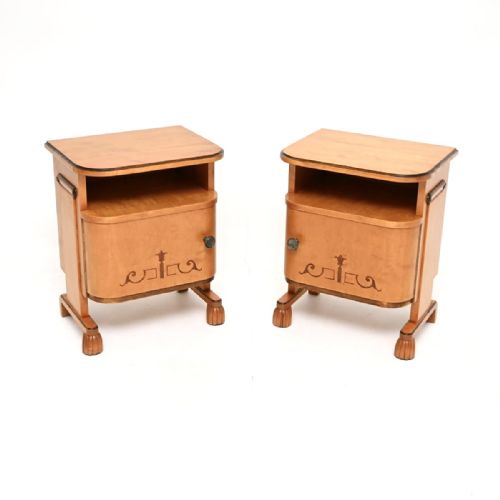
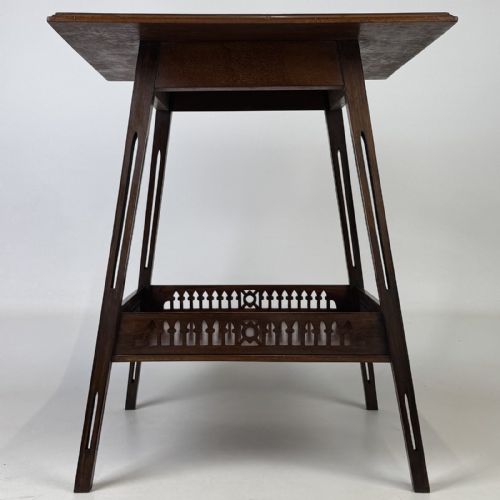
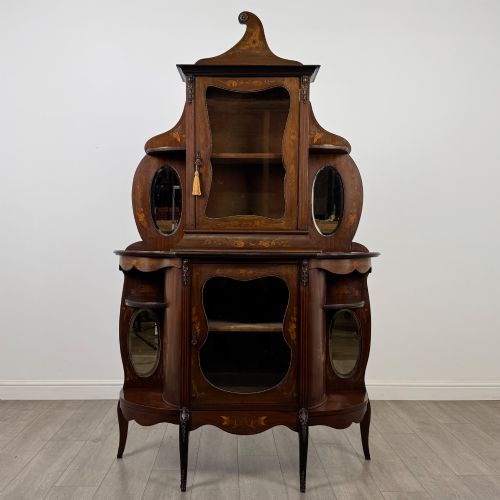
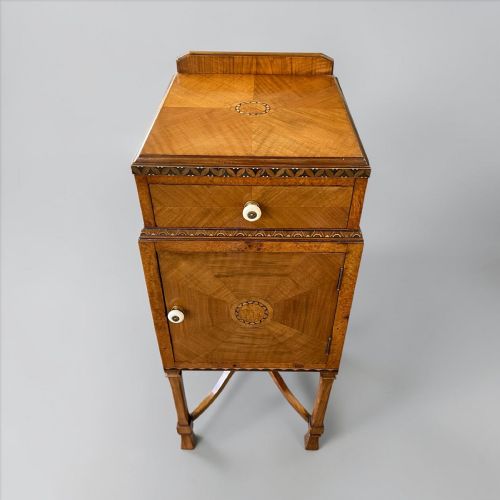
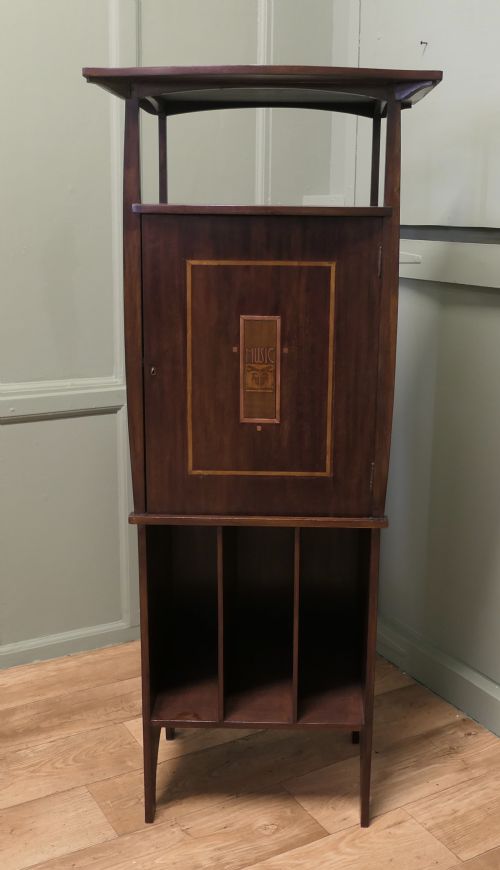
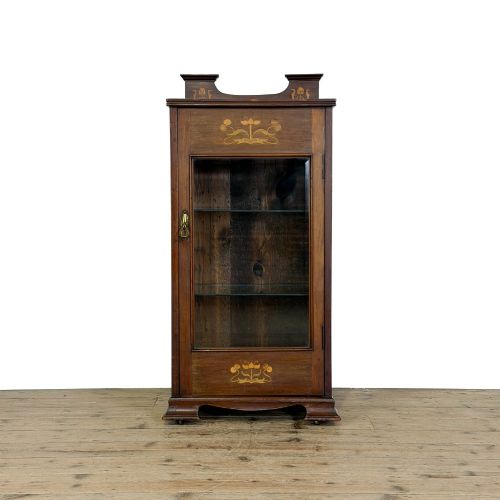
The objects on this page range from utilitarian furniture such as side tables, cabinets, and wardrobes to decorative wall panels and small treen items.
Most pieces date from the Edwardian period, the Arts & Crafts movement, and the Art Deco years, showcasing styles from Art Nouveau to Anglo-Indian designs.
Materials and construction
The makers utilised solid and veneered timbers including mahogany, walnut, satinwood, satin birch, and rosewood as foundations for decorative surface work.
Detailing often incorporates contrasting woods, brass hardware, glass panels, mother of pearl, and carved elements to enrich the visual texture of each piece.
Wood Inlay Art Retail Price Guide 2026
Typical asking prices for wood inlay art among the pieces listed under this phrase on Sellingantiques today, from the lower quarter to the upper quarter. They describe what is for sale here now, not the wider market.
Listings feature mahogany, walnut, satinwood, and rosewood combined with brass, glass, and mother of pearl across multiple decades.
Assessing the range
Quality rests upon the precision of the joinery and the integration of the inlaid elements within the primary wood structure.
Higher tier pieces demonstrate thoughtful proportion and harmonious material combinations, whereas simpler items rely on basic geometric patterns.
GM Elwood for JS Henry·James Shoolbred and Co·Wylie Lochhead of Glasgow·Whytock and Reid of Edinburgh·Shapland and Petter
The Wood Inlay Art Glossary
- Marquetry
- The practice of creating decorative patterns on furniture using wood veneers and other materials like mother of pearl. This technique allows for elaborate pictorial scenes and geometric designs.
- Treen
- Small handmade wooden objects for domestic use. These items include utilitarian pieces like knitting sheaths, snuff boxes, and turned goblets.
- Satinwood
- A durable hardwood known for its yellowish colour and lustrous sheen. It frequently provides a bright contrasting surface in inlaid furniture.
- Fretwork
- Ornamental design created by cutting patterns through wood using a scroll saw or similar tool. This technique appears on galleries, shelves, and side tables.
Wood Inlay Art: Frequently Asked Questions
How do I care for inlaid wooden furniture?
Keep wooden pieces away from direct sunlight and steady heat sources to protect the veneers and prevent timber movement.
Apply a traditional beeswax polish occasionally to nourish the wood surface and maintain its natural lustre without building up heavy residues.
What periods do these inlaid pieces cover?
The selection spans from the late nineteenth century through the Edwardian era and into the Art Deco period of the nineteen-thirties.
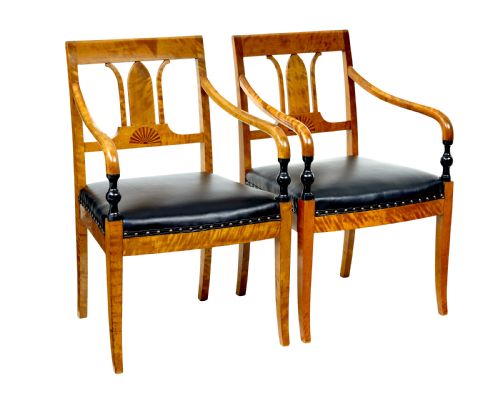
Earlier nineteenth century examples sit alongside Arts & Crafts interpretations and clean-lined Scandinavian designs from later decades.
Are these items suitable for modern homes?
These functional tables, cabinets, and small decorative objects integrate easily into contemporary interiors as practical storage or display surfaces.
Their varied styles, from organic Art Nouveau curves to geometric Art Deco forms, complement both traditional and minimalist room schemes.
How can I distinguish Arts & Crafts pieces?
Arts & Crafts items emphasise visible construction methods, honest material use, and handcrafted details rather than mass-produced uniformity.
Look for Celtic knot handles, copper or brass accents, and straightforward joinery executed in oak or mahogany.