


Wood Hall Chair
A wood hall chair is a rigid wooden seat meant for an entrance passage, offering a bold architectural silhouette for welcoming visitors.
Wood Hall Chair
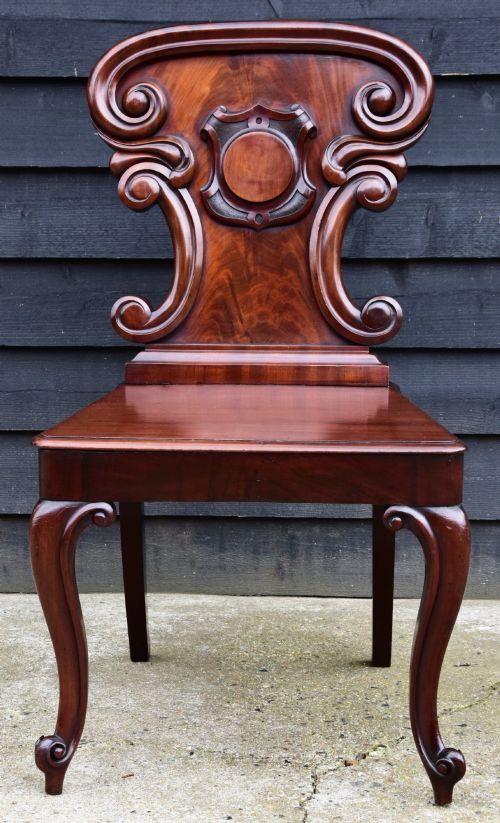
When you search for a wood hall chair, you encounter sturdy seating designed primarily for grand entrances, reception spaces, and hallways rather than comfortable lounging. These functional pieces typically feature solid timber construction with high backrests and lack upholstered cushions, focusing instead on formal display.
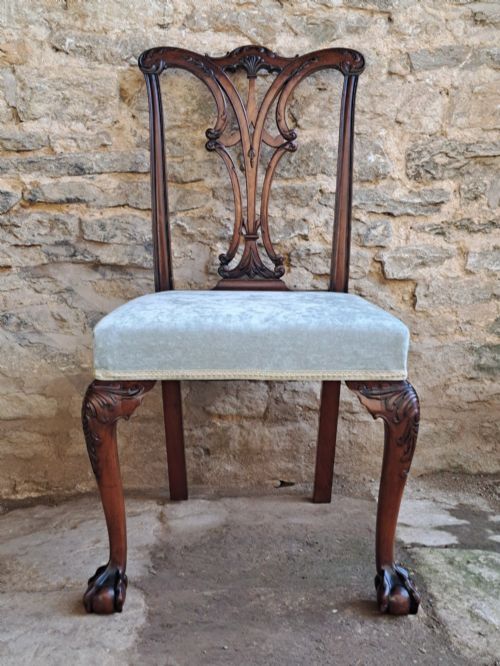
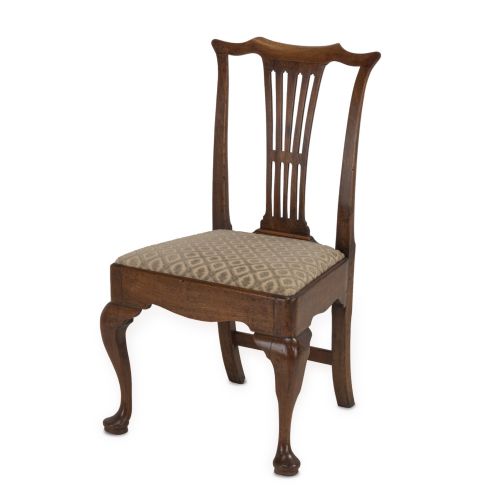
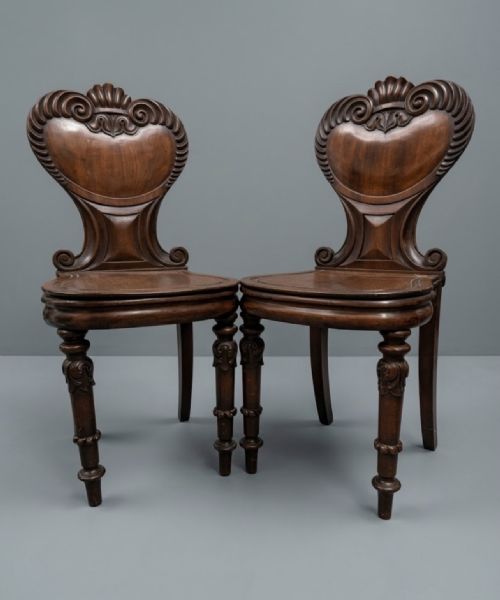
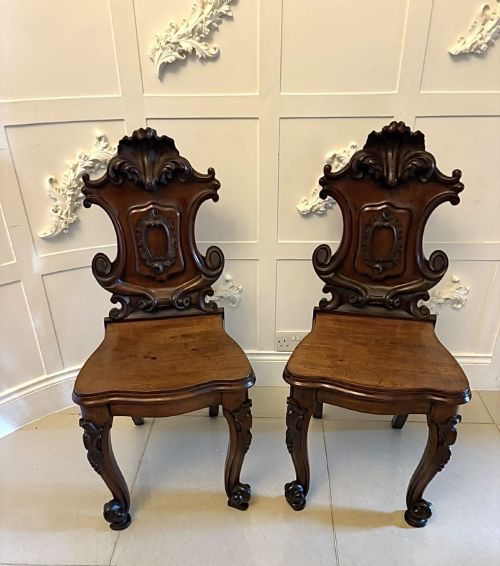
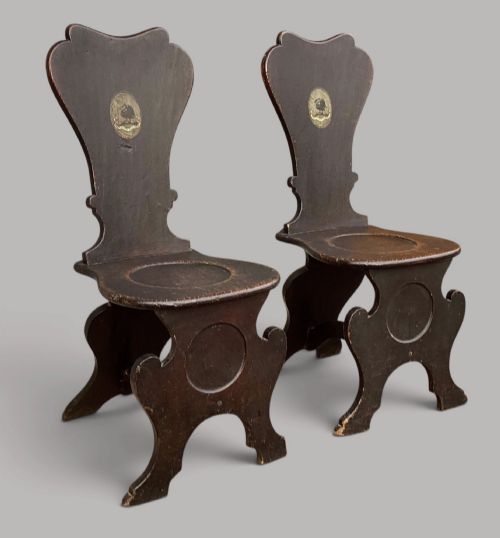
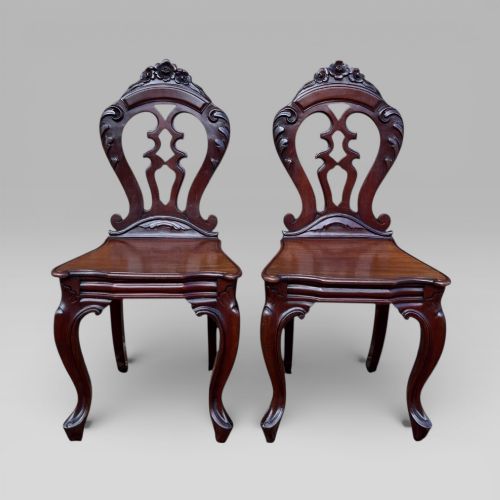
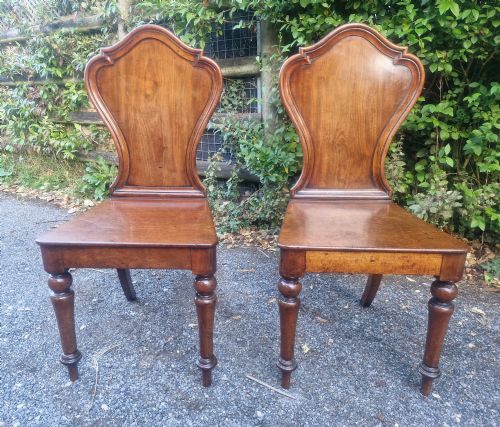
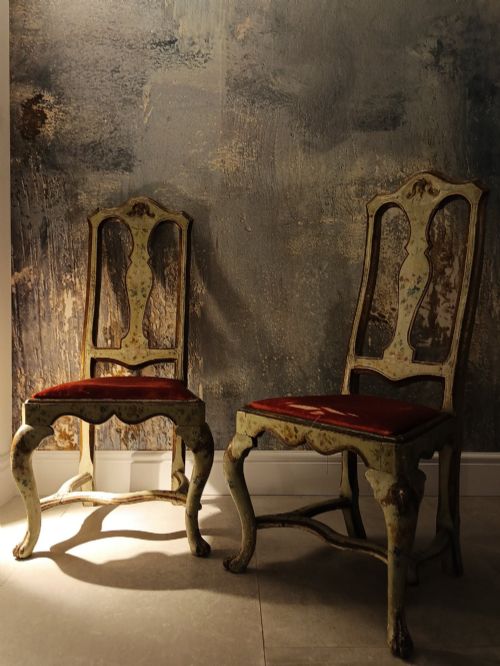
The versions you meet most frequently on this page date from the Georgian, Regency, and Victorian periods, executed in substantial hardwoods. Many present carved crests, painted armorial shields, or pierced splats designed to catch the eye upon entering a house.
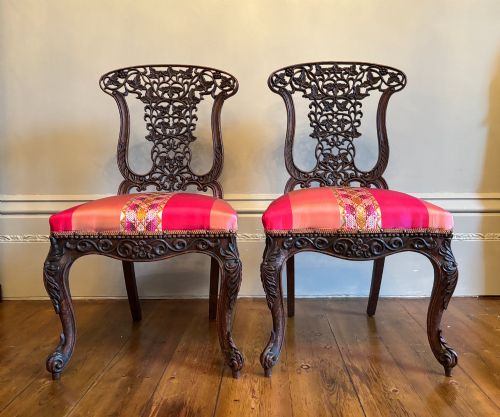
Alongside standard single seats, the selection includes matched pairs, armchairs, and variants like the sgabello style or monastic benches. Their primary historic purpose was to provide a brief, upright seat for callers waiting to be announced.
How they were made
Cabinet makers relied heavily on dense native and imported timbers, notably mahogany, oak, and walnut, chosen for structural rigidity and deep grain patterns. These woods were turned, carved, and joined using traditional techniques to withstand heavy daily use in high-traffic corridors.
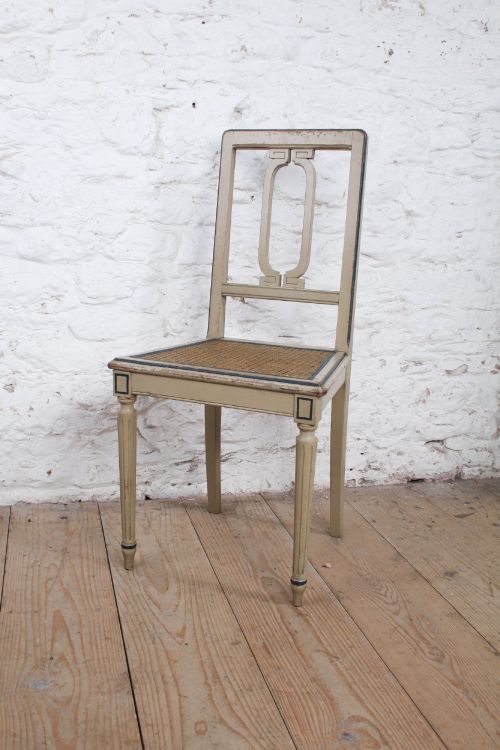
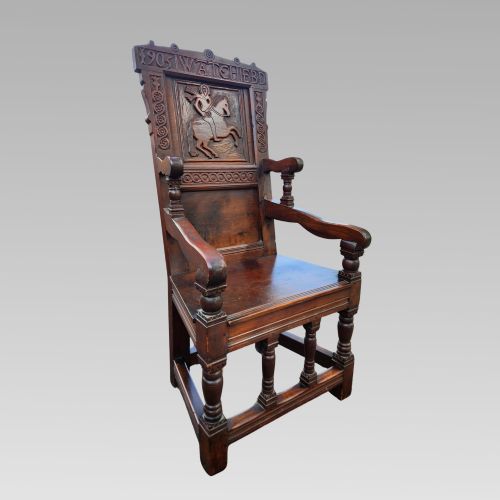
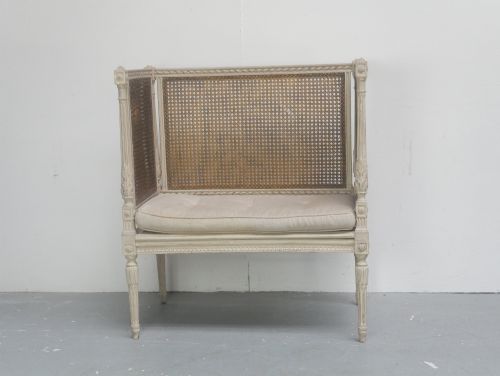
Surface decoration often involved hand-carving intricate motifs such as Gothic tracery, baronial crests, and shield backs directly into the solid timber. Some examples incorporate painted armorials on the back panels or utilise auxiliary materials like cane for seat inserts.
Wood Hall Chair Retail Price Guide 2026
Typical asking prices for wood hall chair among the pieces listed under this phrase on Sellingantiques today, from the lower quarter to the upper quarter. They describe what is for sale here now, not the wider market.
Listings feature wood hall chairs spanning the 18th, 19th, and early 20th centuries, created in styles ranging from Regency to Arts and Crafts.
What varies in quality
The distinction between ordinary utility seating and high-end examples lies in the crispness of the timber carving and the architectural ambition of the design. Superior pieces display deep, sharply defined relief work on the back panels and robust joinery that remains tight after centuries.
Material selection and figuring in the grain dictate much of the visual appeal, with richly figured Cuban mahogany or quarter-sawn oak elevating a simple profile. Original surface patination and untouched finishes further separate desirable collector pieces from later alterations.
The Wood Hall Chair Glossary
- Sgabello
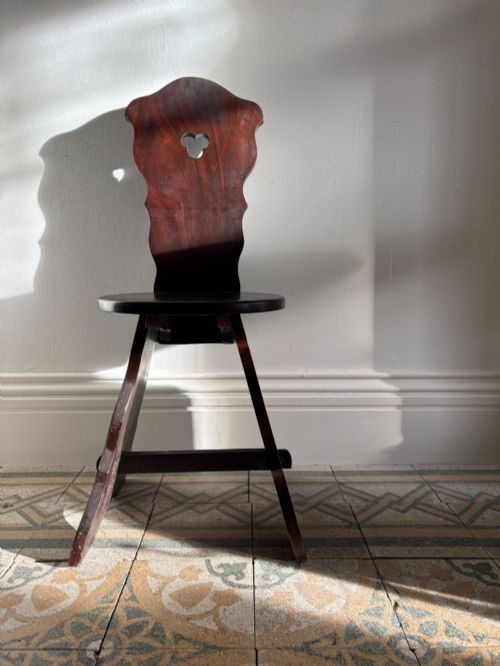
- A Renaissance-form chair featuring a solid wooden back and trestle supports instead of standard legs. It is typically carved with ornate details suited for formal display.
- Shield Back
- A chair back shaped like a heraldic shield, popularized during the Georgian period. This design allows for intricate pierced splats and delicate woodwork.
- Armorial
- A painted or carved coat of arms displayed on the chair back. Such heraldic markers indicate the specific lineage or estate for which the seating was commissioned.
- Padauk
- A dense tropical hardwood with a reddish hue used in fine cabinet making. Its weight and durability made it suitable for export furniture.
- Baronial
- A heavy, revivalist style featuring deep oak carving and imposing proportions. It mimics the medieval furnishings found in large country estates.
Wood Hall Chair: Frequently Asked Questions
How were wood hall chairs used?
These chairs were stationed in grand hallways and reception rooms to accommodate callers, messengers, or servants waiting for an audience. Guests would sit briefly while awaiting announcement by household staff.
Because they were meant for short durations, cushioning was omitted in favour of carved wooden seats. They also functioned as visual markers of a household's status through displayed family crests and elaborate woodwork.
How do I identify a Victorian hall chair?
Victorian examples often display heavier proportions and deep machine-assisted or hand carving reflecting Gothic and Renaissance revivals. They frequently utilise dark mahogany or walnut with prominent shield backs and moulded edges.
Examining the underside and joint construction helps determine the period, alongside surface wear consistent with mid-nineteenth-century domestic use. Many retain an original untouched finish that reveals the ageing of the timber.
Are hall chairs comfortable?
Hall chairs are generally not comfortable for extended sitting because they feature solid wooden seats and straight, upright backrests. Their historic design prioritised posture, formality, and durability over ergonomic ease.
In modern interiors, they function best as decorative accent pieces in entryways, bedrooms, or hallways rather than primary seating for living spaces.