


Wood Glass Taxidermy Case
A wood glass taxidermy case houses preserved specimens beneath blown glass, protecting delicate feathers and settings while offering a clear view from all sides.
Wood Glass Taxidermy Case
A wood glass taxidermy case brings together timber bases or frames and glass domes or panels to create a protective environment for preserved specimens. When you search for a wood glass taxidermy case, you encounter Victorian and Edwardian examples ranging from simple display domes to wall-mounted cabinets.
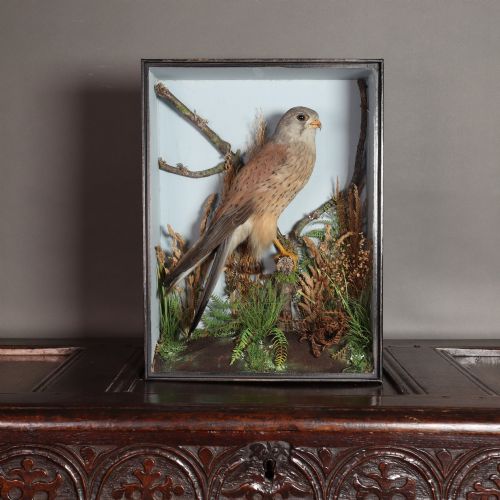
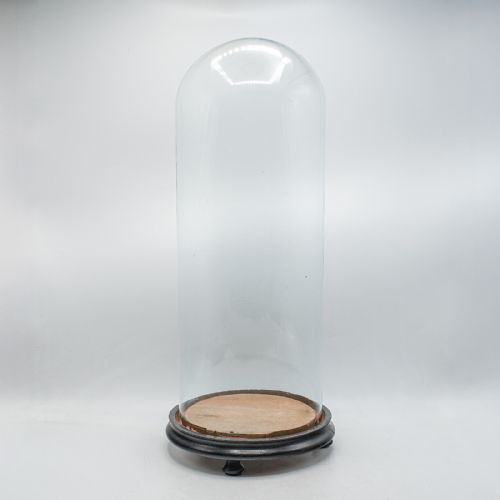
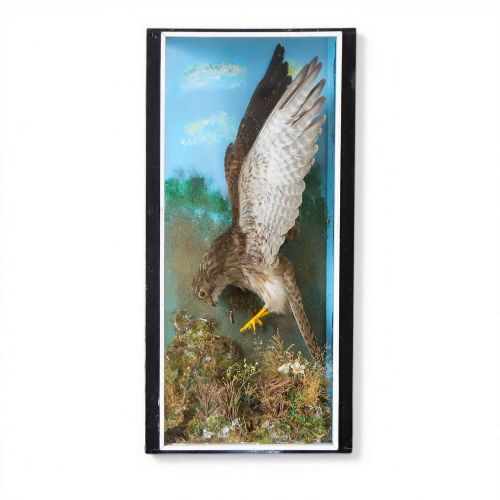
The most common forms on this page include tall and wide glass domes seated on ebonised, oak, or pine bases, alongside diorama cases containing birds such as kestrels and waxwings. These enclosures served domestic interiors as both scientific curiosities and decorative ornaments.
Origins trace predominantly to English workshops and makers of the nineteenth and early twentieth centuries, spanning the late Victorian period through to the 1930s. The forms vary from oval collector pieces to large square or rectangular showcases designed for multiple specimens.
Factors of quality
Quality reveals itself in the clarity and thickness of the blown glass dome, where older examples may show subtle ripples and bubbles from traditional production methods. The joinery of the wooden base, whether utilising polished mahogany, oak, or ebonised finishes, dictates the structural integrity of the piece.
The artistry of the interior arrangement, including the preservation state of the feathers and the naturalism of the diorama or painted case, separates standard specimens from notable works by recognised taxidermists and firms.
Several domes originally intended for ticking clocks found a second life housing stuffed birds and delicate feathers.
T. E. Gunn·James Gardner
The Wood Glass Taxidermy Case Glossary
- Cloche
- A bell-shaped glass cover used to protect delicate items. It sits directly on a wooden base.
- Diorama
- A three-dimensional scene depicting animals in a simulated natural habitat. These often include painted backgrounds and dried vegetation.
- Ebonised wood
- Timber treated with a dark stain or finish to imitate ebony. It provides a stark, contrasting frame for glass domes.
- Specimen showcase
- A specialised cabinet or glass enclosure designed for displaying natural history items. It keeps dust away from fragile feathers and mounts.
- Collector's dome
- A glass cover paired with a wooden plinth intended for displaying botanical or zoological items. They were popular in Victorian studies.
Wood Glass Taxidermy Case: Frequently Asked Questions
How do I clean the glass dome?
Lift the glass cover carefully from its wooden base using both hands on a stable, flat surface.
Wipe the glass with a soft cloth and mild glass cleaner, ensuring it dries completely before placing it back over the taxidermy.
Were these cases made in the Victorian period?
Many examples date from the Victorian and late Victorian eras, spanning from the mid-nineteenth century onwards.
Makers continued producing similar styles through the Edwardian period and into the early twentieth century.
What kind of wood is used for the bases?
Bases and cabinets appear in various timbers including ebonised wood, oak, mahogany, and pine.
The wood is often turned, polished, or painted to complement the specimens displayed inside.
Can the glass be separated from the wood base?
Most domes rest freely within a groove on the wooden base rather than being permanently fixed.
This allows collectors to access the interior, though care must be taken due to the weight and fragility of old glass.