

Wood Gesso Frame
A wood gesso frame brings layered depth and ornate relief to mirrors and artwork, catching the eye with moulded plaster and gilded surfaces.
Wood Gesso Frame
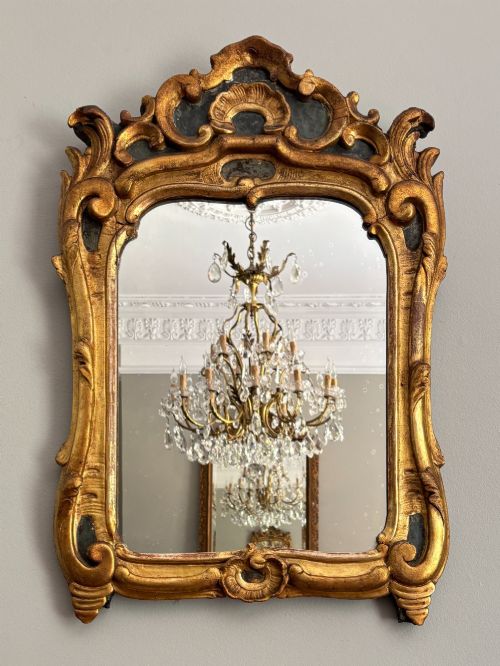
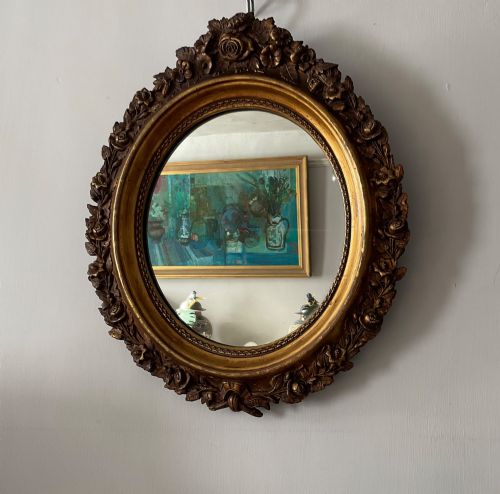
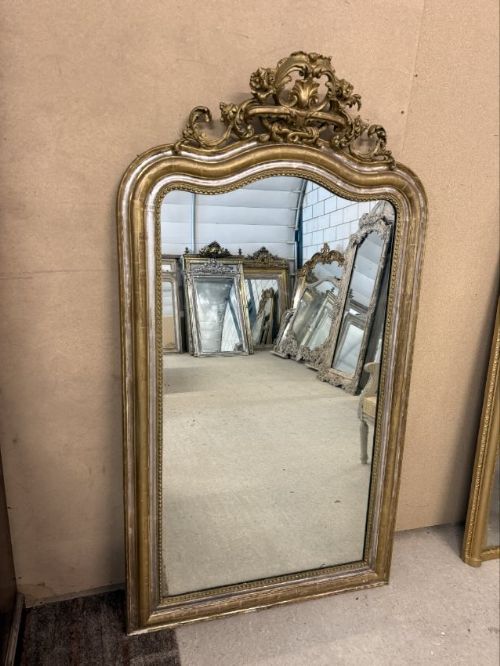
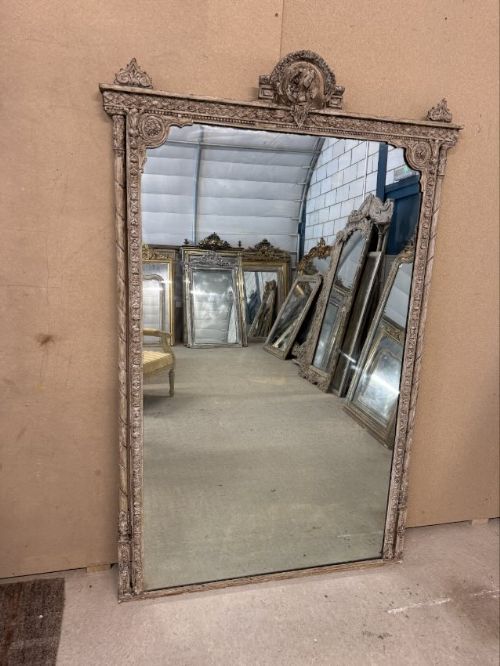
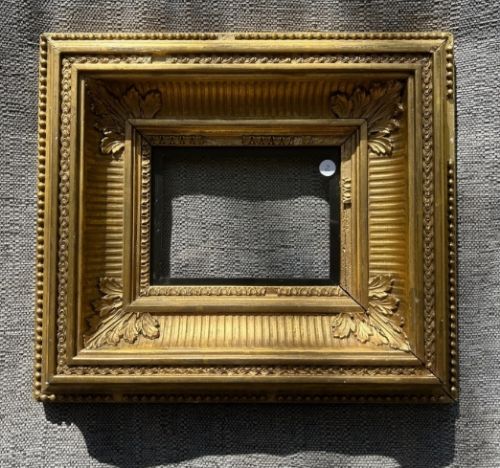
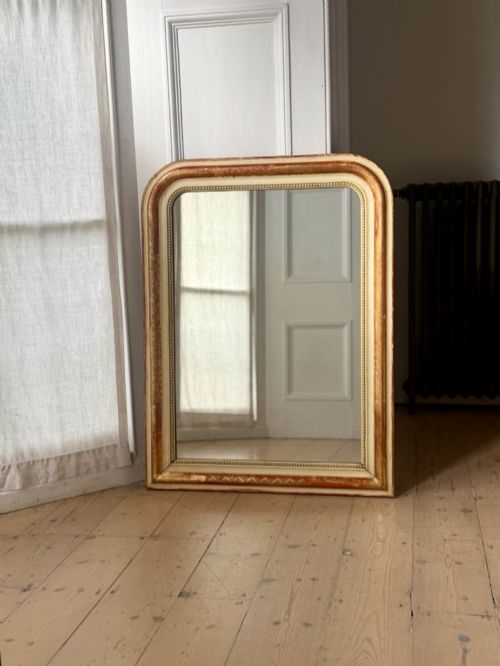
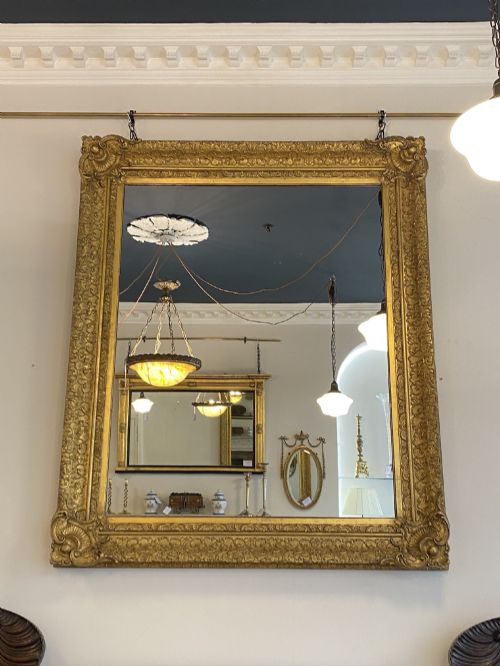
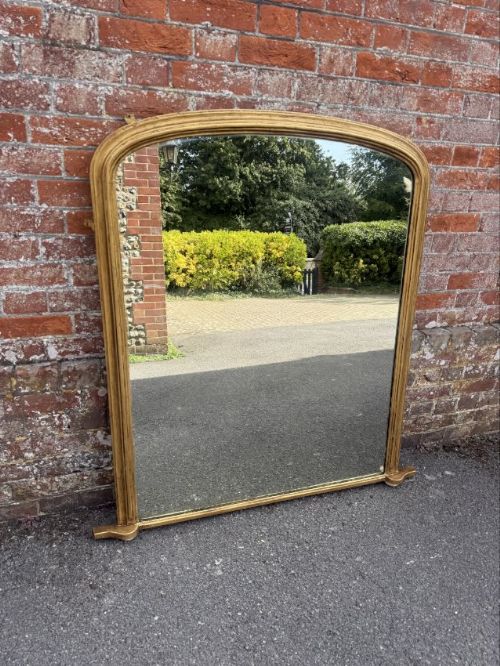
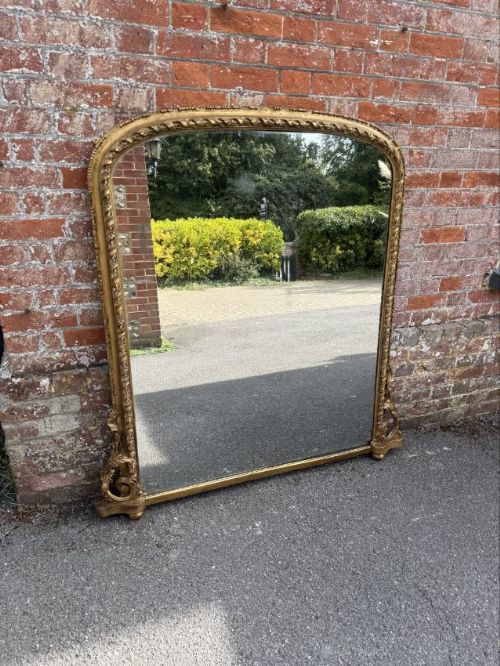
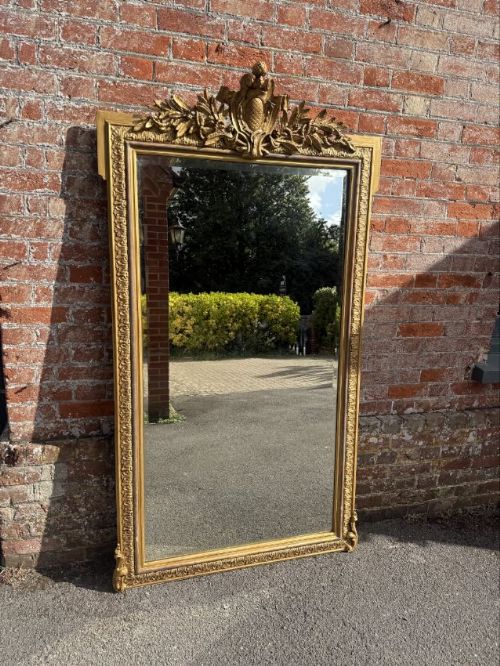
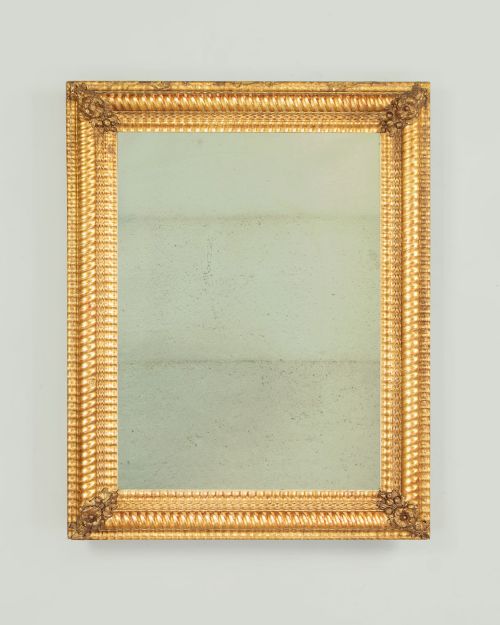
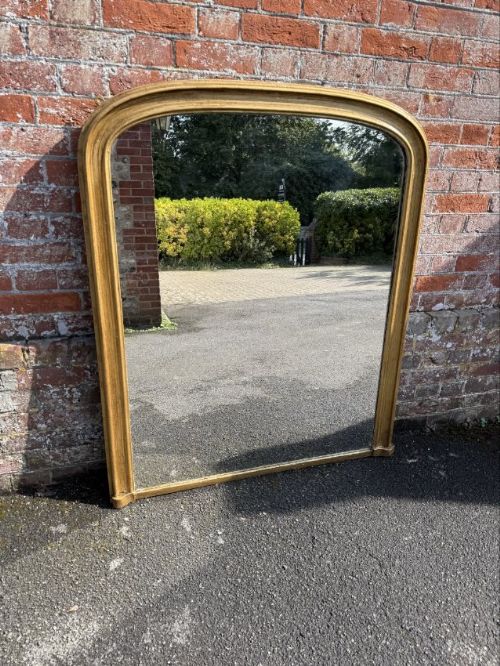
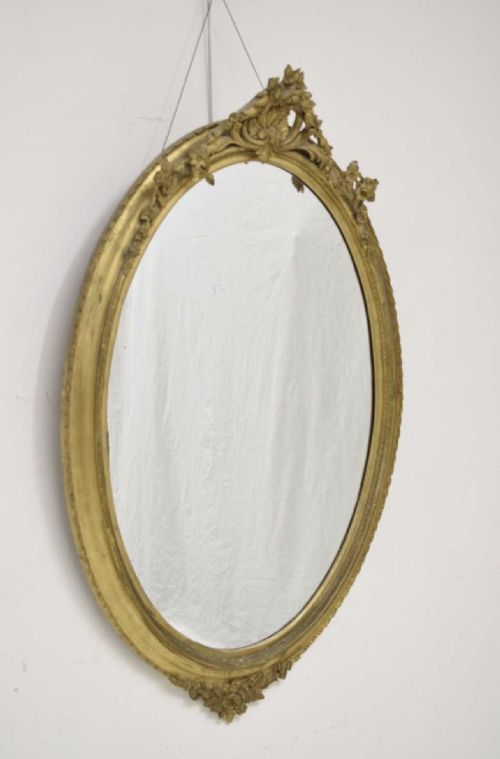
When someone searches for a wood gesso frame, they encounter items built primarily during the nineteenth century, ranging from the 1850s through to the 1920s. These pieces include grand overmantle mirrors, decorative wall mirrors, and deep picture frames.
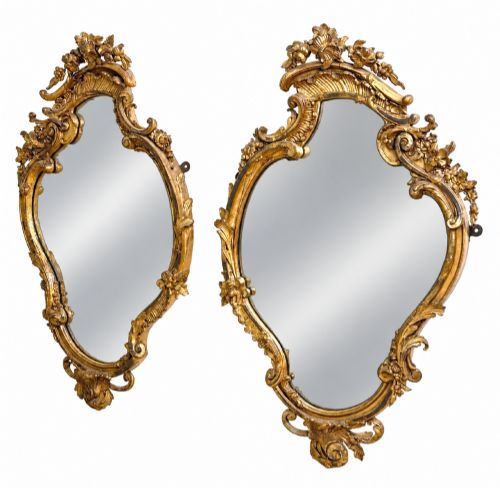
The English and French examples dominate the selection, often taking the form of arched top overmantle mirrors or ornate pier mirrors. Many pieces reflect revival styles, such as French Rococo Revival and Louis Philippe designs.
The core structure relies on solid carved wood, providing the rigid foundation needed for heavy plaster ornament. These items served both functional and decorative roles in Victorian interiors, designed to reflect light and anchor a room's aesthetic.
Materials and construction methods
Craftsmen built these items using a wooden substrate, typically carved into specific profiles like rope twists, columns, or fluted hollows. This timber carcass provided a stable base for the intricate decorative layers applied over top.
A mixture of chalk or gypsum combined with glue, known as gesso, was applied to the wood in multiple layers. This plaster mixture allowed artisans to carve, stamp, or mould elaborate relief details that wood alone could not easily achieve.
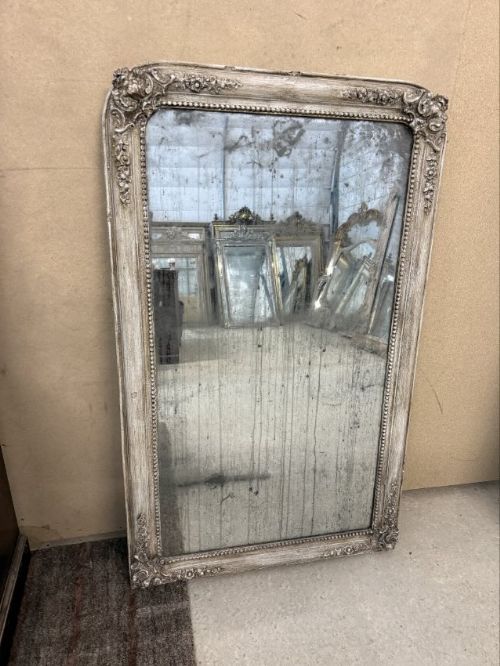
Surfaces were frequently finished with gold leaf, silver leaf, or paint, creating the characteristic giltwood appearance. Mirror glass, including mercury glass variants, was then fitted into the prepared rebates.
Wood Gesso Frame Retail Price Guide 2026
Typical asking prices for wood gesso frame among the pieces listed under this phrase on Sellingantiques today, from the lower quarter to the upper quarter. They describe what is for sale here now, not the wider market.
Many nineteenth-century mirrors still retain the subtle distortion of original mercury glass, offering a wonderfully romantic view of the room.
Evaluating the craftsmanship
Quality in a wood gesso frame rests on the crispness of the moulded relief and the depth of the underlying wood carving. Sharply defined motifs indicate skilled hands working the plaster before it hardened.
The application of the metal leaf and the integrity of the preparatory gesso layers distinguish finer items from simpler production pieces. A well-preserved surface retains its burnished glow and harmonious texture across complex curves and corners.
The Wood Gesso Frame Glossary
- Gesso
- A plaster mixture made from chalk or gypsum bound with glue, applied to wood to create a smooth surface for carving or gilding. It forms the raised decorative relief on many nineteenth-century frames.
- Giltwood
- Timber that has been gilded with gold leaf applied over a prepared gesso ground. This technique gives objects a brilliant metallic sheen.
- Overmantle Mirror
- A large mirror designed to hang specifically above a fireplace mantelpiece. They frequently feature arched tops and elaborate nineteenth-century moulding.
- Pier Mirror
- A tall, narrow mirror traditionally hung on the pier, the solid wall space between two windows. These pieces often coordinate with console tables.
- Mercury Glass
- A type of double-walled glass blown in the nineteenth century with a silvering mixture inserted between the layers. It creates a cloudy, atmospheric reflection.
Wood Gesso Frame: Frequently Asked Questions
How do I hang a heavy gesso mirror?
These pieces require robust wall fixings due to the combined weight of the timber carcass, thick gesso, and glass. Securing the hanging hardware directly into wall studs ensures proper support.
Professional mirror hangers often utilise heavy-duty D-rings and steel wire rated well above the weight of the specific frame.
What is the difference between giltwood and painted gesso?
Giltwood surfaces feature thin sheets of gold or silver leaf applied over the gesso ground to imitate solid precious metal. Painted gesso utilises coloured pigments directly on the plaster relief.
Both finishes were popular in the nineteenth century, with painted versions often complementing specific interior decorative schemes.
How do I clean a historic gesso frame?
Cleaning requires a soft, dry brush to gently remove dust from the intricate recesses of the plaster relief. Moisture can damage vulnerable gesso and historic gilding.
Harsh chemical cleaners must be avoided entirely to preserve the original nineteenth-century surface finishes.
Are these frames all from the Victorian period?
While a large portion of the available pieces date from the Victorian era and the broader nineteenth century, some examples extend into the early twentieth century. Makers frequently drew inspiration from earlier eighteenth-century designs.
Stylistic cues and construction materials help narrow down the specific decade of manufacture.