
Wood Framed Portrait
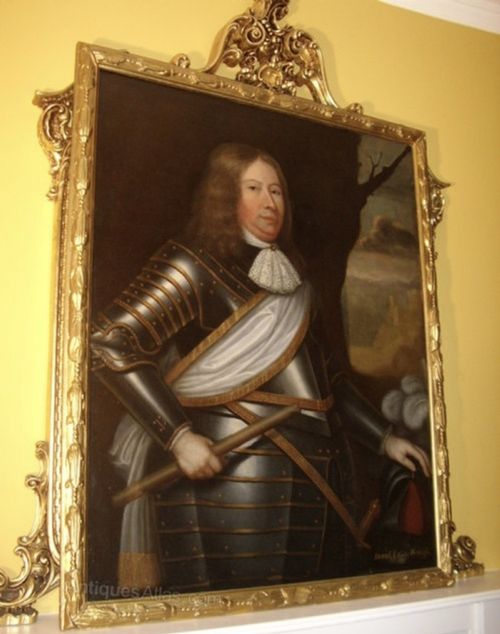
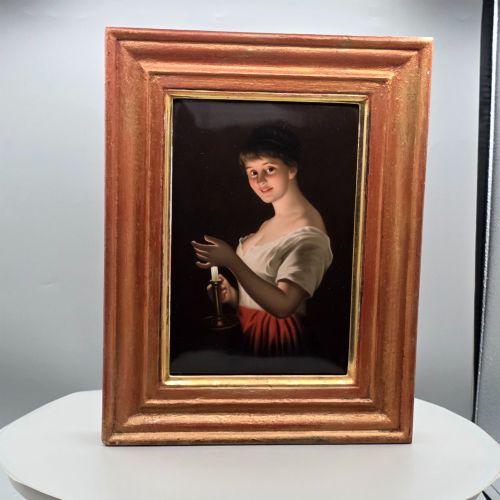
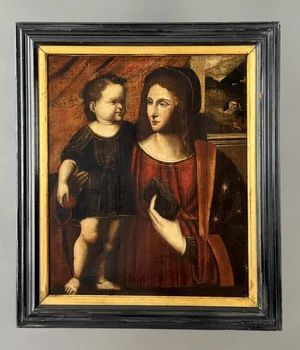
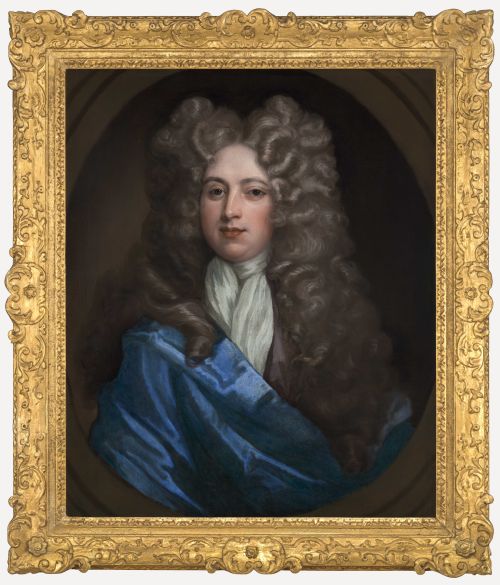
When you search for a wood framed portrait, you are looking at centuries of likenesses captured in oil, pastel, and print, held within timber surrounds that complete the work.
Wood Framed Portrait
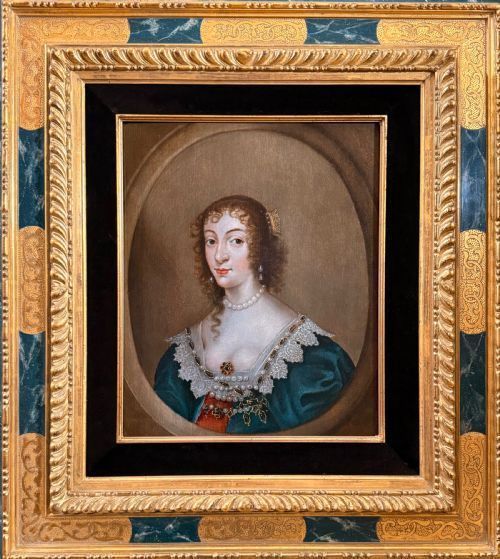
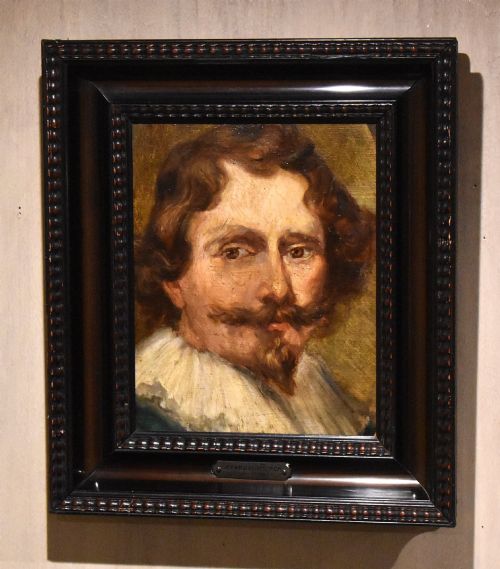
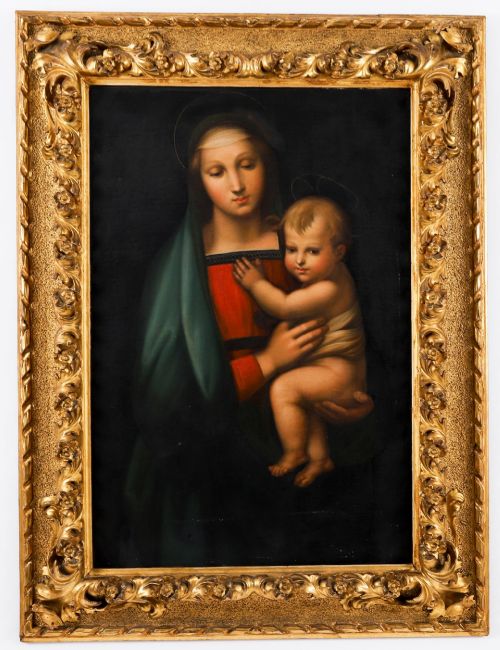
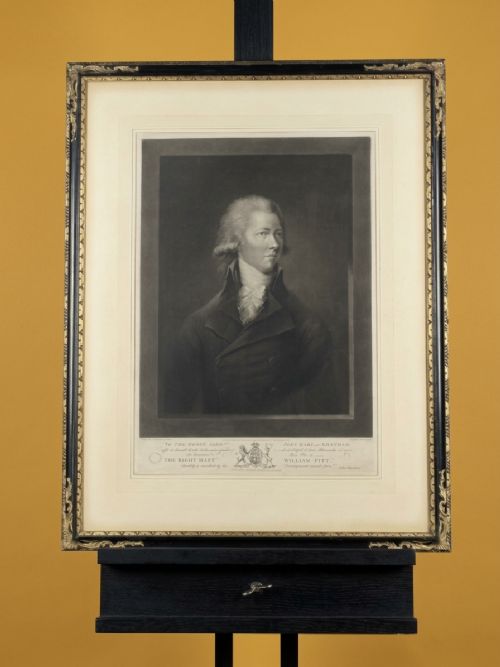
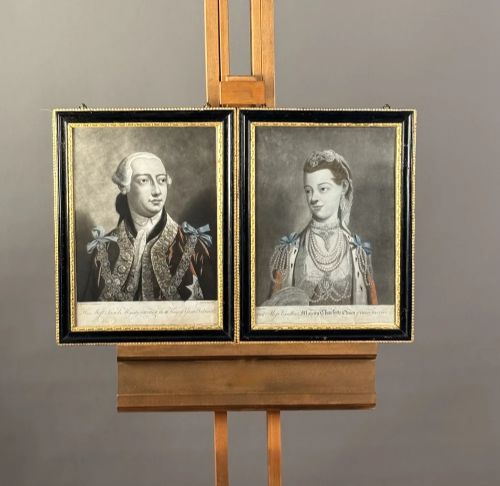
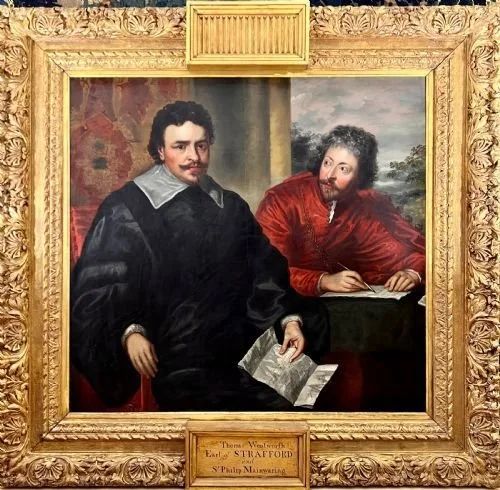
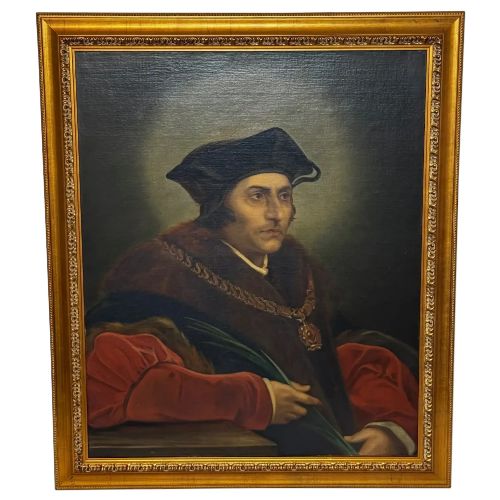
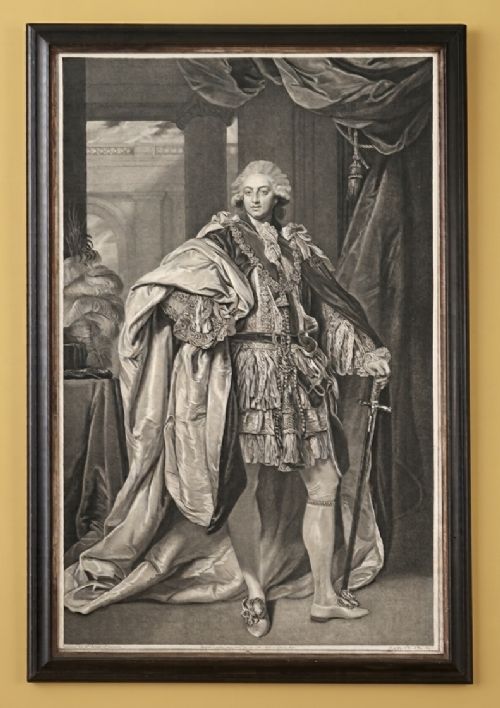
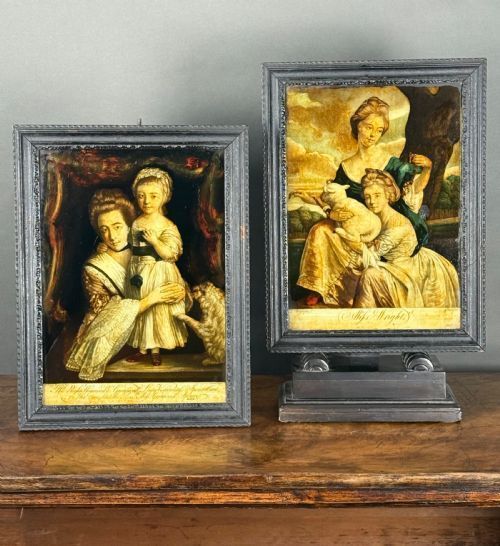
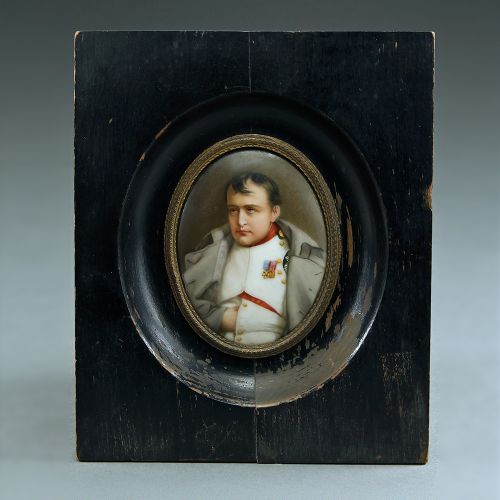
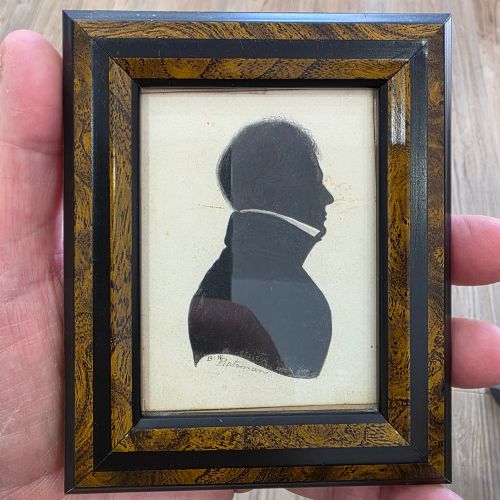
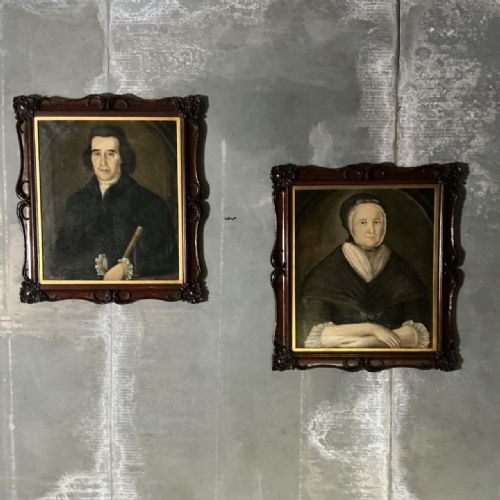
A wood framed portrait brings together historic imagery and traditional framing, spanning centuries from the seventeenth through to the twentieth. You will encounter oil paintings on canvas and wood panel, delicate pastels under glass, silhouettes, and mezzotint engravings.
The dominant examples on this page reflect formal oils and pastels from the eighteenth and nineteenth centuries, alongside Edwardian prints and twentieth-century works. These pieces range from grand depictions of nobility and public figures to intimate studies of children and gentlemen.
Mouldings and surrounds play an essential role in defining the character of each piece, utilising materials such as carved walnut, rosewood, and gilt wood. The timber frame is frequently contemporary to the artwork, acting as a historical housing that preserves the condition and context of the portrait.
Materials and Techniques
Artists historically built their portraits using oil paint on canvas or wooden panels, applying pigment in layers to achieve depth and luminosity, while pastel artists worked on paper fixed behind protective glass. Engravers and printmakers utilised copper plates to pull detailed mezzotints that were later trimmed and mounted.
Makers constructed the accompanying frames from native and exotic timbers, often applying gesso and gold leaf to create gilded surfaces or leaving walnut and rosewood with a polished dark finish. Joinery techniques varied from mitred corners with spline reinforcement to heavy carved mouldings tailored to the scale of the artwork.
Listings feature works spanning the seventeenth century through to the Edwardian era, rendered in oil, pastel, and print.
Judging Quality
The distinction between standard and superior pieces rests upon the fidelity of the draughtsmanship and the expressive capability of the hand that painted or printed the likeness. Master portraitists achieved remarkable psychological depth and anatomical precision, whereas lesser works remain stiff and formulaic.
Originality of the framing adds significant merit, particularly where the timber moulding matches the period and aesthetic of the image without later alteration. Surviving signatures, legible contemporary inscriptions, and documented provenance further elevate the standing of an individual piece.
Sir Joshua Reynolds·Sir Peter Lely·Anthony Van Dyck·William Hogarth·Joseph Clover
The Wood Framed Portrait Glossary
- Mezzotint
- A printmaking process of the intaglio family where the copper plate is roughened uniformly to produce rich dark tones and subtle gradations of light.
- Pastel
- A dry painting medium consisting of powdered pigment and a binder, highly susceptible to disturbance and therefore preserved securely under glass.
- Panel
- A solid piece of wood, frequently oak or mahogany, used as a rigid support for oil paintings before canvas became the dominant medium.
- Gilt
- A thin layer of gold leaf applied to the surface of wood mouldings to provide a brilliant decorative finish.
- Silhouette
- A portrait represented as a solid shape of a single colour, usually black, outlined and cut from paper or painted directly.
Wood Framed Portrait: Frequently Asked Questions
How do I date a wood frame?
Dating a wood frame requires examining the construction of the mitred corners, the type of timber used, and the composition of any gesso or gilding layers underneath the surface finish. Tool marks left by hand planes and saws provide reliable clues to the age of the woodwork.
Changes in moulding profiles across the Georgian, Victorian, and Edwardian eras also help align the frame with the approximate period of the portrait it encloses.
Can I clean the glass on a pastel?
Cleaning the glass on an antique pastel portrait demands extreme caution because the medium is essentially loose pigment resting on paper without liquid binder. Removing the frame can release delicate pastel dust trapped inside.
It is generally safest to clean only the exterior surface of the glass with a mild solution applied to a cloth rather than a spray, ensuring no liquid seeps beneath the rebate.
Where should I hang these portraits?
These portraits suit rooms with stable humidity and temperature away from direct sunlight, which can fade oil pigments, discolour paper, and dry out historic wooden frames. Placing them at eye level in hallways, studies, or living rooms allows the fine details of the faces and framing to be appreciated.
Heavier carved wood frames require secure fixings anchored directly into wall studs or solid masonry to support their substantial weight safely.
What is an oil on panel?
An oil on panel is a painting executed on a flat wooden board rather than a stretched canvas, offering a rigid and durable surface that artists favoured from the medieval period into the nineteenth century. Panel paintings often display fine brushwork because the solid timber support does not flex under the pressure of the brush.
Over time, wood panels can respond to environmental changes by expanding or contracting slightly, making stable indoor climates essential for their preservation.