




Wood Desk Organizer
A wood desk organizer brings order and period character to a workspace, housing correspondence, ink and books in timeless timber forms.
Wood Desk Organizer
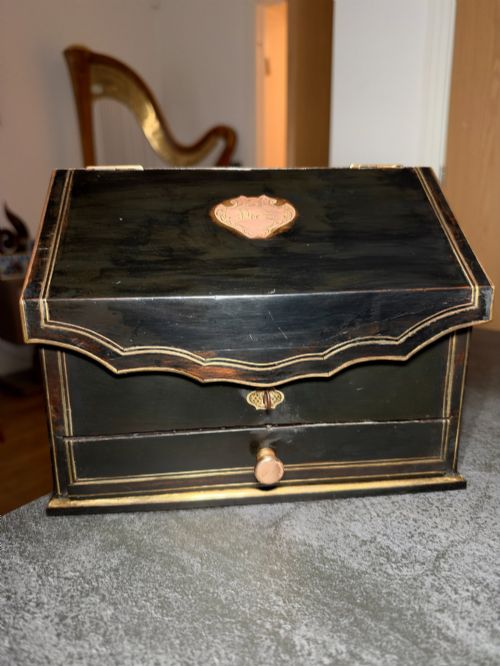
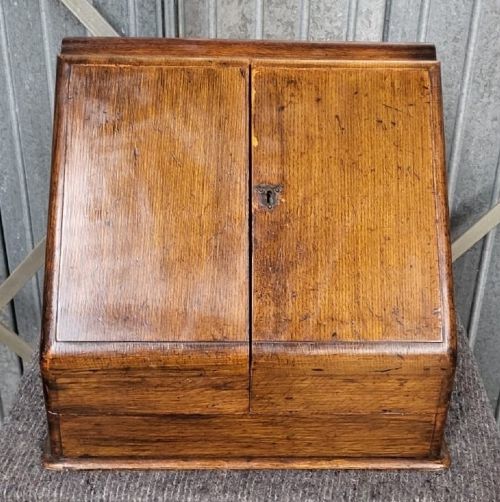
When searching for a wood desk organizer, buyers encounter a diverse selection of nineteenth-century and early twentieth-century desk accessories designed to keep stationery, letters and writing implements in order. The selection spans compact stationery boxes, correspondence cabinets, extending book slides and tiered desk tidies.
The pieces originating from this period reflect the administrative and domestic writing habits of Victorian, Edwardian and Georgian households. Mahogany, oak and rosewood dominate the forms, frequently styled in Victorian Gothic, Black Forest carving or Regency refinement.
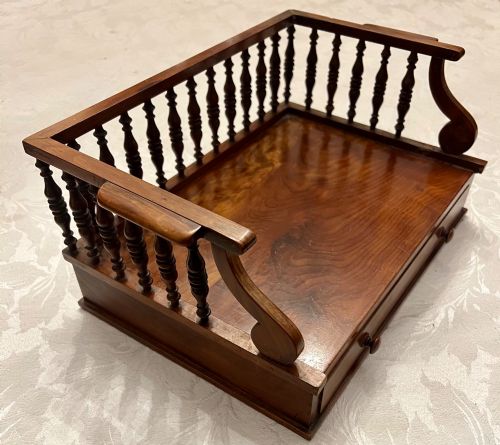
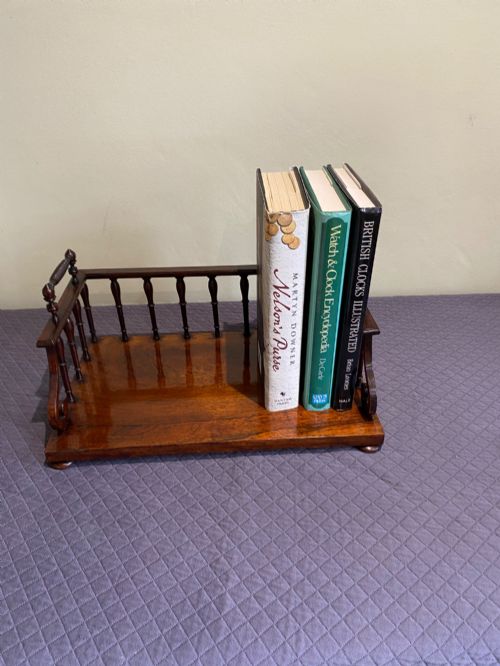
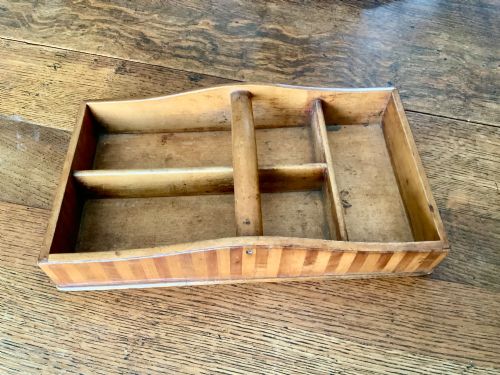
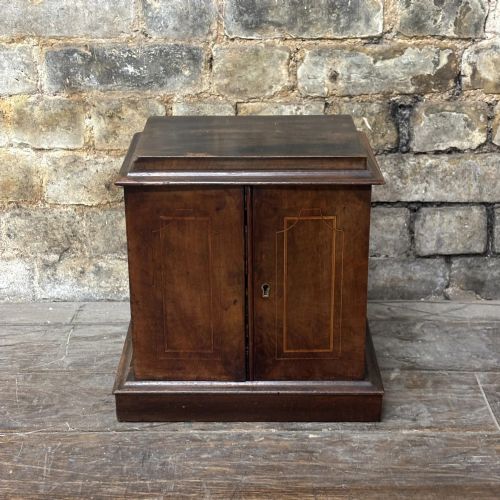
Buyers are most likely to meet mahogany stationery cabinets and oak desk tidies fitted with compartments, alongside folding book racks and carved wooden inkstands. These utilitarian items served offices and libraries, evolving from simple book carriers into elaborate desktop storage systems.
Materials and Construction
Cabinet makers built these desktop pieces from dense hardwoods including mahogany, oak, rosewood and coromandel, often selecting figured timbers for visible surfaces. Structural joinery involved tight dovetailing on small drawers and precise mitring on correspondence boxes to withstand daily opening and closing.
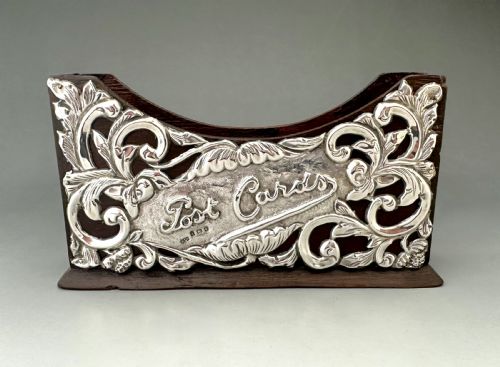
Decoration relied on contrasting materials and hand-carved details rather than applied paint, incorporating brass hinges, inlaid stringing, mother-of-pearl plaques and silver mounts. Black Forest examples display intricate three-dimensional wood carving, whilst Tunbridge Ware pieces utilise micro-mosaic tesserae to form geometric or pictorial patterns.
Wood Desk Organizer Retail Price Guide 2026
Typical asking prices for wood desk organizer among the pieces listed under this phrase on Sellingantiques today, from the lower quarter to the upper quarter. They describe what is for sale here now, not the wider market.
Several fierce Black Forest bears stand ready on these desks, clutching glass inkwells or logs as if guarding your daily post.
Quality and Craftsmanship
The standard of a wood desk organizer is determined by the selection of timber and the precision of its assembly. Superior pieces utilise solid, well-figured hardwoods with continuous grain matching across drawers and doors, whereas simpler items rely on thin veneers over secondary conifers.
Internal fittings and hardware separate standard items from exceptional examples. High-grade organizers feature substantial brass campaign handles, functioning brass lever locks with original keys, secret compartments and meticulously dovetailed internal stationery dividers.
Gillows·Edmund Nye
The Wood Desk Organizer Glossary
- Stationery box
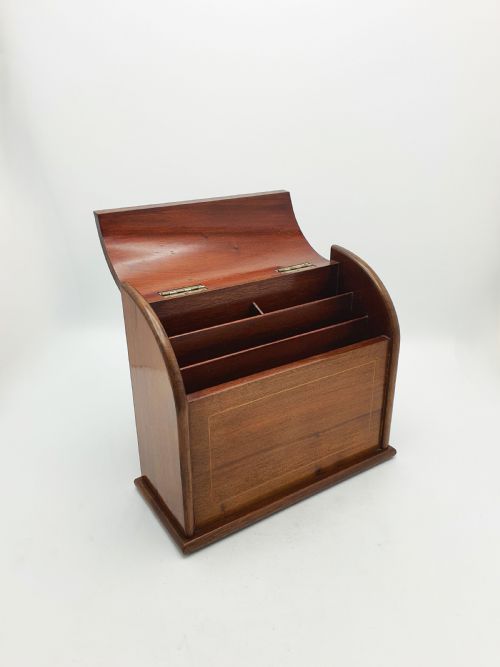
- A desktop cabinet designed to hold writing paper and envelopes upright within stepped interior partitions. These boxes often feature sloping hinged lids or fall-front doors.
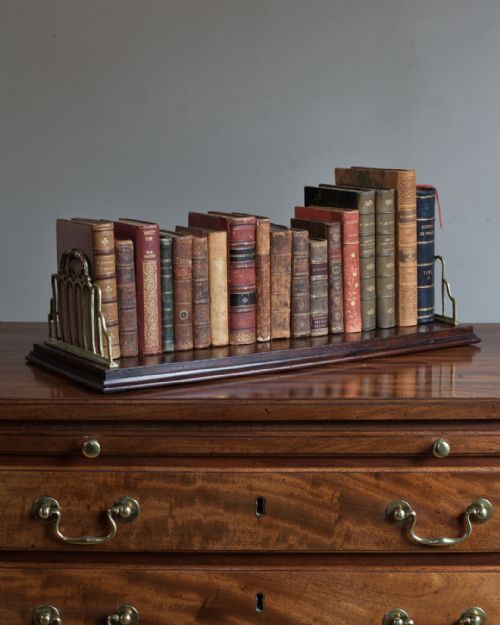
- Book slide
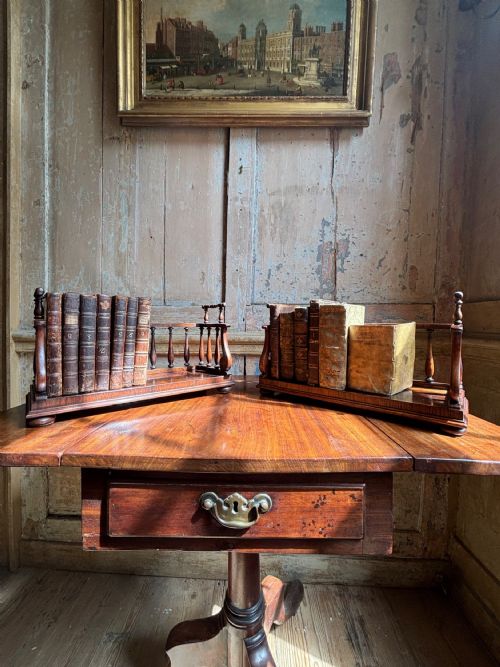
- An extending desktop rack with hinged or sliding wooden ends designed to hold a small row of reference books upright. The base frequently incorporates a brass ratchet mechanism.
- Tunbridge Ware
- A distinct type of nineteenth-century decorative woodwork originating from Tunbridge Wells, characterised by intricate mosaic tiles assembled from thousands of tiny wood blocks to create pictorial scenes.
- Black Forest carving
- Deeply carved Swiss and German woodwork from the nineteenth century depicting naturalistic animals, foliage and figures. Bears and dogs holding inkwells or trays are particularly prevalent.
- Inkstand
- A desktop tray or stand fitted to hold one or more glass inkwells alongside pen troughs and sanders. Materials range from solid oak to coromandel mounted with brass.
Wood Desk Organizer: Frequently Asked Questions
What is a wood desk organizer used for?
These pieces were originally designed to sort incoming correspondence, hold writing paper, store reference volumes and keep inkwells close to hand on a library or office desk. Today, they serve a similar functional purpose in contemporary workspaces while adding period character.
Collectors and users place modern letters, notebooks and stationery inside the compartments, utilising the historical dividers and small drawers to manage desktop clutter.
How do I date a wooden desk tidy?
Dating relies on observing the timber choice, construction methods, hardware and prevailing decorative style of the piece. Regency and Georgian examples often feature understated rosewood or mahogany with fine brass inlay, whilst Victorian items frequently display heavier proportions and Gothic or ebonised details.
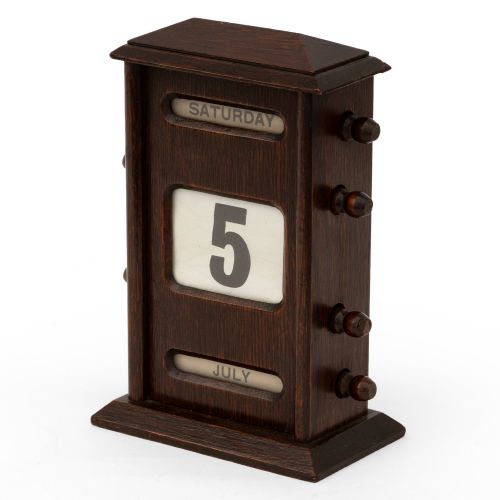
Later Edwardian and 1920s organizers tend to incorporate simpler mechanical actions for calendars or expanding book racks, alongside lighter oak or mahogany frames.
Are these desk accessories made of solid wood?
Most antique organizers combine solid hardwoods with high-quality veneers applied to stable secondary timbers to prevent warping. Premium pieces from the eighteenth and nineteenth centuries frequently feature solid mahogany, oak or rosewood throughout their main structures and drawer linings.
Secondary woods such as pine or deal are sometimes used for interior partitions or drawer bases, which remains entirely consistent with period manufacturing standards.
How should I care for an antique wood organizer?
Maintenance requires keeping the timber away from direct sunlight and rapid humidity fluctuations to prevent veneer lifting or wood splitting. Regular application of a quality microcrystalline wax helps nourish the antique polish and protects the surface from minor scratches.
Brass fittings and mounts can be left with their natural aged patina or gently cleaned with a dry cloth, avoiding abrasive metal polishes that remove historic character.