


Wood Cheval Mirror
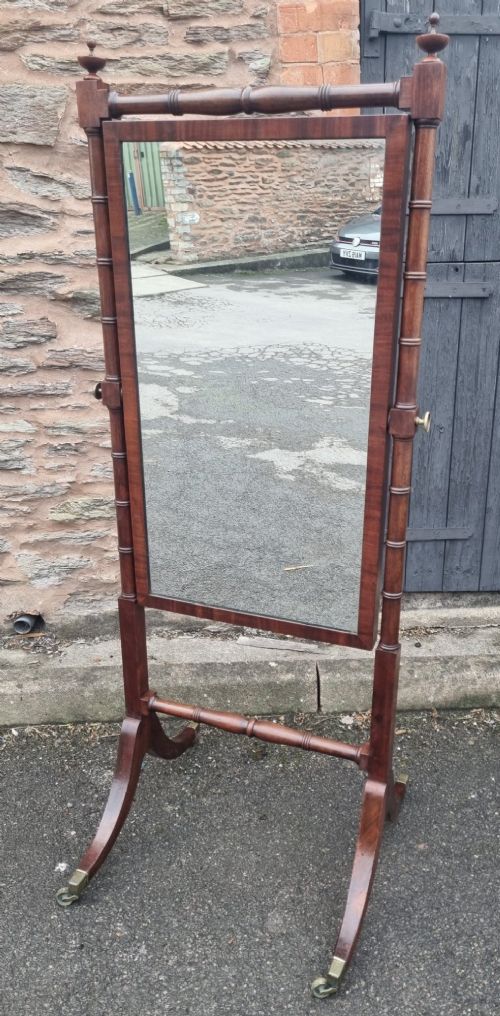
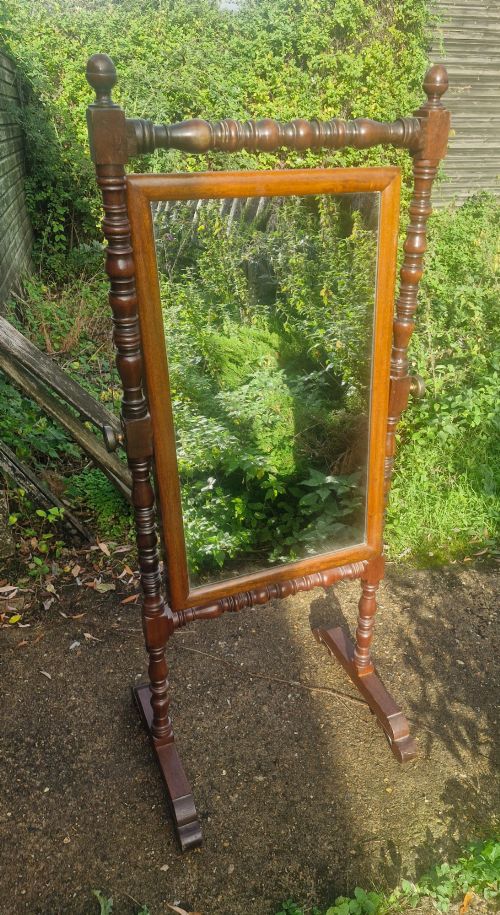
A wood cheval mirror provides a full-length reflection in a freestanding frame, standing securely on the floor.
Wood Cheval Mirror
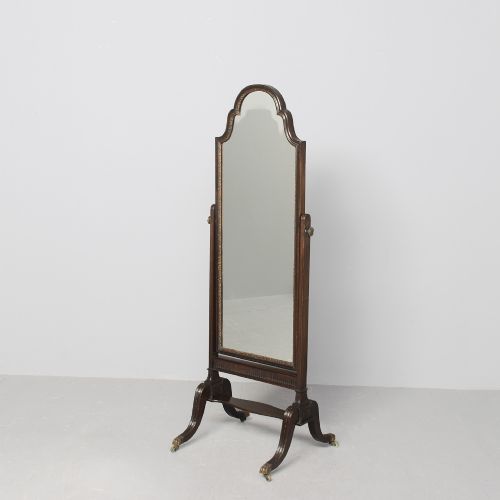
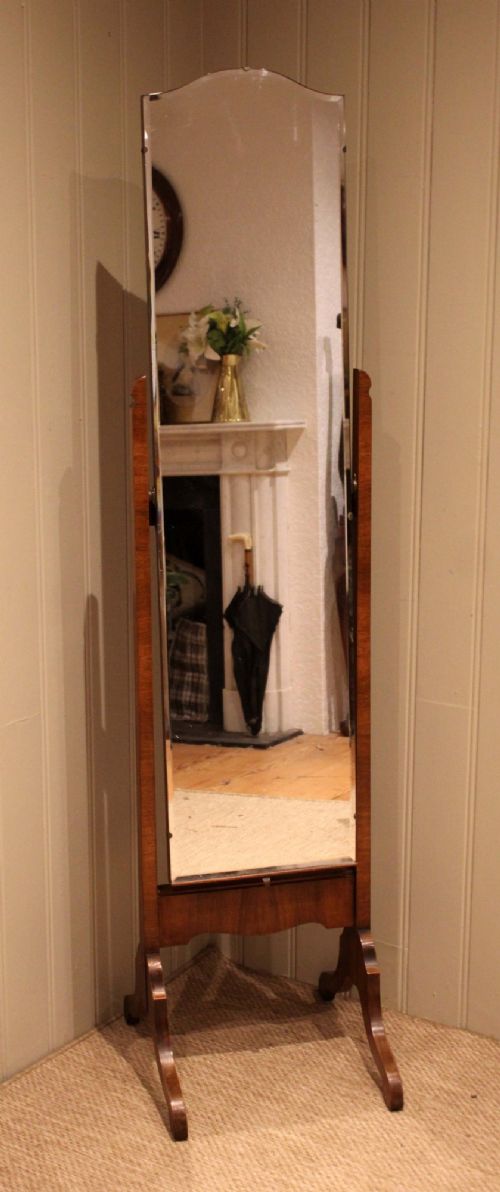
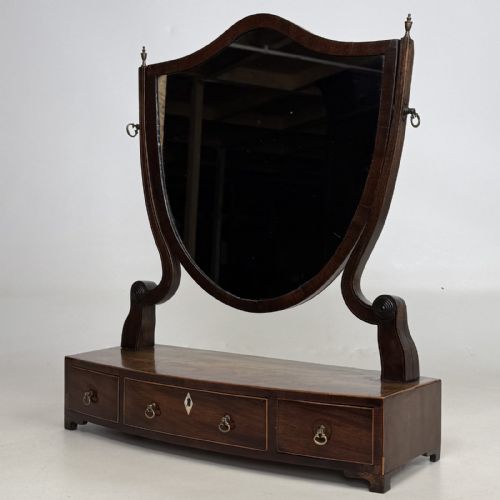
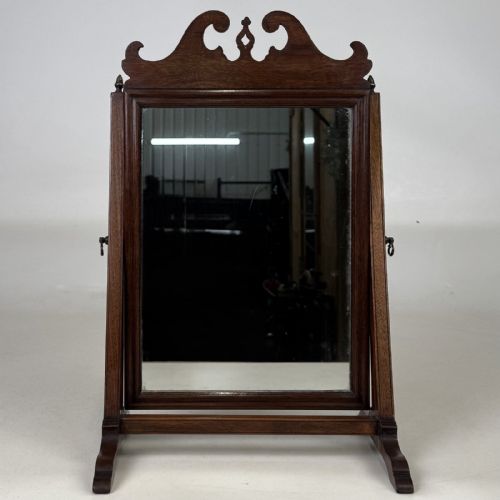
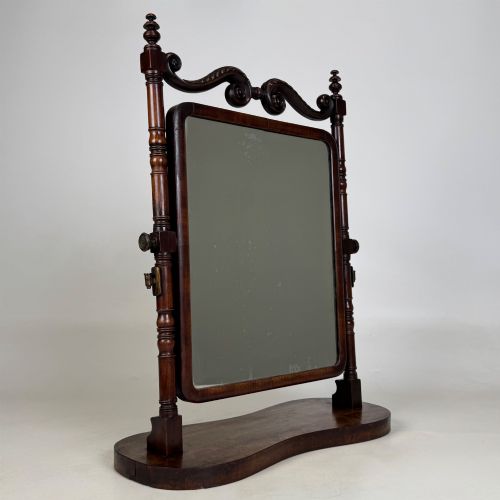
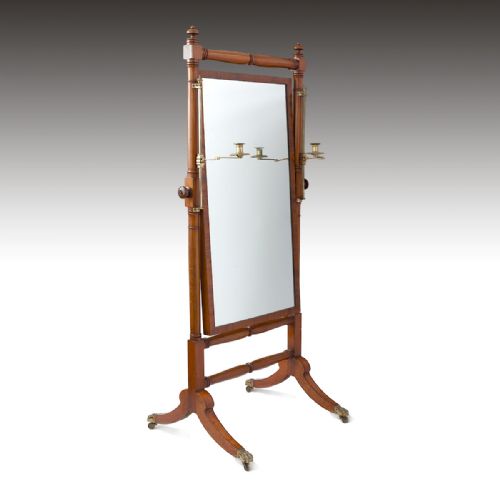
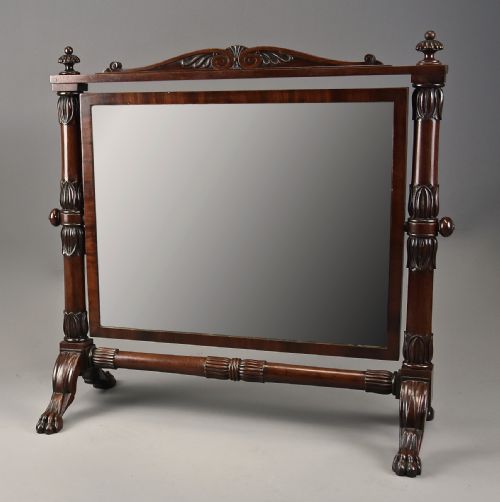
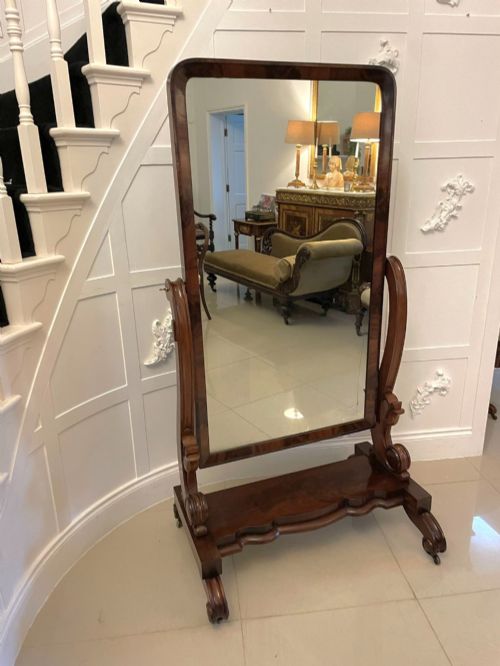
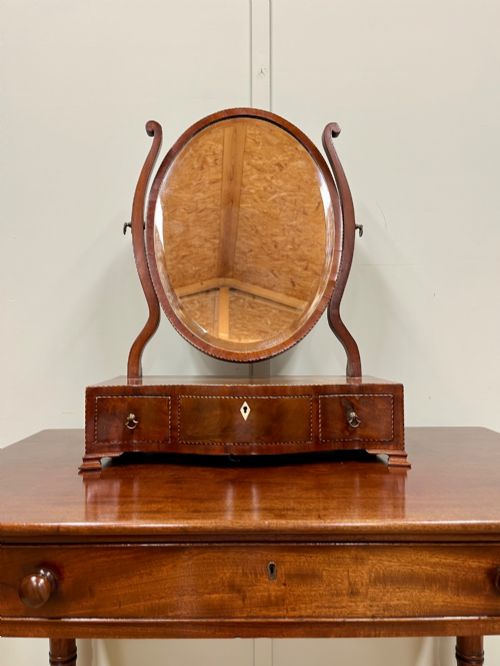
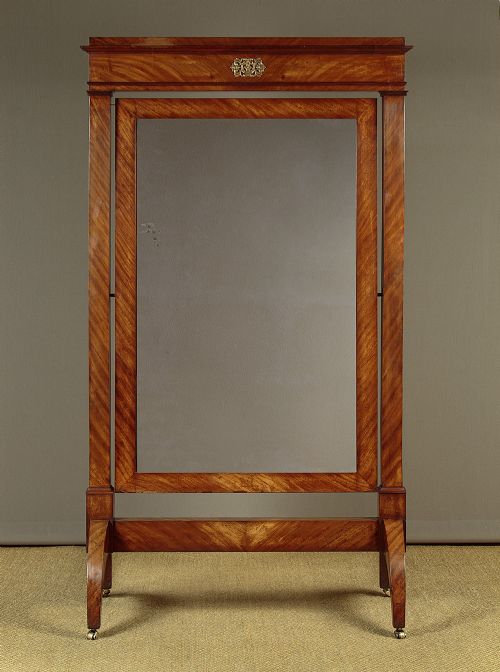
A wood cheval mirror is a tall, floor-standing glass plate held within an adjustable frame, designed for full-length viewing. When you search for a wood cheval mirror, you encounter freestanding furniture pieces that range from compact dressing glasses to large country house swing mirrors.
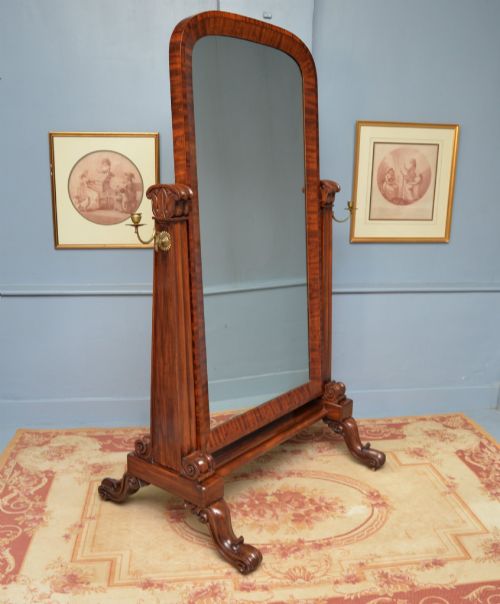
Mahogany forms the dominant timber across the inventory, appearing frequently in Georgian, Regency, Victorian, and Edwardian interpretations. Makers also constructed examples in walnut, satin birch, giltwood, and hardwood with mother-of-pearl inlay.
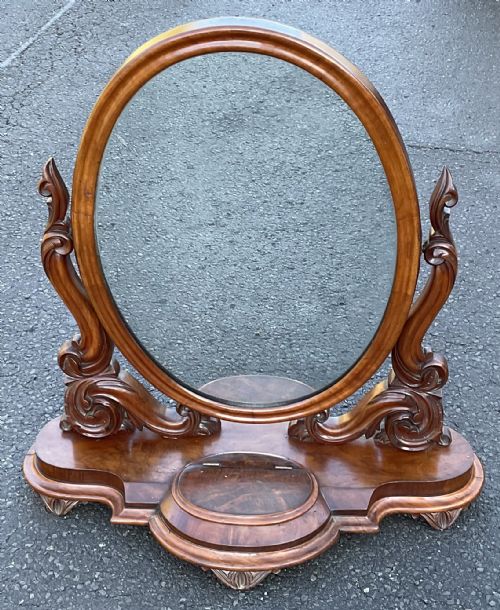
The prevailing formats span heavy floor-standing cheval frames with brass castors alongside smaller dressing table mirrors and toilet mirrors. These pivoting swing glasses trace their origins across English, French, Italian, Dutch, and Chinese workshops.
Materials and construction
Cabinetmakers utilised dense timbers like mahogany, Cuban mahogany, and walnut to build sturdy upright posts and robust floor bases that could support heavy mirror glass. Brass hardware such as adjustable pivot screws, side arms, and castors facilitated smooth tilting and movement.
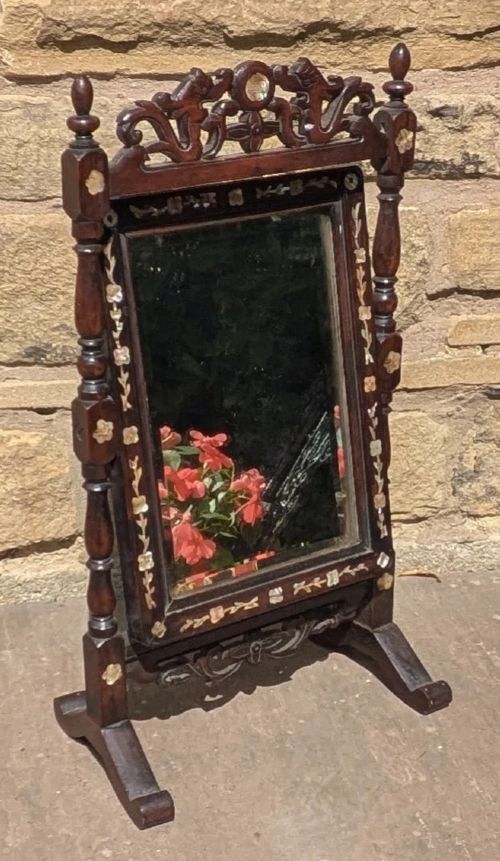
Joinery techniques included mortise and tenon frames, while decorative enrichment relied on carved detail, marquetry inlay, and giltwood finishes. Selected examples incorporate bone or mother-of-pearl elements set into hardwood structures.
Wood Cheval Mirror Retail Price Guide 2026
Typical asking prices for wood cheval mirror among the pieces listed under this phrase on Sellingantiques today, from the lower quarter to the upper quarter. They describe what is for sale here now, not the wider market.
The French word for horse gave the cheval mirror its name, because its four supporting legs resemble a stable animal.
Assessing quality and execution
The refinement of the timber selection dictates the primary tier of execution, with figured Cuban mahogany and burr walnut sitting above standard domestic hardwoods. Carved detail demonstrates the hand of a skilled artisan rather than routine workshop production.
Proportional balance between the height of the swing frame and the weight of the supporting legs defines superior design integrity. Original brass castors, functioning pivot mechanisms, and retained mirror glass enhance the structural completeness of a piece.
P and MA Nicholson·Gillow
The Wood Cheval Mirror Glossary
- Cheval mirror
- A freestanding full-length mirror mounted on a pivoting frame between two upright posts. The name derives from the French word for horse.
- Swing mirror
- A glass plate hung on pivots within a frame that tilts forward and back. This allows the user to adjust the viewing angle.
- Toilet mirror
- A smaller dressing glass designed to sit upon a chest of drawers or a dressing table. They date predominantly from the Georgian and Victorian eras.
- Marquetry
- Decorative veneer work arranged in pictorial or geometric patterns using various woods. Dutch makers frequently applied this technique to dressing mirrors.
- Castor
- A small wheel fitted to the base of furniture legs to aid mobility. Brass variants appear commonly on nineteenth-century floor-standing frames.
Wood Cheval Mirror: Frequently Asked Questions
How do I use a cheval mirror?
Adjust the side pivot screws to tilt the glass plate to your preferred viewing angle.
Position the freestanding frame on a level floor where the base has room to support the swinging weight.
Are all cheval mirrors full length?
Floor-standing models provide a full-length reflection supported by sturdy legs or a heavy base.
Smaller variants on this page function as dressing table mirrors or toilet mirrors designed for upper surface placement.
What woods were used for these mirrors?
Mahogany represents the most common timber found across Georgian, Regency, and Victorian pieces, including figured Cuban mahogany.
Other examples utilise walnut, satin birch, giltwood, and hardwood ornamented with bone or mother-of-pearl.
How do I identify the period?
Examine the cabinetwork style, carving motifs, and timber selection to align the piece with Georgian, Regency, Victorian, or Edwardian design traits.
Hardware details like brass pivot screws and castors also offer clues to the manufacturing decade.