



Wood Bureau Plat
A wood bureau plat is a freestanding writing table designed to command the centre of a room, bringing refined French cabinetry and leather-lined work surfaces into your home.
Wood Bureau Plat
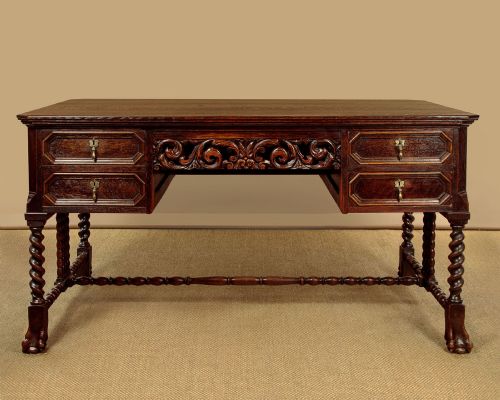
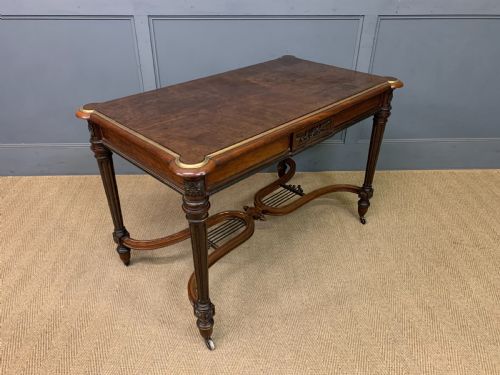
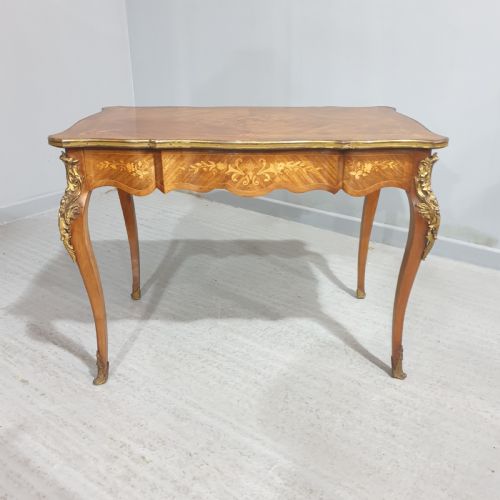
A wood bureau plat is a sophisticated freestanding writing table created to sit away from the wall, allowing the piece to be viewed from all sides. When you search for this phrase, you will encounter examples spanning the nineteenth century, including pieces built in the Regency era and the later revival movements.
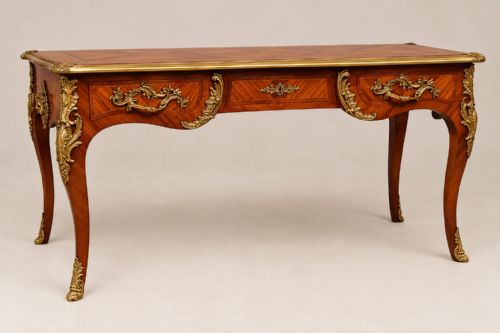
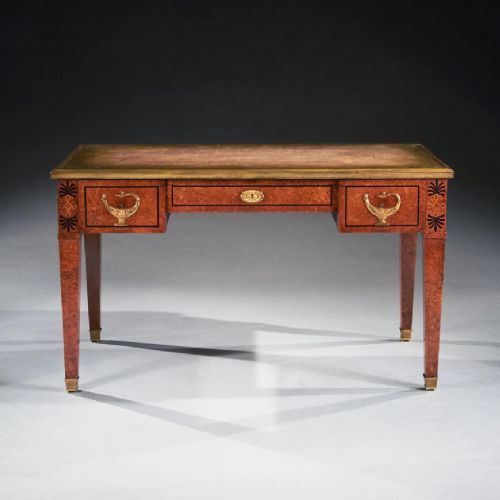
The most common iterations on this page are French forms following the Louis XV and Louis XVI styles, alongside Directoire and Empire interpretations. These desks typically combine rich timbers with practical writing surfaces and thoughtful proportions intended for domestic studies or grand libraries.
Makers utilised various timber foundations, pairing structural woods with decorative veneers and mounts. The resulting writing tables and centre tables function as both practical writing surfaces and striking decorative statements.
What varies in quality
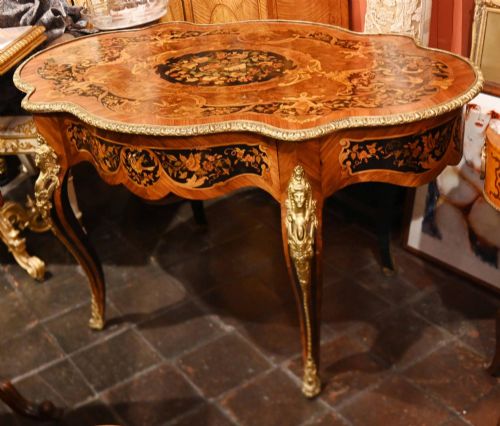
The standard of a wood bureau plat is dictated by the depth and precision of its timber selection and inlay work. Finely executed marquetry utilises contrasting grain patterns and natural tones to create complex pictorial or geometric motifs that remain crisp across the entire surface.
Mount quality separates standard examples from exceptional ones, with chased ormolu and gilt bronze displaying sharp relief and careful finishing rather than flat, cast surfaces. The integration of mounts into the wooden frame demonstrates the maker's technical confidence.
Structural harmony also defines the better pieces, where the balance between the proportions of the writing surface, the arrangement of drawers, and the curvature of the legs creates an unified silhouette from any viewing angle.
Wood Bureau Plat Retail Price Guide 2026
Typical asking prices for wood bureau plat among the pieces listed under this phrase on Sellingantiques today, from the lower quarter to the upper quarter. They describe what is for sale here now, not the wider market.
Listings feature pieces spanning the nineteenth century, utilising materials such as mahogany, walnut, kingwood, ormolu, and leather.
Gillows
The Wood Bureau Plat Glossary
- Bureau plat
- A freestanding writing table fitted with drawers along the frieze. It is finished on all sides to allow placement in the middle of a room.
- Ormolu
- Gilded bronze used for decorative mounts and furniture trimming. The technique involves applying a mercury and gold amalgam to cast bronze.
- Marquetry
- The art of applying small pieces of veneer to a structure to form decorative patterns or pictures. It relies on contrasting woods and careful cutting.
- Frieze
- The horizontal architectural band situated directly beneath the top surface of the desk. In these tables, it frequently houses one or more drawers.
- Directoire style
- A transitional aesthetic bridging Louis XVI and French Empire design. It favours simplified neoclassical lines and restrained ornamentation.
Wood Bureau Plat: Frequently Asked Questions
What is a wood bureau plat?
A wood bureau plat is a freestanding writing desk designed to be placed in the middle of a room rather than against a wall. These tables feature finished backs and sides, making them visually appealing from every angle.
Originating largely in France, they combine generous timber writing surfaces, often lined with leather, with functional frieze drawers for storage.
How were these writing tables used?
These pieces served as dedicated desks for correspondence, administrative work, and reading in grand libraries or private studies. Because they stood away from walls, they allowed writers to sit comfortably in the natural light of a room.
Over time, their decorative presence meant they also functioned as centre tables or display surfaces in prominent reception spaces.
How do I care for the leather top?
The leather inset requires gentle treatment to prevent drying and cracking over time. Regular dusting with a soft, dry cloth keeps abrasive particles from settling into the grain.
Avoid placing the desk in direct sunlight or near heat sources, and treat the leather periodically with appropriate conservative dressings recommended for antique furnishings.
How can I tell the styles apart?
Louis XV pieces display sweeping cabriole legs, asymmetrical curves, and elaborate ormolu mounts. In contrast, Louis XVI and Directoire styles favour straighter lines, fluted tapered legs, and symmetrical neoclassical symmetry.
French Empire examples are heavier and more monumental, incorporating bold classical motifs and darker mahogany timbers.