

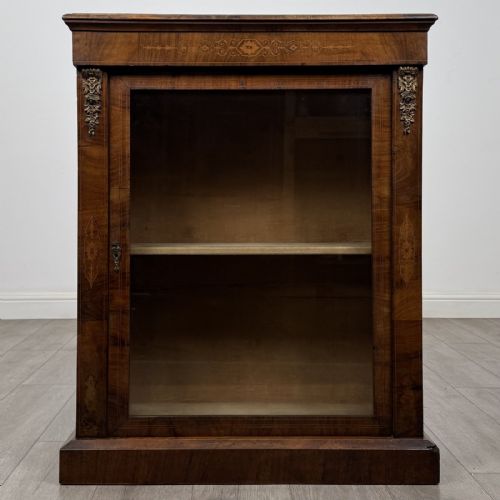
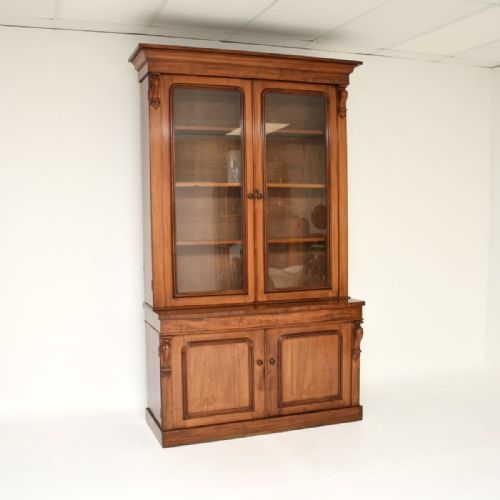
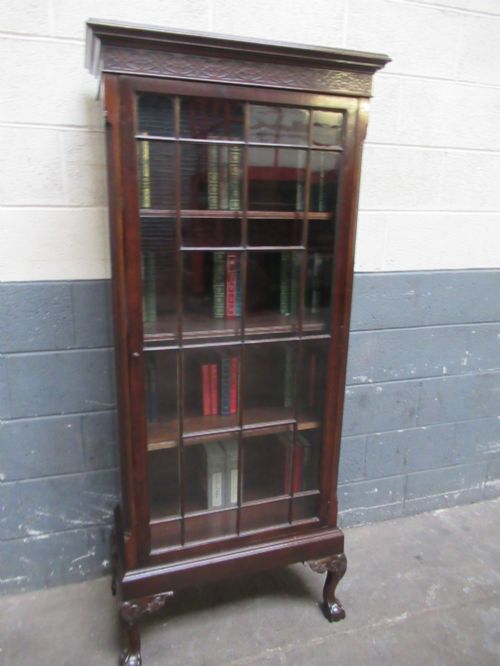
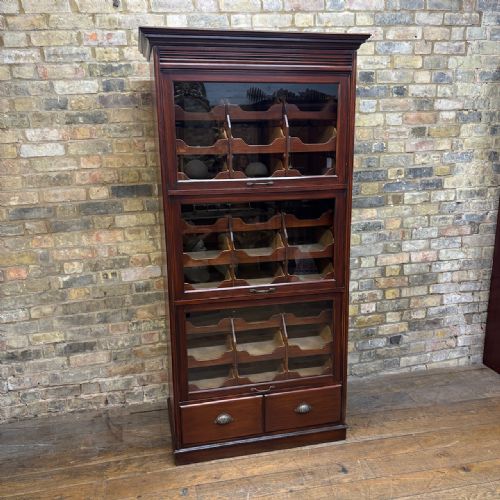
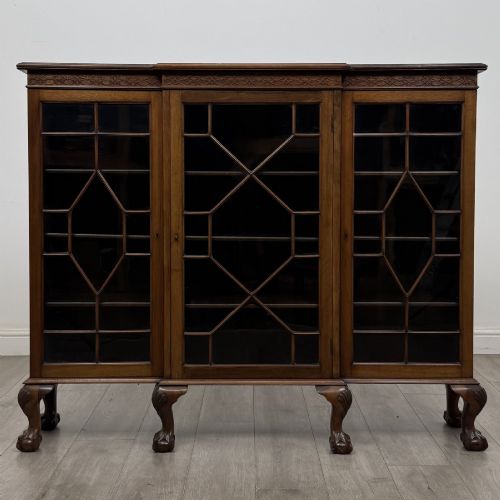
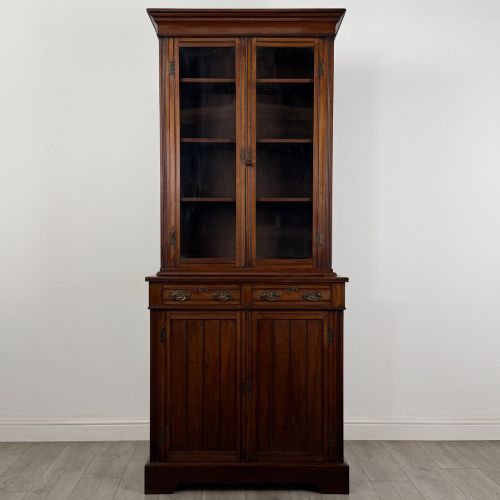
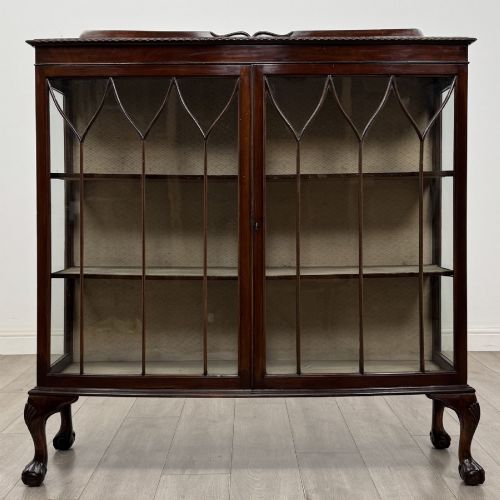
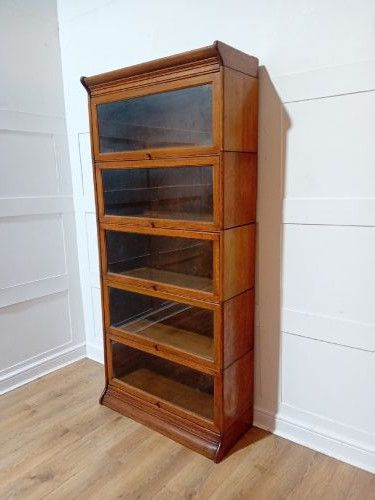
Wood Bookcase with Glass Doors
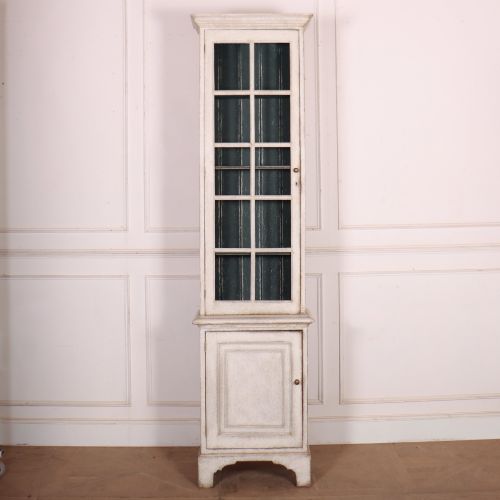
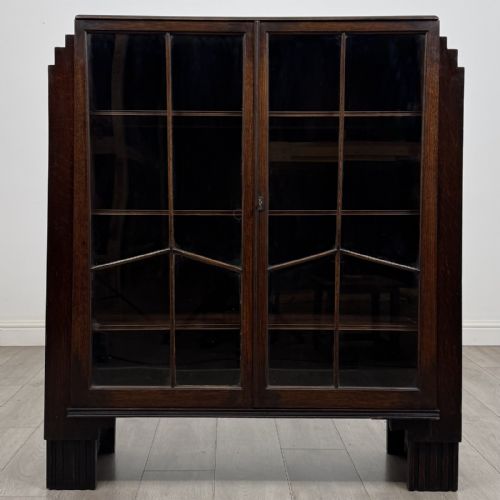
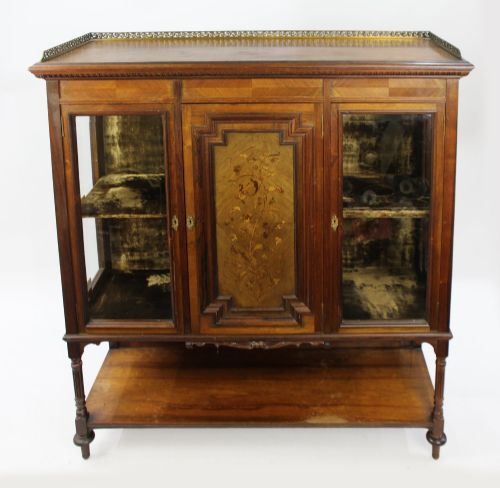
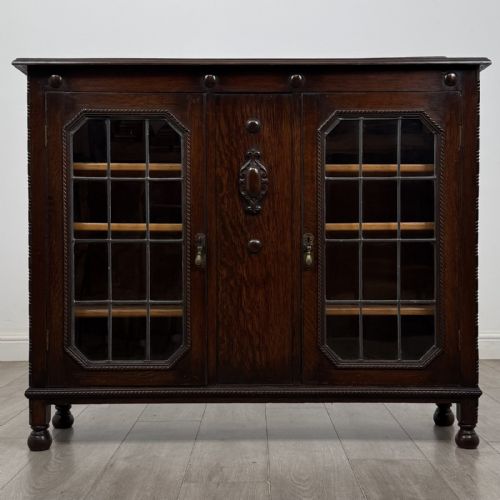
These wood bookcases with glass doors protect libraries while offering a clear view of bindings and display pieces inside.
Wood Bookcase with Glass Doors
A wood bookcase with glass doors combines timber shelving with glazed panels to keep dust from valuable volumes. These pieces appear across several eras, including the Georgian, Regency, Victorian, and Edwardian periods, as well as the 1920s and 1930s.
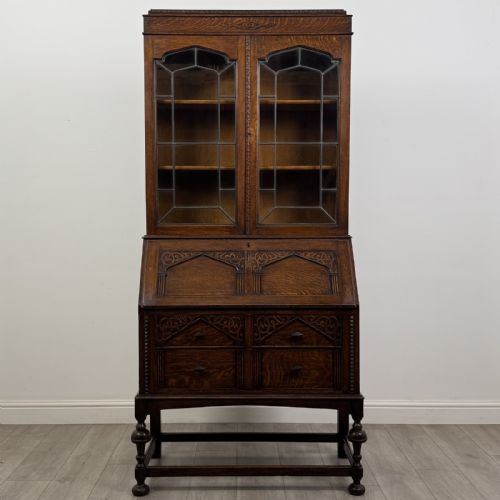
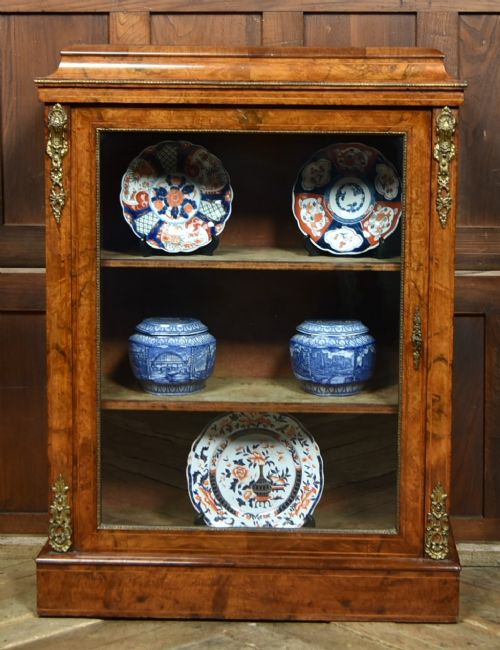
The format ranges from tall floor-standing bookcases to smaller display cabinets, bureau bookcases, and credenzas. Mahogany remains the most common primary wood, alongside oak, rosewood, walnut, amboyna, satinwood inlay, and pine.
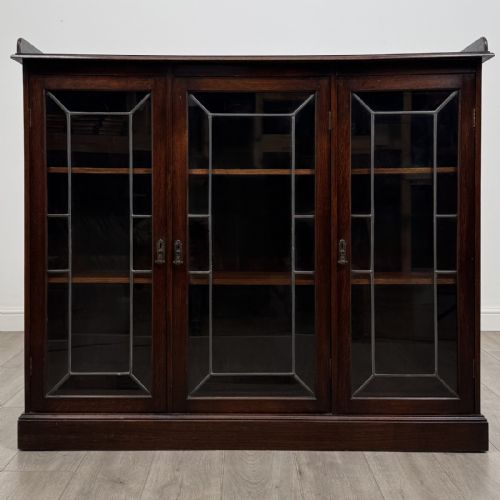
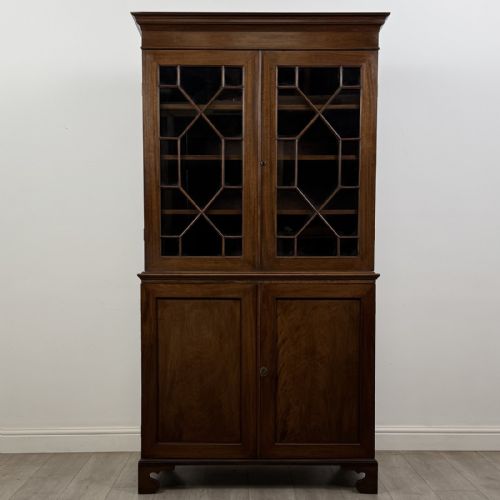
Buyers most frequently encounter Edwardian and Victorian versions, often featuring single or double glazed doors, astragal glazing bars, or bow fronts. Simpler variants such as country house painted pieces and Art Deco oak cabinets also surface.
Materials and construction
Cabinet makers constructed these bookcases using solid timbers and veneers, frequently employing mahogany, oak, and rosewood for the main carcase. Glass panes were secured into wooden doors using putty or timber glazing bars, sometimes arranged in intricate astragal patterns.
Decorative touches included satinwood inlay, brass hardware, and turned supports like barley twist columns. Surfaces were finished with wax, polish, or occasionally black paint depending on the stylistic preferences of the period.
Wood Bookcase with Glass Doors Retail Price Guide 2026
Typical asking prices for wood bookcase with glass doors among the pieces listed under this phrase on Sellingantiques today, from the lower quarter to the upper quarter. They describe what is for sale here now, not the wider market.
One Edwardian display cabinet carries later sign-writing listing the names of various perfume brands.
Judging quality in glazed bookcases
Quality rests in the choice of timber figures, the precision of cabinet joinery, and the delicacy of any inlay work. Finer examples display well-matched wood veneers and tightly fitted doors that operate smoothly within their frames.
The design of the glazing bars and the clarity of the original glass panels further distinguish standard utility pieces from higher-grade cabinet work. Secondary woods used for interiors and backboards also indicate the level of care taken during manufacture.
The Wood Bookcase with Glass Doors Glossary
- Astragal glazing
- Timber bars dividing a glass door into smaller panes. These delicate strips form geometric patterns across the front of the cabinet.
- Bureau bookcase
- A combination of a sloping writing desk and a glazed bookcase top. This form provides both a workspace and shelved storage.
- Credenza
- A low side cabinet often featuring glass doors and decorative columns. These pieces function well for display and storage in principal rooms.
- Satinwood inlay
- Contrasting light wood inserted into the surface timber to create decorative borders. This technique highlights the craftsmanship of Edwardian and Victorian makers.
- Barley twist
- A carved column resembling a twisted rope. This ornamental turning appears on Victorian supports and pilasters.
Wood Bookcase with Glass Doors: Frequently Asked Questions
How do I clean the glass doors?
Use a gentle glass cleaner applied to a cloth rather than directly onto the glass. This prevents moisture from seeping into the wooden frames or damaging antique finishes.
Take care around older panes which may be thinner or contain small bubbles from early manufacturing methods.
Are these bookcases suitable for heavy books?
Most period bookcases feature adjustable or fixed wooden shelves capable of supporting standard volumes. Consider the thickness of the timber and the span of the shelf before loading heavy sets.
Solid mahogany and oak carcases offer robust support, while smaller display cabinets are better suited for lighter items.
How do I date a wooden bookcase?
Examine the timber selection, construction methods, and hardware style to determine the era. Georgian and Regency pieces show different proportions and joinery compared to later Victorian and Edwardian examples.
Stylistic markers such as Art Deco geometric lines or Edwardian inlay provide further clues to the decade of manufacture.
Can I adjust the shelf heights?
Many Victorian and Edwardian bookcases feature traditional wooden support racks or brass tracks for adjusting shelf positions. Earlier Georgian pieces often have fixed shelving integral to the interior structure.
Check the interior uprights to see if shelf brackets can be moved safely without straining the timber.