

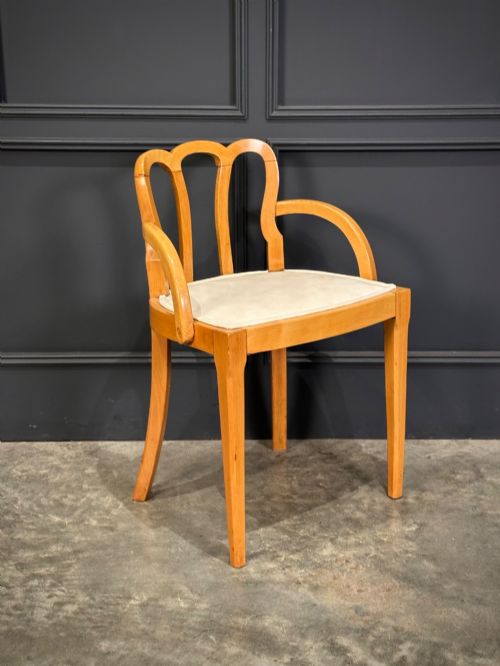

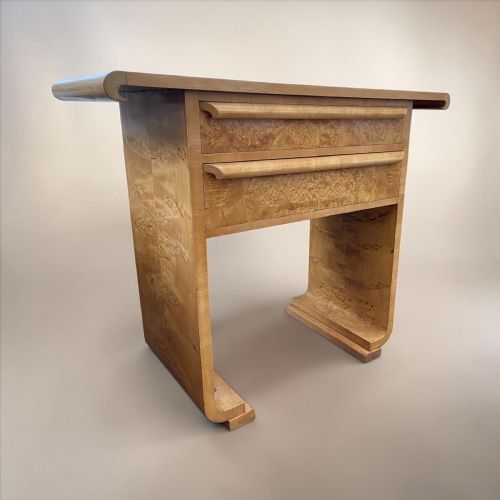
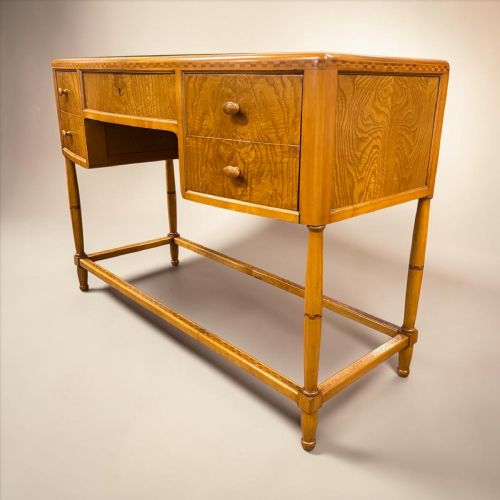
Wood Art Deco Desk
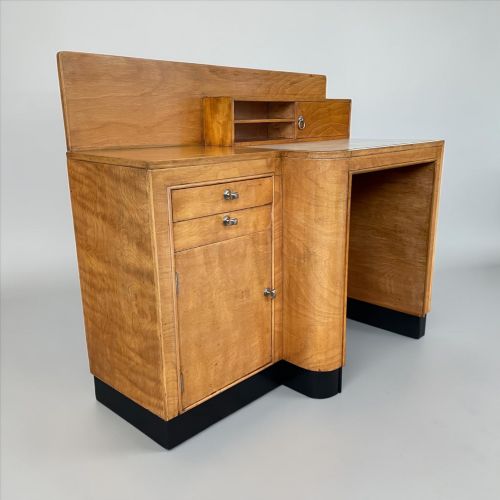
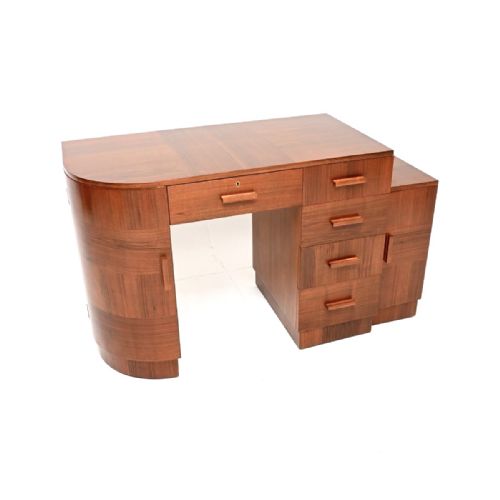
A wood art deco desk brings strong geometric lines and rich timber grains into a room, serving as both a functional workspace and a striking focal point.
Wood Art Deco Desk
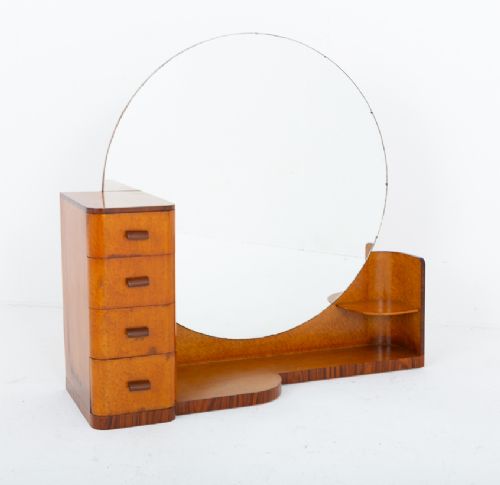
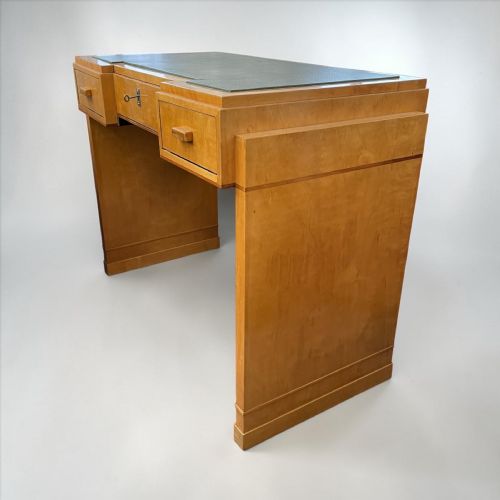
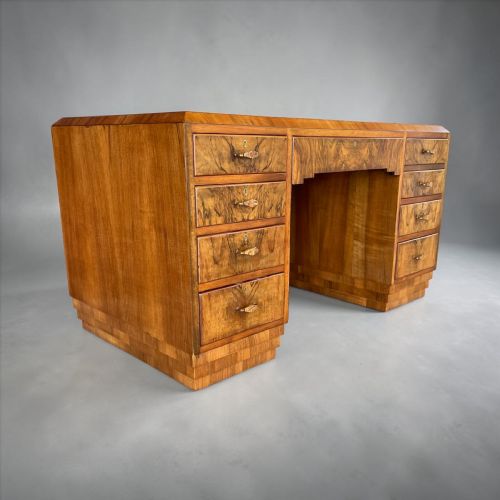
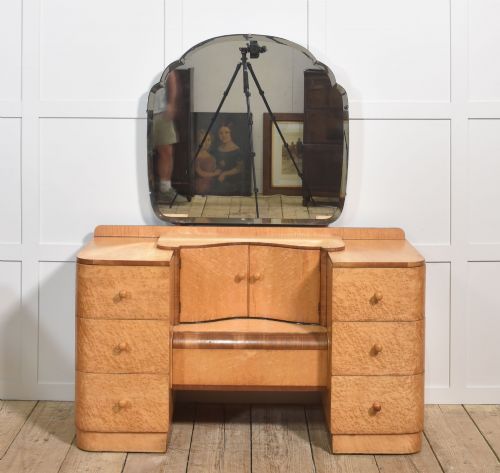
A wood art deco desk represents a period of bold design spanning the early decades of the twentieth century, with 1930 and 1920 examples forming the backbone of this selection. These pieces primarily function as workspaces, though related forms such as dressing tables and console tables share the same characteristic silhouette.
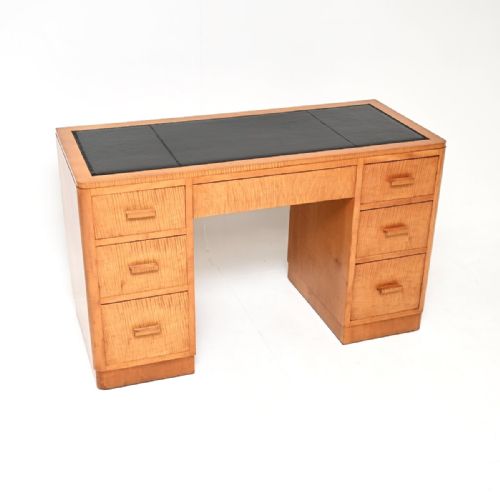
The most common desk encountered here relies on pedestal configurations and flat writing surfaces. Makers utilised distinctive timbers to create visual impact, pairing practical storage with sophisticated decorative arts aesthetics.
Materials and construction
Makers constructed these surfaces from varied timbers including walnut, birds eye maple, satin birch, satinwood, elm, and ebony macassar. These woods provided natural patterning that defined the aesthetic without excessive carving.
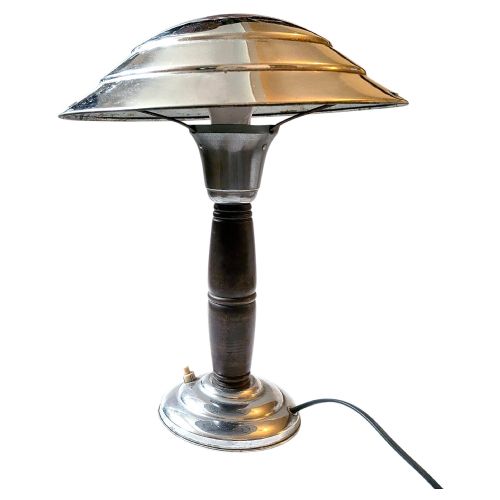
Workshops integrated contrasting elements such as brass, chrome, and leather into the wooden frames. Glass and fabric occasionally complemented the primary timber structures to achieve a polished finish.
Wood Art Deco Desk Retail Price Guide 2026
Typical asking prices for wood art deco desk among the pieces listed under this phrase on Sellingantiques today, from the lower quarter to the upper quarter. They describe what is for sale here now, not the wider market.
Materials across the inventory range from traditional woods like walnut and elm to industrial chrome and glass.
Distinctions in quality
Quality rests in the selection of veneer and timber grain, where highly figured walnut or birds eye maple elevates a piece far above plain stock. The integration of secondary materials like chrome hardware or leather writing inserts also dictates the tier of the object.
Design attribution plays a role in establishing the standing of a desk, with works associated with known makers commanding closer attention from collectors. The precision of the joinery and the preservation of the original surface finish determine how well the piece maintains its integrity.
Fortnum and Mason·Betty Joel·Étienne Kohlmann·Harry and Lou Epstein·Hille·Laszlo Hoenig·Maurice Adams
The Wood Art Deco Desk Glossary
- Pedestal desk
- A writing table supported by two banks of drawers or columns on either side. This format offers substantial storage while maintaining a formal symmetry.
- Birds eye maple
- A figure in maple wood that resembles tiny swirling eyes, highly prized for decorative furniture panels. It creates a speckled pattern across the surface.
- Macassar ebony
- A dense exotic timber featuring distinctive dark brown and black stripes. Craftsmen utilised this wood for striking contrast in high-status items.
- Machine age
- A design movement celebrating industrial progress and streamlined efficiency during the early twentieth century. This style often incorporates metal tubing and chrome alongside wood.
- Satin birch
- A light-coloured timber with a natural sheen, frequently employed by Scandinavian and British cabinet makers to brighten domestic interiors.
Wood Art Deco Desk: Frequently Asked Questions
How do I identify a genuine period desk?
Look for authentic construction methods of the 1920s and 1930s, including traditional drawer dovetailing and period-appropriate hardware. The presence of specific veneers like walnut or satin birch aligns with the manufacturing practices of those decades.
Examine the overall proportions and stylistic details against established design patterns of the era. Makers of this time employed distinct geometric lines rather than later mid-century reinterpretations.
What woods were commonly used?
Cabinet makers favoured walnut, birch, maple, and elm for their striking grain patterns. These timbers suited the decorative demands of the period without requiring heavy ornamentation.
Exotic woods such as ebony macassar also appeared on select pieces to create dramatic visual contrast. Lighter timbers like satin birch reflected a preference for brighter interior spaces.
How do I care for a wood surface?
Maintain the finish by keeping the timber away from direct sunlight and steady heat sources that can dry out the wood. Regular dusting with a soft cloth preserves the natural lustre of the polish.
Avoid harsh chemical cleaners that may strip the vintage finish or damage inlaid leather inserts. Apply appropriate furniture wax sparingly if the timber begins to look dry.
Are these desks suitable for daily work?
These pieces function well as modern workspaces provided the writing height matches your ergonomic needs. Many designs offer ample surface area and practical drawer storage for contemporary stationery.
Protect the timber top from scratches and moisture rings by using desk pads or blotters. Treating the antique surface with care ensures it withstands everyday administrative use.