



Winterhalder and Hofmeier
Winterhalder and Hofmeier clocks are precision timepieces defined by substantial timber cases and intricate movements, sought after for exceptional craftsmanship and reliable quarter-striking capability.
Winterhalder and Hofmeier
When you search for winterhalder and hofmeier, you encounter sophisticated mantel clocks and bracket clocks originating from Germany during the nineteenth and early twentieth centuries. These pieces span Victorian, Edwardian, and Arts and Crafts periods, reflecting the diverse stylistic demands of their era.
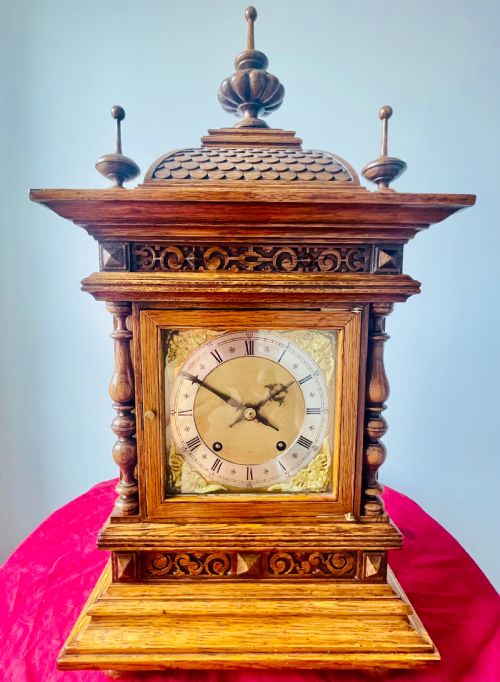
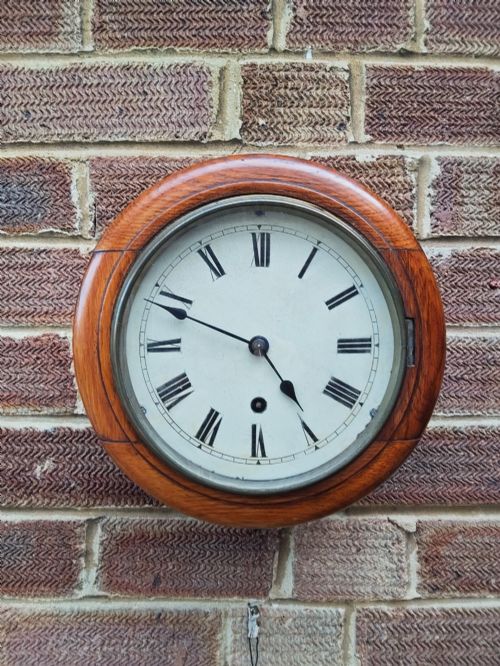
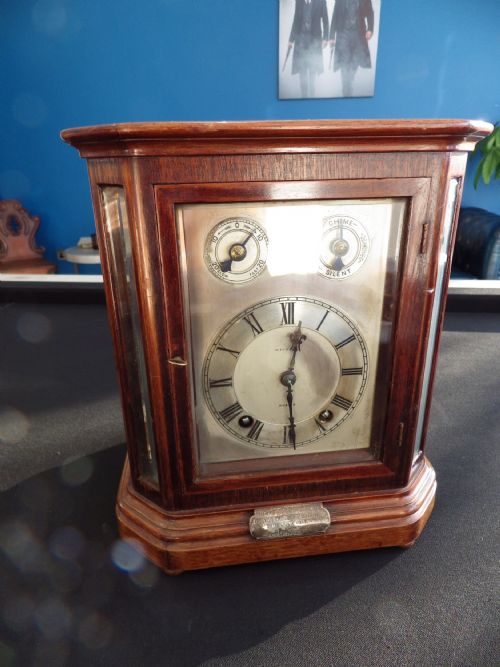
The most common forms on this page are bracket clocks housed in architectural wooden cases, often featuring glass panels that reveal the interior mechanics. Mantel clocks in mahogany, oak, and walnut frequently appear alongside specialised boardroom and railway station pieces.
Many examples incorporate chiming mechanisms such as ting-tang or full Westminster chimes, marking the quarters with distinct musical sequences. The maker supplied high-grade movements to retailers across Europe, ensuring each piece functioned as both a reliable timekeeper and a striking interior ornament.
How they were made
Cases rely on dense hardwoods like mahogany, oak, and walnut, frequently shaped into pad-top or architectural silhouettes. Brass, silvered metal, and glass components provide structural contrast and protect the delicate dials within.
Movements utilise steel and brass gear trains designed for complex striking functions, including quarterly strikes and three-train musical arrangements. Carving and joinery demand precise hand-tool work to achieve tight tolerances in multi-glass and wooden housings.
Listings feature oak, mahogany, walnut, and ebonised timber cases housing intricate brass and steel movements across Victorian and Edwardian periods.
What varies in quality
The refinement of the dial, whether featuring silvered brass, applied numerals, or visible glass sides, determines the visual hierarchy of the clock. Material selection also plays a primary role, with dense golden oak, figured mahogany, and ebonised finishes commanding particular attention.
Winterhalder and Hofmeier
The Winterhalder and Hofmeier Glossary
- Bracket clock
- A portable clock traditionally designed to sit on a wall bracket or table surface. These pieces usually feature a sturdy carrying handle on top of the timber case.
- Ting-tang
- A two-hammer striking mechanism that sounds two different notes on bells or gongs to mark the quarter hours. This distinct chime offers a lighter alternative to full melody chimes.
- Pad-top
- A distinctive convex or domed upper profile found on many nineteenth-century wooden clock cases. This shape softens the architectural lines of the timber housing.
- Three train
- A movement configuration that drives timekeeping, hour striking, and quarter chiming independently. Each function operates via its own dedicated gear train and spring barrel.
- Silvered metal
- A treated metallic surface applied to clock dials to provide a matte, luminous background for numerals. This finish reduces glare and enhances legibility.
Winterhalder and Hofmeier: Frequently Asked Questions
What is a ting-tang clock?
A ting-tang clock uses a two-hammer mechanism to sound a pair of alternating notes at the quarter hours. This arrangement provides a subtle acoustic marker without playing a full melodic tune.
Such movements were utilised by makers to offer chiming complexity in smaller or mid-sized cases where space for a larger chime block was limited.
How do I identify the period?
Dating relies on stylistic clues within the woodwork, dial layout, and movement signatures. Victorian pieces often display heavier architectural carving or ebonised finishes, whereas Edwardian examples lean towards cleaner lines.
Examining the backplate for maker marks helps narrow the decade of manufacture, aligning the piece with broader nineteenth-century cabinet-making trends.
Where should I place a bracket clock?
These clocks suit stable horizontal surfaces such as mantelpieces, heavy sideboards, or dedicated wall brackets. Because the mechanisms are sensitive to level surfaces, a solid foundation ensures the pendulum or balance remains true.
Keeping the piece away from direct heat sources protects the polished wood and prevents timber movement over time.
Are these clocks suitable for daily use?
Most mechanical clocks function reliably when properly wound and serviced at regular intervals. The robust brass and steel movements are built for longevity, provided the spring tension is managed correctly.
Routine maintenance by a qualified horologist preserves the intricate chiming and striking functions for continuous domestic enjoyment.