




.JPG)
William IV Silver Snuff Box
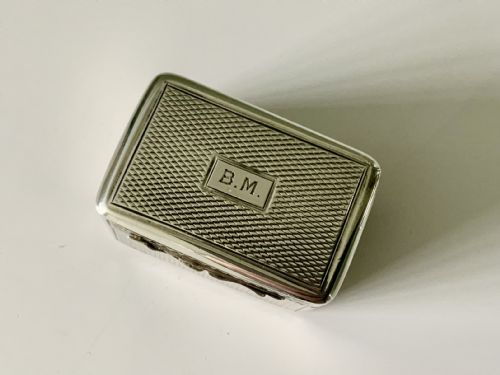
A william iv silver snuff box is a pocket-sized container for tobacco, made during the 1830s and prized for heavy chased decoration and gilt interiors.
William IV Silver Snuff Box
The dominant forms are rectangular or book-style containers, alongside specialised variants such as round vinaigrettes, nutmeg graters, and castle top boxes. Scottish examples from Edinburgh and regional makers sit alongside prolific Birmingham and London productions. Most surviving pieces show solid sterling silver construction, frequently enhanced with interior gilding or inset agate stones.
How They Were Made
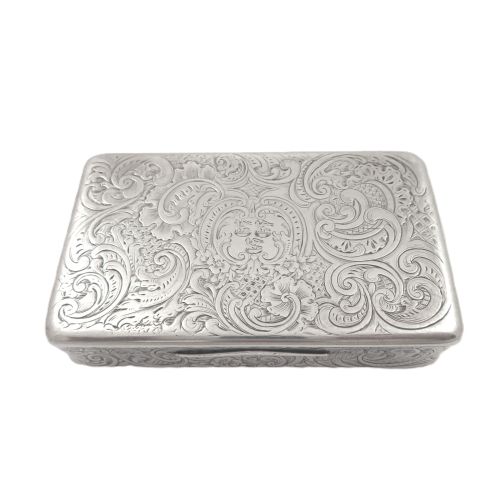
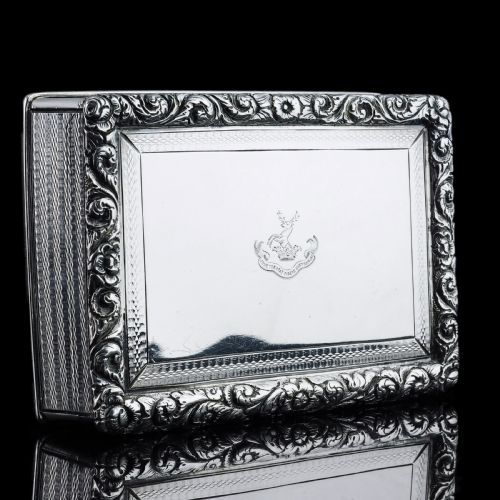
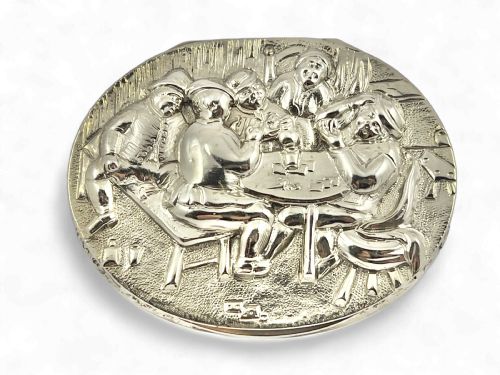
Silversmiths utilised sterling silver and silver gilt, shaping the metal through stamping, casting, and hand-chasing. Floral borders and intricate repoussé foliage were worked into the heavy silver plates to create tactile relief decoration on the lids and bases.
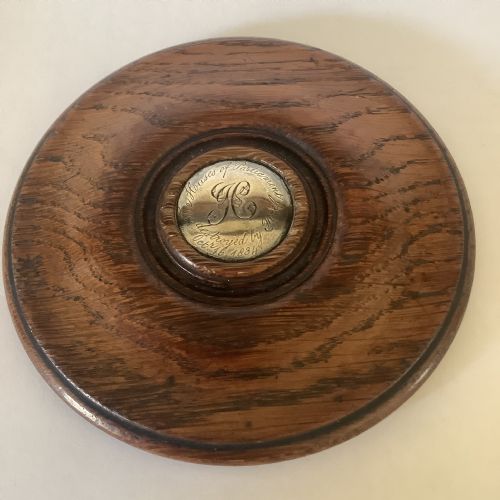
Specialised variations incorporate natural materials, pairing silver frames with polished agate cabochons or even timber relics from historical fires. Internal grilles in vinaigrettes and graters demonstrate precise piercing and hinge-fitting techniques common to the period.
One extraordinary box incorporates timber salvaged directly from the catastrophic 1834 fire at the Houses of Parliament.
What Varies in Quality
Quality rests heavily on the depth and crispness of the chased decoration, separating mass-produced items from master silversmith commissions. Crisp floral borders and sharply defined architectural details on castle top scenes indicate superior craftsmanship.
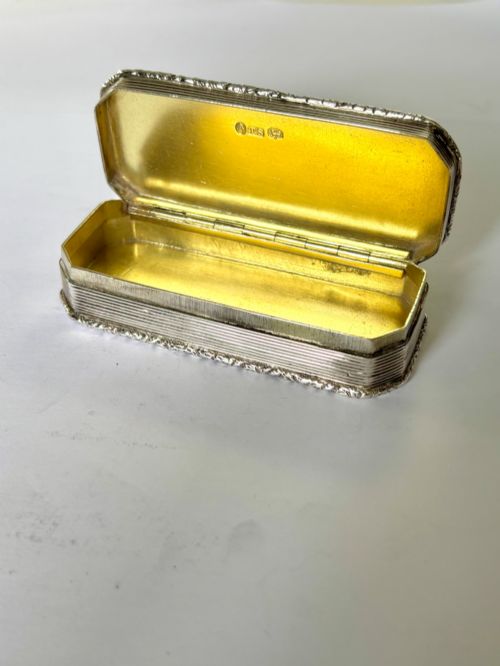
The weight of the silver and the preservation of the interior silver gilt finish also dictate the tier of the piece. Well-balanced hinges, tight lid closures, and clear hallmarks add substantially to the standing of any box.
Thomas Shaw·Joseph Willmore·John Caw·Edward Smith·Nathaniel Mills·Reily And Storer·William Simpson·Taylor And Perry·Edward Edwards·Willmore And Co
The William IV Silver Snuff Box Glossary
- Silver Gilt
- Silver covered with a thin layer of gold on the inside or exterior. This treatment protected the metal from the corrosive oils of tobacco and snuff.
- Vinaigrette
- A small ornamental box containing a perforated internal grille. It held a sponge soaked in aromatic vinegar for use when foul odours arose.
- Castle Top
- A box lid featuring a high-relief engraving of a famous building or estate. These architectural scenes represent the pinnacle of period metalwork.
- Cabochon
- A gemstone shaped and polished rather than faceted. Agate cabochons were frequently set directly into the lids of boxes.
- Hallmark
- Official stamps struck into the metal to certify purity and origin. They record the maker, assay office, and year of production.
William IV Silver Snuff Box: Frequently Asked Questions
What is a william iv silver snuff box?
A william iv silver snuff box is a small, hinged container made from sterling silver during the 1830s. They were designed to carry ground tobacco safely in a waistcoat pocket or display upon a table.
These objects reflect the detailed metalwork of the period, often featuring floral chasing, gilt interiors, or inset stones. Makers utilised various regional British assay offices to certify the standard of the silver.
How were snuff boxes used?
Owners carried these boxes daily to dispense small pinches of dry snuff into the hand for nasal inhalation. The tight-fitting lids kept the powder dry and prevented the strong scents from escaping into clothing.
Larger table versions sat in reception rooms for guests. Vinaigrettes and nutmeg graters served adjacent aromatic and culinary purposes within similar pocket-sized formats.
How do I identify a period piece?
Examine the hallmarks stamped on the interior rim or base for assay office symbols and date letters corresponding to the 1830s. Stylistic markers such as floral chased borders and heavy cast thumbpieces also point to the era.
Regional variations, such as Scottish thistle engravings or Edinburgh marks, help differentiate provincial workshops from dominant Birmingham and London manufacturers.
How should I display silver boxes?
Keep silver boxes in stable environments away from direct sunlight and high humidity to preserve the metal finish. Placing them inside glass cabinets protects the delicate chased surfaces and gilt interiors from dust and handling.
Allow the natural patina to remain rather than over-cleaning the metal. Touching the surfaces infrequently prevents oils from tarnishing the silver.