




William IV Framed Painting
A william iv framed painting brings the distinct portraiture, landscape and domestic character of the 1830s directly onto a wall.
William IV Framed Painting
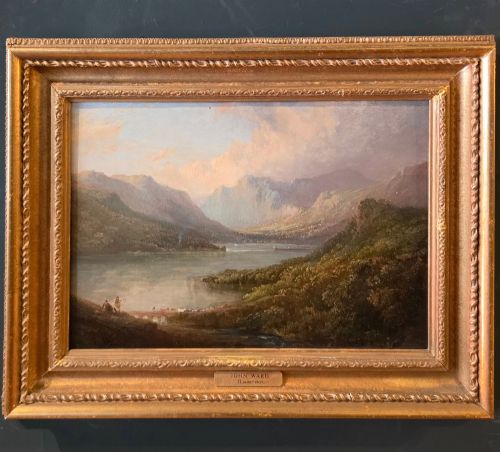
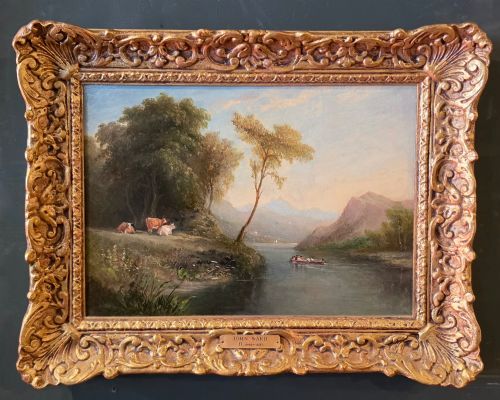
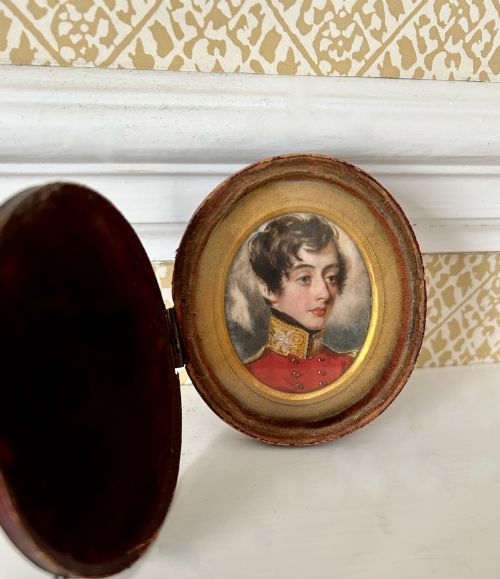
A william iv framed painting encompasses 19th Century oils, watercolours and miniature portraits executed around the 1830s. These works reflect the Regency and Romanticism styles of British art, capturing landscapes and likenesses in original giltwood frames.
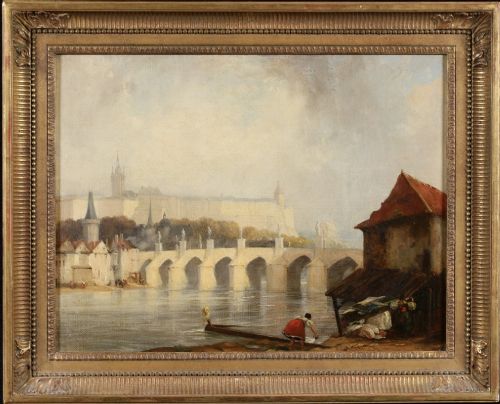
Buyers browsing this selection will encounter small-scale portrait miniatures, oval companion pieces and detailed oil paintings on canvas or paper. Subjects range from military officers and ladies in white dresses to topographical scenes like Charles Bridge and Prague Castle.
Many of these pieces bear direct attribution to notable artists or circles of the period, offering a concentrated look at early Victorian visual culture. The accompanying frames, often fashioned from giltwood and plaster, form an integral part of each surviving artwork.
Materials and Construction
Artists of the 1830s utilised oil paint on canvas or watercolour on paper, frequently mounting delicate works behind glass for protection. Portrait miniatures also appeared on specialist supports, capturing fine facial details with precision.
William IV Framed Painting Retail Price Guide 2026
Typical asking prices for william iv framed painting among the pieces listed under this phrase on Sellingantiques today, from the lower quarter to the upper quarter. They describe what is for sale here now, not the wider market.
Listings under this phrase feature 19th Century works executed in oil on canvas, watercolour, and giltwood framing.
Distinctions in Quality
Superior examples display notable precision in brushwork and facial expression, particularly in portrait miniatures and oil paintings from identified artists. The handling of light, especially in landscape watercolours and architectural scenes, separates masterworks from standard studio pieces.
The preservation of the original giltwood frame and the clarity of the underlying canvas or paper significantly influence the overall standard. Works retaining their authentic nineteenth-century mounts and untouched painted surfaces command greater appreciation among collectors.
John Ward·Miles and Edwards·William Egley·George Hargreaves·Thomas Woolnoth
The William IV Framed Painting Glossary
- Giltwood
- Wood that has been coated with gold leaf or a gold-coloured metallic finish. It is commonly found on traditional 19th Century picture frames.
- Watercolour
- A painting method in which the paints are made of pigments suspended in a water-based solution. These works are typically executed on paper.
- Oil on canvas
- Pigments bound in a medium of drying oil applied directly to stretched woven fabric. This technique defines the primary paintings of the period.
- Portrait miniature
- A small, highly detailed painting depicting a person. These intimate works were often created during the 1830s using fine watercolours or oils.
- Regency
- An artistic and architectural style spanning the early 19th Century. It heavily influences the decorative framing and portraiture of this era.
William IV Framed Painting: Frequently Asked Questions
What subjects appear in these paintings?
The subjects include individual portraits of ladies and military officers, family groupings, and landscape views such as Prague Castle. These themes reflect the domestic and topographical interests of the 1830s.
Artists of the period focused heavily on realistic likenesses and atmospheric scenery, producing both large oil canvases and intimate oval miniatures.
Are the frames original to the paintings?
Many pieces retain their period giltwood and plaster frames from the 1830s. These frames were designed specifically to suit the scale and style of the artwork.
Buyers often look for this matching provenance, as original framing preserves the complete historical object.
How do I care for a framed watercolour?
Watercolours require protection from direct sunlight to prevent the pigments and paper from fading over time. Keeping them in stable humidity conditions safeguards the paper support.
Displaying them behind glass helps shield the delicate washes from dust and atmospheric moisture.
How do I identify the period of the painting?
Dating relies on costume details, such as the style of a lady's white dress or a military red coat typical of circa 1830. Frame construction techniques and artist signatures also provide reliable chronological markers.
Cataloguing records and known exhibition dates help confirm whether a work belongs to the early 19th Century.