

William IV Carved Chairs
William iv carved chairs combine robust timber frames with bold relief ornament, offering formal seating that anchors a period interior.
William IV Carved Chairs
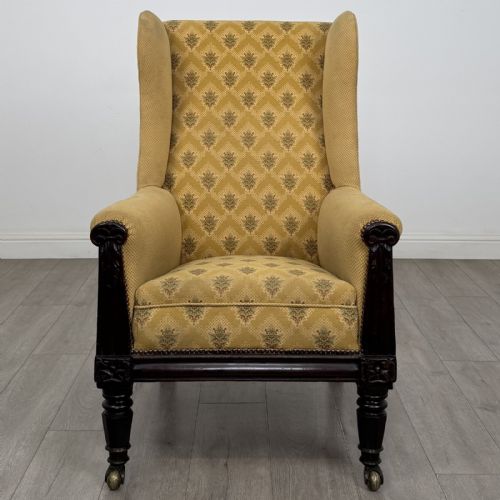
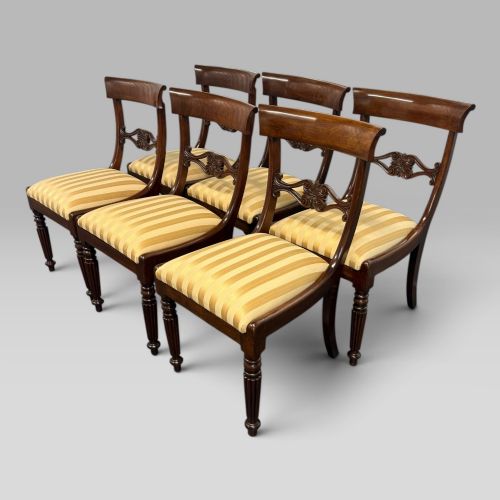
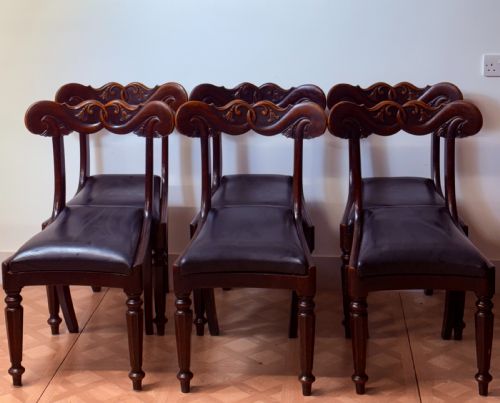
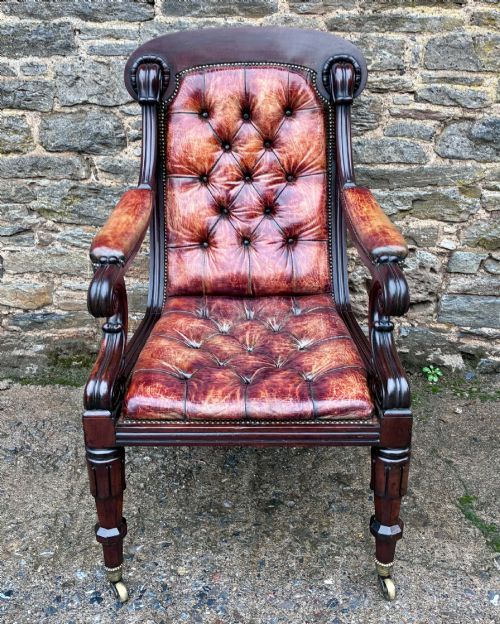
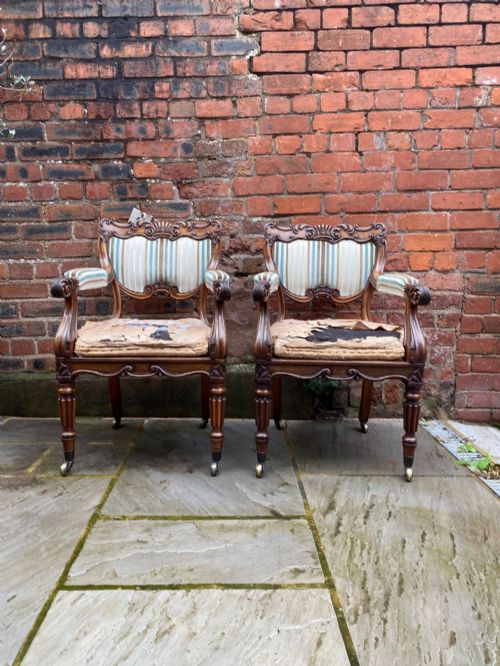
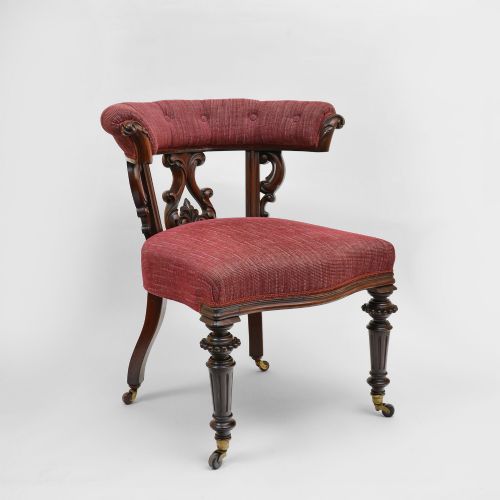
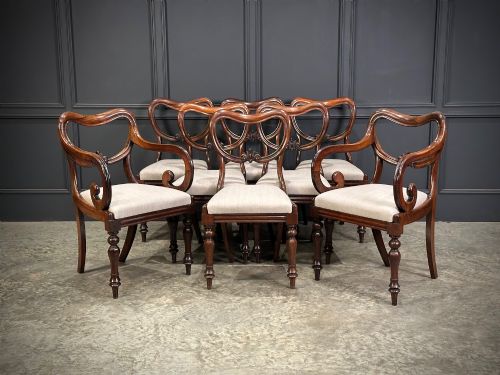
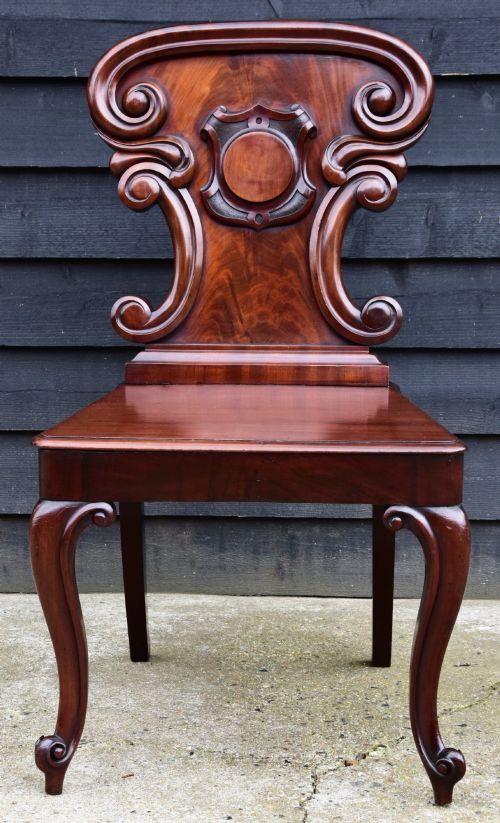
William iv carved chairs encompass a robust range of seating forms designed during the early nineteenth century, featuring dining chairs, hall chairs, armchairs and piano stools. The listings frequently present solid timber frames defined by substantial proportions and architectural elements.
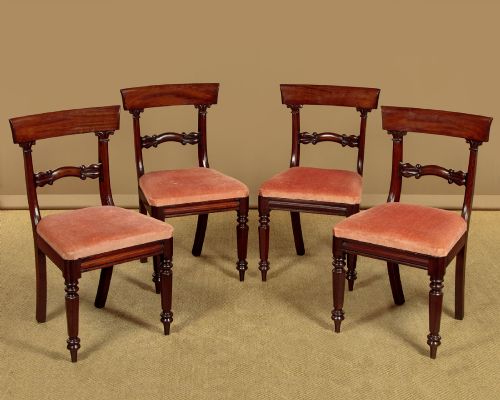
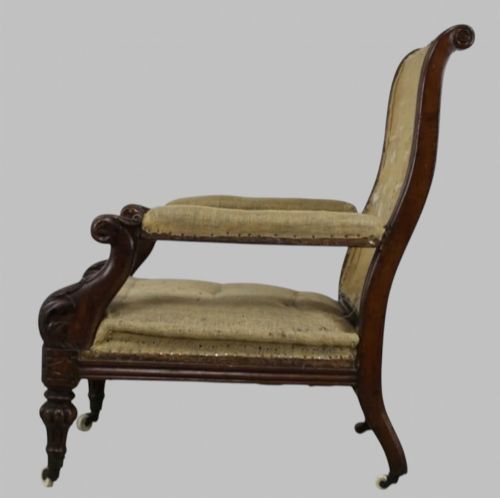
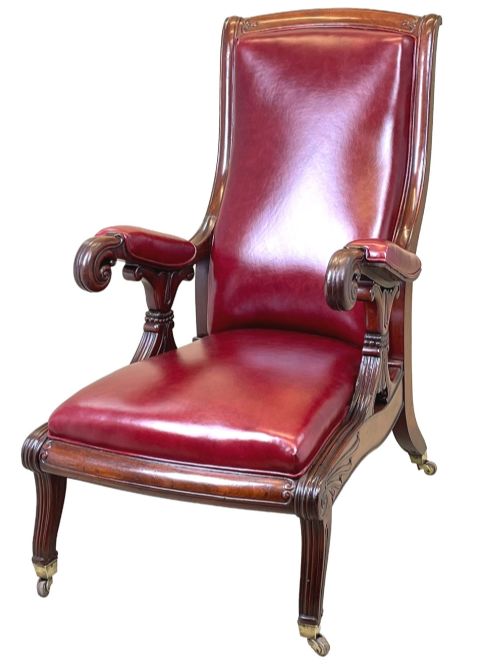
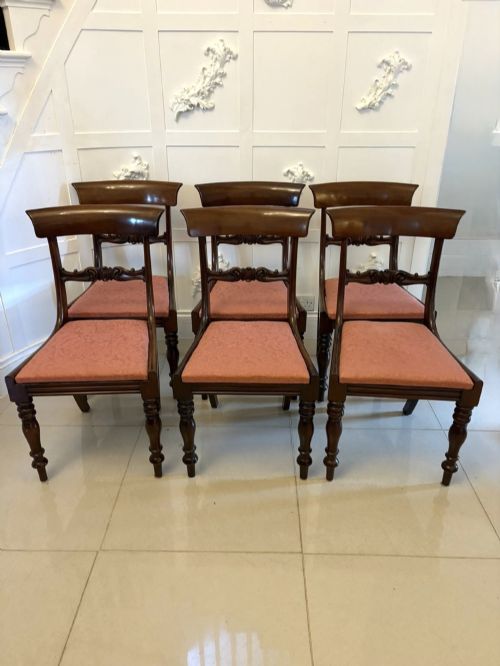
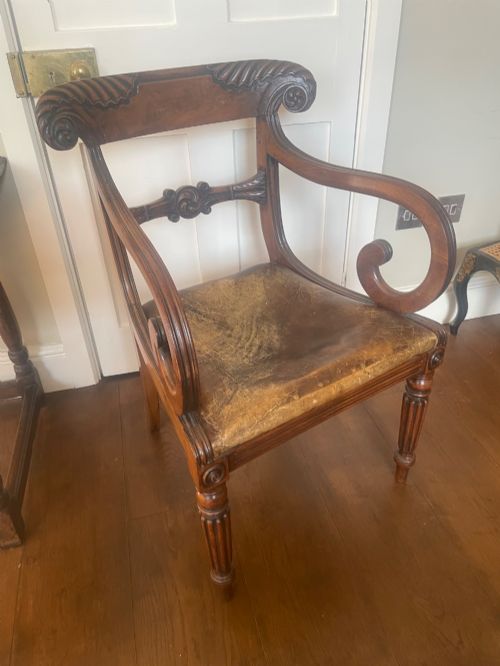
Dining chairs in sets of four, six or eight dominate the offerings, often displaying the characteristic bar back or tablet top rail. Alongside these, occasional library armchairs and hall chairs appear with carved scrollwork and turned supports.
Materials and construction
Cabinetmakers relied heavily on dense hardwoods, utilising rich mahogany and dark rosewood to build sturdy frames that could withstand deep relief carving. Timber selection dictated the weight and presence of each piece, while secondary woods provided internal stability for seat rails.
Joinery techniques combined traditional mortise and tenon joints with heavy turned forelegs and reeded details. Upholstered variants incorporated horsehair stuffing and fabric, leather or velvet coverings secured by brass tacks.
William IV Carved Chairs Retail Price Guide 2026
Typical asking prices for william iv carved chairs among the pieces listed under this phrase on Sellingantiques today, from the lower quarter to the upper quarter. They describe what is for sale here now, not the wider market.
Mahogany and rosewood dominate the timber selections across these listings, accompanied by occasional walnut and decorative faux bird's eye maple.
Judging the standard
Quality rests upon the crispness of the hand carving and the selection of figured timber grain. Pieces displaying sharply defined acanthus leaves and scroll details outrank those with softened or machine-moulded ornament.
Structural integrity and matched sets command higher regard, particularly when legs retain their original turnings and frames remain free from excessive replacement timber. The density of the mahogany or rosewood and the symmetry of the grain figure further distinguish superior examples.
Waugh & Son·Gillows
The William IV Carved Chairs Glossary
- Bar back
- A chair design featuring a horizontal wooden splat or top rail shaped like an architectural bar, often enriched with central carved motifs. This profile is frequently encountered on dining seats from the period.
- Carver
- An armchair designed to match a set of smaller dining chairs, typically positioned at the head of a table. These pieces feature substantial open arms attached to the main frame.
- Reeded
- A decorative moulding formed of parallel convex strips carved directly into the wood of legs or stretchers. This technique adds texture and visual lightness to heavy timber supports.
- Overstuffed
- An upholstery style where the fabric covers the entire seat frame completely, concealing the wooden rails beneath. This method creates a clean, padded edge for dining and reception seats.
- Chaise longue
- An elongated upholstered day bed designed for reclining, combining a chair back with an extended seat. These forms often exhibit scroll ends and turned feet consistent with the broader suite of furniture.
William IV Carved Chairs: Frequently Asked Questions
What defines william iv carved chairs?
These pieces are identified by heavy mahogany or rosewood frames, bold architectural proportions, and deeply carved scroll or leaf motifs. They represent the transition from late regency severity to early victorian comfort.
Most examples maintain dark timber tones and sturdy turned legs, reflecting the robust cabinetmaking standards of the eighteen-thirties.
How were bar back chairs used?
Bar back dining chairs served around large mahogany dining tables in formal reception rooms. Their sturdy construction supported daily dining habits of the period.
The shaped top rail allowed servants to lift and move the seats easily around the room during formal gatherings.
How do I care for rosewood frames?
Rosewood requires stable indoor humidity and protection from direct sunlight to prevent timber splitting and fading. Regular dusting with a dry, soft cloth preserves the polished surface.
Avoid liquid polishes containing silicone, choosing traditional beeswax formulations instead to maintain the natural sheen of the timber.
How to tell regency from william iv?
Regency seating tends to display lighter proportions, classical restraint, and inlaid brass details. William iv pieces shift toward heavier timber sections, bolder scrollwork, and more pronounced relief carving.
Leg turnings on the later period often feature heavier reeding and bulbous profiles compared to earlier slender supports.