



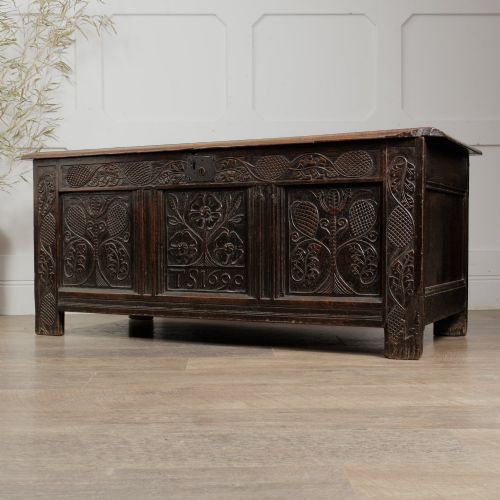
William and Mary
William and Mary pieces bring sober architectural symmetry and rich figured woods from the late seventeenth century into domestic spaces.
William and Mary
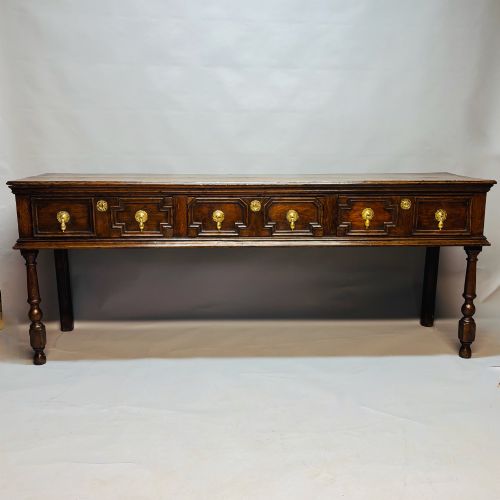
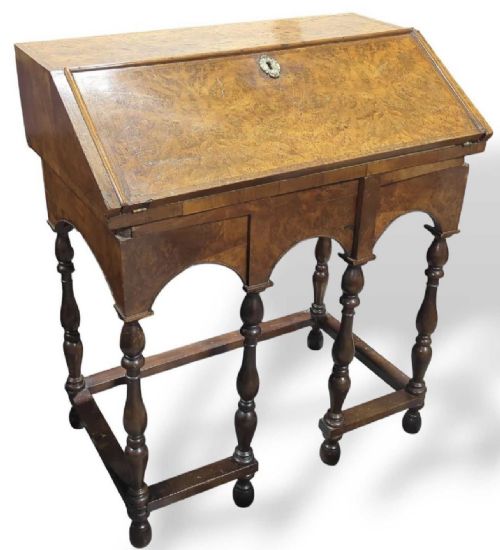
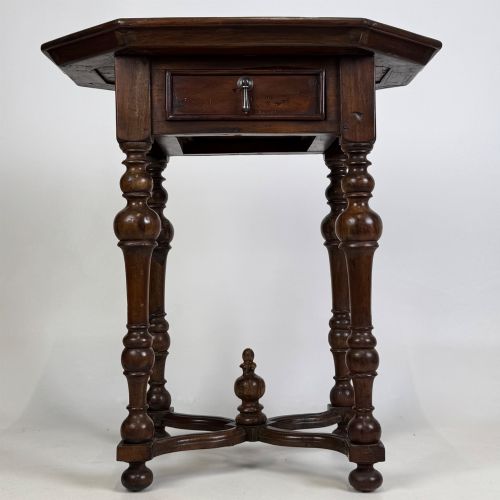
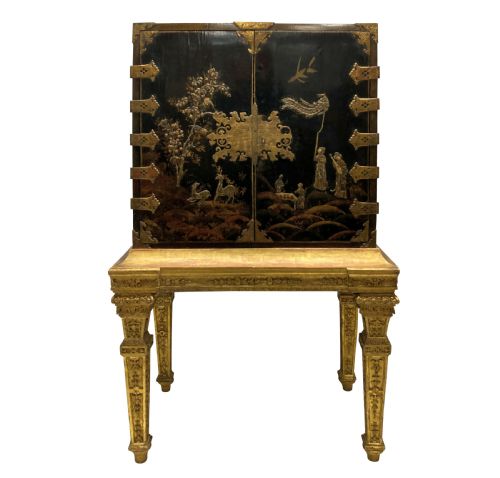
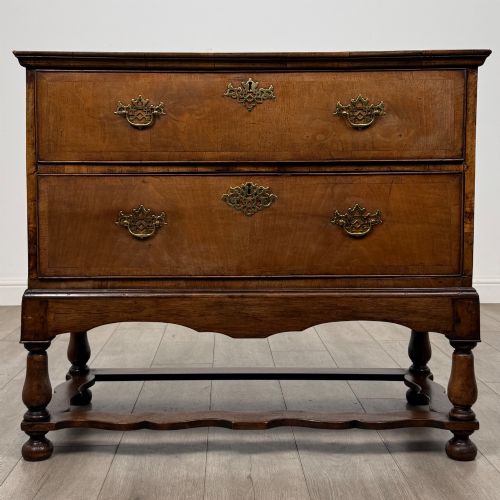
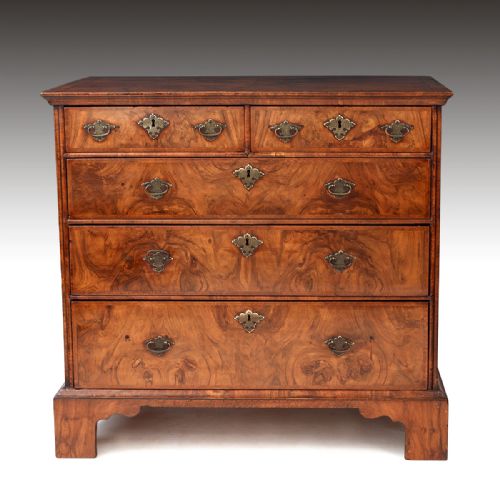
When searching for william and mary, buyers encounter case furniture, seating, and tables originating primarily in the late seventeenth century alongside later revival interpretations. The most common survivals on this page are chests of drawers, side tables, and cabinets on stands executed in walnut, oak, and regional hardwoods.
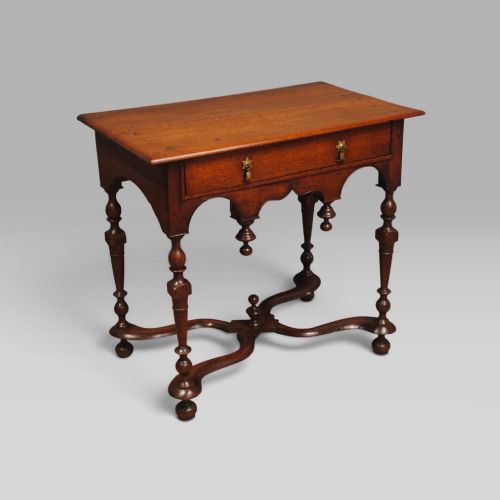
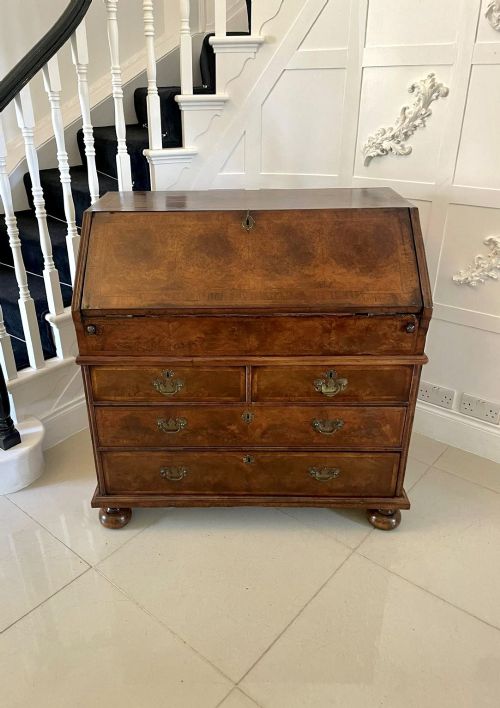
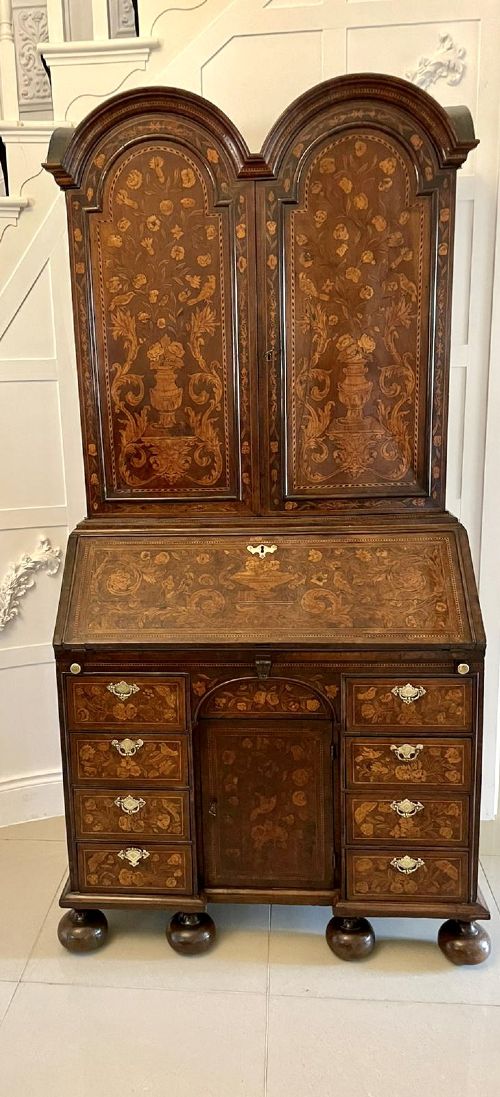
Forms from this era emphasise geometric proportions, raised panels, and elevated stands that lift case pieces away from damp floors. Bureau bookcases, lowboys, and dressing mirrors also appear, reflecting the shifting domestic habits of the period.
Revival iterations from later centuries frequently emulate these proportions and decorative schemes, using similar timber palettes. Distinguishing original seventeenth-century construction from later craftsmanship relies upon examining interior secondary woods and joinery details.
How they were made
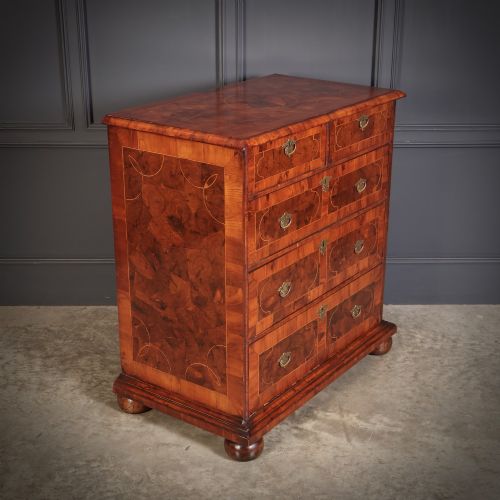
Cabinetmakers of this era utilised native oak for structural carcases alongside imported or domestic walnut sliced thin for decorative veneers. Master joiners employed oyster cutting, where small branches are sliced crosswise to reveal concentric growth rings, arranged in geometric patterns across drawer fronts and table tops.
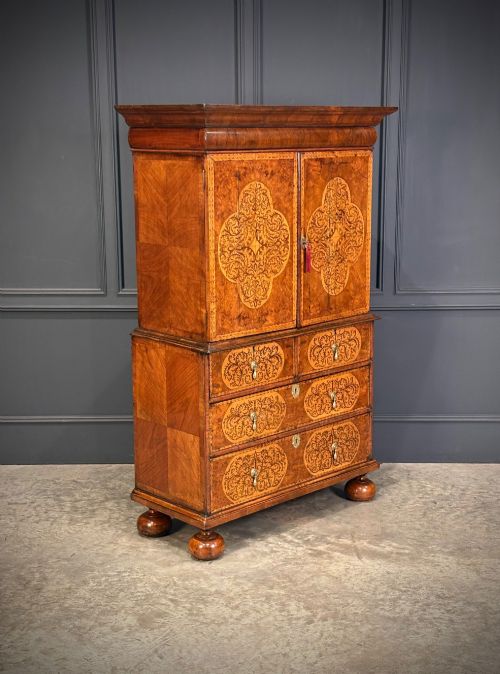
Marquetry and inlay techniques incorporated contrasting timbers and pewter elements to create elaborate floral or arabesque motifs on bureau surfaces and mirror frames. Turned supports, including early spiral twist and barley-sugar legs, provided sturdy elevation for heavy case pieces and seating.
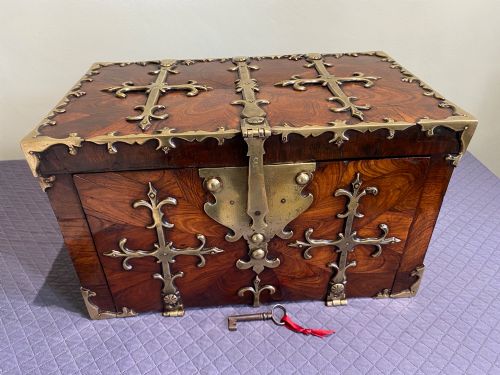
Listings feature oak, walnut, burr walnut, elm, and kingwood timbers alongside brass hardware and glass mirrors.
What varies in quality
Quality separates primitive domestic joinery from sophisticated metropolitan cabinet work through the precision of veneer matching and timber selection. Pieces boasting figured burr walnut, intricate seaweed marquetry, and well-preserved surface patination represent the upper echelon of surviving domestic output.
Structural integrity depends upon the original retention of hardware, such as brass drop handles and escutcheons, alongside the unaltered height of stands and legs. Examples retaining their untouched surface texture and grain depth command greater appreciation than those stripped and heavily refinished in subsequent eras.
Waring and Gillow
The William and Mary Glossary
- Oyster veneer
- Slices cut transversely from small branches to create circular patterns resembling oyster shells. This technique flourished during the late seventeenth century.
- Marquetry
- Inlaid patterns of wood, metal, or other materials fitted into a veneer background to form pictorial or abstract designs. Craftsmen used it to embellish cabinet doors and table tops.
- Lowboy
- A small low dressing table or side table typically featuring one or more drawers and cabriole or turned legs. These tables served various domestic functions in bedchambers and parlours.
- Escritoire
- A writing cabinet featuring a fall-front flap that conceals a collection of small drawers and pigeonholes. These portable or standing desks became popular for correspondence.
- Cushion moulding
- A convex, rounded moulding framing drawer fronts or mirror panels that projects forward. It adds visual depth to case furniture elevations.
William and Mary: Frequently Asked Questions
How do I identify a true seventeenth-century piece?
Examine the secondary woods inside drawers and the hand-cut dovetails joining the carcase corners together. Original pieces typically show tool marks and timber shrinkage consistent with three centuries of age.
Hardware placement and the presence of hand-beaten brass drop handles also offer clues to the original period of manufacture rather than later revival efforts.
What is oyster veneering?
Oyster veneering involves cross-cutting small branches of walnut, olive, or kingwood to produce small circular or oval discs. These sections are laid closely together to create intricate, repeating patterns across large furniture surfaces.
The technique requires considerable skill to prevent the thin timber slices from cracking or lifting as the underlying wood breathes over the centuries.
Where were these pieces used in the home?
Clients placed chests of drawers and cabinets within bedchambers and private withdrawing rooms to store linens, clothing, and valuables securely. Side tables and lowboys functioned in hallways and parlours to support decorative objects or writing materials.
Heavier case pieces remained fixed in principal reception rooms as symbols of domestic status and ordered wealth.
How should I care for walnut furniture?
Maintain stable indoor humidity levels and avoid placing these items near direct heat sources or in strong sunlight that fades antique finishes. Gentle dusting with a dry, soft cloth preserves the original surface patination without stripping delicate waxes.
Refrain from applying modern silicone sprays or heavy polishes that soften historical timber finishes and attract dust.