
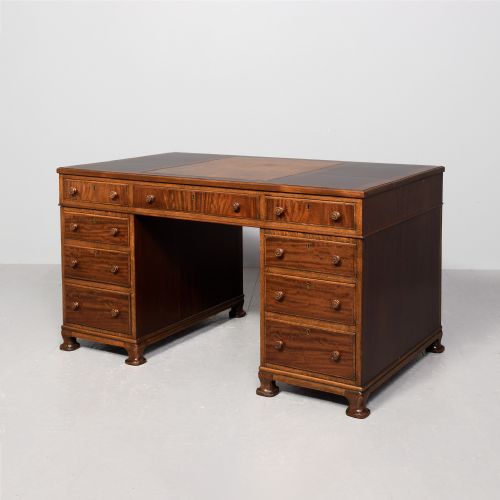
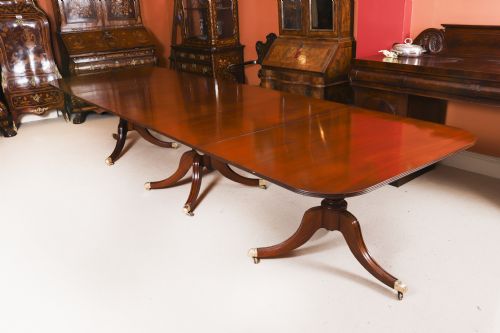


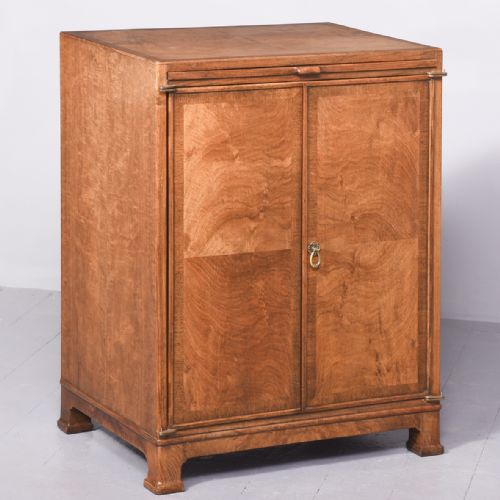


Whytock and Reid
Whytock and Reid pieces represent the height of Scottish cabinet making, combining traditional forms with refined twentieth century craftsmanship.
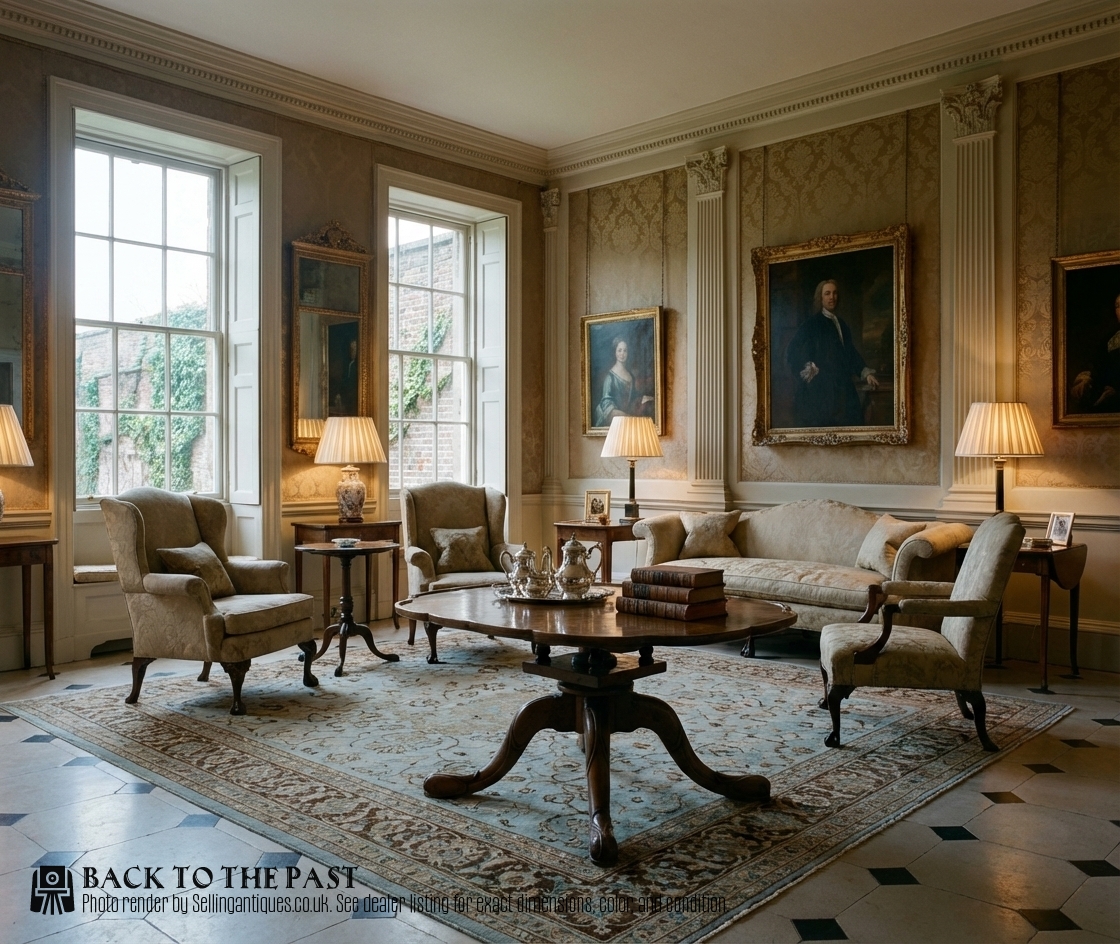
Whytock and Reid
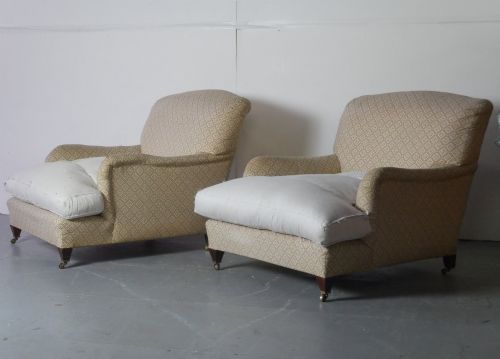
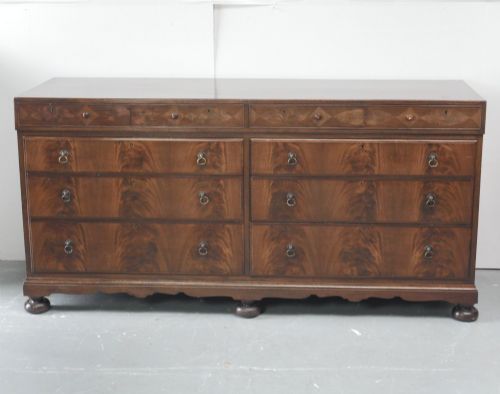
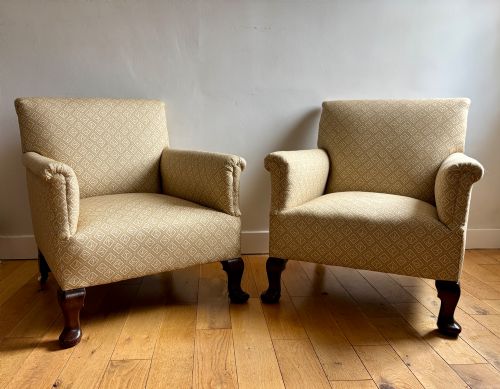
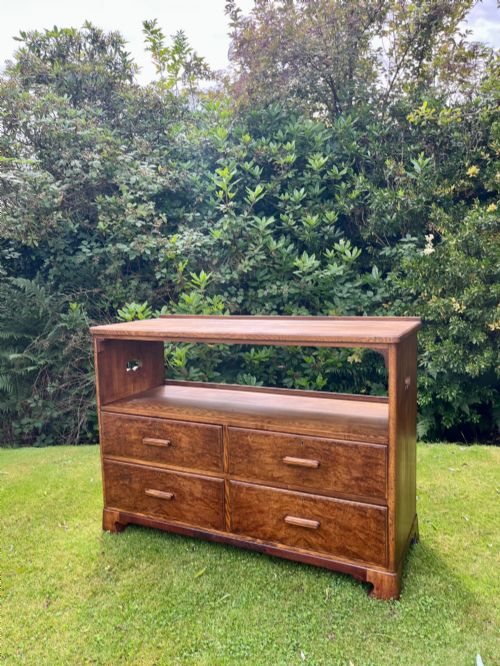
When someone searches for whytock and reid, they encounter furniture spanning from the Edwardian era through the 1930s. The selection ranges from substantial mahogany desks and dining tables to intimate armchairs, side cabinets, and mirrors.
Pieces from this maker often adopt historical idioms such as Queen Anne, Georgian, and Regency revivals alongside Arts and Crafts influences. Walnut, mahogany, and burr walnut dominate the forms, frequently enriched by specialist finishes like chinoiserie decoration.
The most common items found on this page are seating and tables produced in Edinburgh workshops during the 1920s and 1930s. These domestic and library items demonstrate a distinct restraint and attention to proportion characteristic of the firm's output.
Materials and Construction
Makers utilised dense timbers including mahogany, walnut, oak, and padouk, often selecting figured veneers and burr walnut for decorative surfaces. Crossbanding and subtle inlay work accentuate the natural grain of the wood without overwhelming the core design.
Structural elements frequently incorporated solid brass hardware and leather inserts for desks and writing tables. Textiles such as vintage floral chintz appeared on armchairs and stools, matched with traditional stuffing and upholstery methods.
Specialist decorative techniques included hand applied lacquering and gilt ornamentation for chinoiserie items and mirrors. Carved details remained restrained, appearing on mahogany footstools, side tables, and chair frames.
Whytock and Reid Retail Price Guide 2026
Typical asking prices for whytock and reid among the pieces listed under this phrase on Sellingantiques today, from the lower quarter to the upper quarter. They describe what is for sale here now, not the wider market.
The inventory records diverse seating forms including armchairs, side chairs, footstools, and deep seated country house sofas.
Assessing Quality
The distinction between standard commercial output and exhibition grade work lies in the selection of timber veneers and the precision of hand carving. Pieces designated for exhibition or special commissions display superior figured grain matching and intricate details.
Construction methods dictate longevity, observable in the tight tolerances of drawer dovetails and the rigidity of pedestal desks and dining tables. Superior examples integrate secondary timbers like sycamore within internal panels and drawer linings.
Surface finish preservation separates well maintained items from those requiring intervention. Original patination on walnut and mahogany, alongside intact lacquer work on chinoiserie pieces, commands higher regard among collectors.
Whytock and Reid·Lorimer Design
The Whytock and Reid Glossary
- Crossbanding
- A border technique where veneer is laid perpendicular to the main grain of the furniture surface. This method frames table tops and drawer fronts with a contrasting border.
- Chinoiserie
- European decorative style imitating Chinese artistic traditions through lacquer and painted motifs. Applied here on cabinets, screens, and mirrors.
- Partners Desk
- A large double sided writing table designed for two people to work opposite one another. These incorporate drawers and cupboards on both faces.
- Cockpen Chair
- A distinctive type of Chinese Chippendale open armchair featuring a square lattice back. Scottish variations appear frequently in regional cabinet making.
- Padouk
- A heavy, durable tropical hardwood with a reddish brown colour used for select chests and hall tables. The dense grain accepts a high polish.
Whytock and Reid: Frequently Asked Questions
What periods do these pieces date from?
The available selection primarily covers the early twentieth century, spanning from the Edwardian period through the 1920s and 1930s. Production during these decades maintained traditional craft standards while adapting to contemporary tastes.
Items from this maker rarely date outside this broad twentieth century window, reflecting the operational peak of the Edinburgh firm.
How do I identify a piece by this maker?
Many items bear direct attribution through stamps, paper labels, or documented provenance linking them to the Edinburgh workshops. Stylistic markers include precise proportions and restraint in decorative carving.
Attention to secondary timbers and high grade mahogany or walnut veneer work further supports proper identification.
Were these pieces made in Edinburgh?
The firm operated primarily from Edinburgh, producing high quality domestic furniture for country houses and urban residences alike. Their workshops collaborated with prominent architects of the era.
This Scottish origin distinguishes their output from contemporary English cabinet makers through specific regional design interpretations.
How should I care for walnut and mahogany surfaces?
Maintain timber surfaces by avoiding direct sunlight and excessive humidity fluctuations which can crack delicate veneers. Periodic light dusting with a dry cloth preserves the original polish.
Refrain from using silicone based polishes that degrade historical finishes and alter the natural appearance of the wood grain.