



White Wrought Iron Stand
White wrought iron stand designs bring practical elegance to gardens and conservatories through durable metalwork.
White Wrought Iron Stand
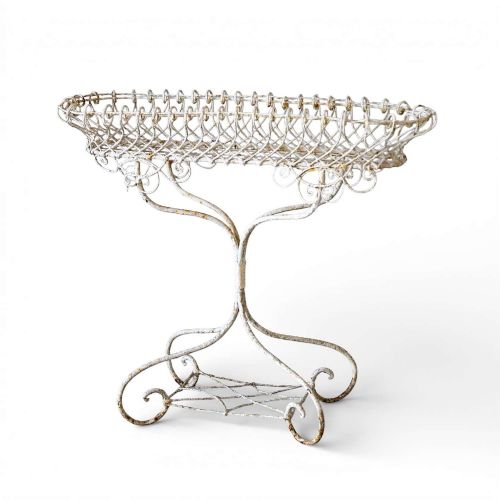
A white wrought iron stand encompasses garden planters, jardiniere stands, and conservatory plant holders designed for displaying flora. These utilitarian yet decorative objects frequently appear from nineteenth-century Victorian and Edwardian periods, alongside earlier eighteenth-century European examples.
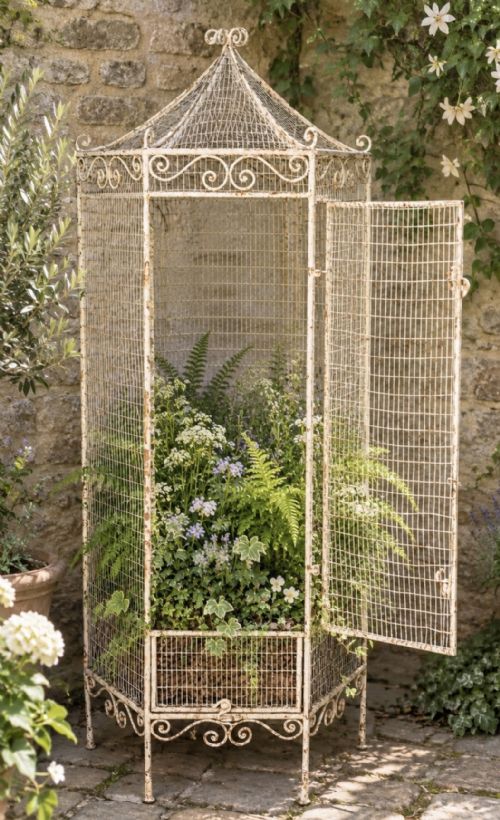
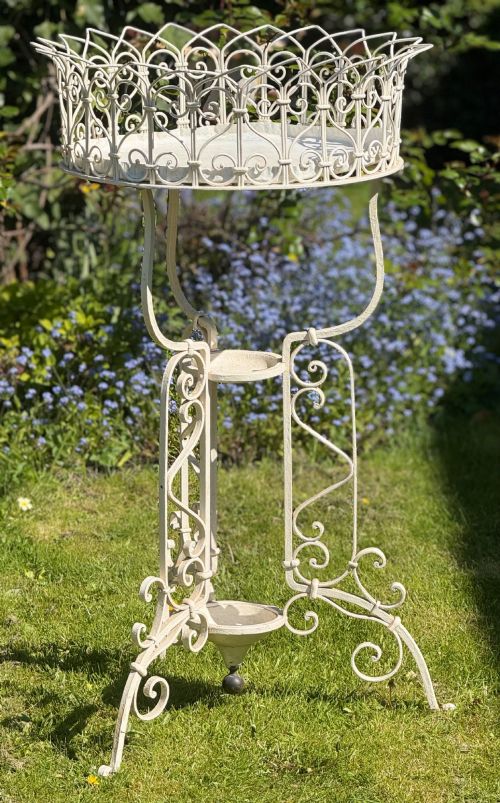
The primary forms found within this selection include tiered plant stands, wirework baskets, and pot stands configured to support heavy garden urns. French country and provincial styles also emerge, alongside English country house iterations built for interior or patio use.
How they were made
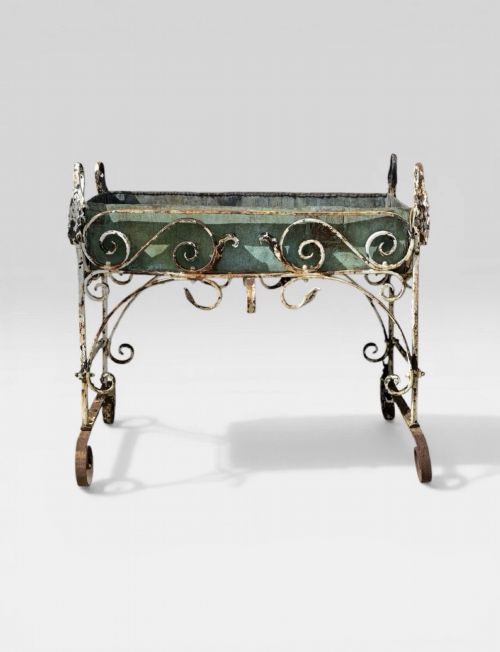
Makers utilised wrought iron and cast iron components, frequently combined with wirework, wire mesh, and zinc liners to construct sturdy garden furniture and plant holders. Metal elements were shaped with scrollwork and lattice basket tops, then finished with protective layers of white paint.
Structural integrity relied upon traditional blacksmithing techniques, joining heavy iron frames with strapp work or curved supports to bear the weight of soil and pottery. Weathered surfaces develop naturally over decades, reflecting exterior exposure.
One unexpected item lurking among the garden plant stands is a collection of carved skulls of the damned.
What varies in quality
Quality rests upon the intricacy of the metal manipulation, distinguishing simple welded frames from elaborate hand-forged scrollwork and detailed lattice baskets. Finer examples display balanced proportions and sophisticated wirework construction.
The integrity of the original material and the character of the aged paint surface dictate the aesthetic value. Pieces retaining their structural balance without excessive pitting show superior preservation.
The White Wrought Iron Stand Glossary
- Wrought iron
- A tough, malleable form of iron suitable for forging into decorative and structural shapes. It permits slender, strong lines impossible in cast alternatives.
- Wirework
- Metal strands bent and joined to form open baskets and plant stands. This technique provides light weight combined with surprising load-bearing capacity.
- Jardiniere
- An ornamental pot or stand designed to hold plants or flowers. These items served both interior conservatories and formal garden settings.
- Strapp work
- Flat bands of metal applied to reinforce and decorate furniture frames. It adds rigidity while contributing to the industrial aesthetic.
- Scrollwork
- Ornamental spiral or curved scroll designs forged into ironwork. This decorative element defines nineteenth-century garden furniture style.
White Wrought Iron Stand: Frequently Asked Questions
Where should I place a plant stand?
These metal stands suit sheltered garden patios, conservatories, and interior living spaces where moisture levels remain manageable. Their open wire and iron construction allows light to reach surrounding foliage.
Positioning them away from standing water prevents excessive corrosion of the iron framework while preserving the painted finish.
How do I care for antique iron?
Maintenance involves gentle cleaning with soft brushes to remove dust and debris without damaging historic painted surfaces. Avoid abrasive cleaners that strip the weathered patina.
Applying microcrystalline wax helps protect exposed metal areas from moisture in humid environments.
What periods do these pieces span?
The available selection covers items from the eighteenth century through to the early twentieth century, including Georgian, Victorian, and Edwardian eras. Each period brings distinct manufacturing techniques and decorative flourishes.
Victorian and Edwardian pieces frequently feature lighter wirework, whereas earlier items often display heavier forged iron elements.
Are these stands suitable for heavy pots?
Most robust wrought and cast iron stands were engineered to support substantial earthenware pots and damp soil. Tiered versions distribute weight across multiple structural points.
Lighter wirework examples require more careful loading to maintain balance and prevent structural strain.