

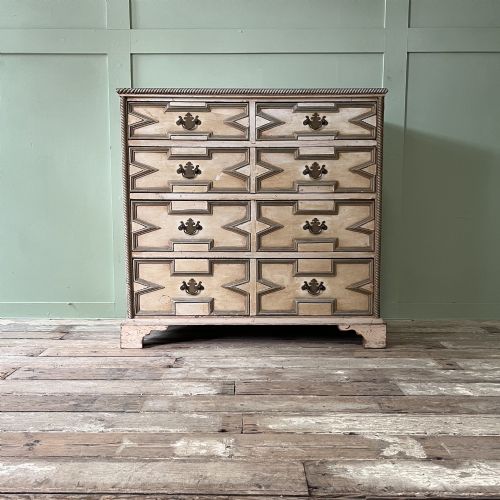
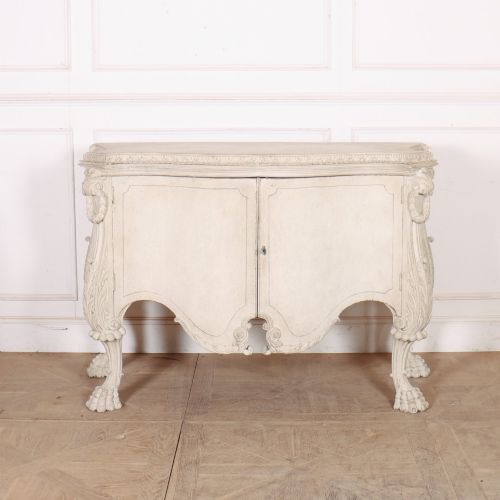
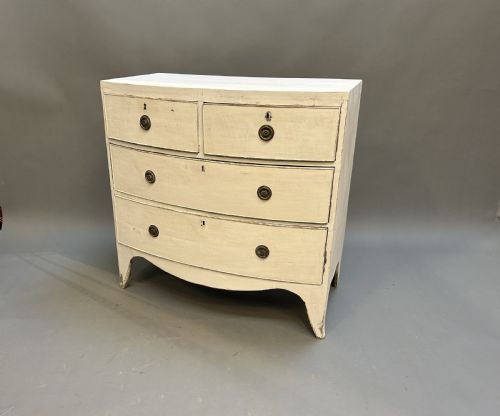
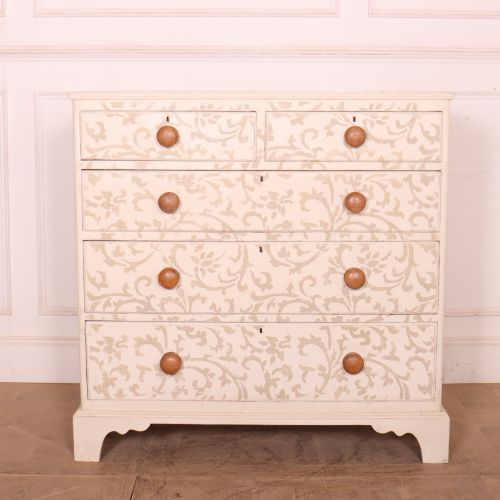



White Wooden Commode
These white wooden commode pieces bring continental painted elegance to a room, offering practical storage disguised as art.
White Wooden Commode
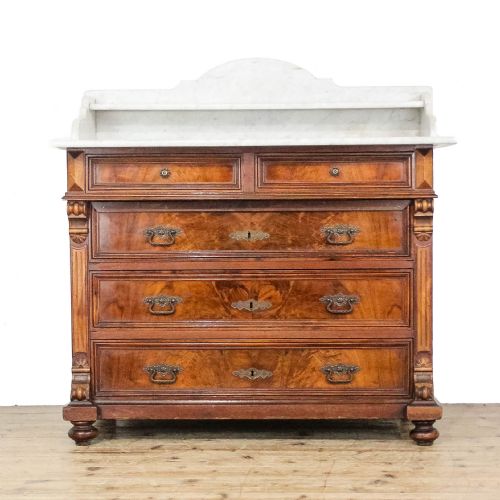
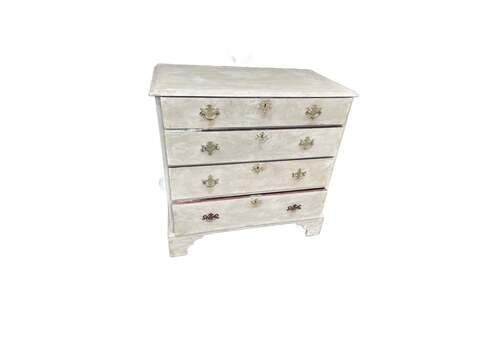
When you search for a white wooden commode, you encounter a selection of painted storage furniture originating primarily from nineteenth and eighteenth century European workshops. These pieces include serpentine front chests, side cabinets, and washstands finished in pale or painted wood.
The version you are most likely to meet on this page is a nineteenth century painted chest of drawers or commode, often featuring French provincial, Italian rococo, or Gustavian styling. Such items combine utility with decorative painted surfaces.
Origins span across continental Europe and Britain, with pieces dated from the eighteenth century through to the early decades of the twentieth century. Forms range from simple pine chests to elaborate marble top washstands and carved cabinets.
How they were made
Construction relies upon traditional timber framing, utilising woods such as pine and walnut alongside painted surfaces and decorative carved details. Many examples integrate contrasting materials, such as polished marble tops set above wooden carcases.
Surfaces receive layers of paint and hand decoration, creating the characteristic aged white or pale finishes seen on French chateau and Swedish pieces. Metal mounts and brass hardware frequently accent the drawers and doors.
White Wooden Commode Retail Price Guide 2026
Typical asking prices for white wooden commode among the pieces listed under this phrase on Sellingantiques today, from the lower quarter to the upper quarter. They describe what is for sale here now, not the wider market.
Listings span from the eighteenth century to the nineteen thirties, featuring pine and walnut woods paired with marble and brass elements.
What varies in quality
Quality rests in the harmony of the painted decoration and the precision of the cabinetwork, particularly in serpentine fronts and carved mouldings. Superior examples display sophisticated proportion and original decorative schemes that have aged with character.
The integration of fitted marble tops and quality brass hardware distinguishes finer pieces from simpler utility items. The execution of the painted finish and the integrity of the underlying wood structure define the tier of the piece.
Sir Clough Williams Ellis·Edwards and Roberts
The White Wooden Commode Glossary
- Commode
- A low chest of drawers or cabinet, typically dating from the eighteenth or nineteenth century. The form originated in France and often serves as a focal point in a bedroom or hallway.
- Serpentine front
- A furniture front characterised by a wavy contour, curving convexly in the centre and concavely at the sides. This shape demands high joinery skill and indicates a finer cabinet.
- Gustavian
- The Swedish interpretation of neoclassical style, known for pale painted finishes and restrained classical ornamentation. Pieces from this tradition favour light greys, creams, and white.
- Washstand
- A piece of furniture designed to hold a basin and pitcher, frequently finished with a marble top to resist water damage. Later variants often function similarly to standard chests of drawers.
White Wooden Commode: Frequently Asked Questions
What is a white wooden commode used for?
These pieces provide functional storage for clothing, linens, and household items within bedrooms, hallways, or living spaces. Their decorative painted surfaces also allow them to function as display tables for lamps and ornaments.
Historically, specific variants such as washstands accommodated basins for daily hygiene before modern plumbing. Today, they serve primarily as decorative storage furniture that anchors a room scheme.
How do I identify a Gustavian piece?
Gustavian furniture is distinguished by pale painted finishes, often white, cream, or soft grey, combined with restrained neoclassical carving. The style emerged in Sweden during the late eighteenth century and draws inspiration from French design.
Look for fluted columns, simple floral motifs, and a general lightness of form compared to heavier Victorian styles. The painted surfaces often show subtle craquelure and wear consistent with age.
Are marble tops original to these pieces?
Marble tops frequently appear on commodes and washstands designed for practical use where water or heavy items might damage bare wood. They were often integrated during manufacture to provide a durable and luxurious surface.
When examining a piece, check that the marble sits correctly within the wooden rebate of the top frame. Different types of marble, from white to veined varieties, correspond to the regional origins of the furniture.
How should I care for painted wood?
Painted wooden furniture requires gentle dusting with a soft, dry cloth to prevent the accumulation of grit on the finish. Avoid commercial chemical polishes that can soften or degrade historic paint layers over time.
Keep pieces away from direct heat sources and strong sunlight, which can cause timber to move and paint to crack or fade. Maintaining a stable indoor climate helps preserve the integrity of both the wood and the painted surface.