




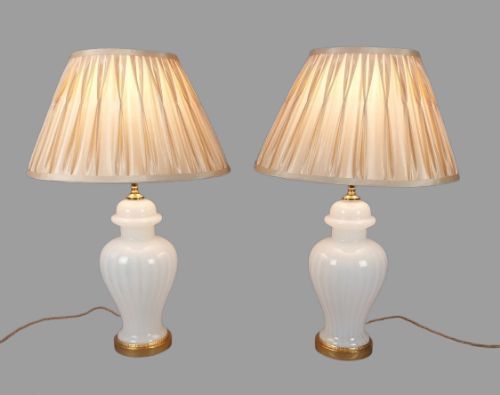


White Urn Table Lamp
A white urn table lamp brings classical form and soft illumination to a room, turning historical ceramic and stone vessels into practical lighting.
White Urn Table Lamp
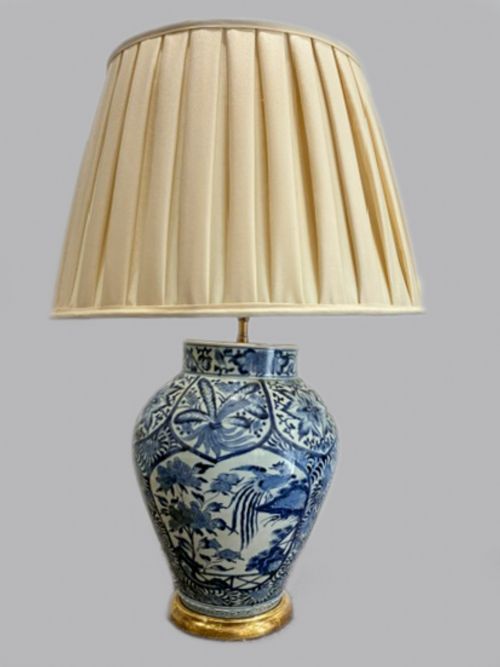
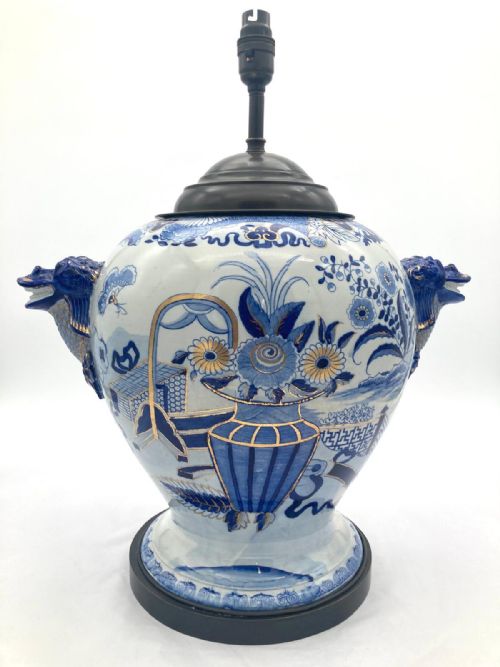
A white urn table lamp sits on a table or sideboard, typically taking the form of a converted antique vase or vessel mounted with electrical fittings. When buyers search for a white urn table lamp, they encounter pieces adapted from earlier ceramic, glass, and stone containers originating across Europe and Asia.
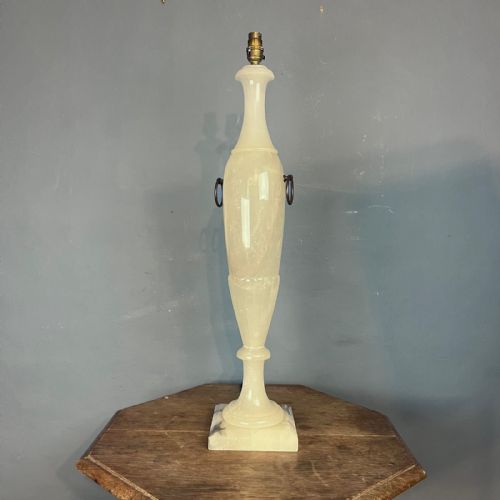
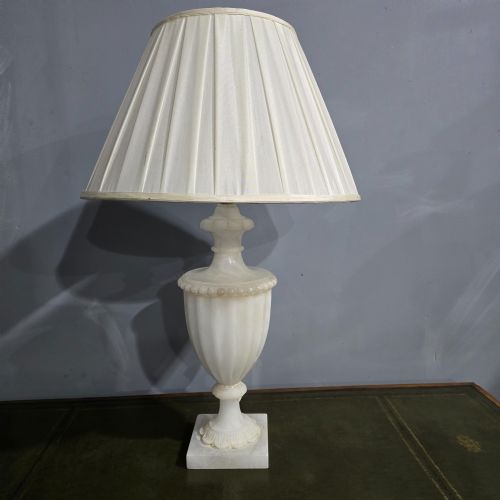
The selection ranges from seventeenth-century Japanese vases and eighteenth-century Delftware to nineteenth-century French porcelain, Italian majolica, and twentieth-century alabaster urns. Many examples appear as matched pairs, frequently fitted with fabric or silk shades upon gilt metal bases.
The underlying bodies often began life as ginger jars, amphorae, or twin-handled vases before receiving later conversions into lighting. This blending of ancient vessel forms with functional illumination provides a distinct silhouette for interior settings.
Materials and Construction
The bodies of these lamps utilise natural and manufactured white substrates, primarily comprising porcelain, marble, alabaster, onyx, and opaline glass. Artisans shaped stone through turning and carving, while ceramic vessels were thrown, moulded, and hand-painted before glazing and firing.
Metal mounts in brass, ormolu, and gilt bronze frequently secure the base and collar of the stone or ceramic body, often featuring cast details such as paw feet. Electrical wiring and lamp holders are subsequently fitted through or above the original vessel structure, sometimes retaining older conversions alongside modern rewiring.
Factors of Quality
Distinction across the range rests on the material integrity and the finesse of the original vessel's decoration. Hand-painted ceramic pieces display varying depths of pigment control and brushwork skill, whilst stone and marble lamps rely on the translucency and evenness of the natural mineral grain.
The quality of associated metalwork marks another divergence, where finely chased ormolu and cast bronze mounts elevate an object beyond standard brass fittings. Furthermore, the sensitivity of the lamp conversion process - preserving the vessel without undue structural compromise - dictates the overall execution.
Hicks and Meigh·Samson
The White Urn Table Lamp Glossary
- Ormolu
- Gilt bronze mounted onto decorative objects or furniture. This technique involves applying a fine layer of gold amalgam to a bronze base.
- Alabaster
- A fine-grained mineral used for carving ornamental vases and lamp bodies. Its soft translucency allows light to diffuse gently through the stone.
- Delftware
- Tin-glazed earthenware originating from the Netherlands, traditionally finished in blue and white. It frequently provides the ceramic body for antique lamp conversions.
- Amphora
- A classical two-handled vessel with a narrow neck, often adapted into a table lamp. The shape derives from ancient storage jars used for wine and oil.
White Urn Table Lamp: Frequently Asked Questions
How do I choose the right size lamp?
Consider the height of the surface where the lamp will sit in relation to surrounding furniture and wall space. Larger stone or ceramic urns require sturdy placement to balance their visual weight.
Proportion remains key when pairing the lamp body with a suitable fabric or silk shade. Ensure the combined height complements the scale of the room without overwhelming the table.
Are these lamps converted from old vases?
Many examples originate as historical ceramic, glass, or stone vessels that have received subsequent electrical fittings. These conversions adapt antique ginger jars, amphorae, and decorative vases for modern domestic use.
The process often incorporates drilled bases or fitted collars to secure the lamp hardware. This method preserves the aesthetic value of the original container while adding practical illumination.
What maintenance do stone and marble require?
Alabaster and marble surfaces benefit from gentle dusting with a soft, dry cloth to prevent the accumulation of grit. Avoid using harsh chemical cleaners or excess moisture, which can penetrate porous stone.
Polished metal mounts such as ormolu or brass should also be kept dry. Regular care ensures the natural patina of the stone and metal remains undisturbed over time.
How do I identify different ceramic periods?
Examination of the glaze, painting technique, and clay body provides clues to a piece's era of origin. Seventeenth and eighteenth-century ceramics often exhibit distinct hand-painted brushwork and specific tin-glaze or crackle-ware characteristics.
Stylistic influences such as Chinoiserie or Neoclassical Revival point toward particular decades of manufacture. Comparing the decorative motifs with documented historical periods helps narrow down the date.